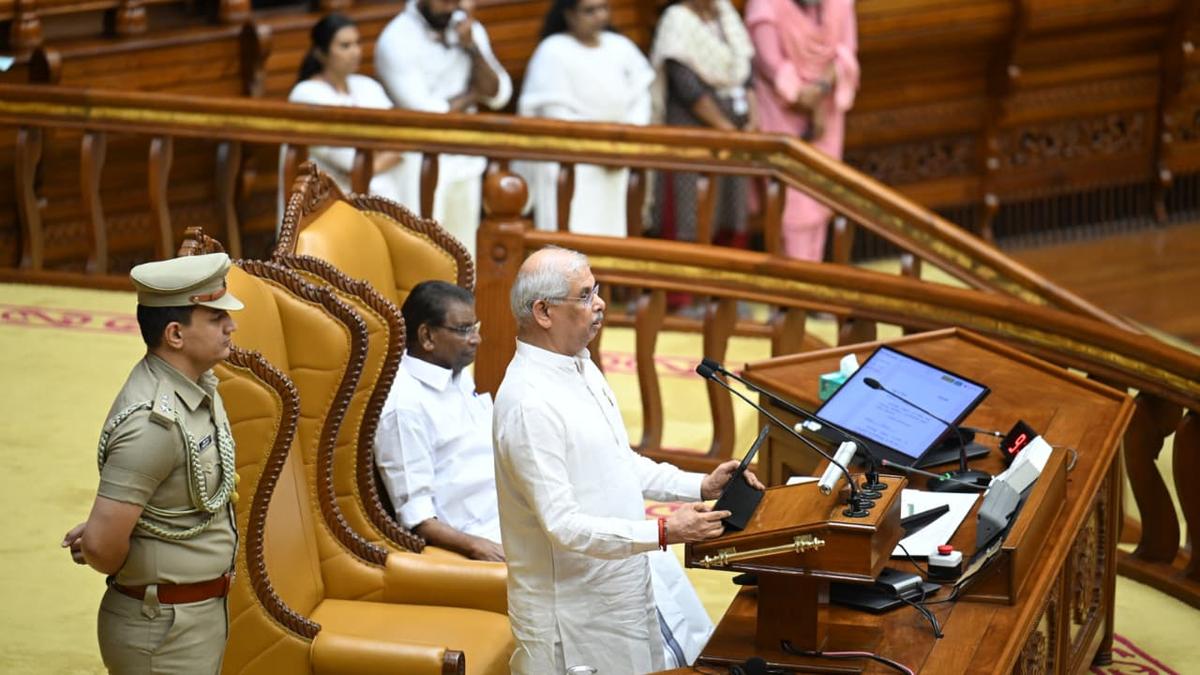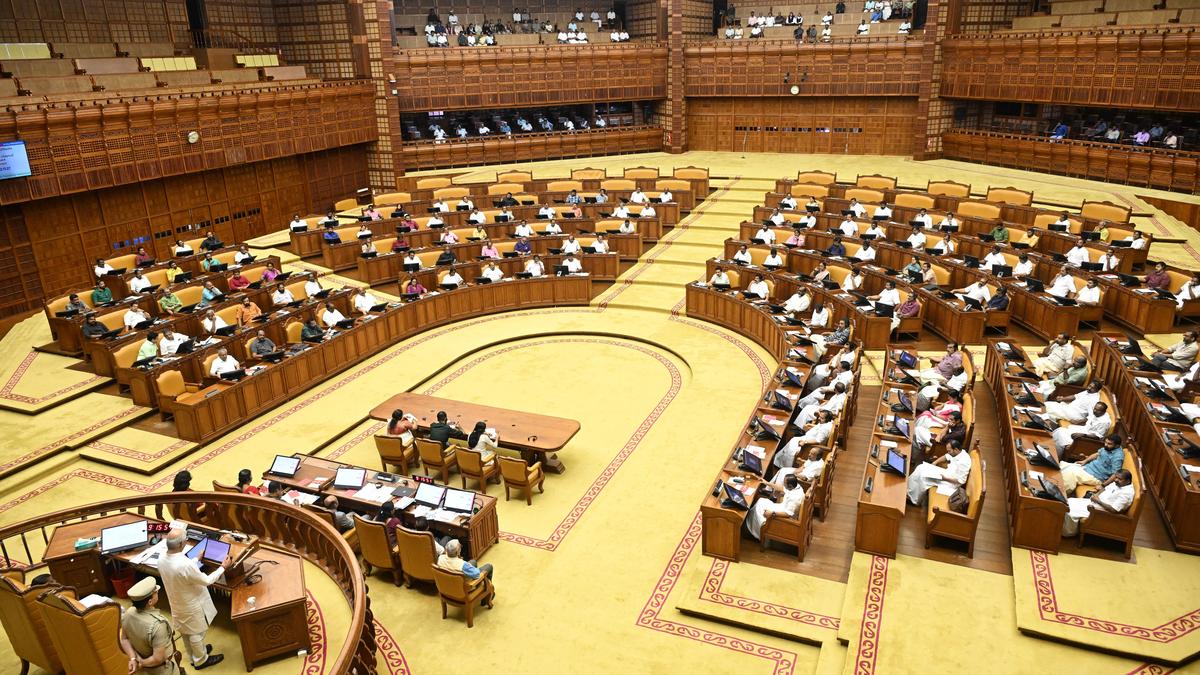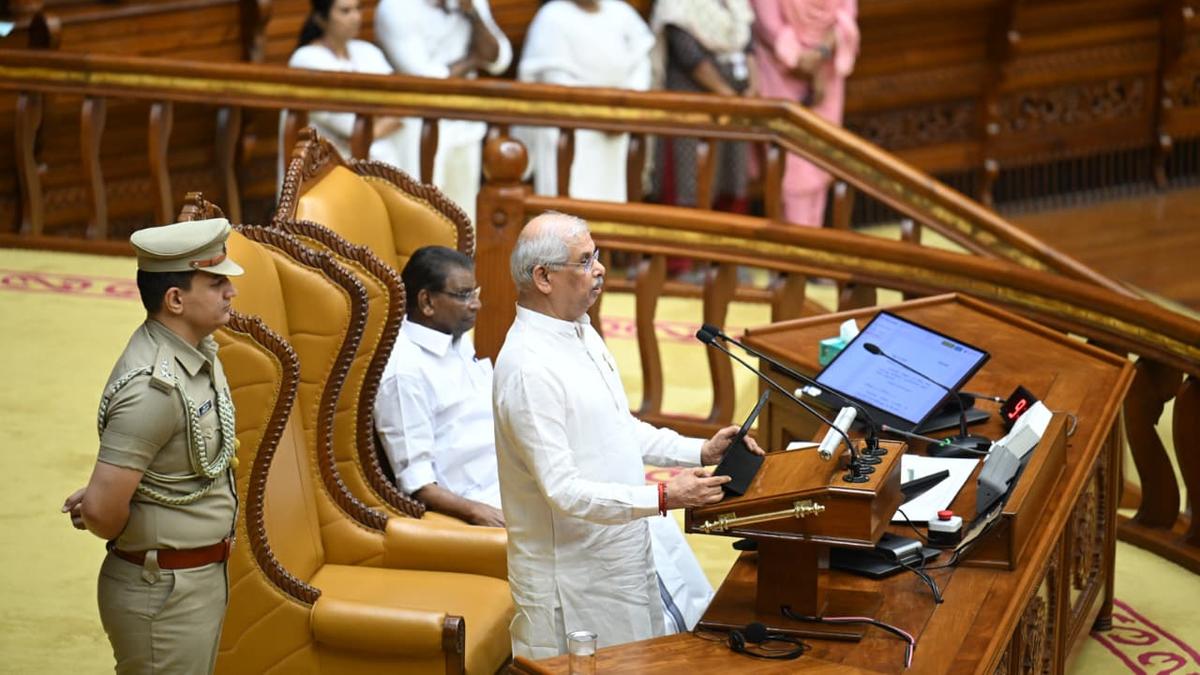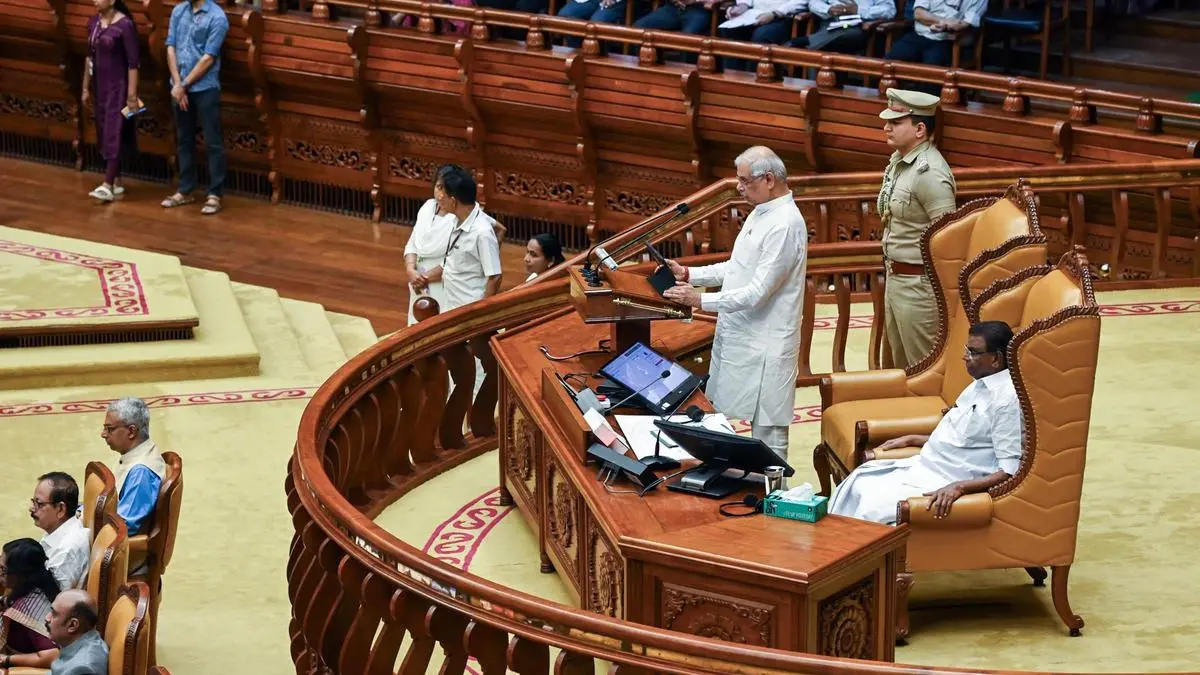
Thiruvananthapuram: The first session of the 16th Kerala Legislative Assembly commenced on Friday with Governor Rajendra Vishwanath Arlekar reading out the UDF government's policy which said it will inform the public about the state's actual fiscal position.In his policy address, Arlekar said that a white paper is being brought out to give people clarity on actual financial position of the state, including its liabilities and obligations.The Governor said that welfare measures for poor and vulnerable will not be compromised and all departments will follow clear accountability standards to strengthen people's trust in public institutions.Also Read: ED raid on ex-Kerala CM Pinarayi’s house sparks protests in Kerala, DelhiHe said that clean governance, fiscal discipline, and efficient administration are essential to restore public trust and accelerate development which should touch lives of the ordinary people."Corruption, wasteful expenditure, and administrative delay weaken public trust and slow down development. Therefore, my government shall pursue a policy of clean governance, fiscal responsibility, and administrative efficiency," Arlekar said.He further said that technology shall be used extensively to improve transparency and reduce delays in service delivery."My government believes that public institutions become strong only when they enjoy the trust of the people. Every department of government shall therefore be required to adopt clear standards of accountability," the Governor said.He said that Kerala has always stood as a symbol of secularism, social harmony, and democratic values and the government will protect these values with utmost commitment.Arlekar also said that the state's social progress was built through reform movements, democratic struggles, and collective social advancements.
Kerala will inform public about its actual fiscal position: Governor's address
The new Kerala Legislative Assembly session has begun. Governor Rajendra Vishwanath Arlekar presented the UDF government's policy. The government will inform the public about the state's financial situation. A white paper will clarify liabilities and obligations. Welfare measures for the poor will continue. Clean governance and fiscal discipline are priorities. Technology will enhance transparency and service delivery.
256 words~1 min read