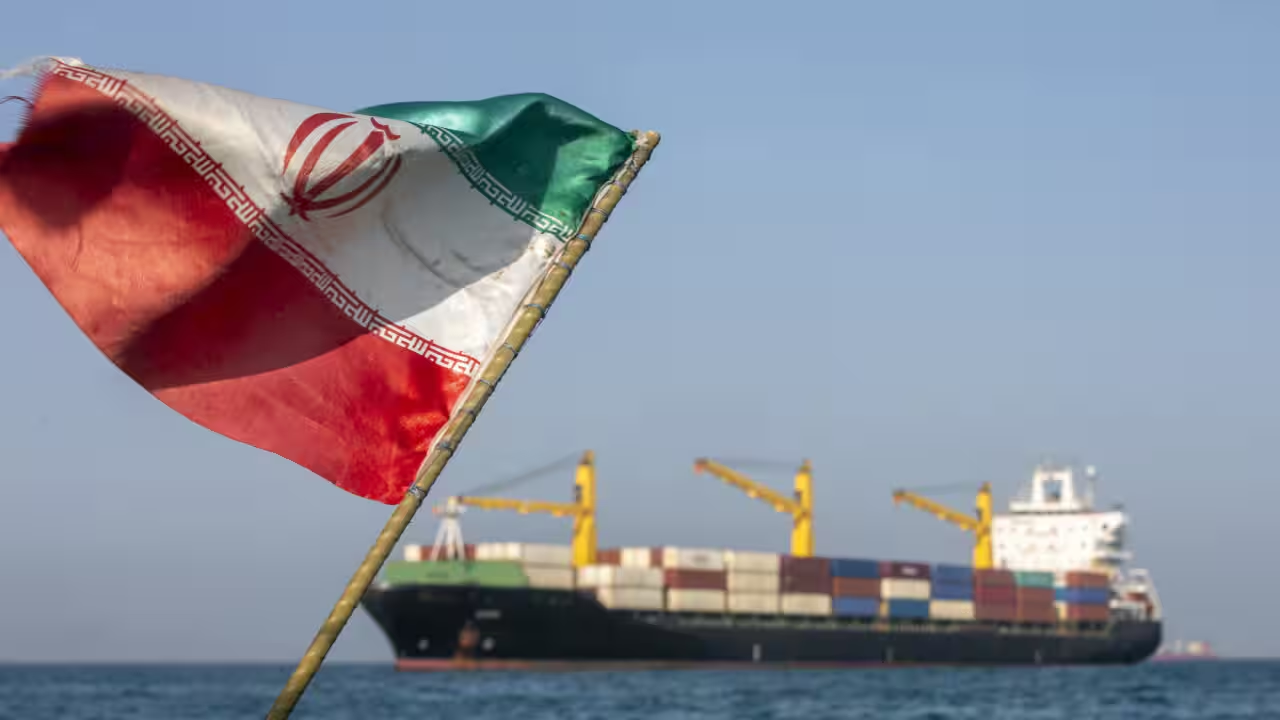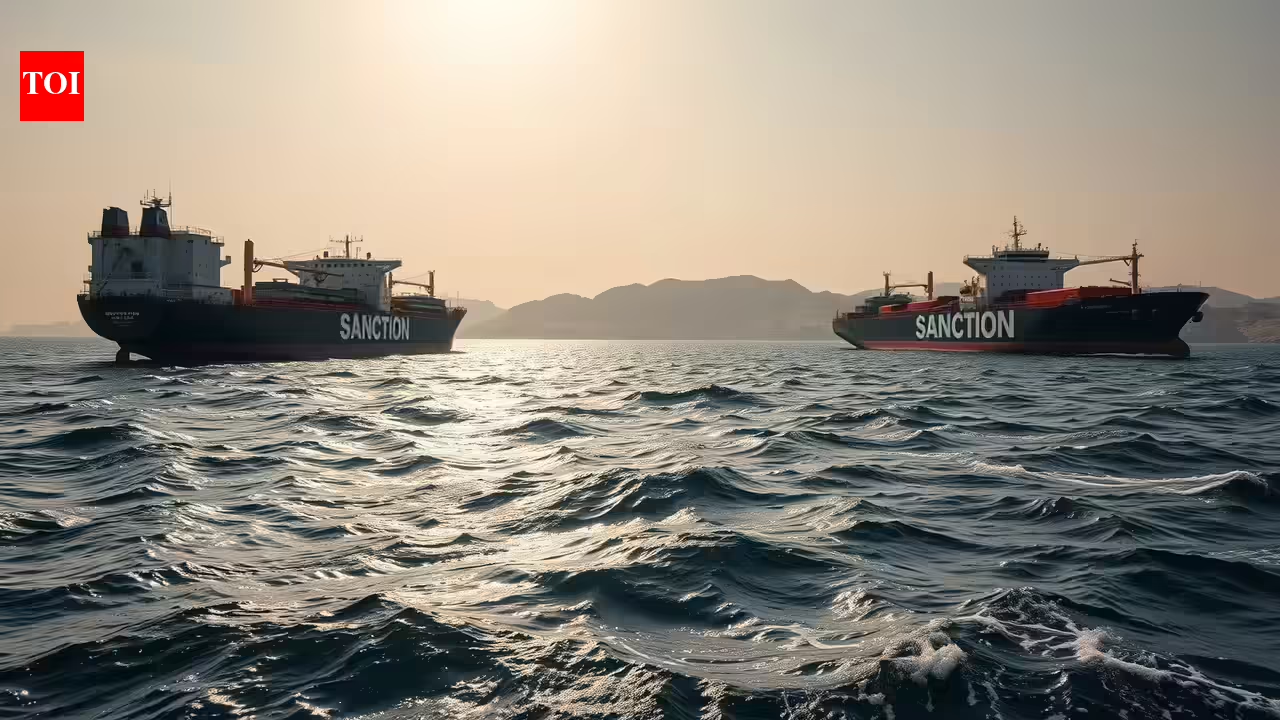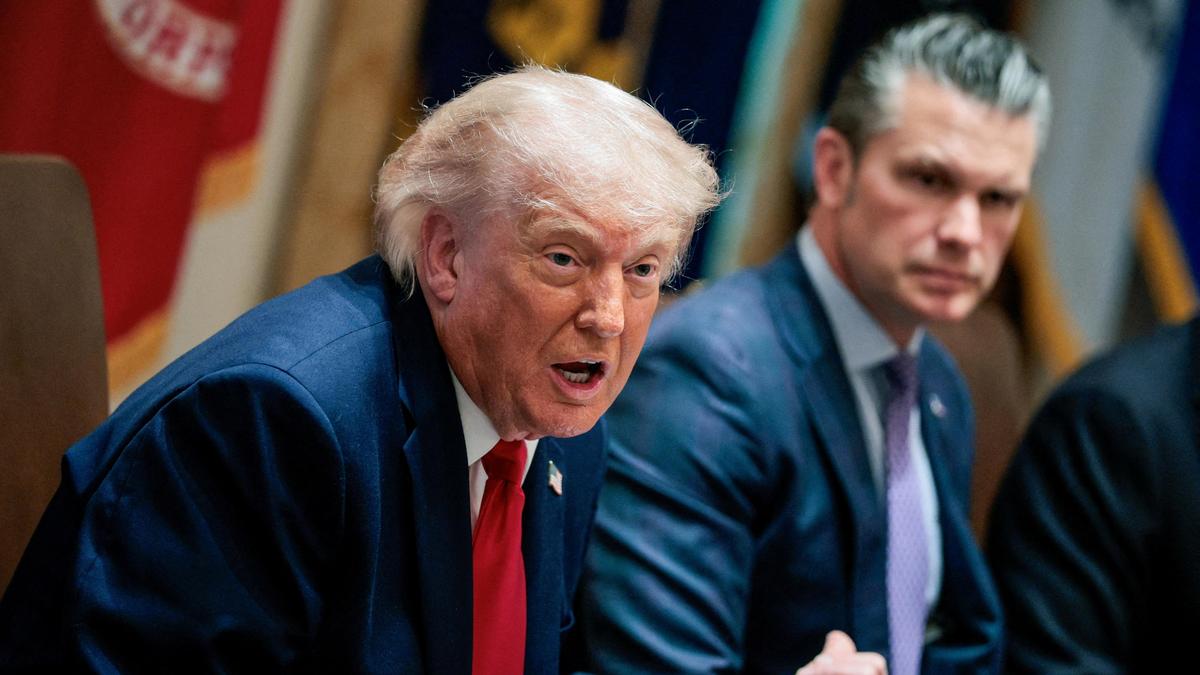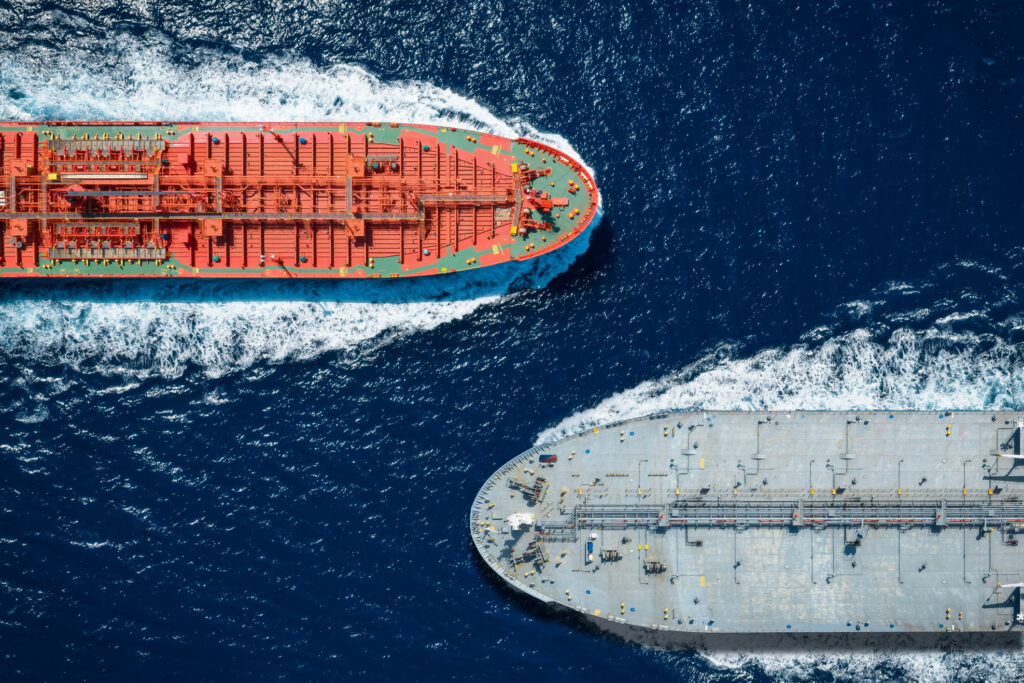
Any entity involved in Iran’s “illicit oil trade” or trading Iranian energy products could face American sanctions, the Donald Trump administration has said. This comes as Washington and Tehran continue discussions on extending a ceasefire and reviving negotiations to end the US-Israeli war on Iran. Track live updates here.The Donald Trump administration has imposed sanctions on several entities, individuals and vessels linked to Iran’s oil and petrochemical business. (Bloomberg)“Any entity cooperating with Iran’s illicit oil trade or trading Iranian energy products faces the risk of exposure to US sanctions,” the Trump administration said in a statement. “The United States will not hesitate to take action against anyone, anywhere, funding the Iranian government’s ability to attack its neighbours and its own people.”ALSO READ | Hormuz toll, shipping rule: Inside US-Iran peace deal that awaits Trump's final nodThe US and Iran are discussing terms to extend the current ceasefire by 60 days through a proposed memorandum of understanding (MoU) to allow further negotiations. The two sides have reached an agreement in principle, though Trump is yet to approve it, according to the White House.Tehran says the text had not yet been finalised and would be announced publicly once confirmed, as per Iran’s semi-official Tasnim news agency.US sanctions Iran-linked oil trade networkThe Trump administration said it was taking “coordinated action” to stop Iran from earning money through its oil and petrochemical trade. “The United States is taking coordinated action to sever the Iranian regime’s access to the revenue streams that fuel its regional aggression and global terrorism,” they said.The US state department has imposed sanctions on several entities, individuals and vessels linked to Iran’s oil and petrochemical business, they said.“The Department of State is sanctioning numerous entities, individuals, and vessels that form the backbone of Iran’s illicit oil economy, directly targeting the financial lifelines of the Islamic Revolutionary Guard Corps (IRGC) and Iran’s military apparatus,” the statement added.The US said it had blacklisted eight entities and eight vessels involved in transporting Iranian oil and petrochemical products. It also sanctioned three entities and one individual linked to the trade of Iranian-origin petrochemical products.ALSO READ | Amid Iran war, peace talks and chaos, Trump eyes Cuba ‘collapse’: What we knowThe US treasury department announced sanctions on what it described as a major oil sales network run through Hong Kong-based companies.“The department of the treasury is sanctioning key players in an oil sales network that has moved tens of millions of barrels of Iranian oil worth billions of dollars,” the statement said.The US alleged that the network helped “store, transport and sell Iranian oil” which generated money for the IRGC and other military-linked institutions.US strikes on IranThe sanctions announcement comes days after the US bombed Iran amid ongoing ceasefire negotiations. US Central Command (Centcom) said on Monday that American forces launched “self-defence” strikes targeting Iranian missile sites and boats allegedly attempting to place mines near the Strait of Hormuz.They reportedly struck areas near Bandar Abbas, an important Iranian port city located along the Strait of Hormuz.Tehran condemned the attacks and said they violated the ceasefire arrangement. Iran’s IRGC later claimed to have downed a US drone and fired at an American fighter jet and another drone that entered Iranian airspace. The military body also said Iran had the “legitimate and definite” right to respond to any US ceasefire violations.US-Israeli war on IranThe US and Israel bombed Iran on February 28 and assassinated their Supreme Leader and many top officials. This led to retaliatory strikes by Tehran on Israel and US bases on the Gulf.Iran also effectively closed the Strait of Hormuz which disrupted shipping routes and caused global oil prices to rise sharply.Although a ceasefire has largely held since April 8, tensions have continued in and around the Gulf region.The proposed MoU reportedly includes extending the ceasefire, reopening the Strait of Hormuz and holding further negotiations on Iran’s nuclear programme. The nuclear issue remains one of the biggest sticking points in talks between Washington and Tehran.
US' sanctions warning on Iran oil trade amid ceasefire deal hopes: ‘Will not hesitate to take action’
The US and Iran are discussing terms to extend the current ceasefire by 60 days through a proposed MoU to allow further negotiations. | World News
660 words~3 min read