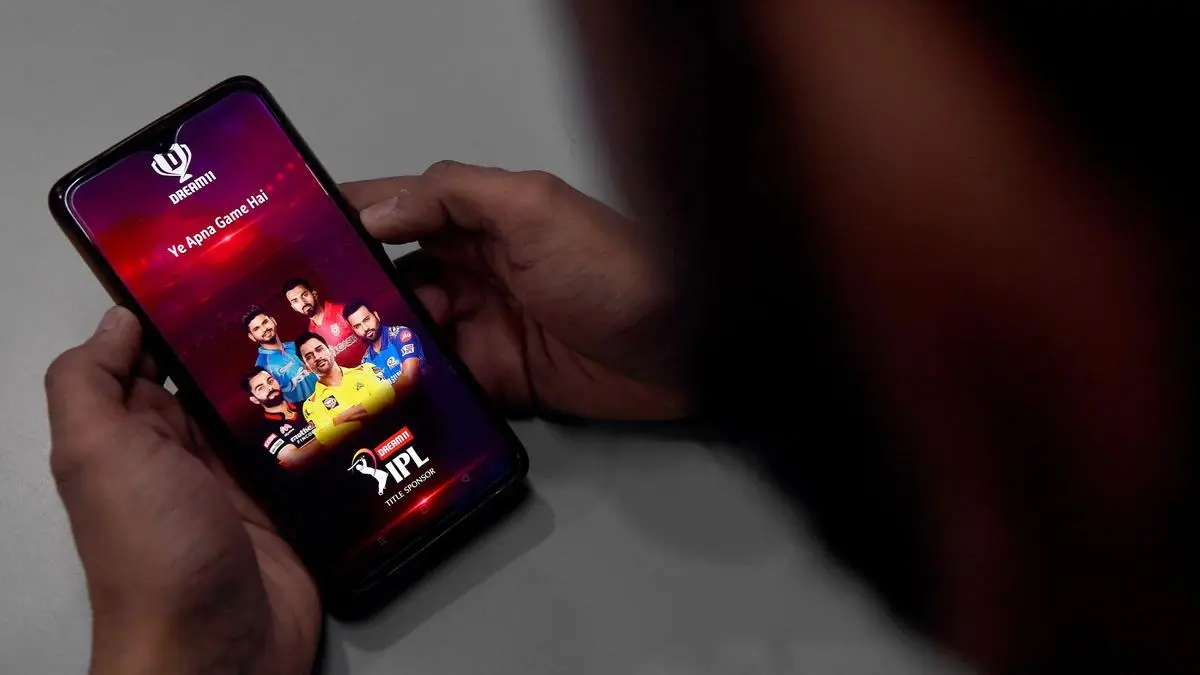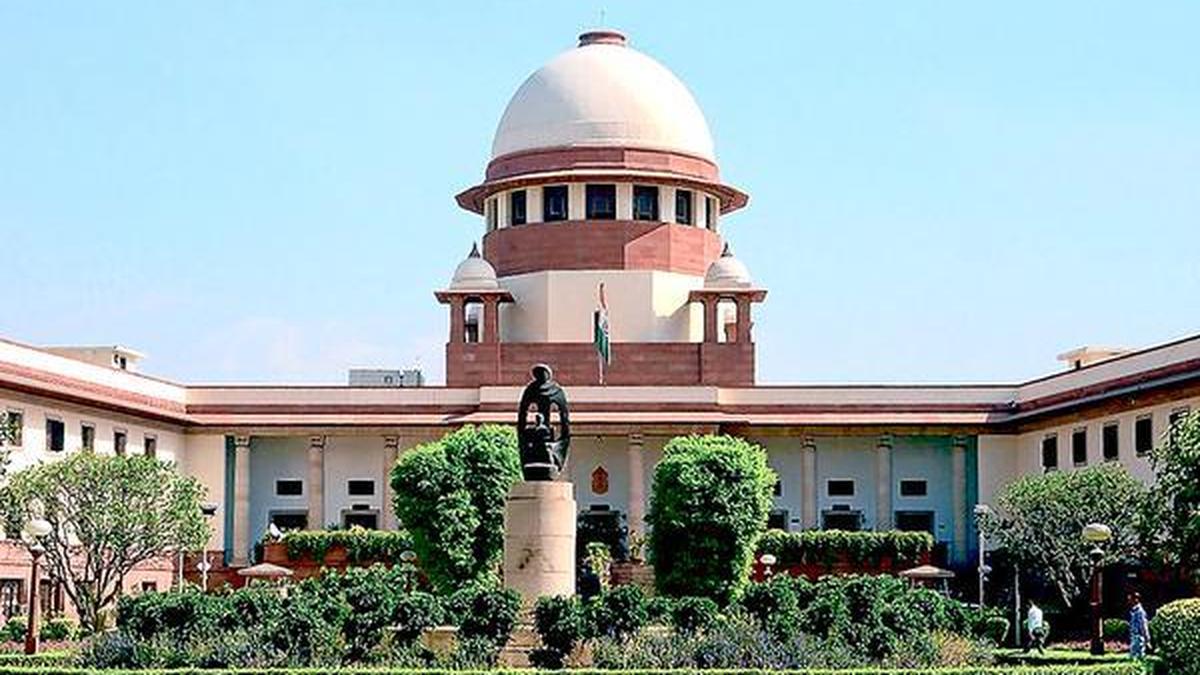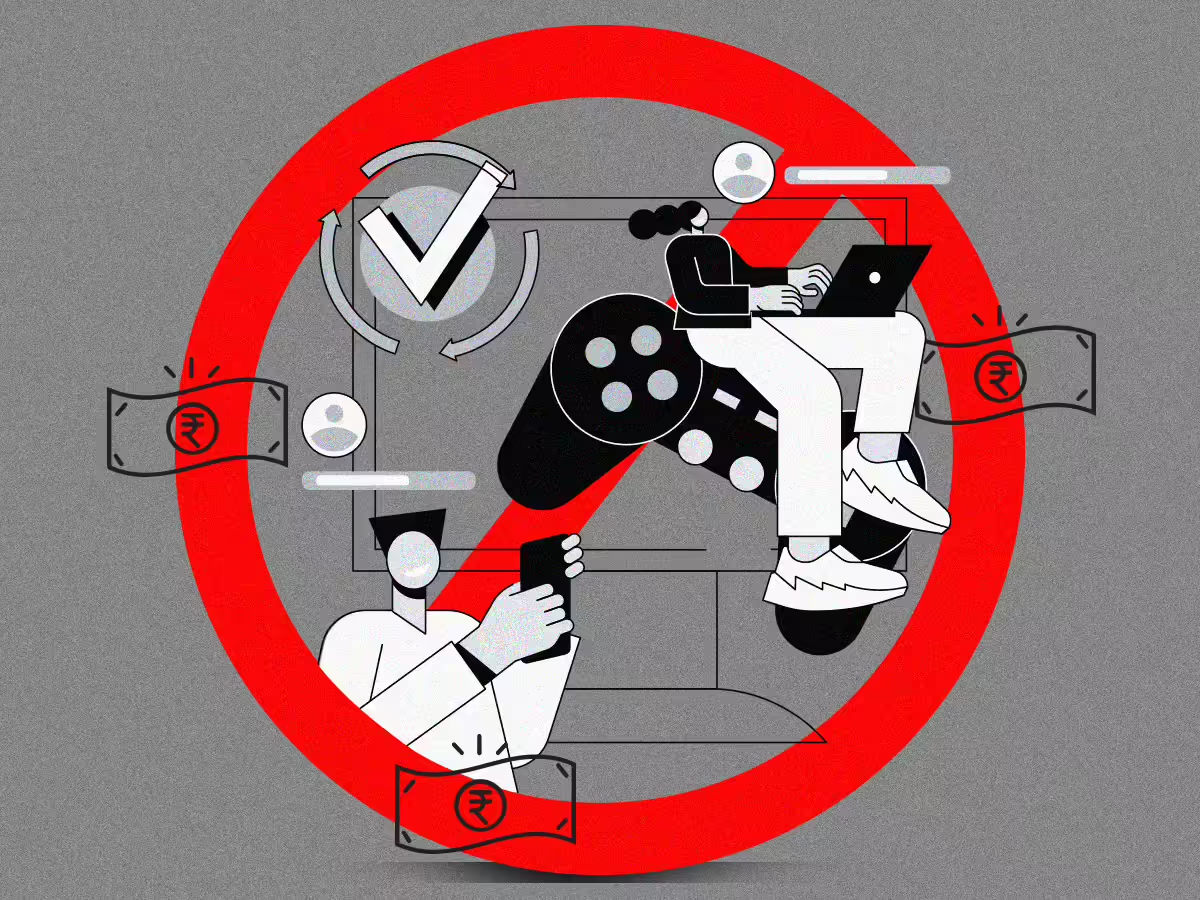
The Supreme Court ruling upholding the 28% retrospective goods and services tax on real-money gaming (RMG) platforms may push several online gaming companies towards insolvency, industry executives said, even as companies are considering legal options.The GST demand of Rs 92,000 crore on past transactions will also impact larger players such as Dream11, Junglee Games and Mobile Premier League, which have been pivoting to different businesses following the blanket RMG ban introduced in August last year, executives said.“A lot of the smaller companies (including) soonicorns will eventually move into an insolvency stage,” a gaming industry executive said on the condition of anonymity. “A fresh start, which some companies attempted in the past few months, will be difficult.Dream11 parent company Dream Sports recast itself as a “second screen sports platform” in December and launched stockbroking platform DreamStreet this month. Similarly, gaming platform Winzo entered the US market and launched a short video feature called ZO TV soon after the RMG ban.“The GST ruling will make the survival of these companies very difficult because the demand exceeds what most of these companies have in their bank,” said an investor in a popular gaming company, who wished to remain anonymous.For instance, Dream11, the industry's largest player, had a Rs 557.7 crore cash balance as of FY25 and Gameskraft 252 crore in bank by the end of FY25. Dream Sports and Gameskraft reportedly have GST notices of least Rs 25,000 crore and Rs 21,000 crore, repectively.“Major real-money gaming operators such as Gameskraft, Dream11, Mobile Premier League (MPL), Games24x7, Junglee Games, Delta Corp and others are likely to feel the immediate impact of the ruling, whether through ongoing tax disputes, business-model recalibration, investor scrutiny, or future compliance costs,” said Sivakumar Ramjee, executive director - indirect tax at professional services firm Nangia Global.The Supreme Court in its ruling on Wednesday stated that these companies are not mere intermediaries and must pay 28% GST on their gross gaming revenue, or the full face value of bets placed on the platforms, instead of the platform fee.The court also rejected the industry’s contention that the GST should apply only from October 2023 when the GST Council approved the tax rate, agreeing with the government that the GST amendments were clarificatory.Ajay Rotti, founder of Bengaluru-based tax advisory firm TaxCompaas, said, “Some companies looked for a different business model and pivoted before this rule came into force, but it will be difficult to sustain the 28% GST in the long run, which the industry has been protesting against for a while.”Liabilities negotiationsWednesday’s ruling doesn’t mean that companies must pay the taxes immediately and they have the option to challenge it, lawyers said.“The SC ruling has not converted any show-cause notice into enforceable tax liabilities. Adjudication is still required and companies could challenge computation methodologies at this stage,” said Sudipta Bhattacharjee, partner at Khaitan & Co.According to industry experts and lawyers, while options remain open to review the order before a larger bench and challenge computation methodologies at the adjudication stage, any delay will increase the interest accrued on the tax and make the Rs 92,000 crore figure go up.“We need to ensure the adjudication process is followed and the department’s calculations are justified. But the longer this stretches, the larger the amount becomes,” an industry executive said.Another executive said, “There will be a flood of litigation as high courts are going to receive individual circulars. The tax demand did not come in a single day; it came through individual circulars, which will be taken up in terms of their validity.”
All bets are off as SC’s GST ruling squeezes RMG companies - The Economic Times
The GST demand of Rs 92,000 crore on past transactions will also impact larger players such as Dream11, Junglee Games and Mobile Premier League, which have been pivoting to different businesses following the blanket RMG ban introduced in August last year, executives said.
588 words~3 min read