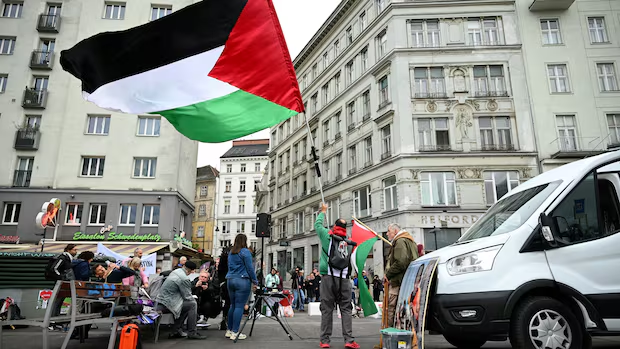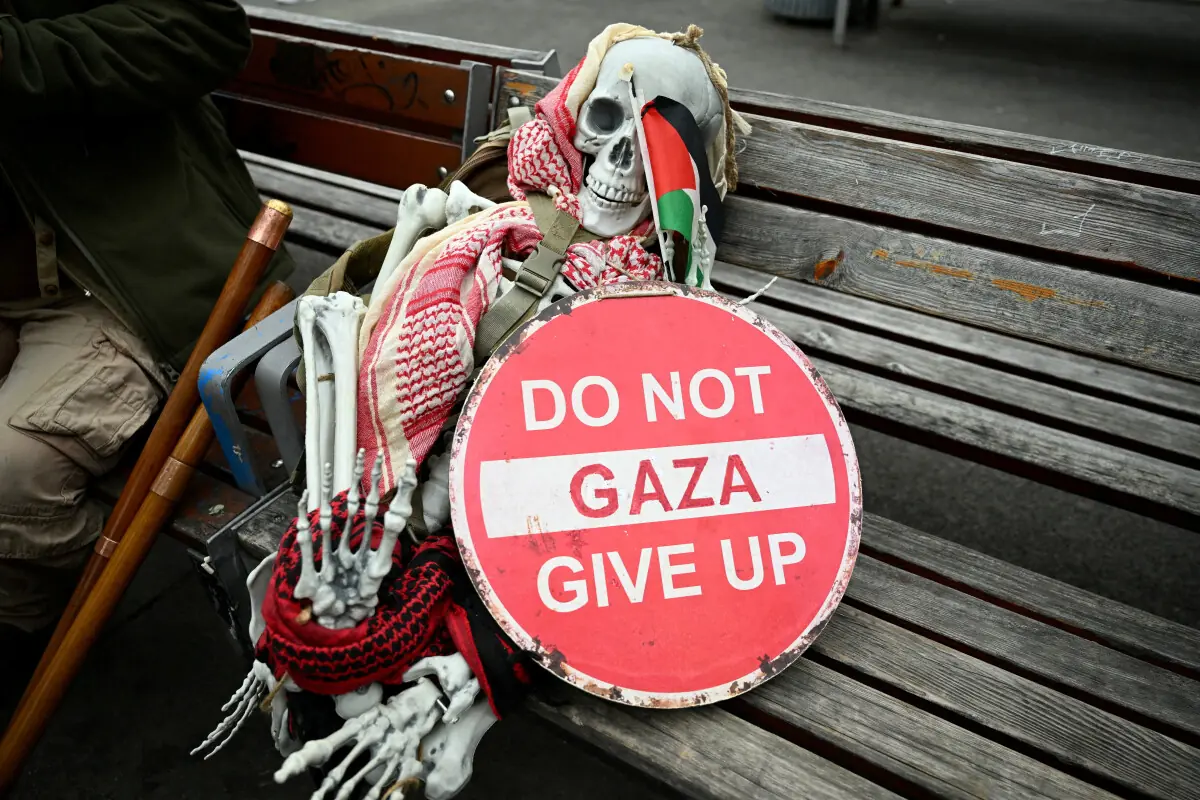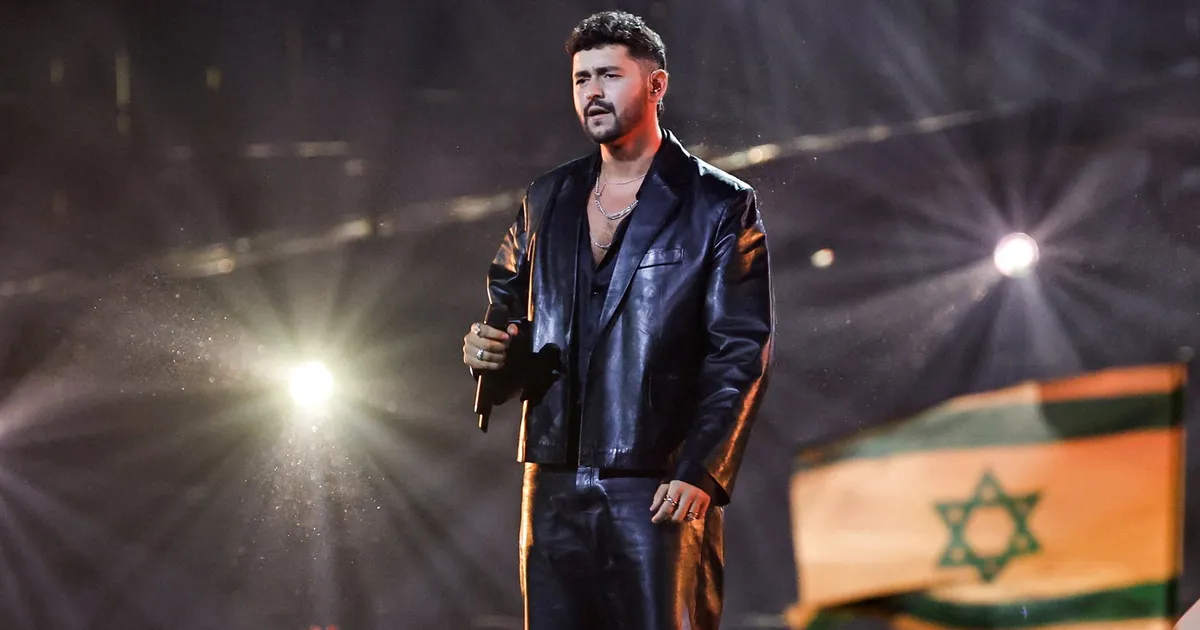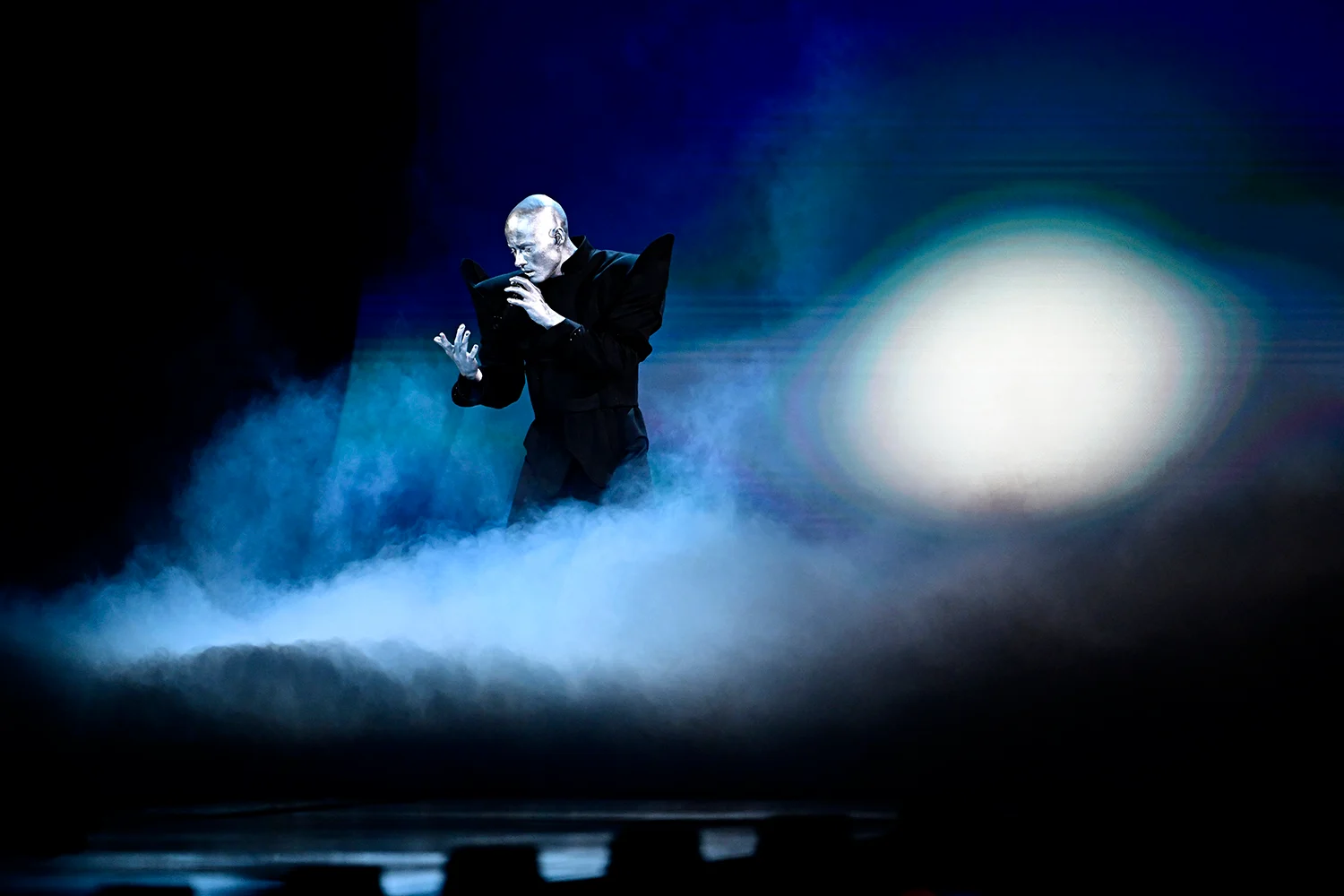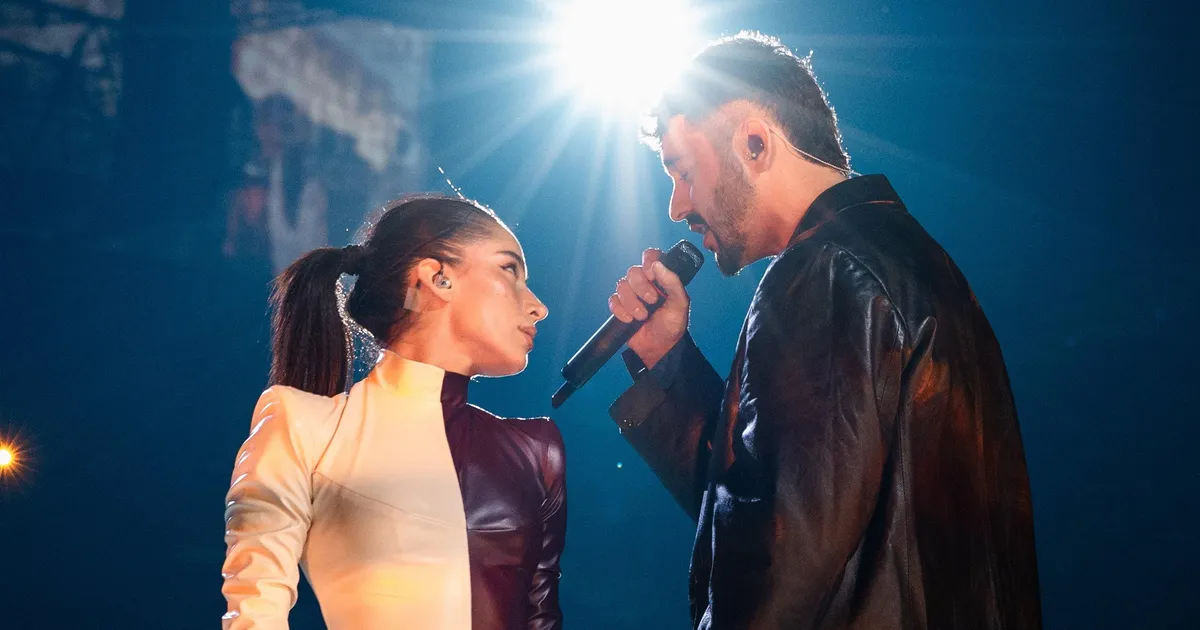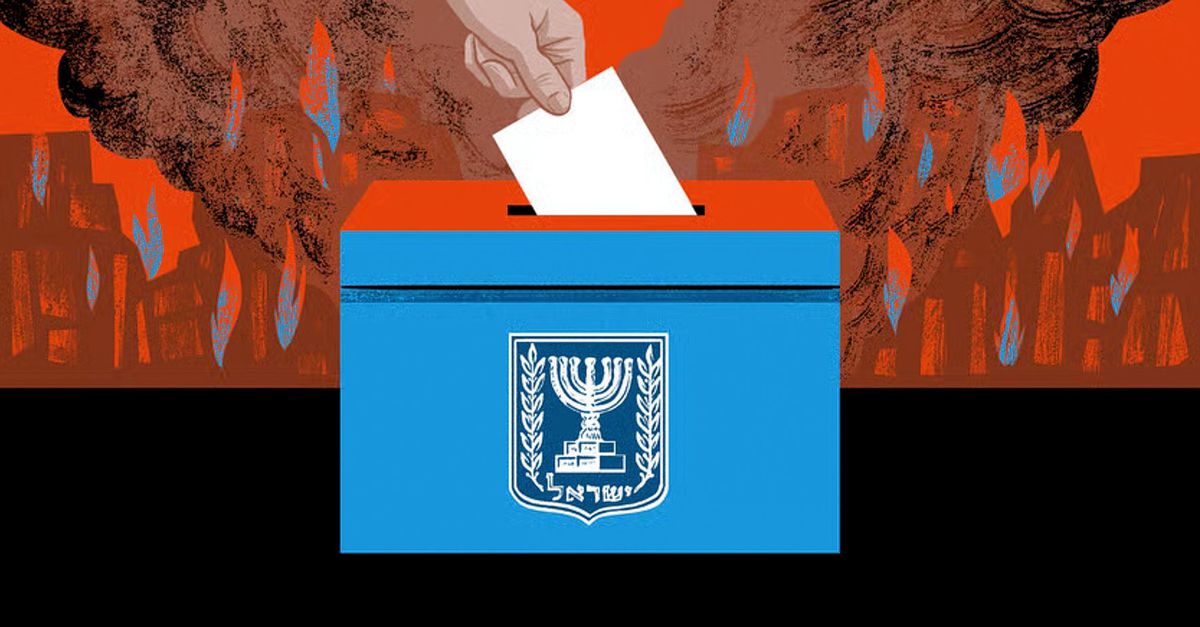
„Did you watch the Eurovision Song Contest last night?” asked the barber in a Jerusalem back street, razor in hand. Confessing that he had unaccountably failed to tune in, your columnist knew why the question was asked. Protest politics intruded on this year’s Eurovision—a contest cherished by fans for terrible songs, corny lyrics and bad-taste costumes—after Israel made it to the finals. Citing Israel’s iron-fisted military occupation of Gaza, five European countries boycotted the competition. Mingled boos and cheers greeted Israel’s second-place finish.
Israel’s isolation is not a frivolous matter. Increasingly its scientists report unexplained refusals when international research grants come up for renewal. Parents worry about youngsters being ostracised if they enrol at foreign universities, especially after completing national service in the Israel Defence Forces (IDF).
Boycotts do not intimidate Israel, though. Five days of interviews with serving and retired military officers, government officials and elected politicians reveal a country that still sees itself as fighting for survival in a dangerous neighbourhood. Such a nation can endure solitude. With a world-weary pride, an official quotes a Bible verse from the Book of Numbers, calling the Jews „a people that dwells alone; not reckoned among the nations”. Moreover, Israel is less alone than critics and enemies hope.