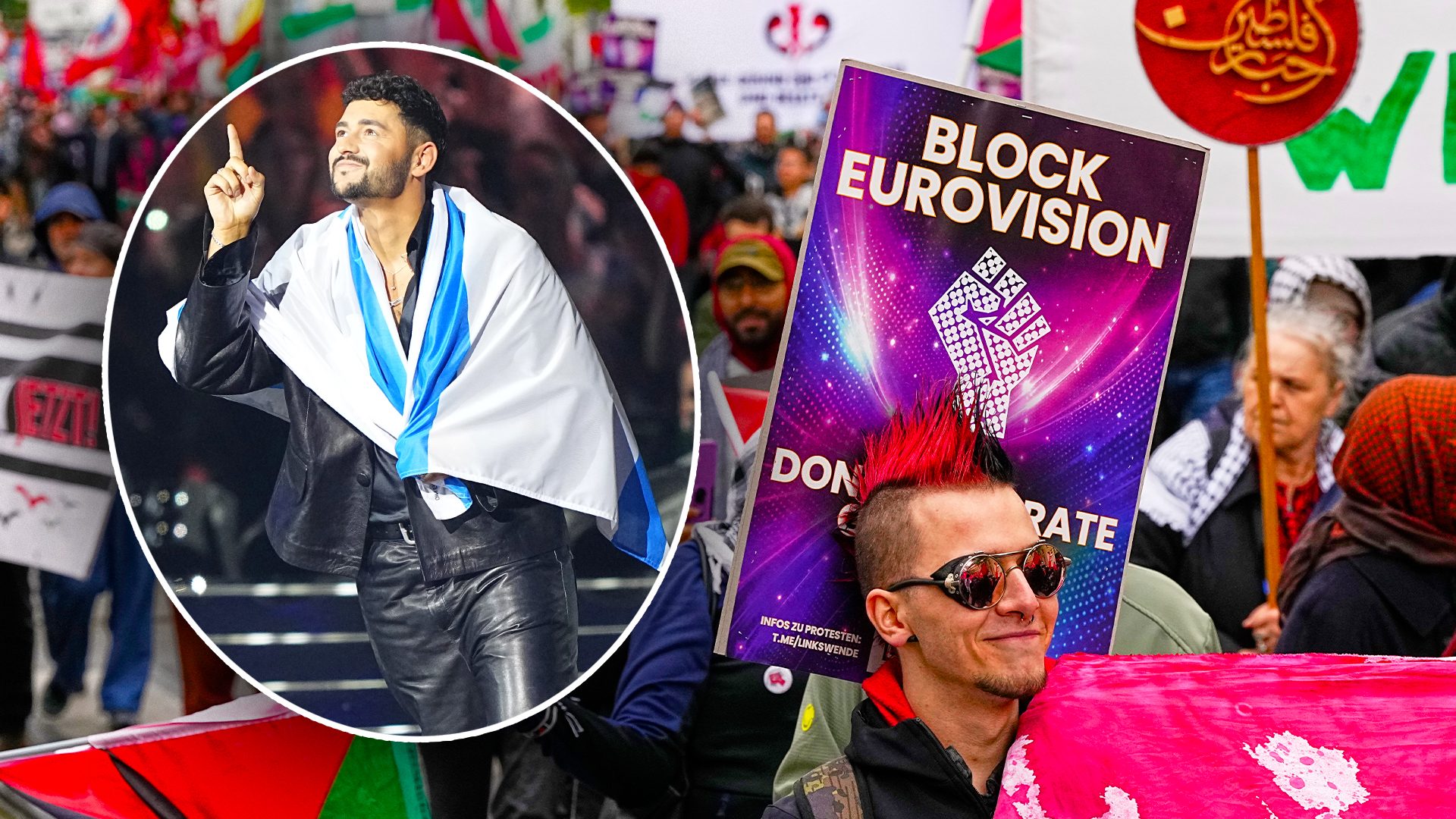
There’s a compelling explanation as to why Israel soared above the din of geopolitical protest to power into second place at last night’s Eurovision Song Contest. In short, it was a bloody good song.
Amid the habitual smorgasbord of dad dancing, gothic frightwigs and dud vocals – Moldova and Norway’s entries threatened tinnitus, and let’s not even plough the embarrassing depths of the UK’s ghastly contribution – Noam Bettan, Israel’s representative, was a colossus.
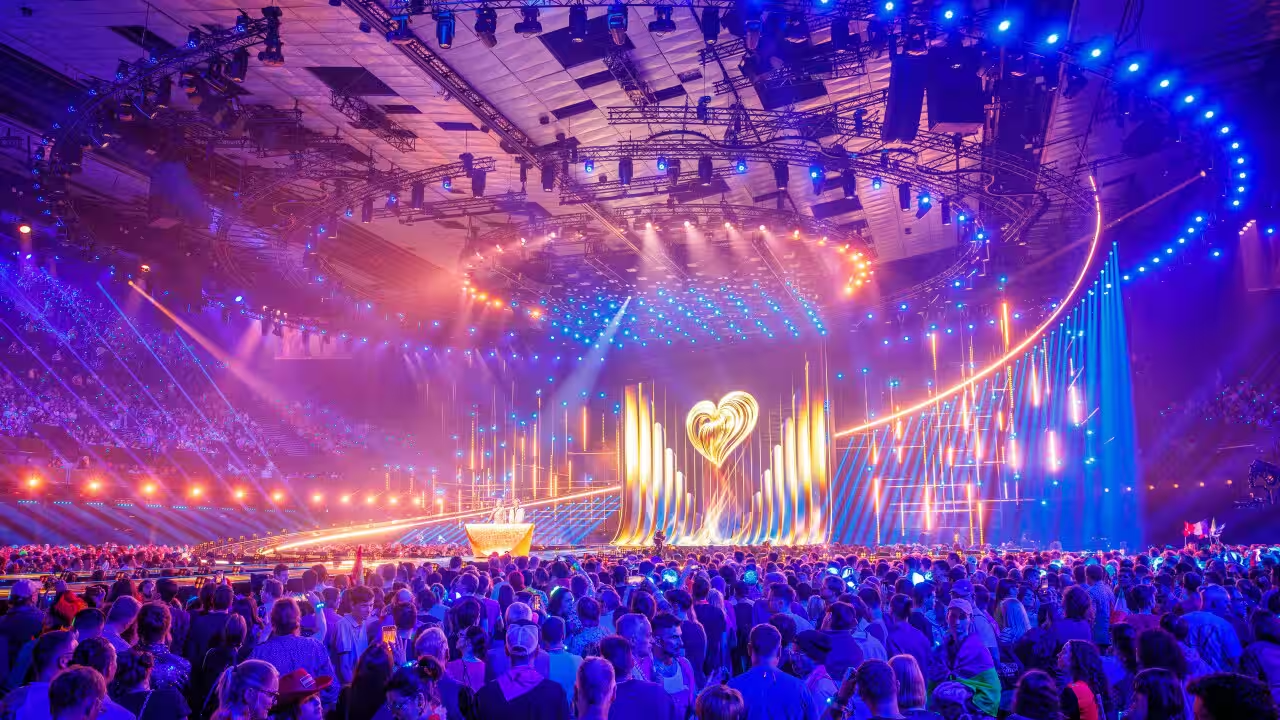
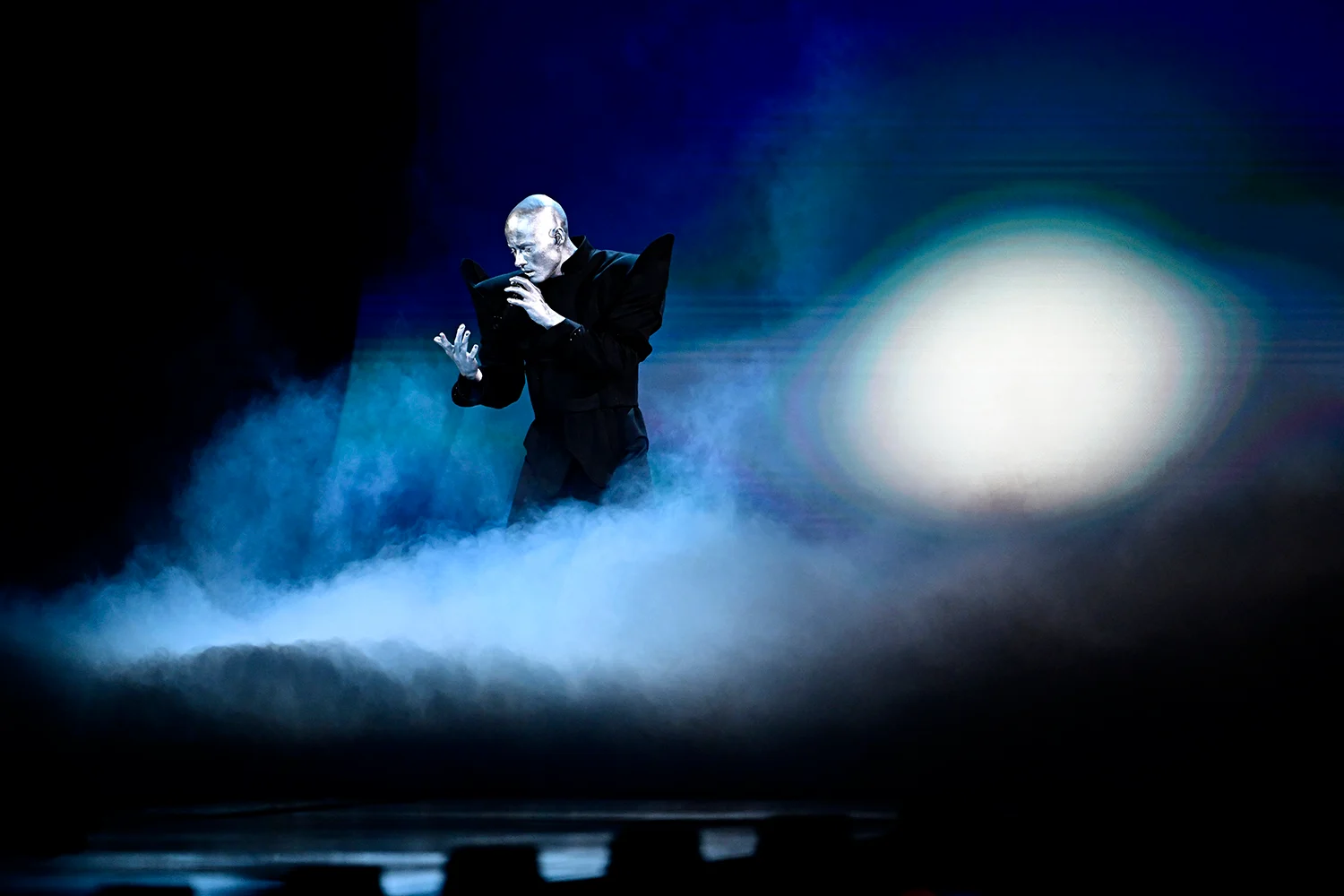
At the Wiener Stadthalle in Vienna, the 28-year-old singer delivered a sweeping performance of his trilingual entry ‘Michelle’, reminding audiences that, in a festival of kitsch and musical dross, the contest can occasionally throw up a genuine belter.
In a festival of kitsch and musical dross, the contest can occasionally throw up a genuine belter.
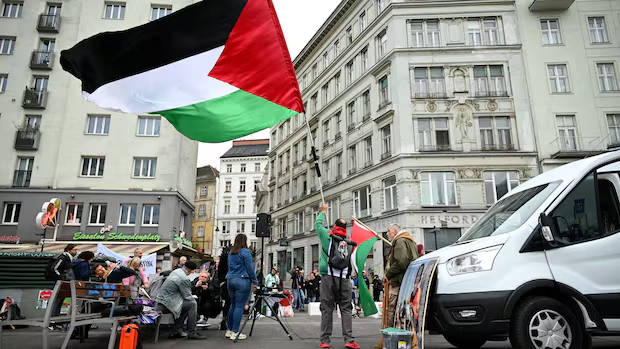
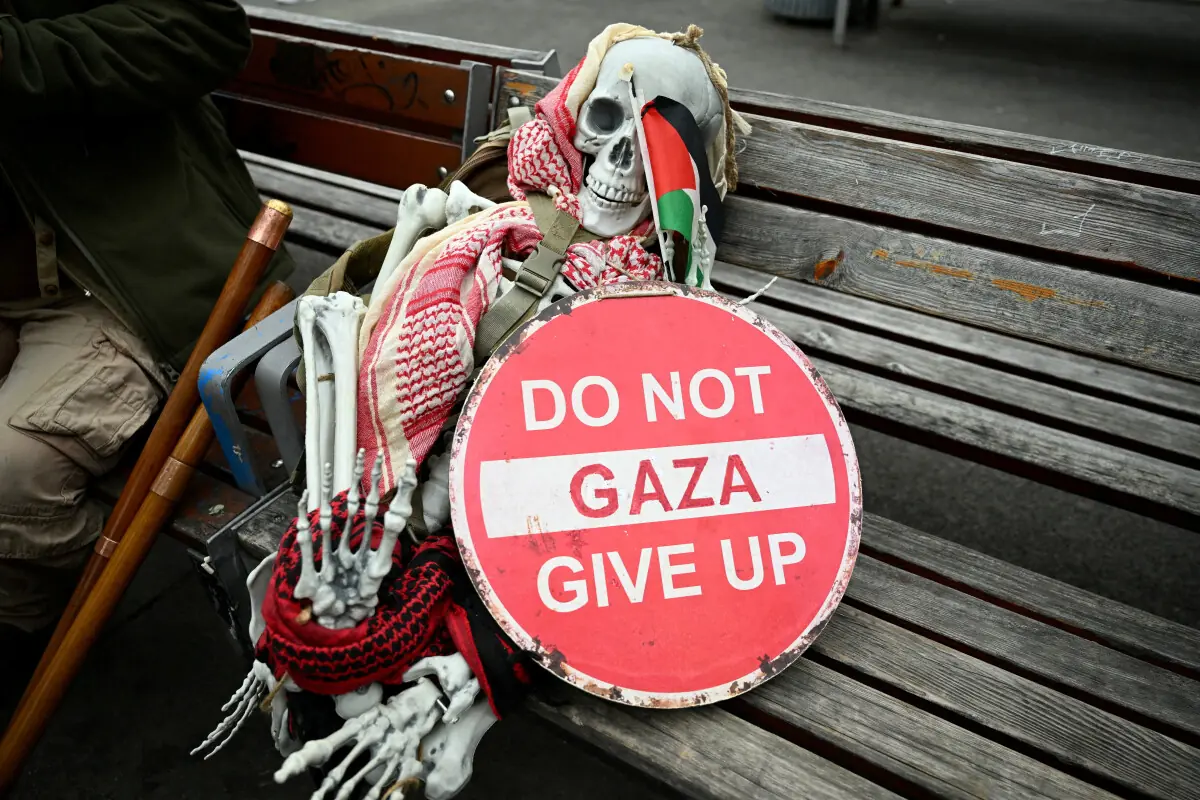
But given the voluble determination across the world to demonise Israel, as well as the poisonous march of anti-Semitism, last night’s result was also profoundly revealing – especially when viewed through the lens of one of the most controversial and incendiary contests in Eurovision’s 70-year history.