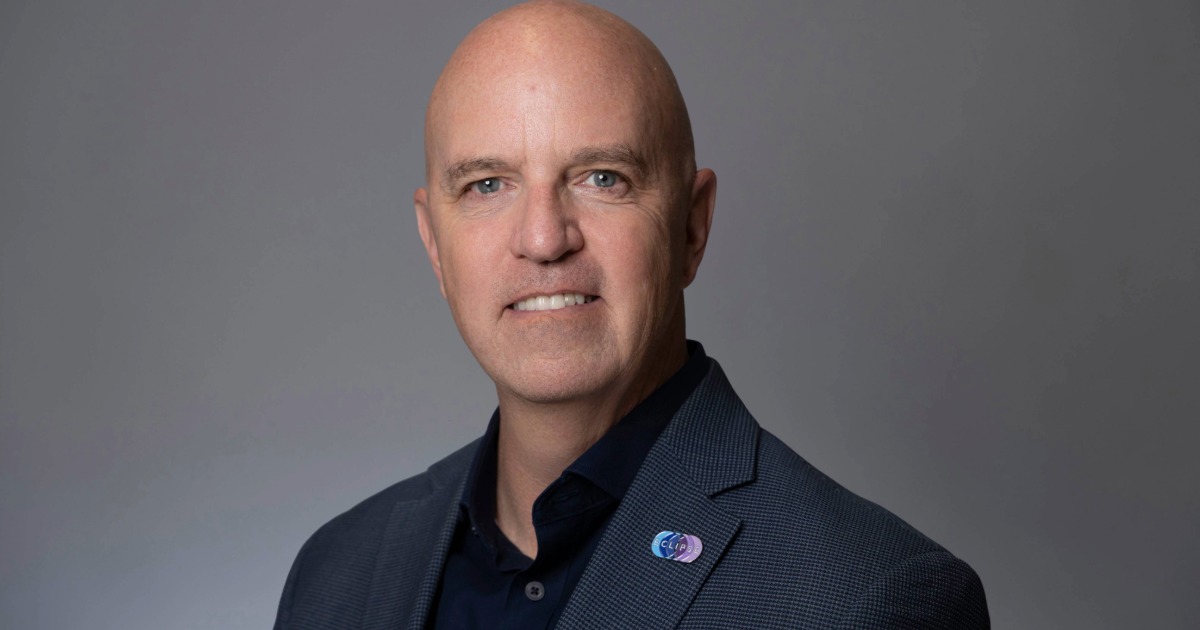
For Dave Lundal, the history of healthcare IT can be divided into three distinct chapters.The first was the age of hospital information systems and dumb terminals, when healthcare organizations relied on limited computing power and rudimentary digital tools.The second was the electronic health record (EHR) era, a transformation that has reshaped healthcare operations over the past two decades.Now, Lundal believes the industry is entering something even bigger."We are at the beginning of a third era – the AI era," said Lundal, chief information officer at Children's Minnesota in Minneapolis.And unlike earlier waves of innovation, he argues, artificial intelligence has the potential to fundamentally alter nearly every aspect of healthcare delivery and administration."There have been many advancements over time that are beneficial – we've done good work," Lundal said. "But I believe the scale of impact and the transformation of AI will dwarf what we've seen so far."A fast-moving challengeHealth IT leaders are juggling no shortage of pressures, Lundal noted, from financial strain and staffing challenges to an increasingly complex regulatory environment.Still, AI stands apart."There are a myriad of issues to track in health IT these days: regulatory, talent, difficult finances, etc.," he said. "But the clear and predominant issue is AI."Part of the challenge, he explained, is the unprecedented speed of development. Unlike major EHR deployments – which are difficult but follow a more established roadmap – AI is evolving so rapidly that strategies can shift in a matter of months."We have an EHR implementation underway at our organization right now," he said. "This is a large and difficult project. Fundamentally, though, it is an execution issue. The path has been paved. AI is different."Lundal said health systems are being forced to think more broadly about infrastructure, adaptability and long-term strategy as new tools emerge at a relentless pace."AI represents a vast problem to solve," he said. "How do we bring this powerful technology into what we do every day?"Building for what comes nextAt Children's Minnesota, Lundal said one key focus is creating a technology architecture flexible enough to adapt as AI capabilities continue to mature."One example is we are in the process of moving our data warehouse to the cloud," he said.That type of foundational work, he added, is critical because today's cutting-edge capabilities may be outdated within a quarter."Beyond that, it is advancing so quickly that jumping forward one quarter could bring game-changing advancements," he said.Lundal believes health systems cannot afford to wait for the market to settle before preparing their organizations for AI-driven change.Instead, executives and IT leaders should actively educate themselves on the technology while simultaneously establishing governance and strategic direction, he added.Learning AI by using itLundal said healthcare executives must become direct users of AI tools if they hope to lead effectively through the transition."Part of the education is using AI," he said. "Using the technology is critical to understanding it. How can we guide and strategize if we don't understand it?"He said he spends significant time learning from books, podcasts, peer organizations and industries outside healthcare to better understand where AI is headed.At the same time, Children's Minnesota leadership is working collaboratively to define an organizational AI vision and governance structure.Lundal sees vision-setting as both strategic and practical."As a CIO, one of my key roles is allocating finite and precious resources toward setting the technology environment so we can achieve all of our operational and strategic goals as a health system," he said.A clear vision, he added, provides direction in a rapidly changing environment."We all know the Yogi Berra line, 'If you don't know where you're going, you may not get there,'" Lundal said. "A vision tells us where we are going."Responsible AIGovernance, meanwhile, may prove even more important as health systems begin deploying AI more aggressively.Lundal said many organizations are coalescing around the idea of "responsible AI," though definitions can vary."We all define for ourselves, but the common elements are ethical, safe, inclusive, equitable, and in compliance with all rules and regulations," he said.Without clear governance, he warned, organizations risk moving too quickly without sufficient safeguards."AI is happening so fast," Lundal said. "We must decide now how we set the conditions to ensure the outcomes we desire are what we get."HIMSS is hosting the one-day AI Executive Leadership Summit in Boston on June 24, 2026, followed by its AI in Healthcare Forum June 25-26. Register separately for the two events here and here.Follow Bill's health IT coverage on LinkedIn: Bill SiwickiEmail him: [email protected]Healthcare IT News is a HIMSS Media publication.WATCH NOW: As AI evolves, it needs new oversight layers
Beyond the EHR: Why one CIO believes AI will dwarf every prior health IT shift
Dave Lundal of Children's Minnesota says health systems must move quickly to build governance, vision and flexibility as artificial intelligence rapidly evolves.
757 words~3 min read