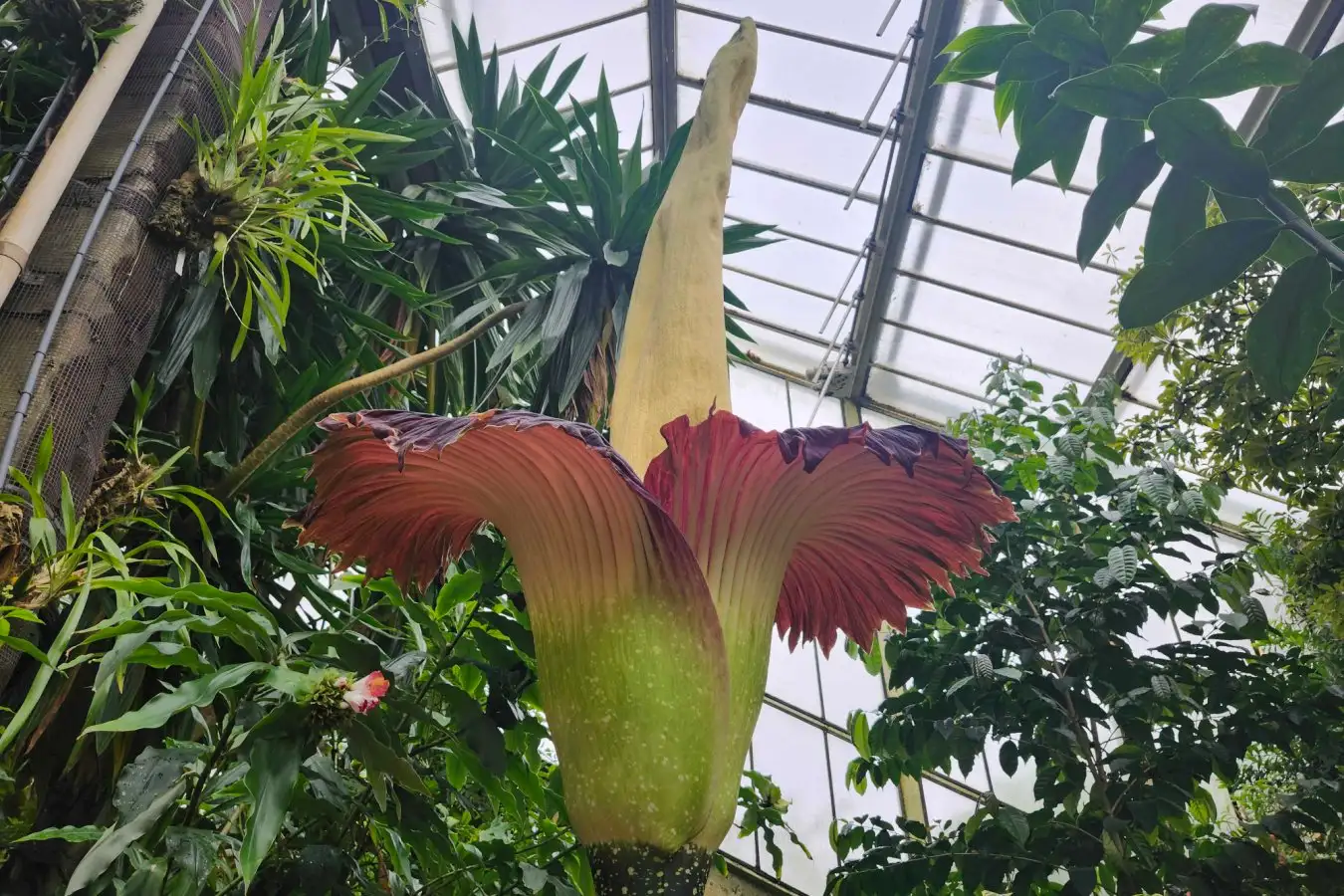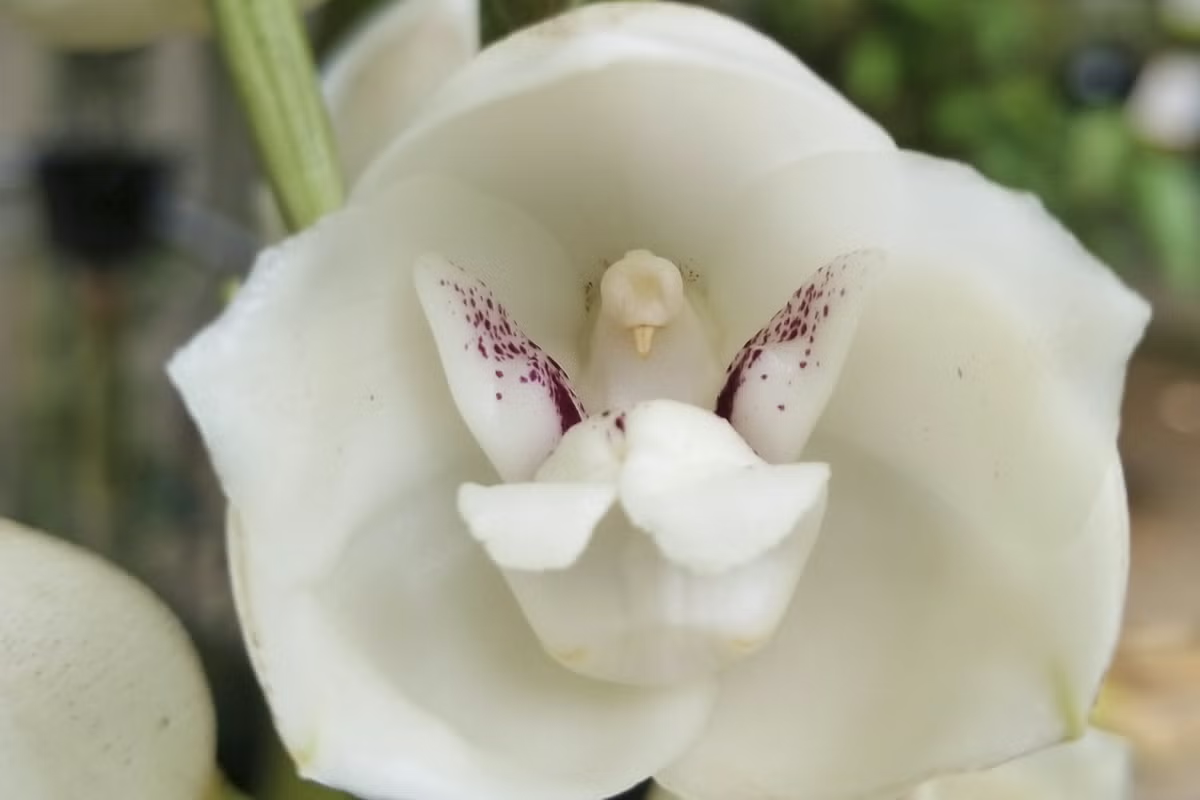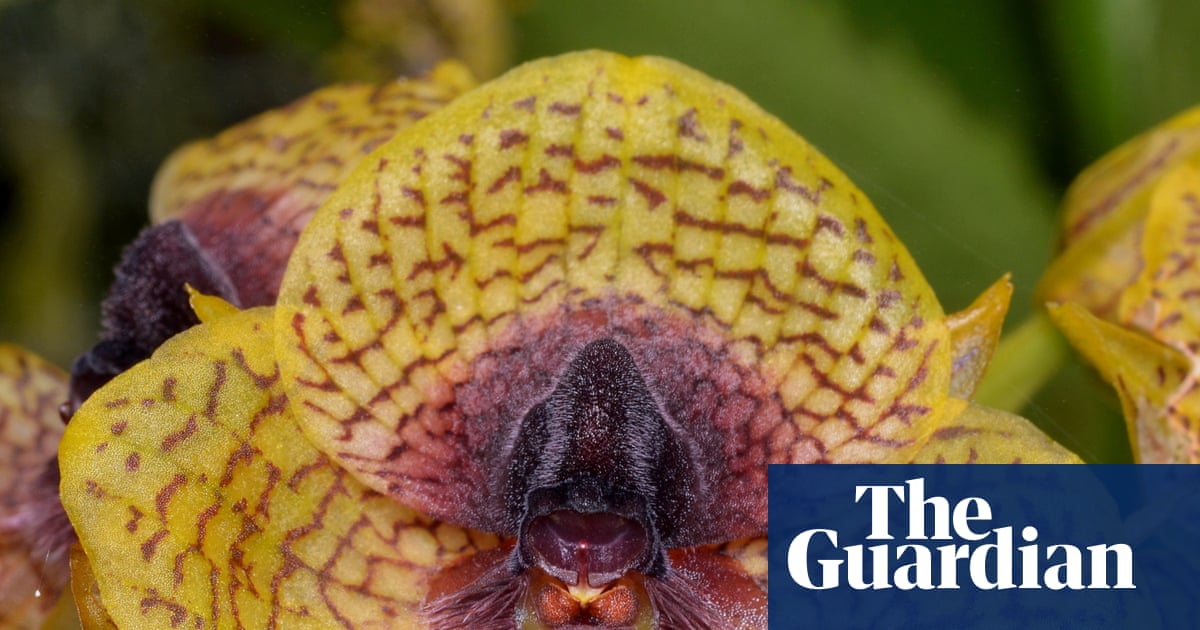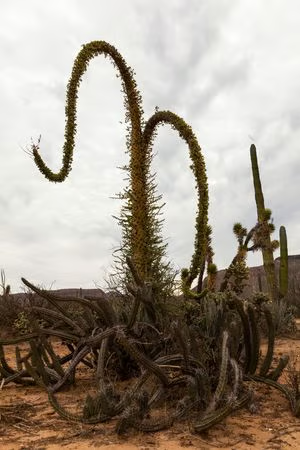
Plants occupy the background of human consciousness. They line streets, fill grocery stores, and sit quietly on windowsills — so familiar that most people stop noticing them. That familiarity is deceptive. The plant kingdom contains organisms so structurally bizarre, so chemically extreme, and so unlike anything in ordinary experience that they challenge the basic intuitions most people carry about what a living thing can be.
This is not a list of merely exotic species. Every entry here represents a genuine departure from the template — something that evolved a strategy so unusual, a form so alien, or a mechanism so counterintuitive that it reads more like invention than natural history. Some of these plants eat animals. Some look like rocks. One has been growing the same two leaves for more than a thousand years. One produces a seed so large it was once mistaken for a mythical undersea coconut. One causes pain so severe and so persistent that researchers who study it take extraordinary precautions before going anywhere near it.
The geographical range here is broad. These plants grow on every inhabited continent, from the Namib Desert to the cloud forests of Borneo, from the arid scrublands of Baja California to the rainforests of southeastern Australia. What they share is not geography but a quality of improbability — each one represents an evolutionary path so divergent from the ordinary that it seems to contradict what a plant should be.