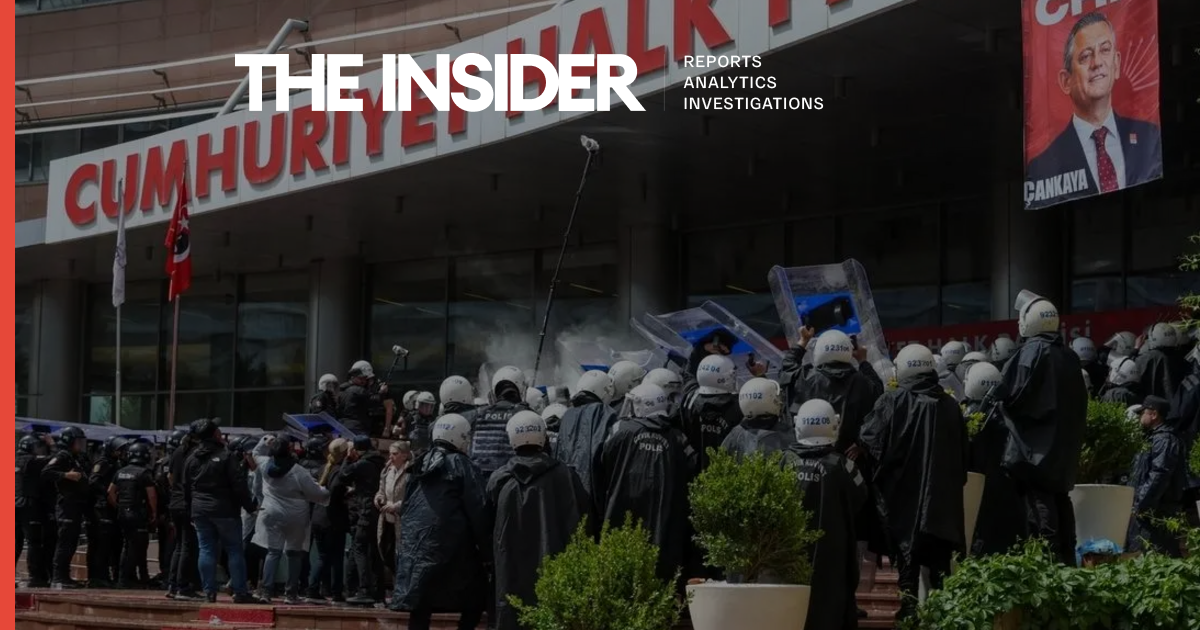
It has become almost a cliché to say that Turkey has crossed yet another authoritarian threshold. But the ruling by an Ankara appeals court on May 21 may prove to be genuinely different.
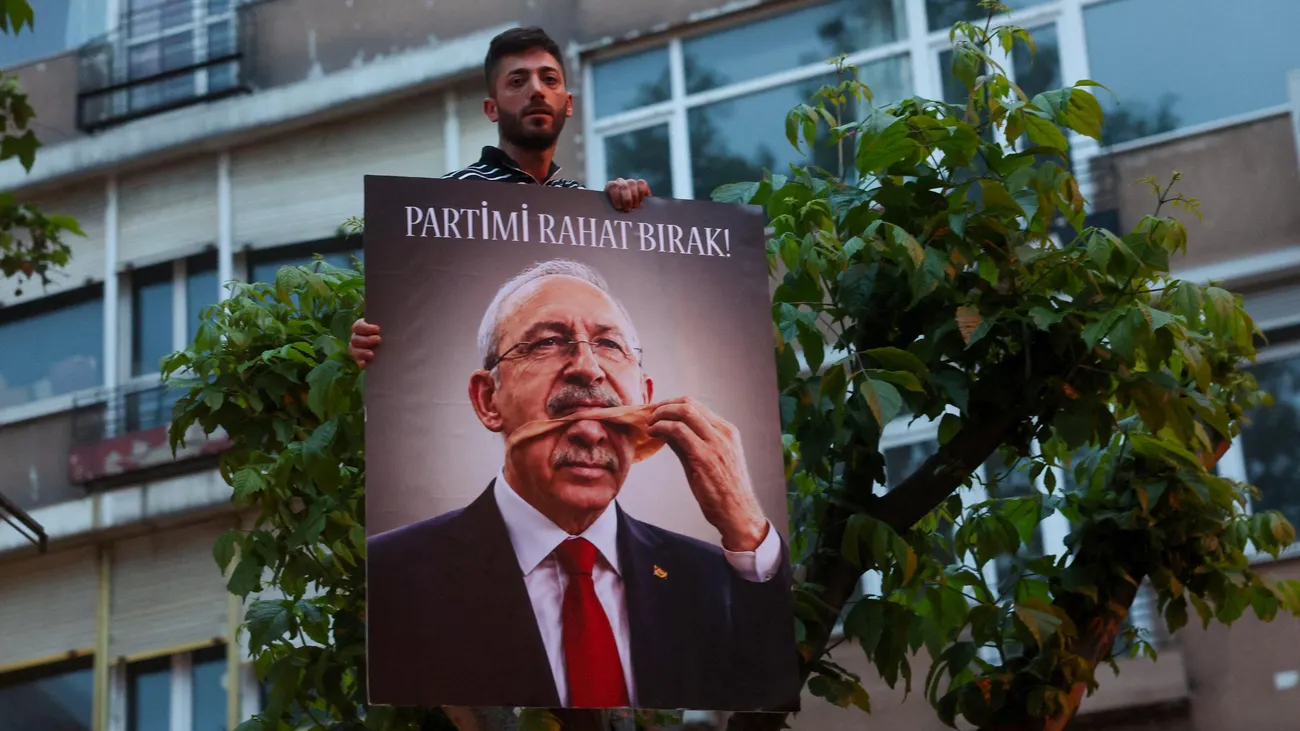
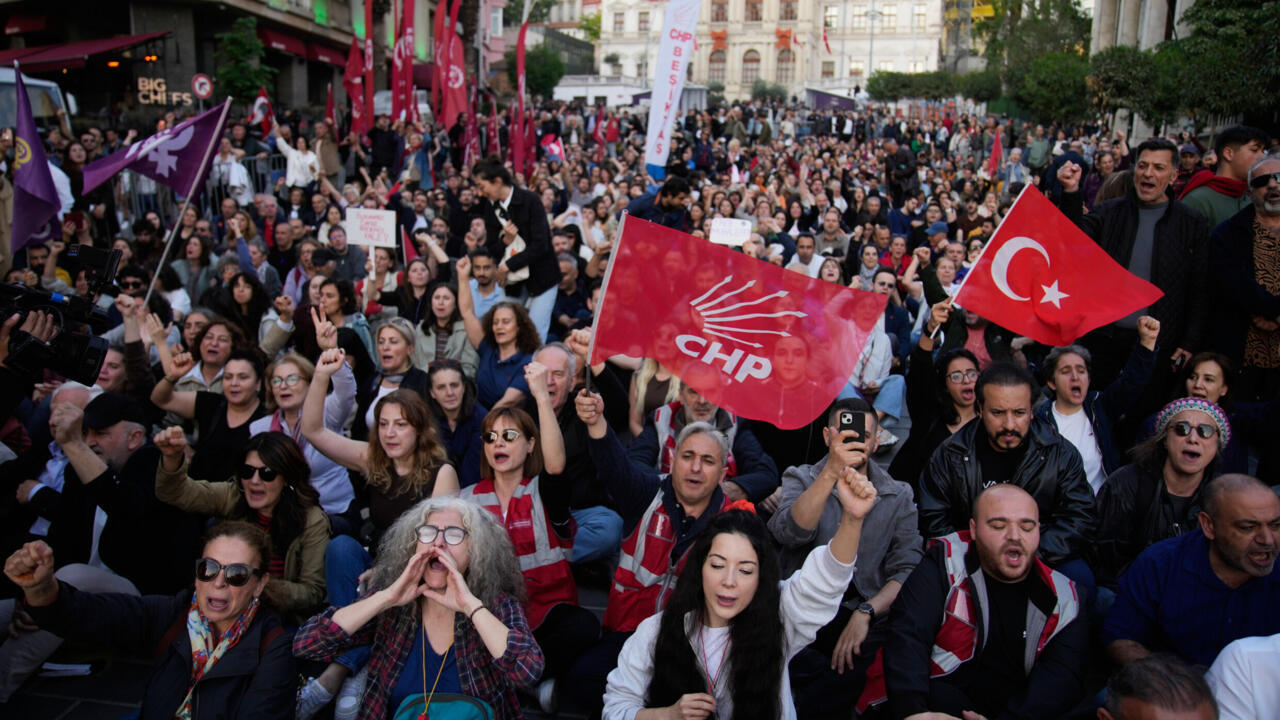
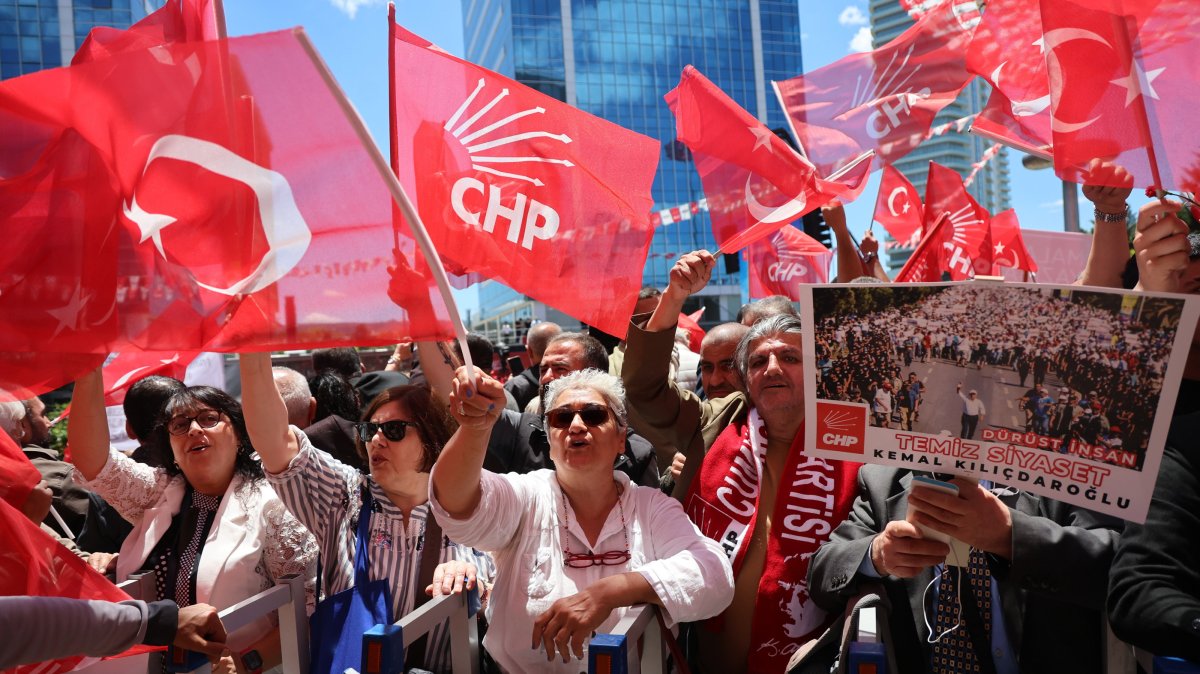
The court annulled the 2023 congress of the Republican People’s Party (CHP), Turkey’s main opposition. Citing alleged vote-buying among delegates, the judges suspended the party’s leadership and ordered the reinstatement of former leader Kemal Kilicdaroglu. Coming after the arrest of Istanbul Mayor Ekrem Imamoglu —the CHP’s presidential candidate for 2028—and months of mounting pressure on CHP-run municipalities, the decision marks another major escalation in the government’s campaign against the party.
The ruling itself exceeds the court’s legal authority. Yet what makes it significant is not simply that the state has intervened in the opposition, nor that the rule of law has been violated in the process. Turkey has a long history of judicial intervention in politics, including the closure of opposition parties, and the past decade alone has produced many rulings that strain or ignore constitutional limits.
What is new is the aim. Previous measures sought to weaken, intimidate, or remove opposition actors. This one seeks to reshape the opposition itself.