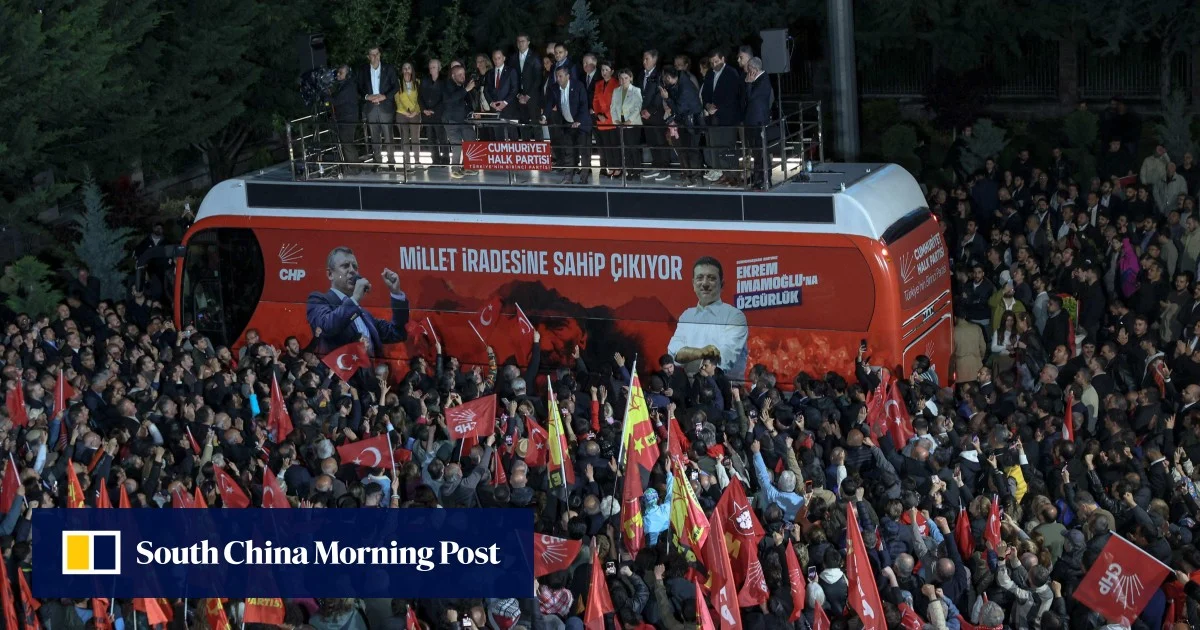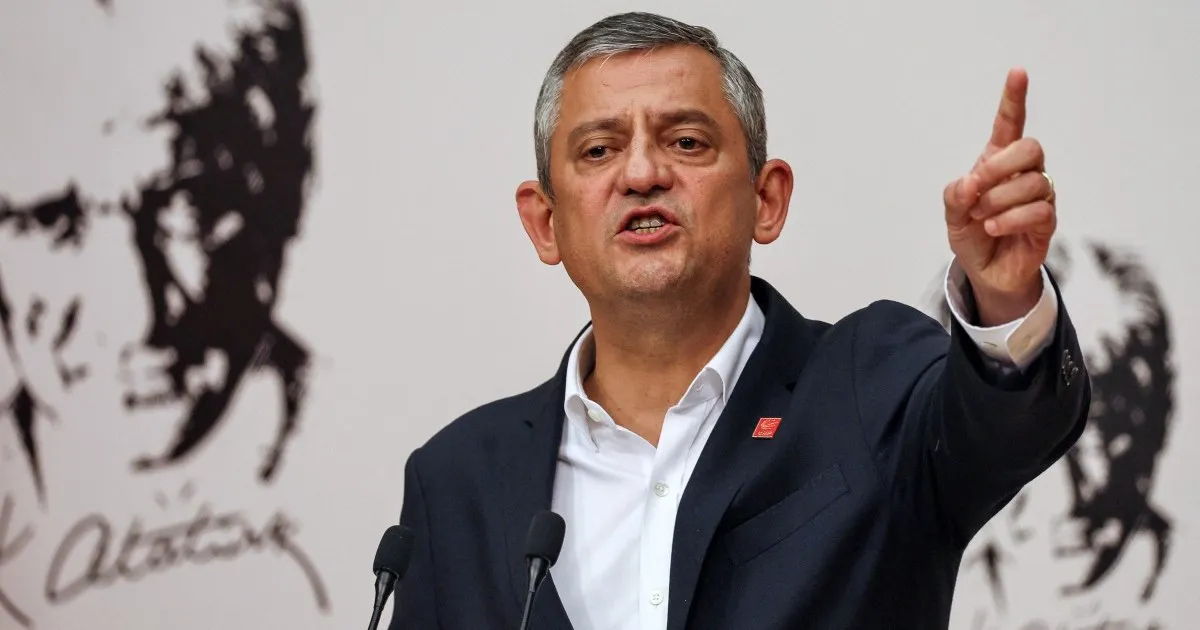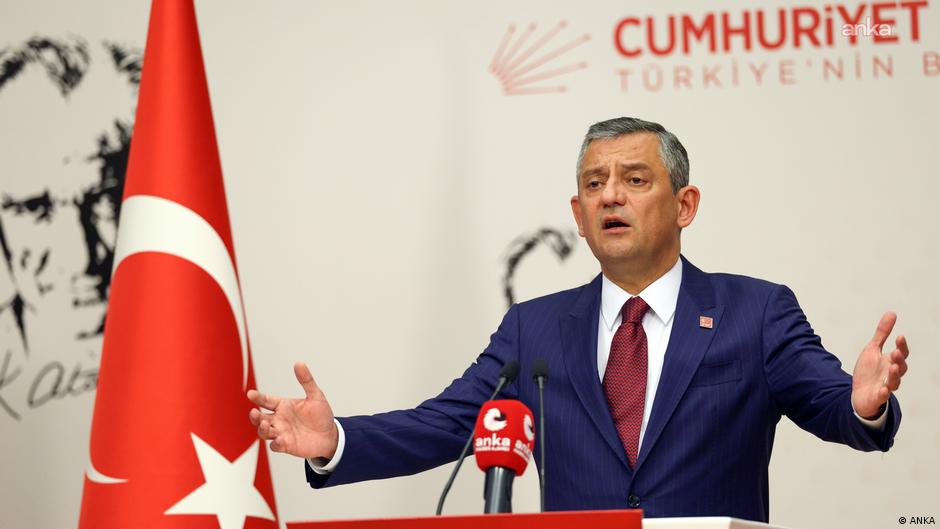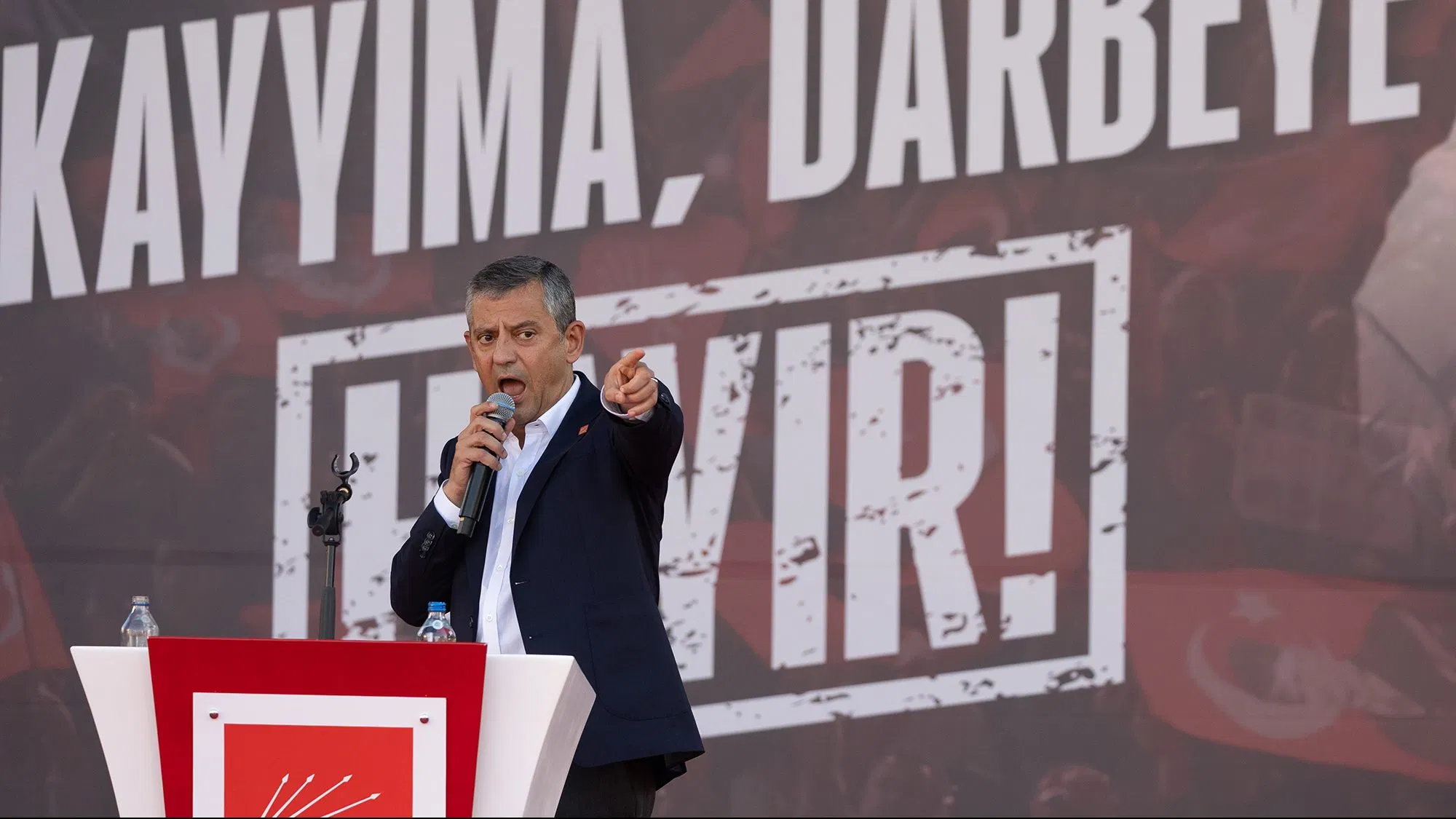
By Canan Sevgili and Mirac DereliMay 22 (Reuters) - A Turkish court annulled the main opposition party's 2023 congress, effectively ousting its leader Ozgur Ozel, in a ruling that has inflamed a political crisis, jolted financial markets and could prolong the 23-year rule of President Tayyip Erdogan.The decision comes against the backdrop of an extended crackdown that has seen the detention or jailing of hundreds of members of the opposition Republican People's Party (CHP) and several mayors.Here are some details on the crackdown:WHAT ARE THE REACTIONS SO FAR?The CHP condemned the appeals court ruling as a "judicial coup", with Ozel vowing to fight it through legal appeals and to personally remain "day and night" in his party's headquarters in the capital Ankara.Smaller opposition parties also criticised the ruling as anti-democratic, while Erdogan ally Devlet Bahceli suggested the judiciary should not intervene in internal party matters.Justice Minister Akin Gurlek said the court's decision demonstrated that democracy's self-correcting mechanisms and rule of law were functioning.The European Union raised concerns over the rule of law, judicial independence and democratic pluralism in Turkey, a candidate for EU membership, saying that opposition parties must be able to operate freely without fear of repression.The crisis rattled markets, sending the lira currency and other Turkish assets lower and prompting the central bank to sell billions of dollars in foreign reserves, though markets had stabilized on Friday.WHO ARE THE KEY FIGURES?Ozel was elected CHP chairman in a party congress in 2023, replacing Kemal Kilicdaroglu. He has led anti-Erdogan rallies since the arrest of Erdogan's main political rival, Istanbul Mayor Ekrem Imamoglu.The court ruling reinstated Kilicdaroglu as CHP leader. A divisive figure, Kilicdaroglu led the party for 13 years and lost the party chairmanship following his defeat to Erdogan in the 2023 presidential election.Imamoglu was jailed in March 2025 on graft and other charges ranging from espionage to terrorism, which he strongly denies. His university diploma was also annulled, rendering him ineligible under Turkish rules to run for the presidency.Erdogan has reached his term limit and can only run if an early election is called or if the constitution is amended. He currently lacks the 360 members in the 600-seat parliament to hold a referendum. The next presidential vote is set for 2028.WHAT HAS HAPPENED SO FAR?The crackdown dates back to October 31, 2024, when Ahmet Ozer, the CHP mayor of Istanbul's Esenyurt district, was jailed pending trial over alleged links to the outlawed Kurdistan Workers Party (PKK) militant group, before being released on November 12, 2025 with a ruling still pending.Hundreds of members and elected officials have been detained since 2024 on corruption and other charges, which the CHP denies. Imamoglu's arrest in March 2025 sparked a sharp market selloff and Turkey's largest protests in a decade.The CHP, other opposition parties, rights groups and some European leaders say the crackdown is a politically orchestrated attempt to muzzle dissent under Erdogan's increasingly authoritarian rule. The government denies such assertions, saying Turkey's judiciary is independent.Imamoglu, whose trial is continuing, faces additional accusations of espionage and of insulting chief prosecutor Gurlek, who earlier this year Erdogan appointed as justice minister.Gurlek has previously demanded a prison sentence of more than 2,000 years for Imamoglu, alleging that he led a vast corruption network that cost the state billions of lira, something the Istanbul mayor strongly denies. (Reporting by Canan Sevgili, Mirac Eren Dereli; Editing by Gareth Jones)
Factbox-Turkey court ruling adds to crackdown on main opposition CHP
By Canan Sevgili and Mirac DereliMay 22 (Reuters) - A Turkish court annulled the main opposition party's 2023 congress, effectively ousting its leader Ozgur Ozel, in a ruling that has inflamed a political crisis, jolted financial markets and could prolong the 23-year rule of President Tayyip Erdogan.The decision comes against the backdrop of an extended crackdown that has seen the detention or jailing of hundreds of members of the opposition Republican People's Party (CHP) and several mayors.Here are some details on the crackdown:
564 words~3 min read