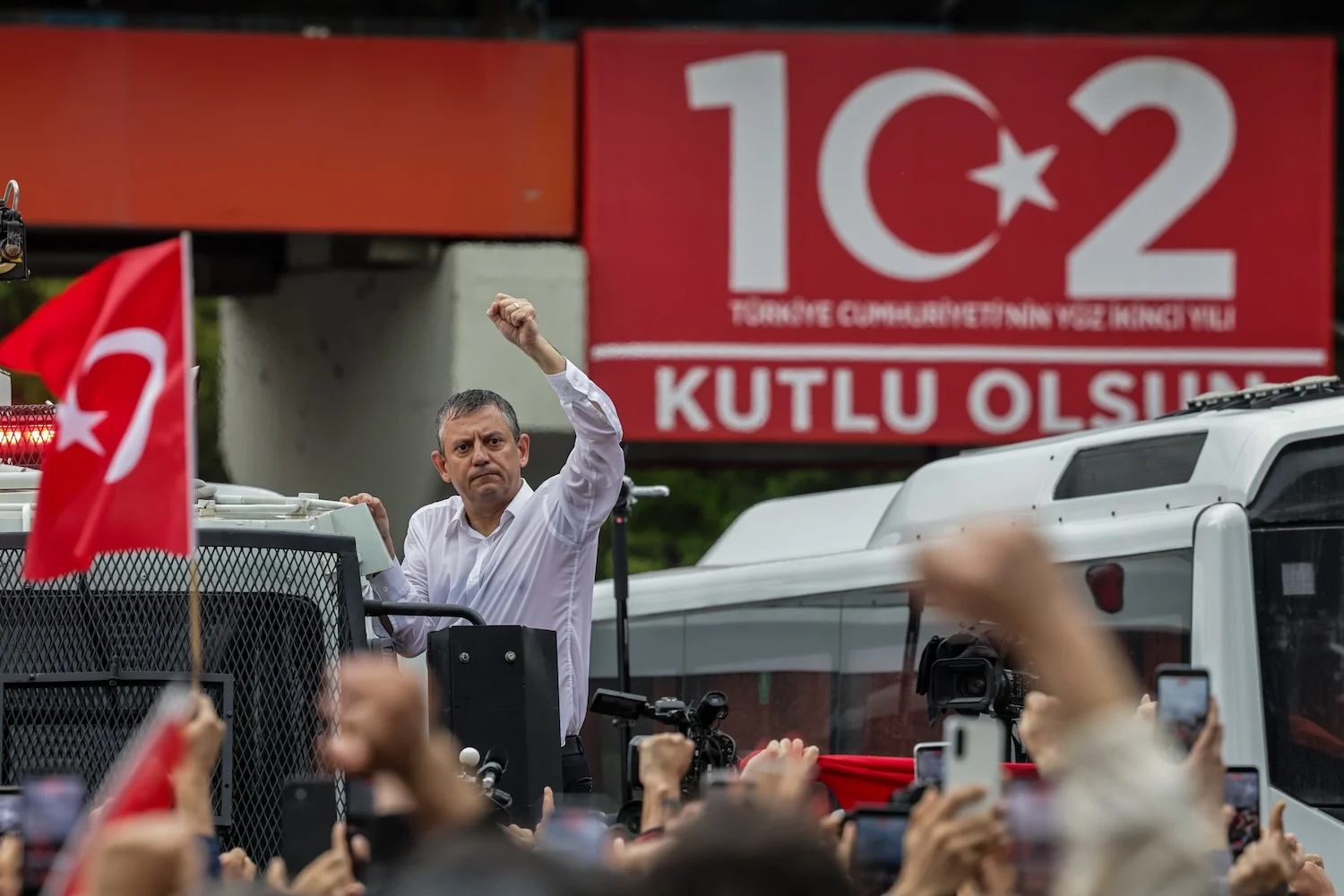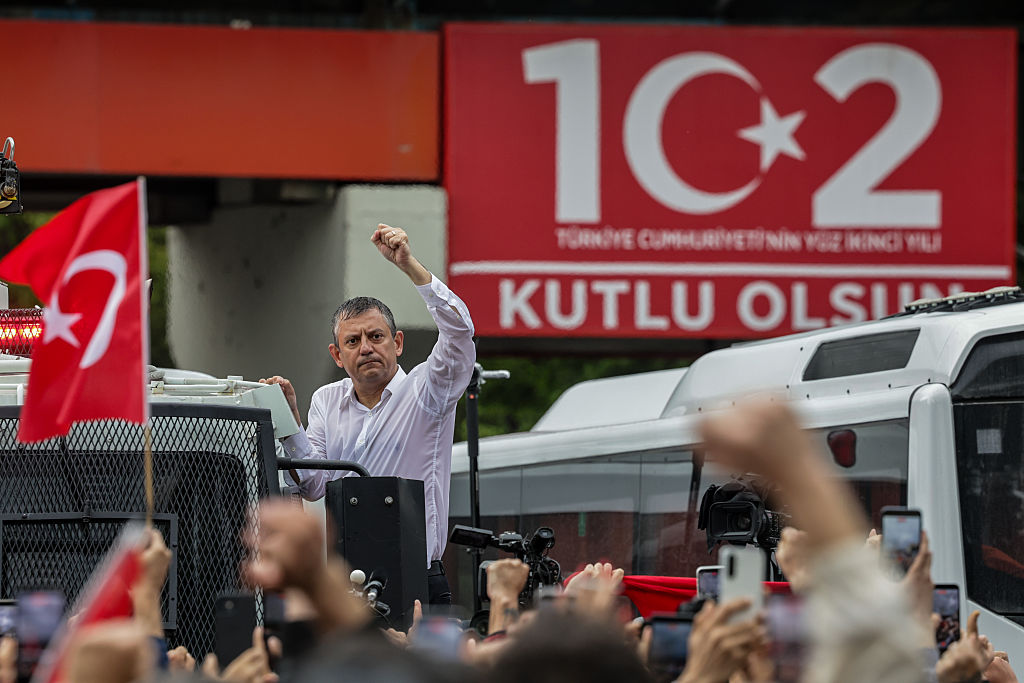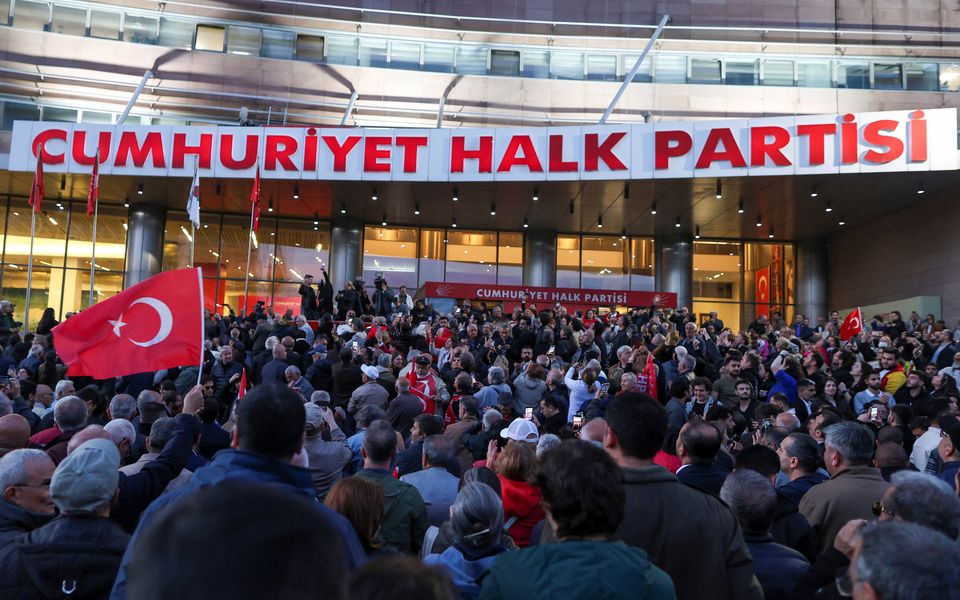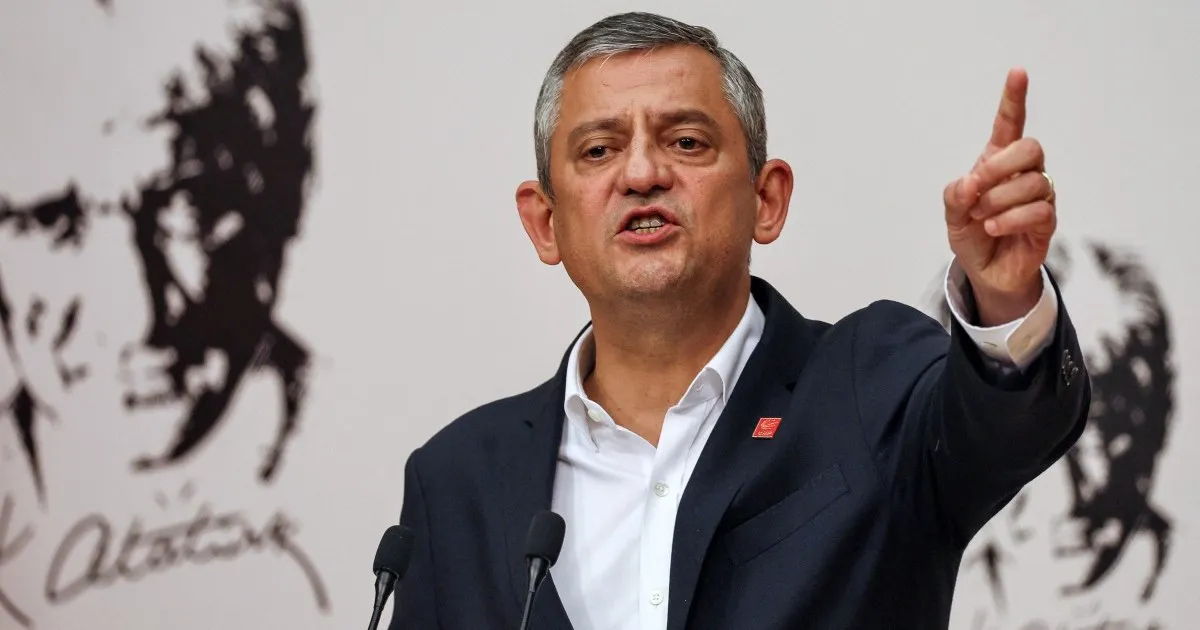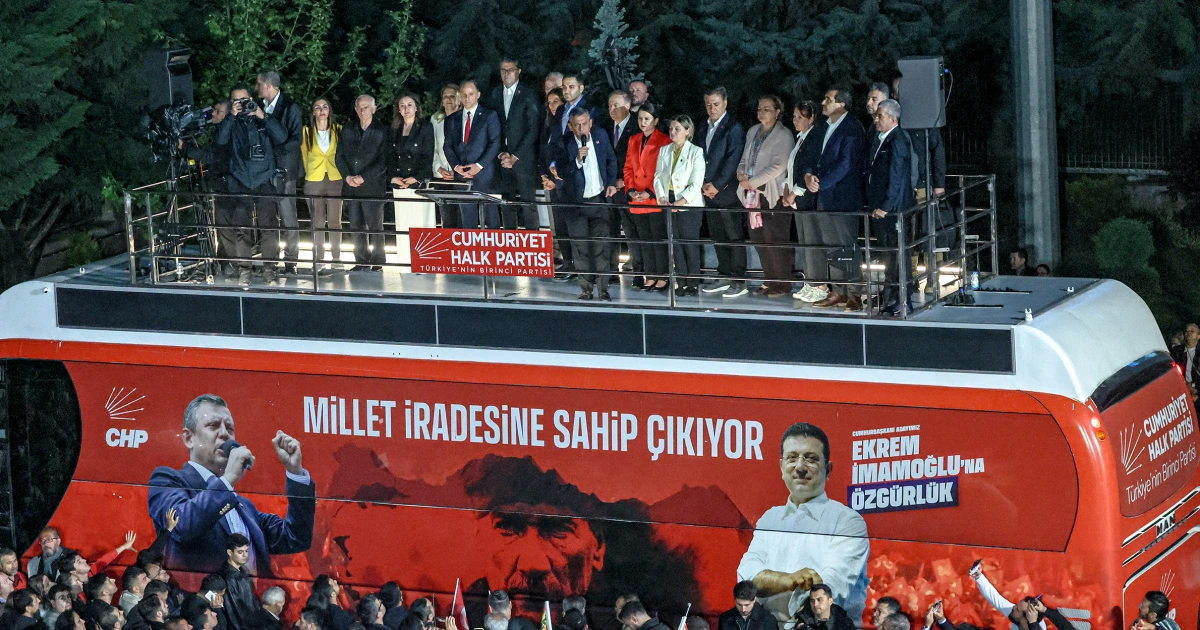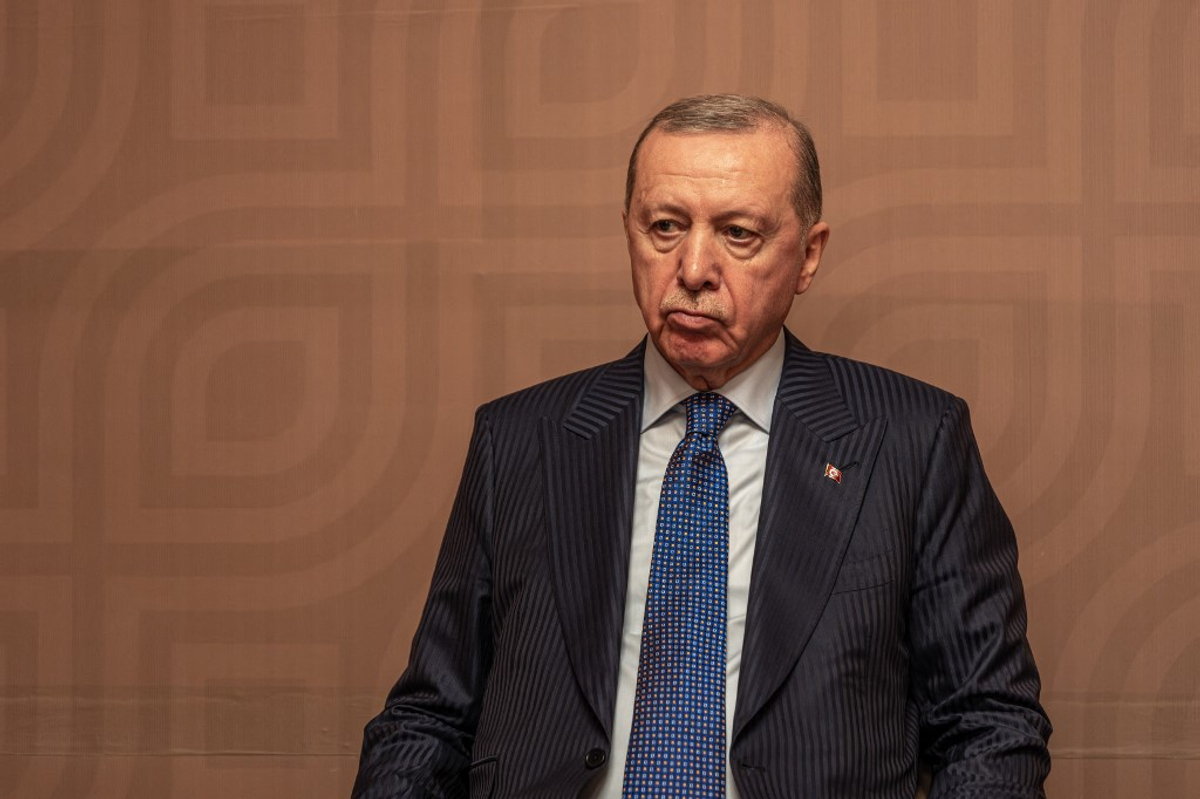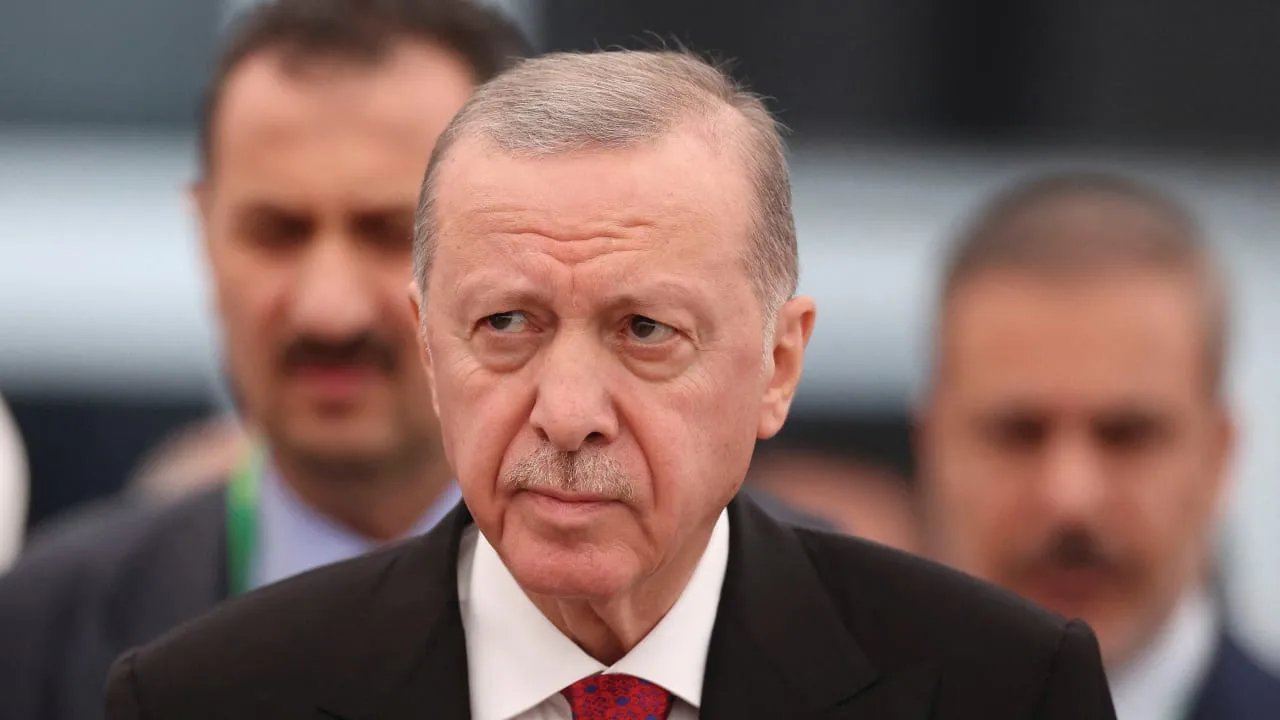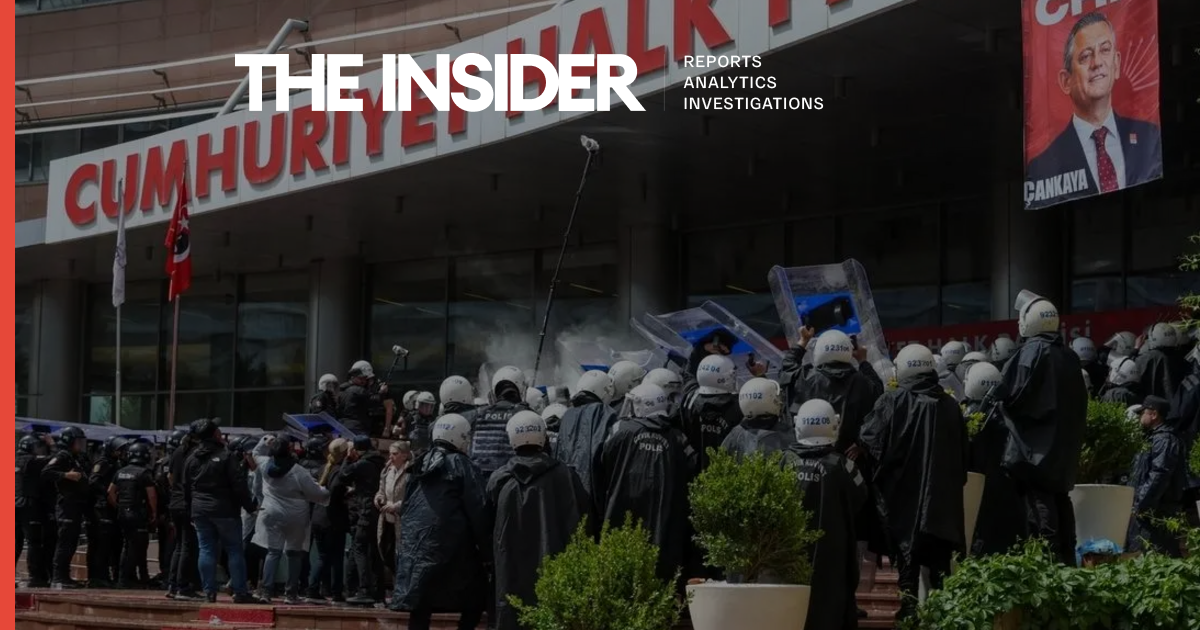
A Turkish court has imposed changes to the leadership of the Republican People’s Party, the country’s largest opposition force. But despite a police raid on its headquarters and attempts to overturn the results of internal party elections, the popularity of the Turkish opposition has only continued to grow. In response, a new wave of repression is being explained by Recep Tayyip Erdoğan’s fear of future elections.Contents1.From “managed” opposition to a political threat2.How government pressure strengthened opposition sentiment3.Crisis in the opposition party — a problem for the entire political systemOn May 21, an appeals court in Ankara declared the results of the congress of the Republican People’s Party (CHP), held all the way back in November of 2023, to be invalid. At that congress, the party’s current chairman, Özgür Özel, replaced Kemal Kılıçdaroğlu as leader of Turkey’s largest opposition movement.The court ordered the temporary removal of the “new” leadership and returned control of the party to Kılıçdaroğlu and his team pending a final ruling by Turkey’s Supreme Court. All party decisions and congresses held after November 2023 were also automatically declared invalid, effectively paralyzing the CHP’s operations.The following day, May 22, the court rejected an appeal filed by Özel’s team against the temporary removal of the party leadership. Ankara’s appellate chamber ruled that the earlier verdict was final in nature and could not be separately appealed.In response, Özel stated that there were now effectively two CHPs in Turkey: the “elected” one and the “appointed” one. After the rejection of his appeal, Özel and his supporters refused to leave the party’s central headquarters in Ankara, and a standoff between Özel’s team and the court-appointed leadership continued inside the building for several days.The situation escalated sharply after representatives of Kılıçdaroğlu appealed to the police to enforce the court ruling. On May 24, special forces stormed the party’s central office in Ankara, using tear gas and rubber bullets during the operation. Even within the CHP leadership “appointed” by the authorities, Kılıçdaroğlu’s actions triggered a strong backlash. Several lawmakers who had previously supported him publicly refused to join the new leadership after police were brought in to establish control over the headquarters.Part of the genuinely opposition-minded CHP base reacted even more harshly. During protests outside the party’s central office and in other cities across the country, demonstrators were heard shouting “traitor Kemal.” Videos also spread on social media showing protesters tearing up portraits of the reappointed party leader.For the first time since the military coup of September 1980, the CHP’s central headquarters was taken over by security forces. Moreover, the new CHP leadership headed by Kemal Kılıçdaroğlu used the police against members of its own party. For the Turkish opposition.From “managed” opposition to a political threatIt is clear that what is happening with the CHP goes far beyond an ordinary intra-party conflict. For a significant part of the Turkish opposition, the current crisis has signaled that President Recep Tayyip Erdoğan and the ruling Justice and Development Party (AKP) he heads are no longer confident that they can retain power in the next elections.The CHP had long been Turkey’s largest opposition party, but the authorities still did not view it as a genuine competitor. The party regularly criticized Erdoğan and maintained a strong presence in parliament and in the country’s largest cities, yet it consistently lost the key elections. During his 13 years as the head of the CHP, Kılıçdaroğlu failed to defeat Erdoğan in a single nationwide campaign.For Erdoğan and the AKP, this model was quite convenient. Turkey retained formal political competition, with the opposition taking part in elections and remaining a visible political force even as the authorities remained confident that they would ultimately maintain control over the system.The situation began to change after the 2019 municipal elections, when the CHP won the vote not only in Ankara but also in Istanbul. For Erdoğan, the defeat was especially painful: he had begun his own political career as mayor of Istanbul and repeatedly said that “whoever wins Istanbul wins Turkey.”Particularly painful for the authorities was the nature of CHP candidate Ekrem İmamoğlu’s victory. Initially, İmamoğlu narrowly defeated the ruling party’s candidate, former Prime Minister Binali Yıldırım, after which the AKP secured the annulment of the election results. However, the repeat vote turned into an even heavier defeat for Erdoğan, as İmamoğlu won by an even larger margin.From that moment on, İmamoğlu began transforming from a popular mayor into a politician of national stature. Unlike many CHP representatives, he managed to attract not only the party’s traditional secular electorate but also part of the country’s more religious and conservative voting base. His political style differed noticeably from that of the conventional secular opposition: less ideological, more flexible, and focused on building a broad anti-government coalition.Nevertheless, after the 2023 elections Erdoğan’s position still appeared stable. In the second round, he received 52.18% of the vote, while Kemal Kılıçdaroğlu, backed by an alliance of six opposition parties, won 47.82%.In the second round of the 2023 presidential election, Recep Tayyip Erdoğan won 52.18% of the vote, while Kemal Kılıçdaroğlu received 47.82%
Ersatz opposition: Turkey’s Erdoğan is trying to gain control over his chief political competitor
A Turkish court has imposed changes to the leadership of the Republican People’s Party, the country’s largest opposition force. But despite a police raid on…
2,420 words~11 min read