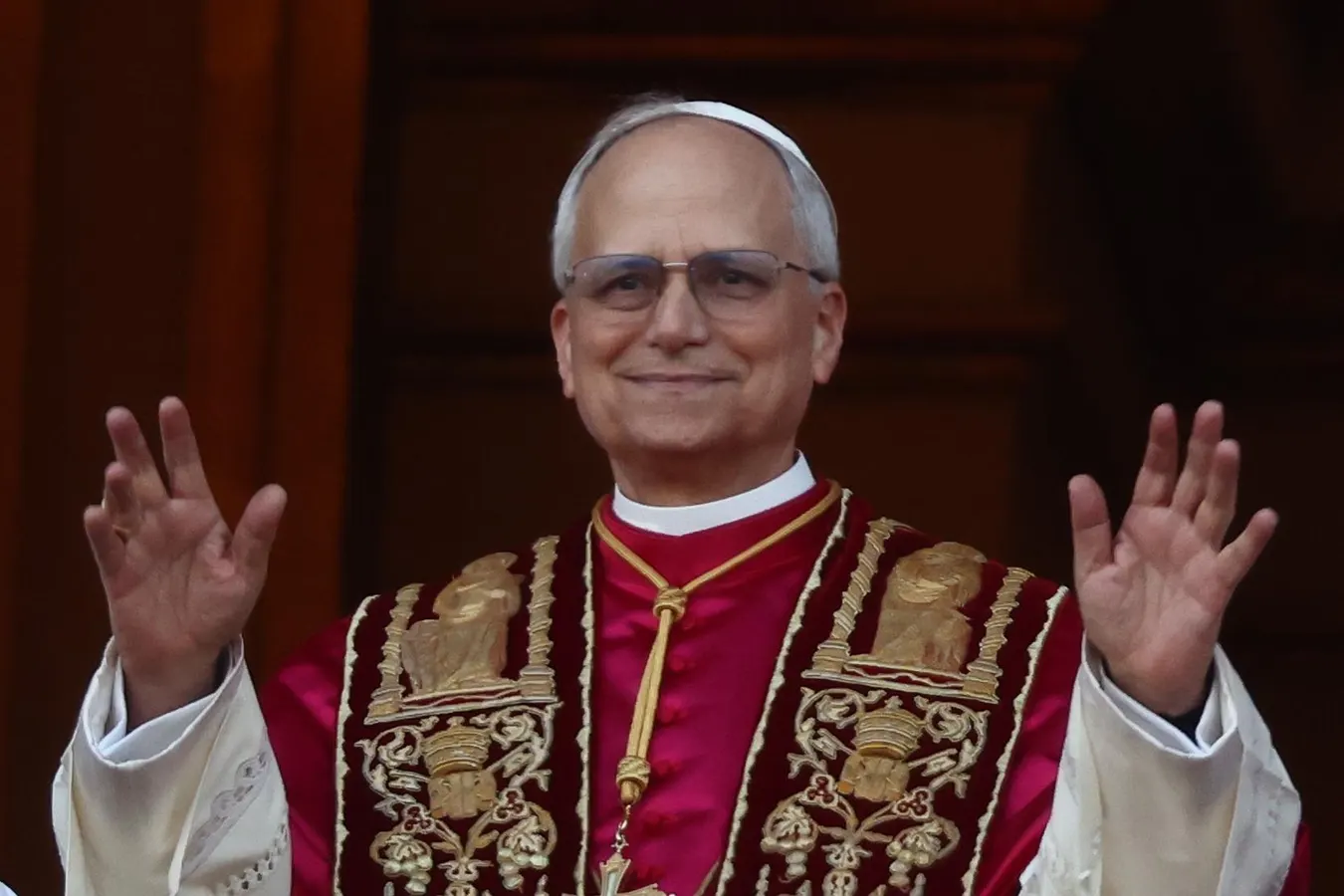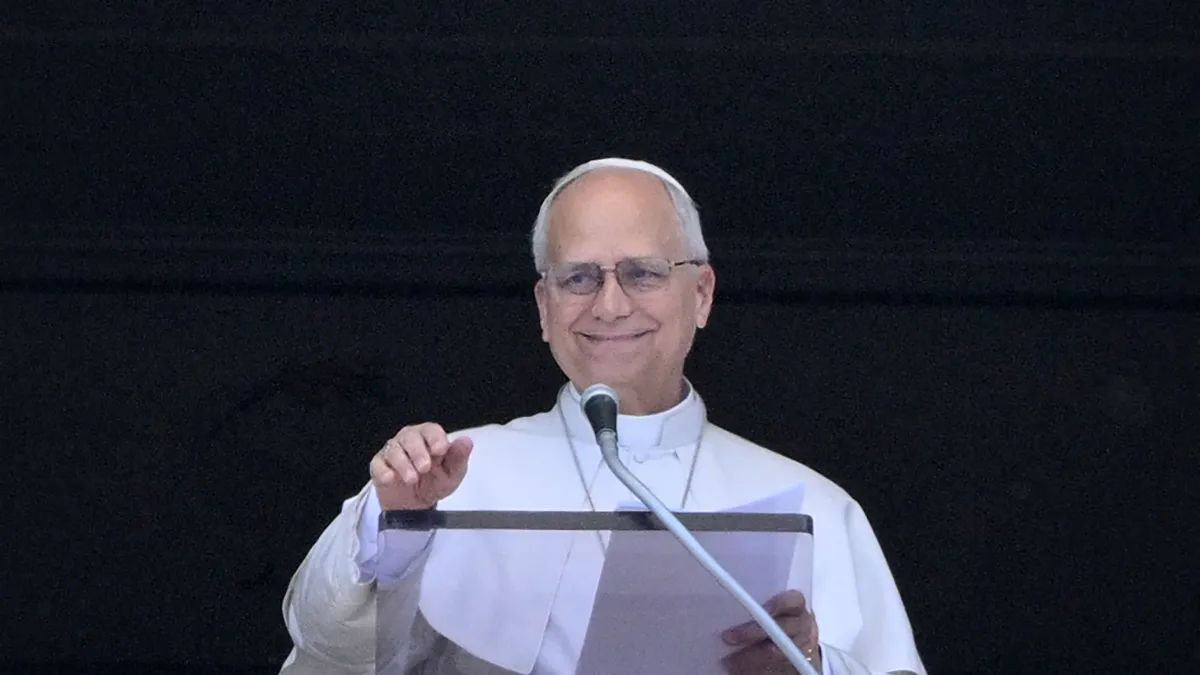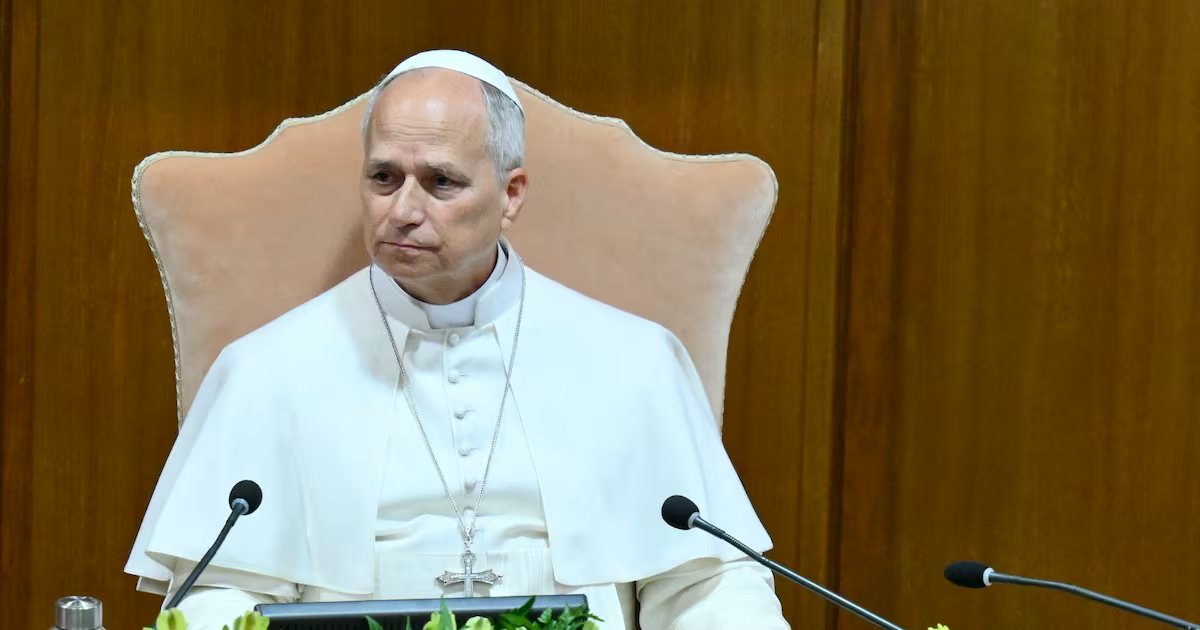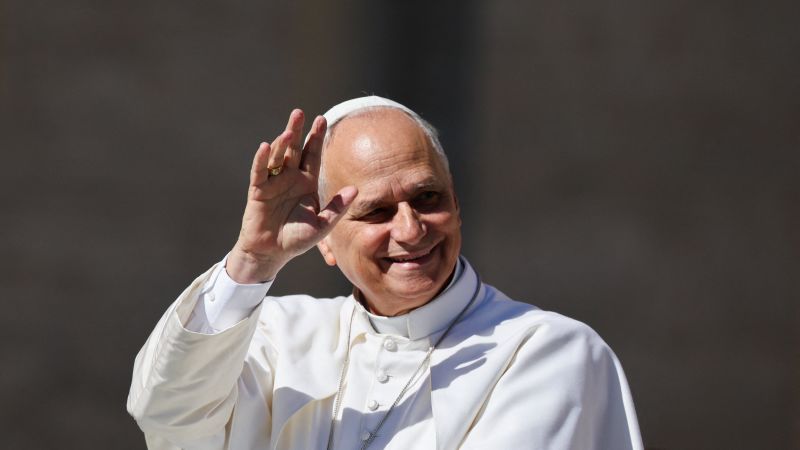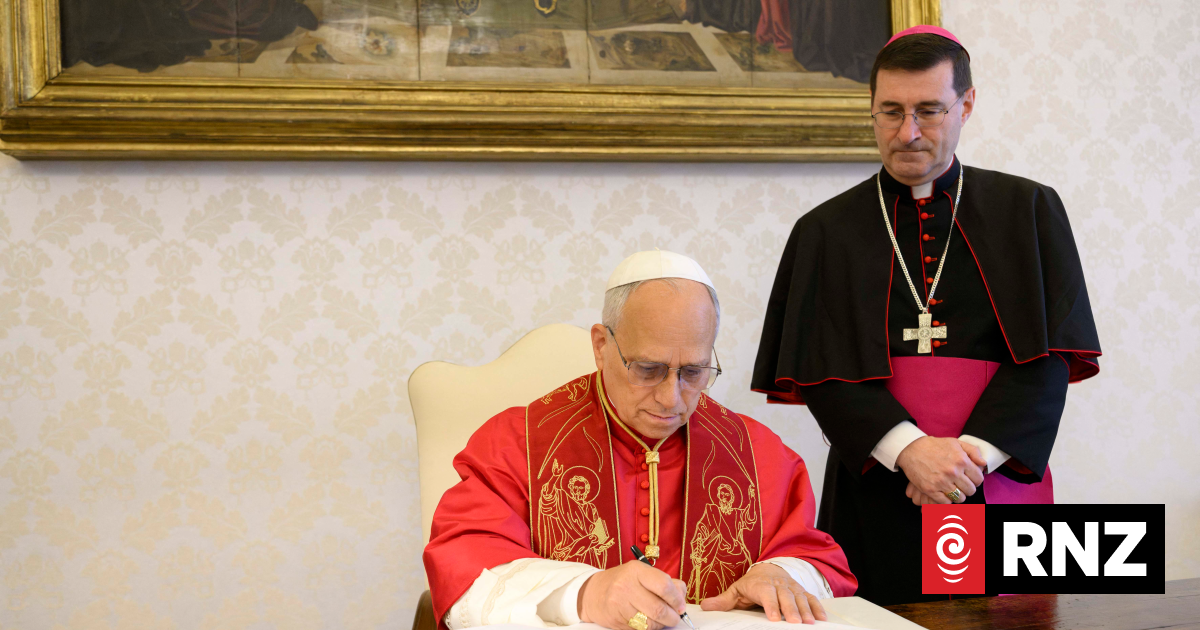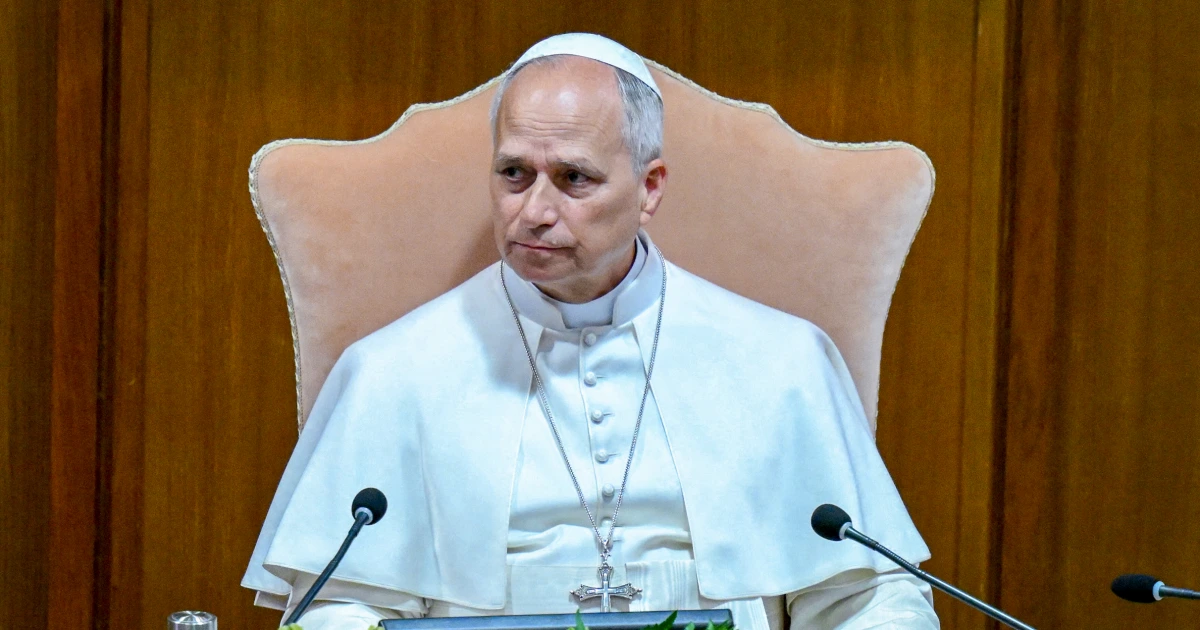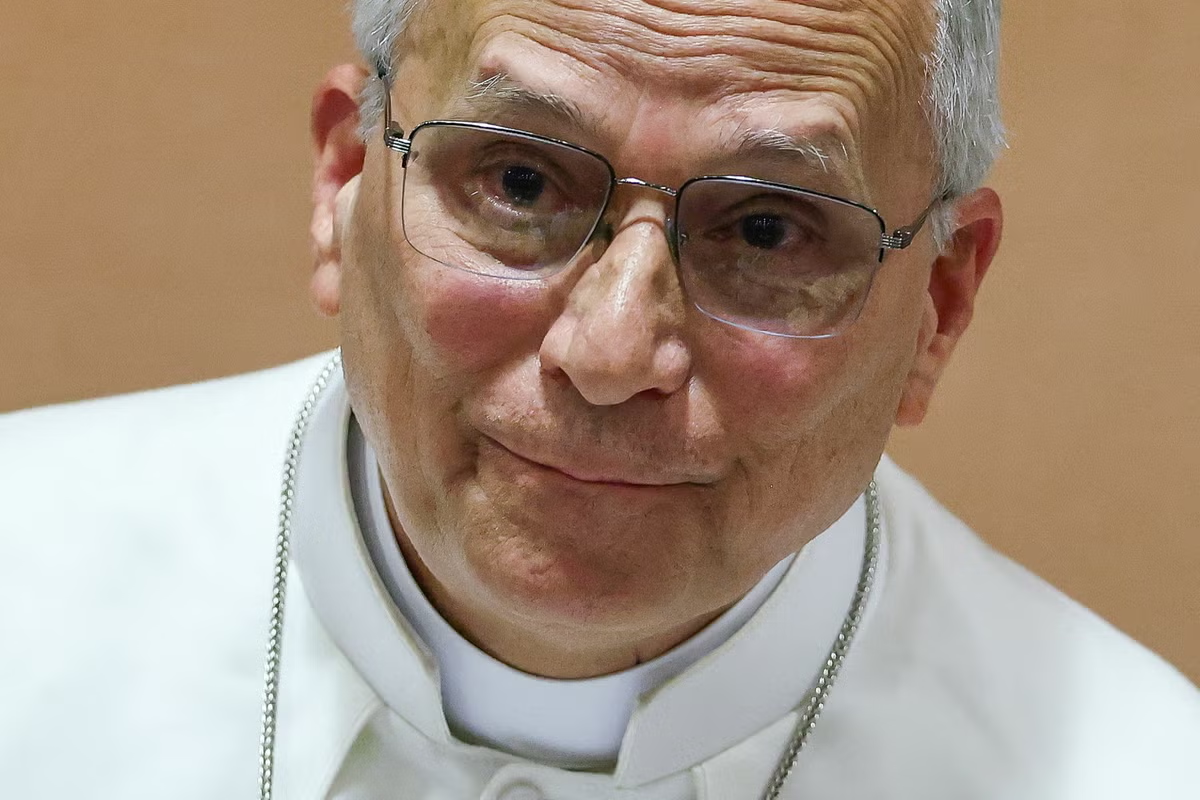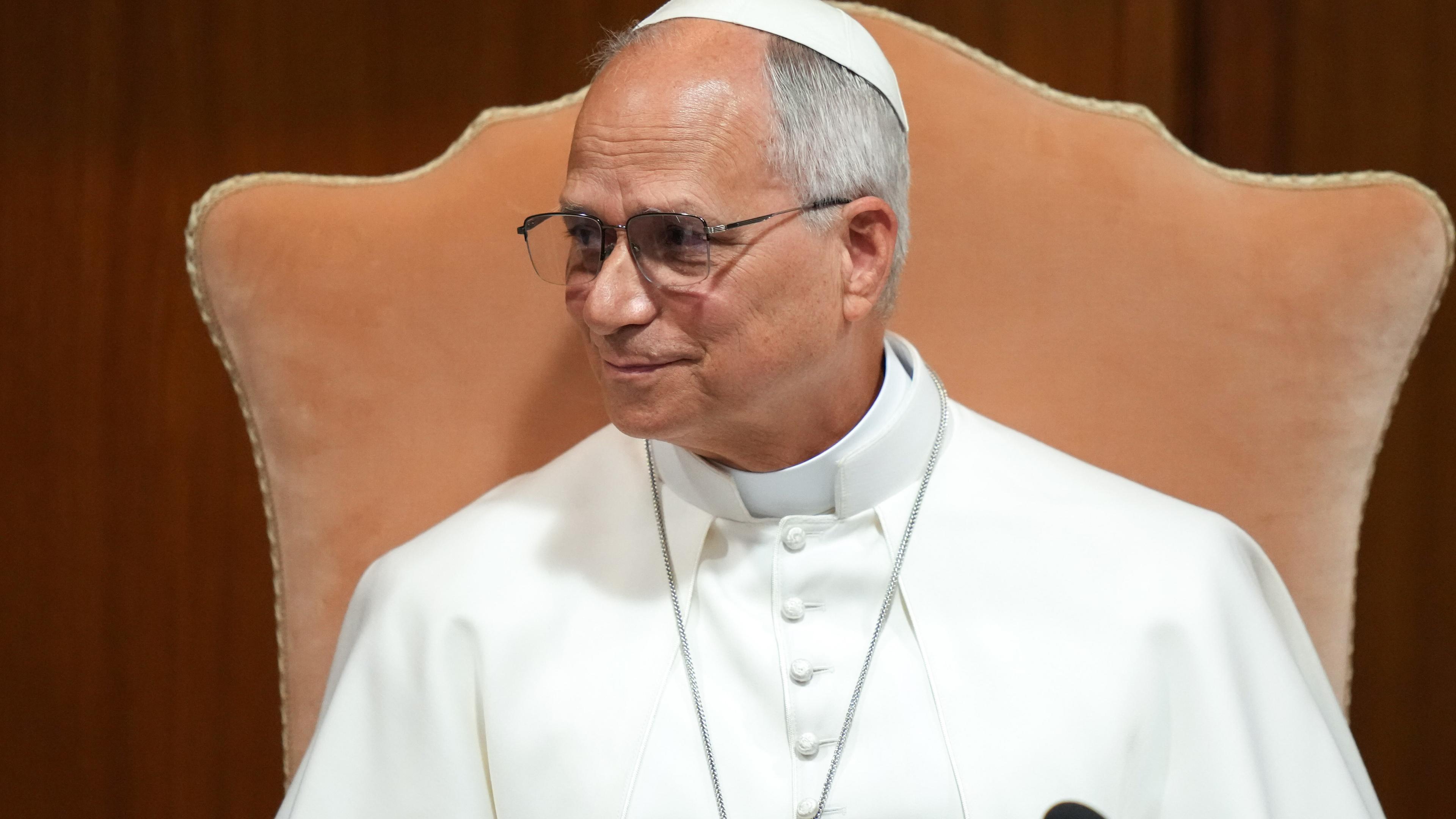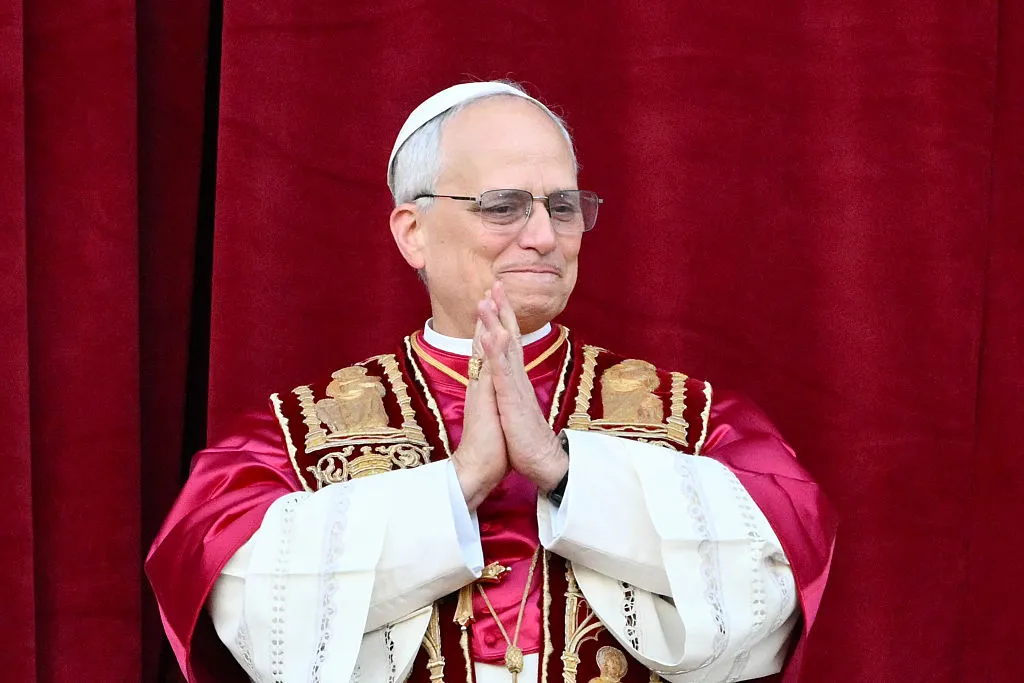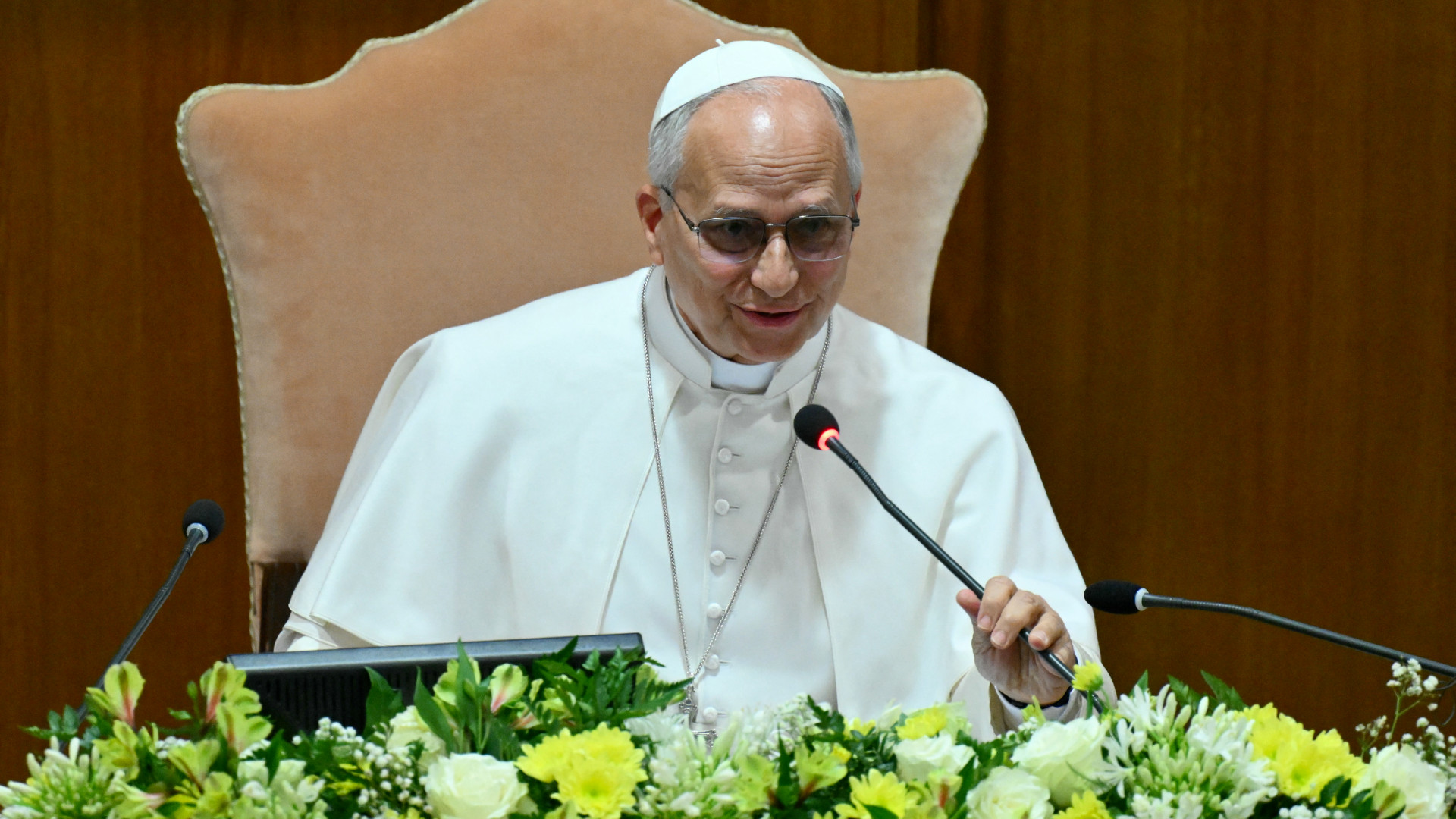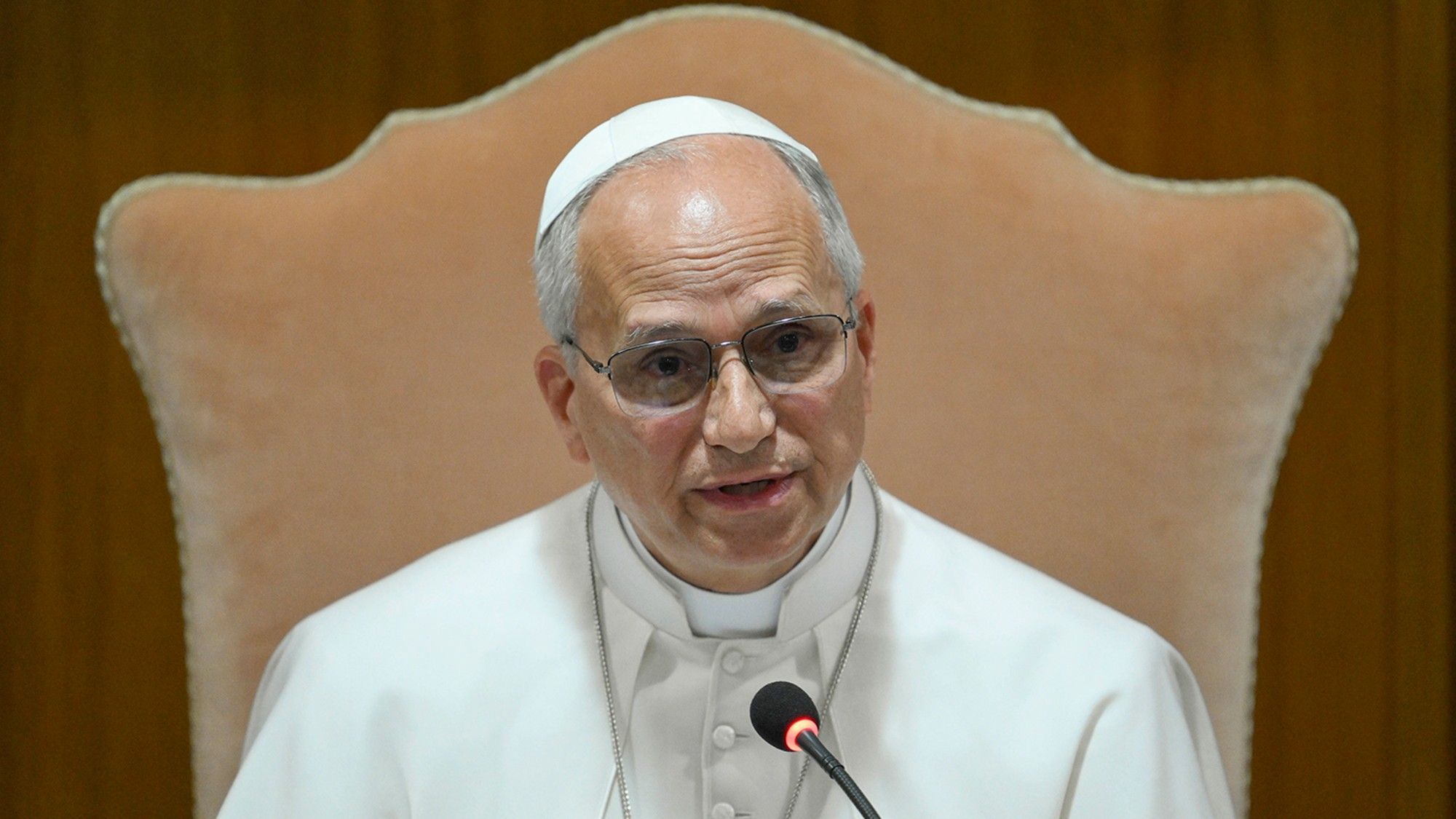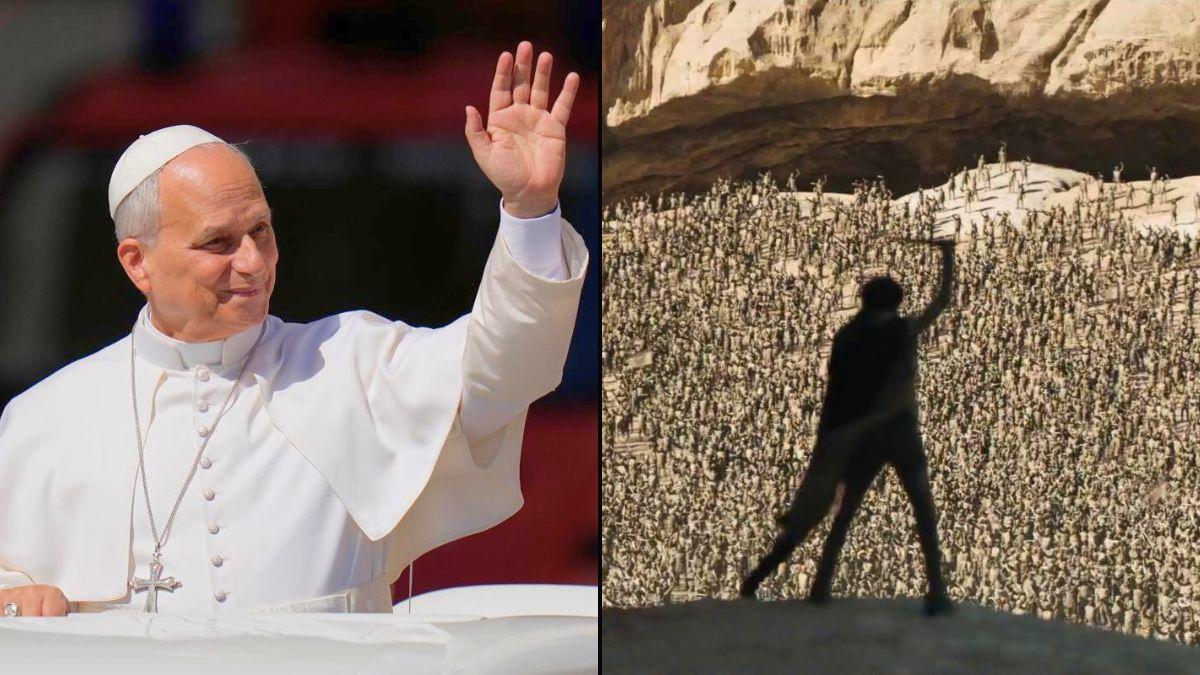
The Catholic Church has survived over two millennia of collapsing empires, plagues, schisms, and televangelists, so it probably says something about the current state of technology that Pope Leo XIV chose artificial intelligence as the defining subject of his first encyclical, the formal papal teaching document intended to shape long-term Catholic doctrine.Released this month under the title Magnifica Humanitas (“Magnificent Humanity”), the text prominently featured unusually sharp language for a Vatican document, since Leo warned that humanity was drifting toward “new forms of slavery” driven by algorithmic systems, autonomous weapons and concentrated corporate power, while urging governments and tech companies to slow the current AI arms race before economic incentives hardened into permanent social infrastructure.Unsurprisingly, it didn’t take long for the internet to recognise the markers of a familiar science-fiction concept buried within the Pope’s credo — social media has been brimming with references to the “Butlerian Jihad,” the fictional anti-AI uprising from Frank Herbert’s Dune novels that outlawed “thinking machines” across the galaxy. Though the actual connection between Herbert’s fiction and Leo’s warning runs deeper than just the memes because both arguments have emerged from the same anxiety: once societies transfer human judgment into systems optimised for efficiency and centralised control, political responsibility begins to disappear behind machinery that nobody can meaningfully challenge.For readers who have only encountered Dune through Denis Villeneuve’s recent blockbuster adaptations starring Timothée Chalamet, the Butlerian Jihad explains one of the most curious details in Herbert’s futuristic universe: computers barely exist. Herbert introduced the idea in his 1965 novel during a period when American institutions had become fascinated with cybernetics and computer-assisted governance, and he imagined a civilisation that had already experienced the endpoint of that dependence. Thousands of years before the events of Dune, humanity waged a catastrophic war against intelligent machines, known as the Butlerian Jihad, after automated systems displaced human decision-making across political and social life, and the survivors responded by turning the rejection of machine cognition into sacred law.
Why Pope Leo XIV’s AI warning has everyone talking about the Butlerian Jihad from ‘Dune’
Pope Leo XIV's encyclical warns against AI's dehumanizing effects, echoing Frank Herbert's Butlerian Jihad from 'Dune.'
1,207 words~5 min read