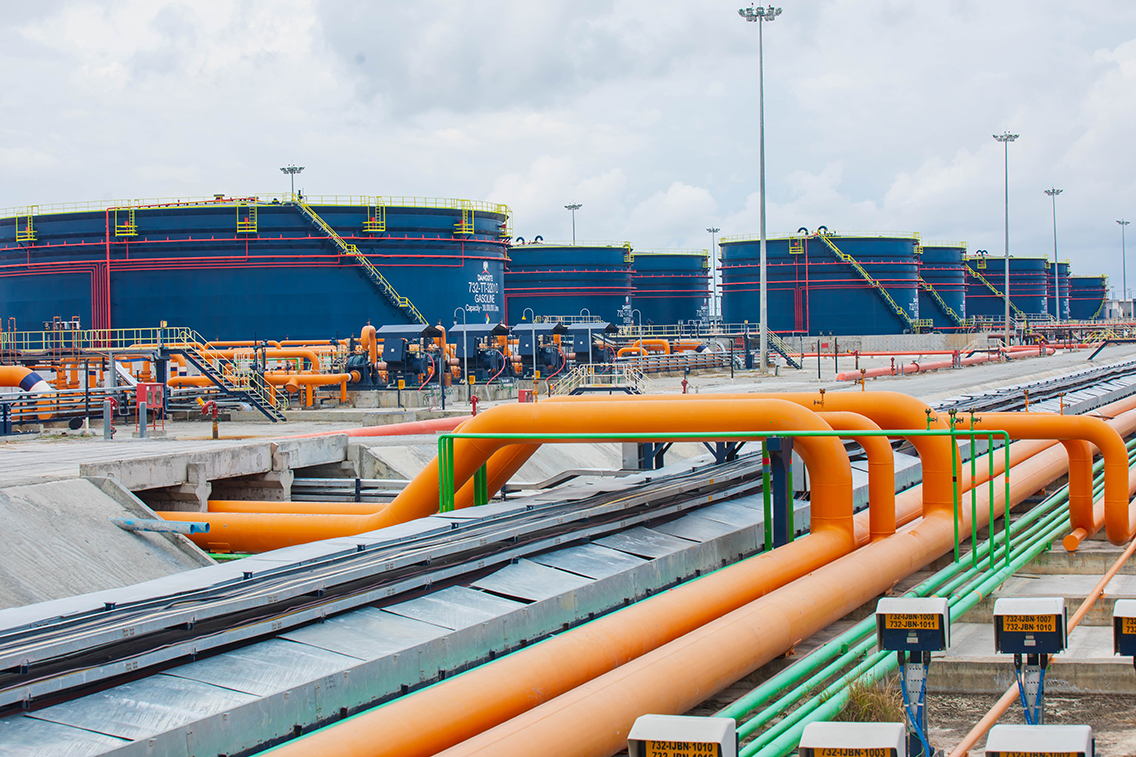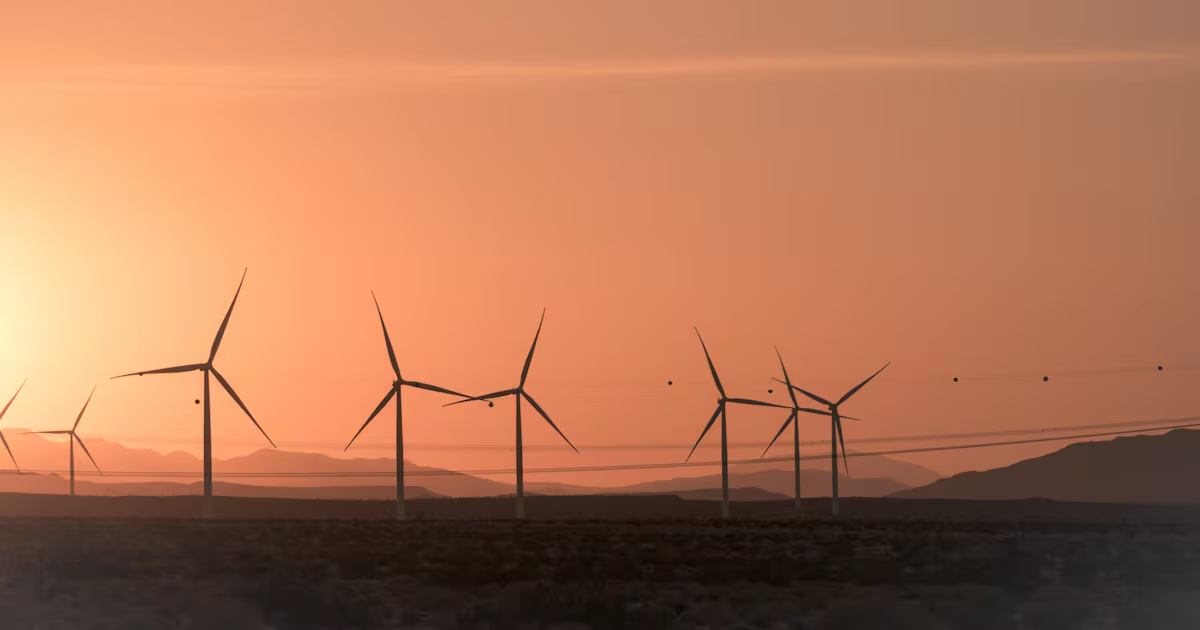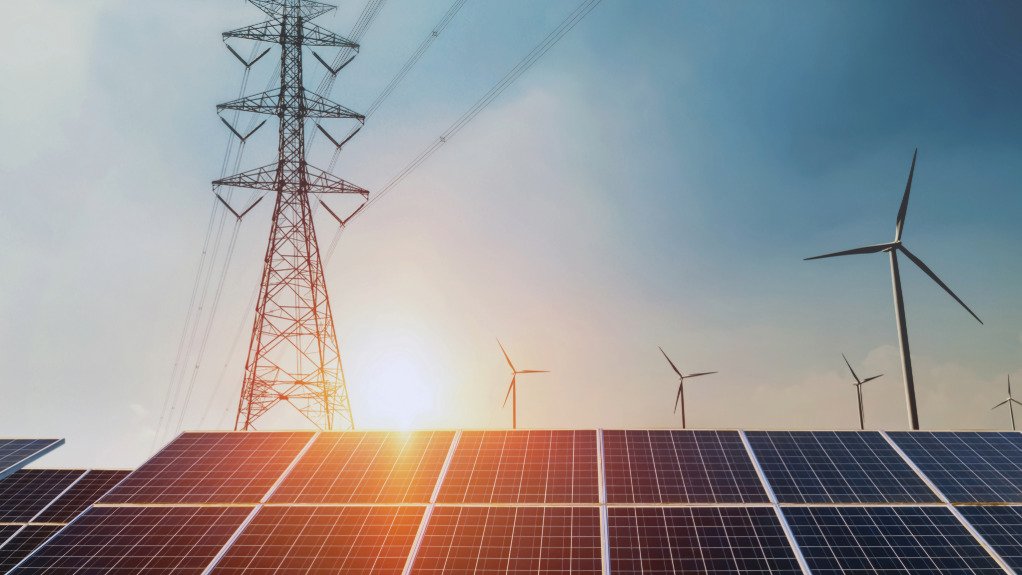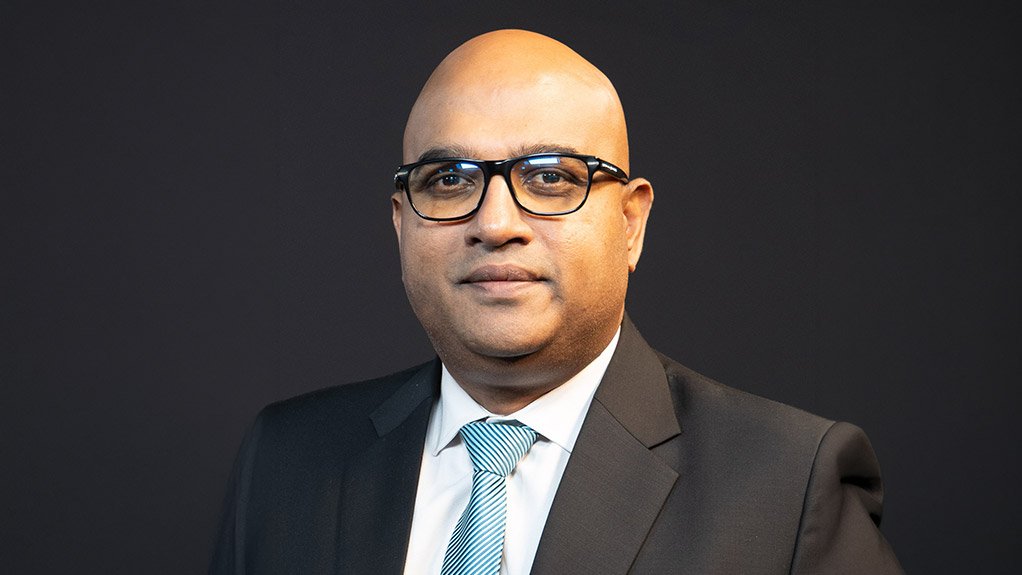
Standard Bank has reaffirmed its commitment to Africa’s energy security, continuing to finance fossil fuels, renewables, liquefied natural gas (LNG) and transmission infrastructure as geopolitical instability reshapes global energy markets and shifts investor priorities.Standard Bank corporate & investment banking (CIB) head of global energy Dele Kuti said the bank supports “all forms of energy”.Across the continent, about 600-million people still lack access to electricity, a challenge that he said points to Africa’s big energy access gap, compounded by overlapping geopolitical shocks, including the Russia–Ukraine war, tension in the Middle East and shifting US energy and trade policy.Kuti said Standard Bank’s energy strategy is not based on choosing between fossil fuels and renewables but on ensuring there is enough reliable energy to meet demand.The bank remains active in fossil fuel financing, particularly oil and gas projects in Angola, Nigeria and Ghana, while also expanding renewable energy investment, especially in South Africa and other parts of Southern Africa. On coal, Kuti said the bank’s climate policy allows for continued support of existing coal assets but does not prioritise new coal developments.Standard Bank corporate & investment banking head of global energy Dele Kuti. Picture: SUPPLIED (suppli) LNG, which is natural gas cooled into liquid form for easier transport and export, has become an important part of the bank’s energy financing. In Africa, Mozambique is at the centre of large-scale LNG developments, including the Mozambique LNG project led by Total, which Kuti said is valued at about $25bn–$30bn. He also pointed to a second LNG development linked to ExxonMobil, as global interest in LNG grows amid concerns about concentrated supply, including reliance on Qatar.Alongside LNG, transmission infrastructure is also gaining importance. Kuti said the bank is involved in transmission support in Uganda and is looking at opportunities in Angola and South Africa. He said Africa needs stronger infrastructure to move electricity from where it is generated to where it is needed, with transmission remaining a key constraint to energy expansion.Where capital is flowing: portfolio realityOil and gas financing continues in Angola, Nigeria and Ghana, which Kuti said remain attractive due to their resource base and revenue potential in a higher oil price environment.Mozambique remains a key LNG hub, anchored by the Mozambique LNG project, valued at about $20bn–30bn, which Kuti described as one of the continent’s largest energy infrastructure developments. He said the bank is also involved in structuring and advisory work linked to a second LNG development associated with ExxonMobil.LNG, Kuti said, is increasingly viewed as a response to global energy security concerns and concentration risk in supply markets, particularly dependence on a small number of exporting countries.Renewable energy financing is concentrated in South Africa, where he said the bank supports a big share of the national pipeline. In Zambia, investment is tied to mining demand and efforts to stabilise electricity supply after hydropower disruptions caused by drought.Kuti said that generation capacity alone is insufficient without corresponding grid infrastructure.Global energy markets are undergoing heightened volatility, driven by geopolitical fragmentation, supply insecurity and shifting investment patterns across traditional energy chokepoints. As capital becomes more cautious about concentrated exposure in established energy hubs, global investors are looking to diversify across alternative markets.In this context, Africa is emerging as a potential destination for energy and infrastructure investment. Kuti said the global investment community has realised that the Middle East is no longer viewed as a haven, driving greater interest in Africa as an energy diversification destination.According to Kuti, South Africa is consistently viewed by investors as one of the most attractive entry points into Africa, citing its relatively strong legal system, enforceable contracts, advanced infrastructure base and capacity to support expatriate operations.He added that the country also serves as a gateway to neighbouring markets such as Botswana and Mozambique, supported by stronger institutional and infrastructure foundations compared with much of the region.“South Africa’s more developed power system still gives it a competitive advantage over several regional peers,” he said.
Standard Bank deepens ‘all-energy’ financing across Africa’s energy value chain
Lender maintains broad energy financing strategy amid global market instability
653 words~3 min read