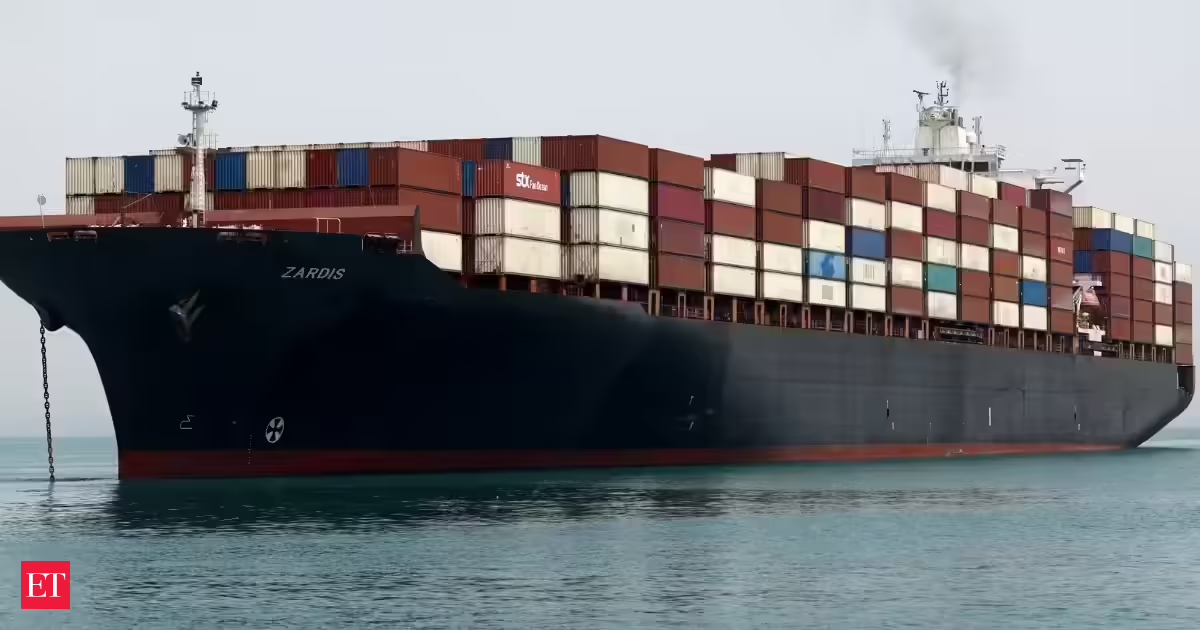
US Treasury Secretary Scott Bessent issued a direct warning to Oman on May 28: any entities facilitating toll collection in the Strait of Hormuz will face American penalties. The threat came alongside fresh sanctions on Iran’s Persian Gulf Strait Authority, an organization tied to the Islamic Revolutionary Guard Corps that has been charging vessels up to $2 million per transit through the narrow waterway.
What makes this more than a standard geopolitical dust-up for crypto markets is one specific detail. The Treasury explicitly flagged that attempts to route these toll payments through cryptocurrencies or stablecoins would not escape enforcement.
The toll system and why it matters
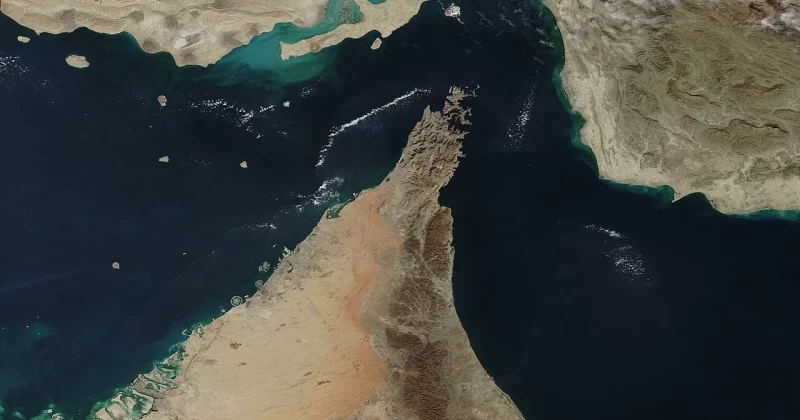
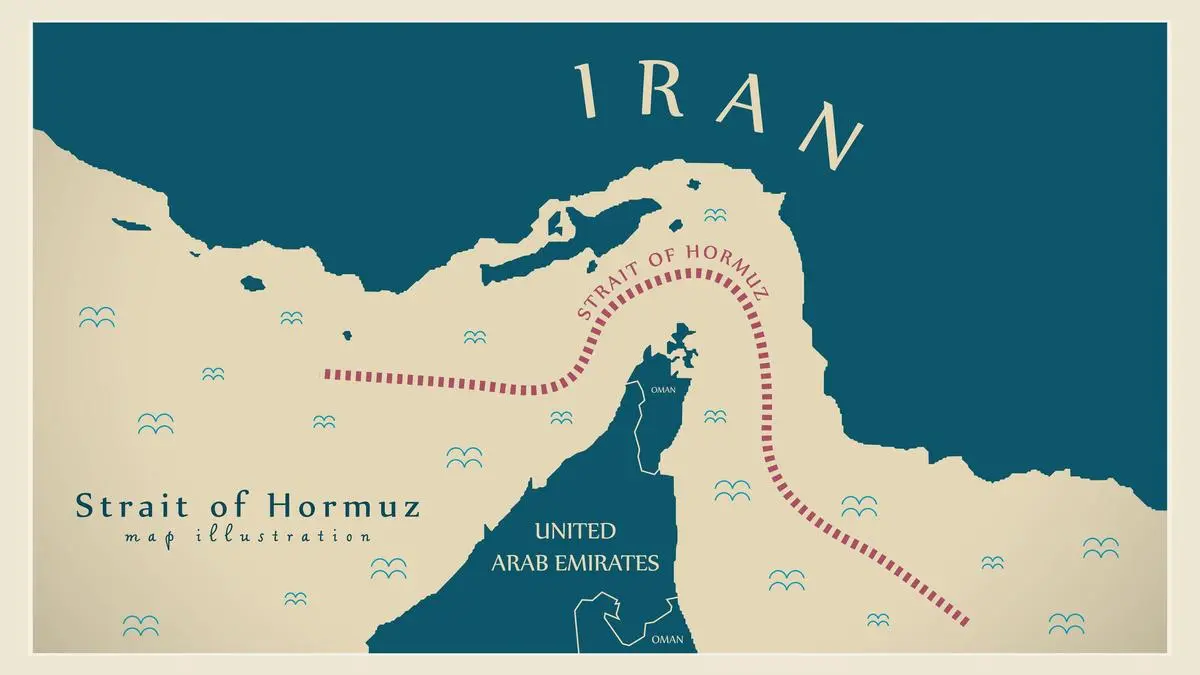
The Strait of Hormuz handles approximately 20% of the world’s oil supply. Iran’s PGSA has been attempting to levy fees on vessels transiting the strait, with stated rates running up to $2 million per ship. Actual collections have been more modest, reportedly staying below $1.3 million total as of early May 2026.
Recent discussions between Oman and Iran about establishing a joint toll system raised the temperature considerably. Senator Tom Cotton sent a letter urging sanctions action on May 22-23, just days before Bessent’s public warning landed.