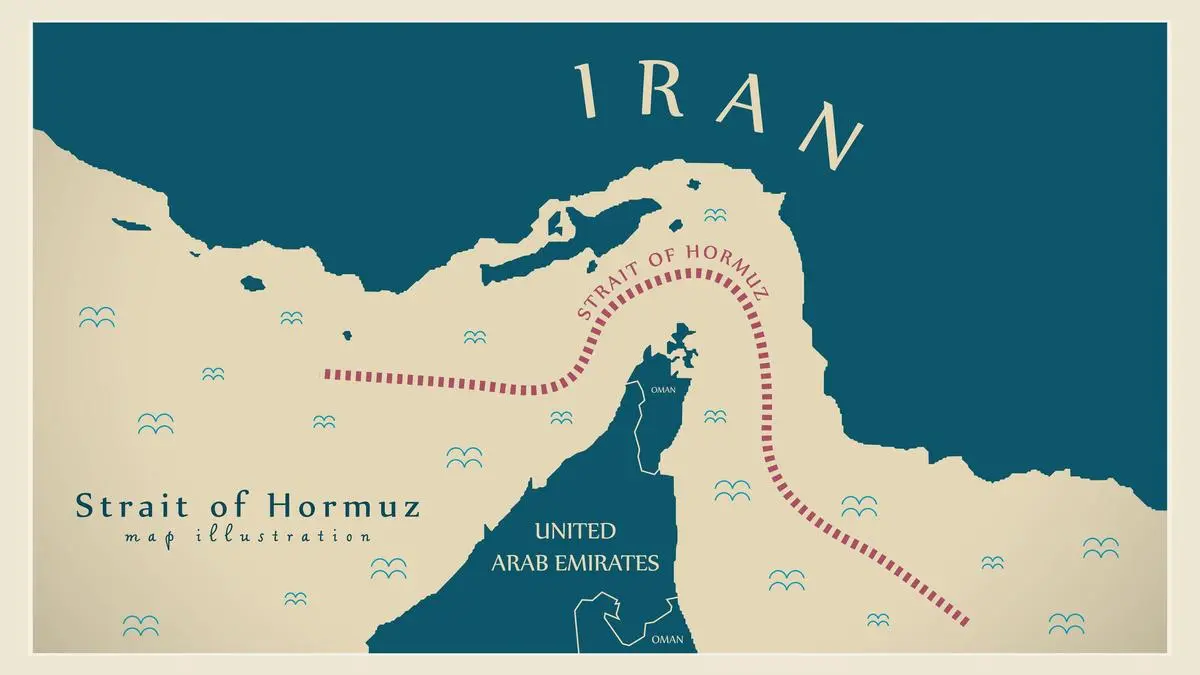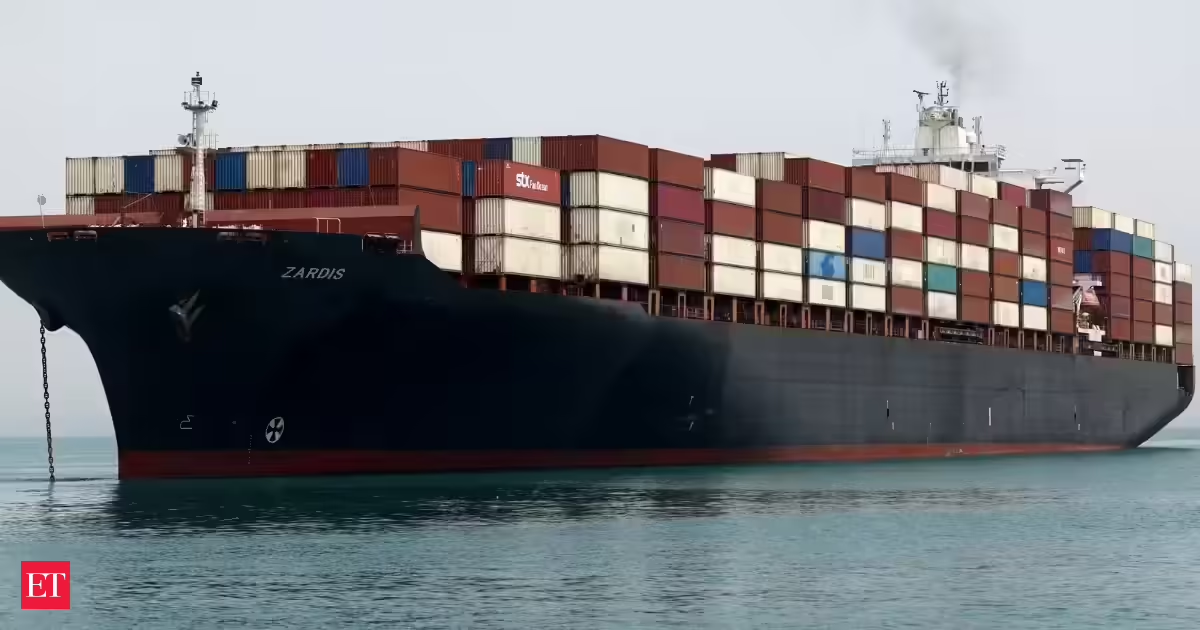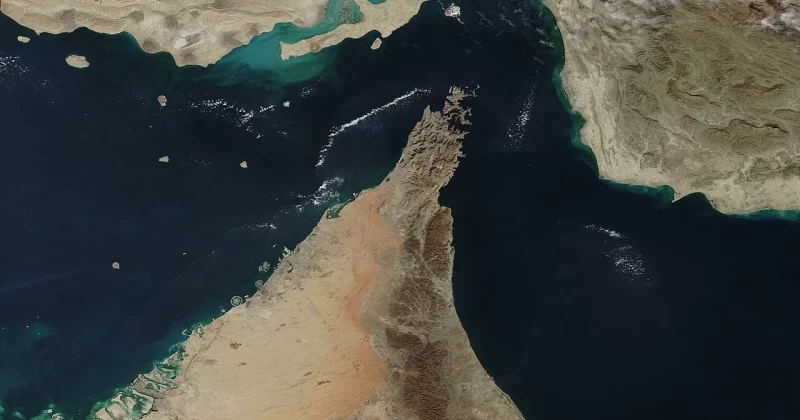
Iran decided to set up a toll booth in one of the world’s most important shipping lanes. The US decided that was not going to fly.
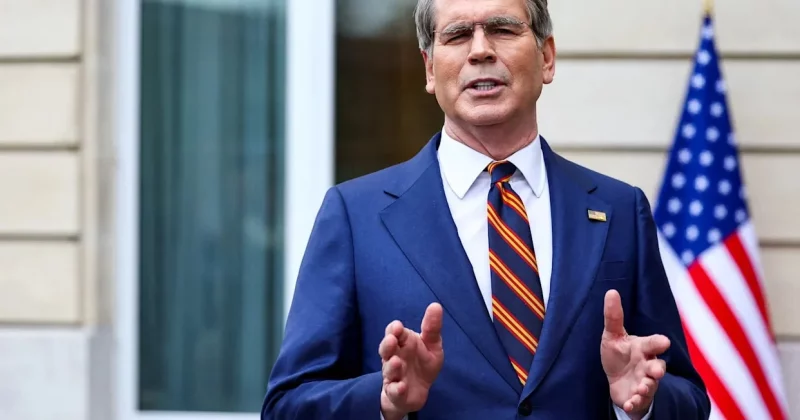
US Treasury Secretary Scott Bessent warned Oman that Washington would target any actors involved in facilitating tolls in the Strait of Hormuz, the narrow waterway through which roughly 20% of the world’s oil supply passes daily. The warning came alongside new sanctions against Iran’s Persian Gulf Strait Authority (PGSA), an entity linked to the Islamic Revolutionary Guard Corps (IRGC).
Iran has reportedly been charging vessels up to $2 million per transit. Bessent characterized the toll scheme as an effort to extort global maritime trade. The Treasury made clear that the enforcement net extends to every payment method, including digital assets and stablecoins.
Crypto in the crosshairs
US warnings about sanctions risks for stablecoin and cryptocurrency payments surfaced as early as the first days of May. The concern is straightforward: Iran could use crypto rails to collect toll payments while sidestepping traditional banking channels that are already subject to sanctions enforcement.