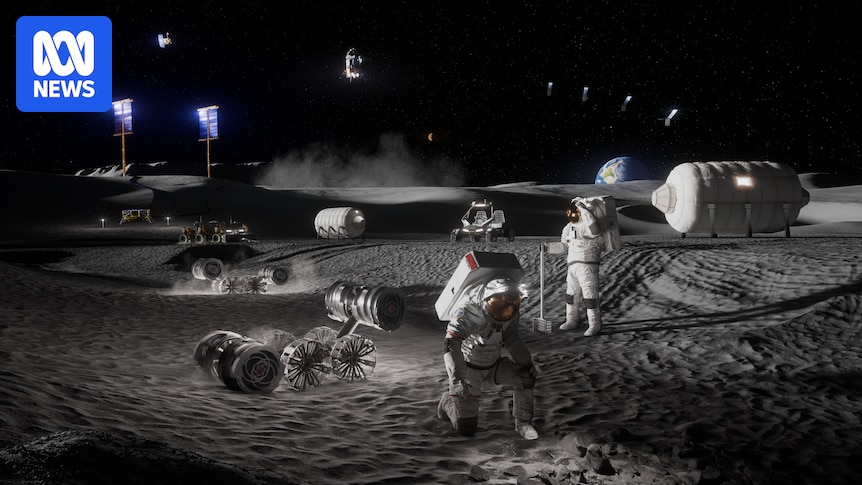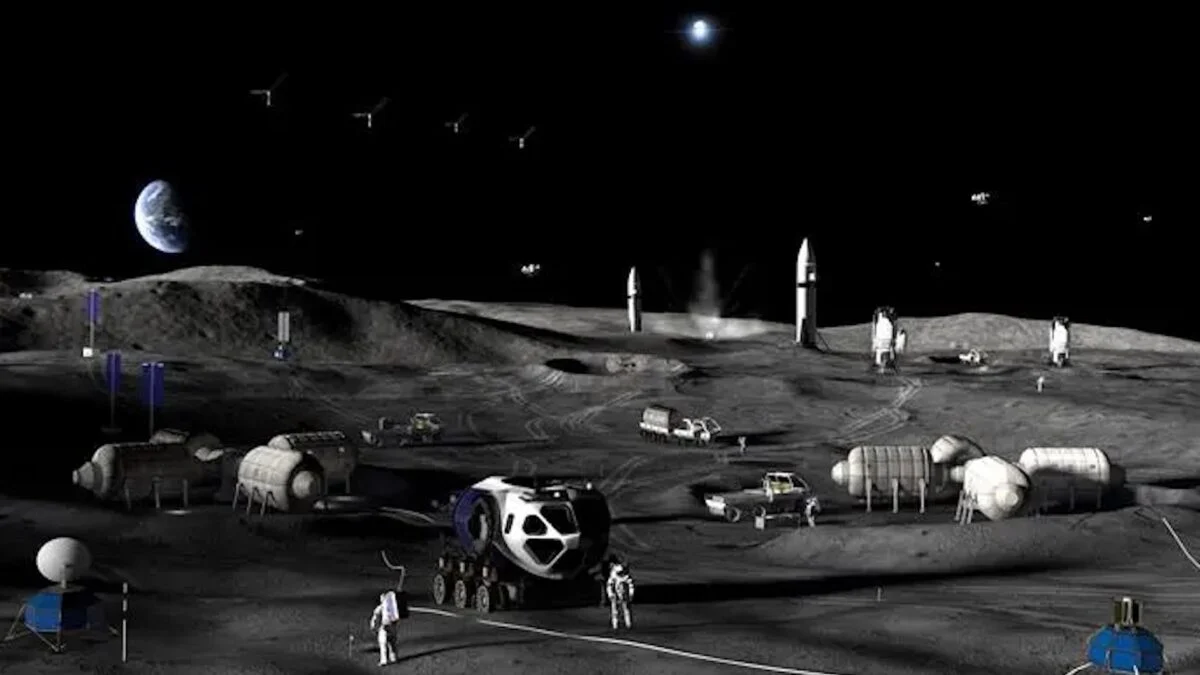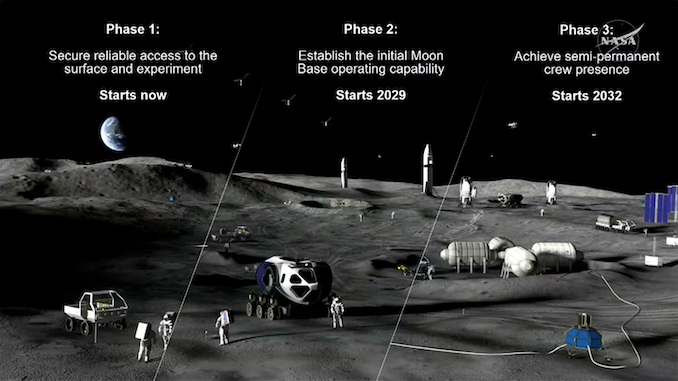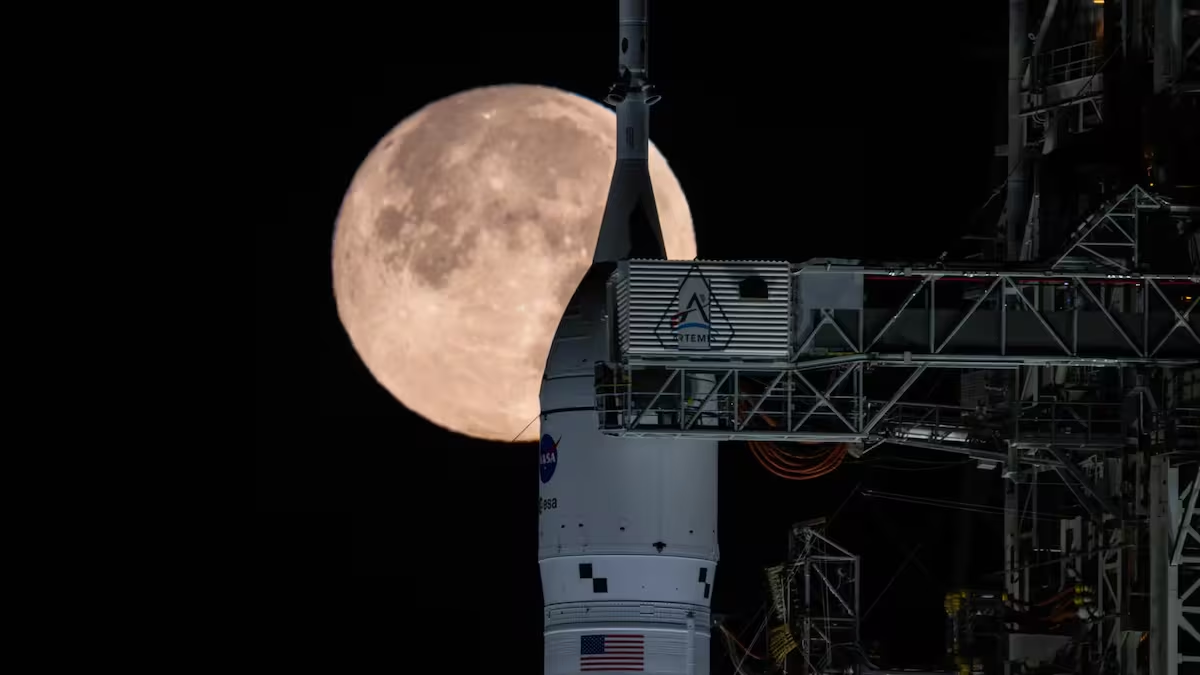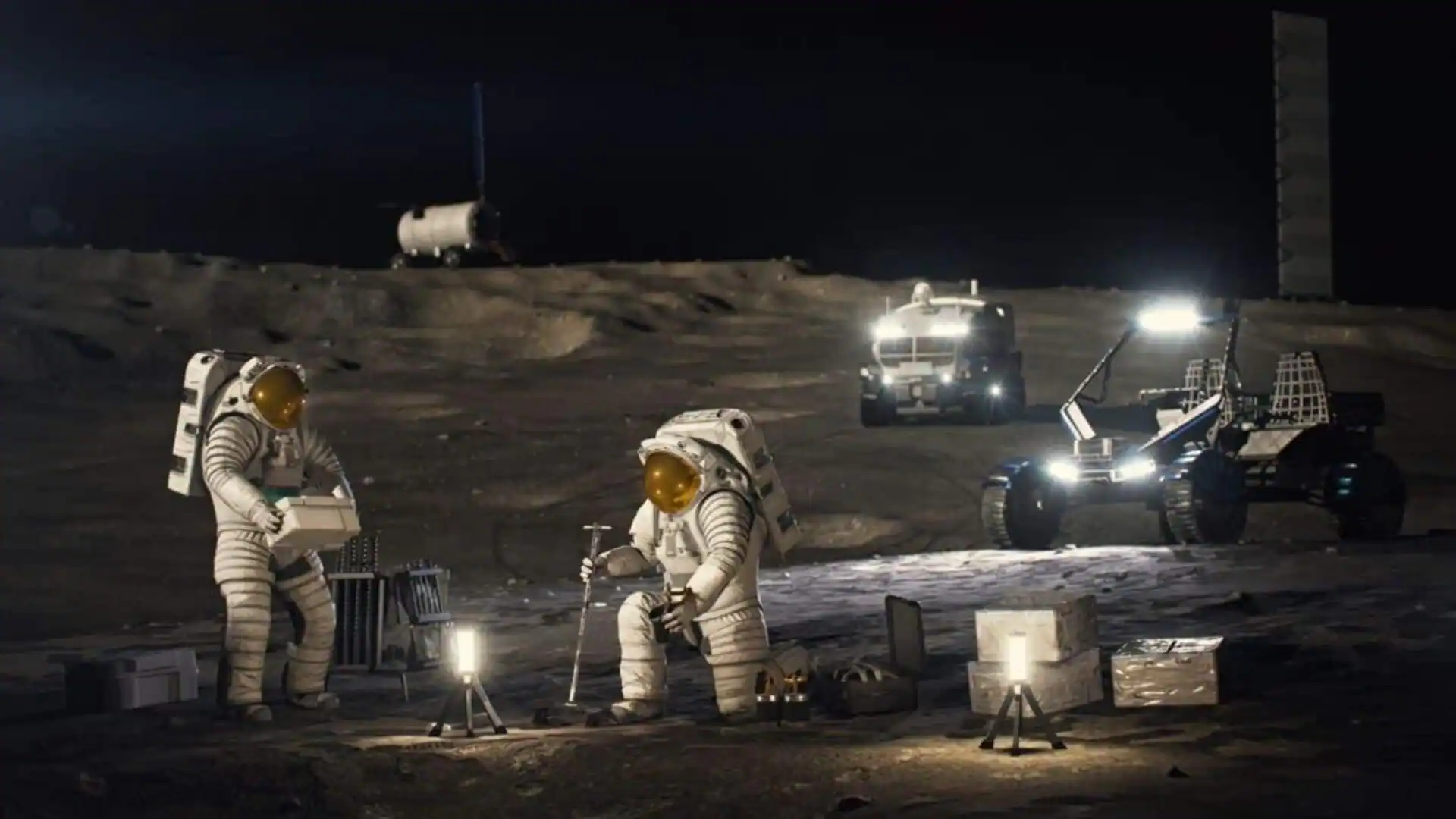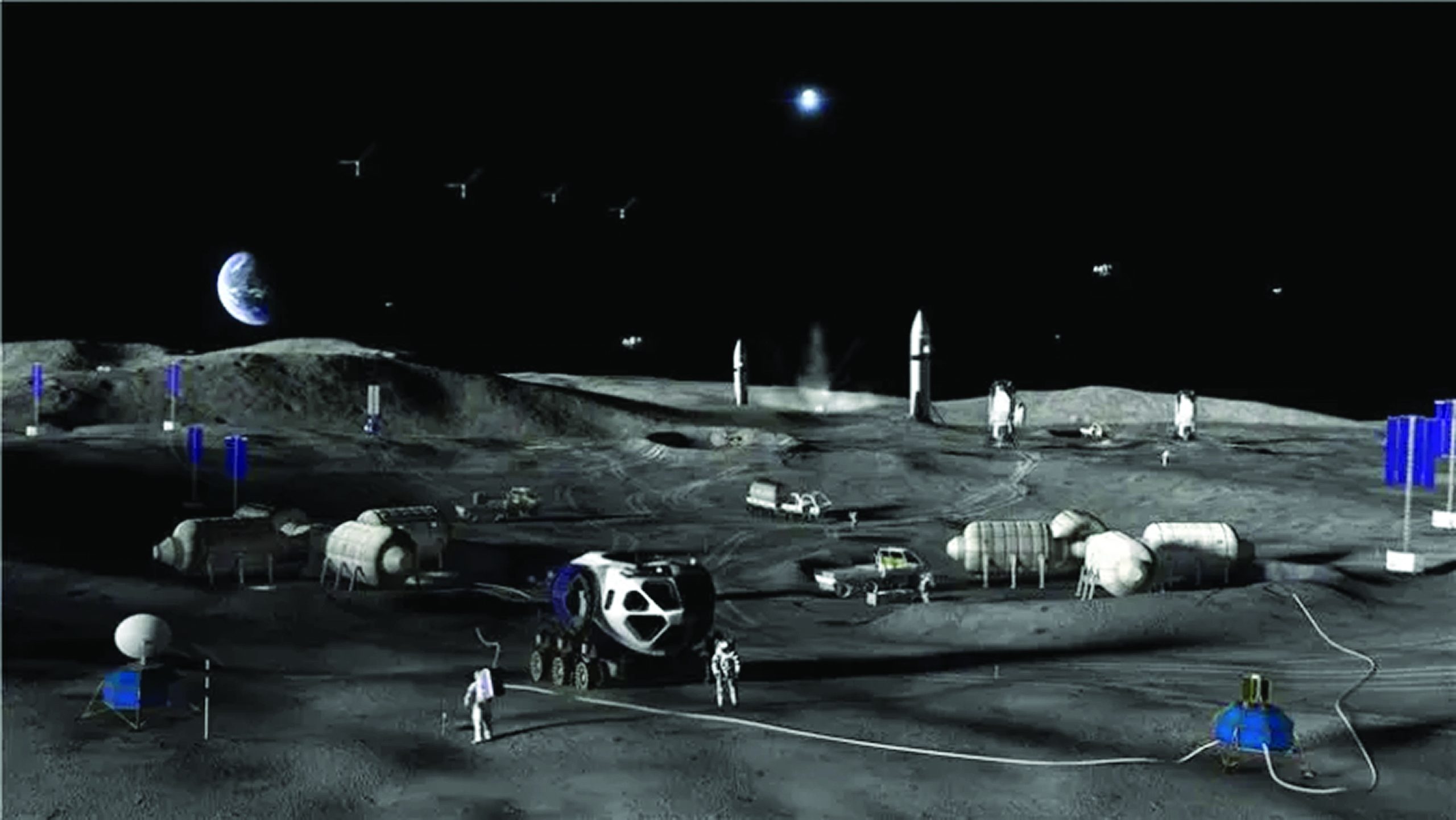
A concept for a later phase of NASA’s proposed lunar base. Credit: NASA
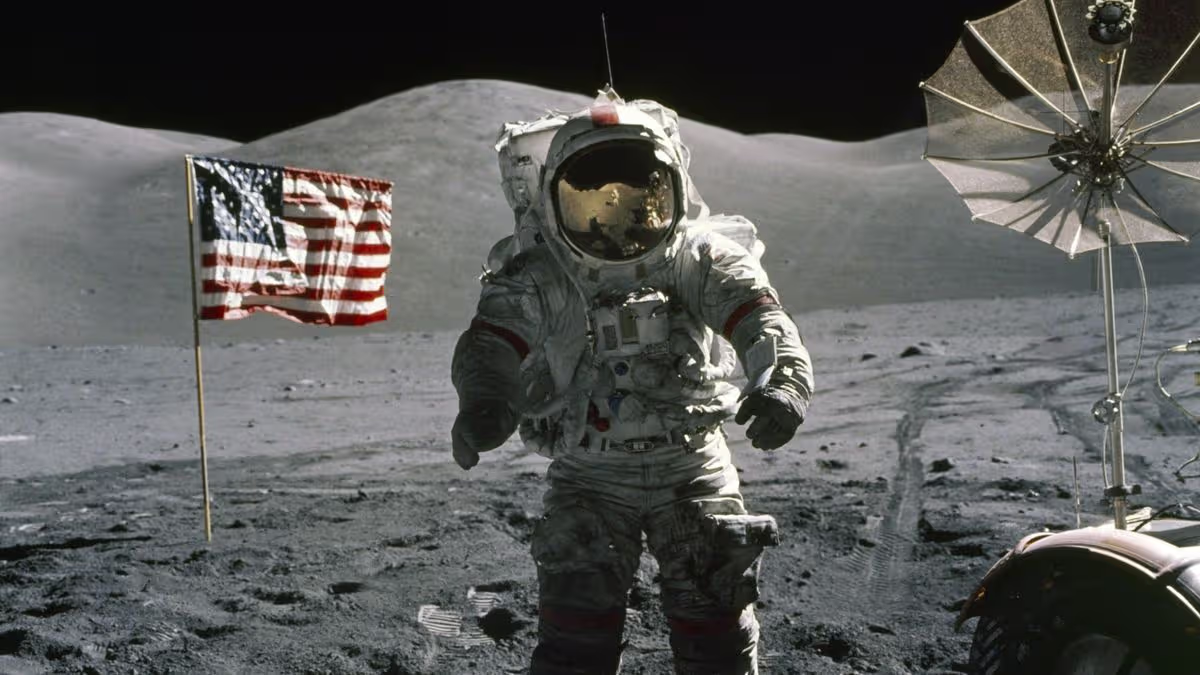
In December 1972, Gene Cernan and Harrison Schmitt spent 75 hours on the lunar surface during Apollo 17. They drove a rover, conducted three spacewalks and collected samples across the longest crewed visit to another world. When Cernan climbed back into the ascent module, he became the last human to stand on the moon. More than 50 years later, NASA intends not just to return, but to stay. In late March, the agency’s Ignition event laid out an aggressive three-phase plan to establish a permanent lunar base by 2030, alongside a new commercial framework called “Science as a Service” designed to accelerate the technologies that will make it possible.
Early robotic landings and technology demonstrations would pave the way in the first phase, followed by development of semi-habitable infrastructure buildouts in the second phase, all moving toward a continuous human presence in phase three. The plan relies on a vast coalition of commercial and international partners working in tandem with NASA, including pressurized rovers from Japan and a habitation module from Italy. The establishment of the lunar base will enable ambitious surface exploration campaigns and provide a test ground for new technologies, such as building out nuclear propulsion systems for Mars transits.