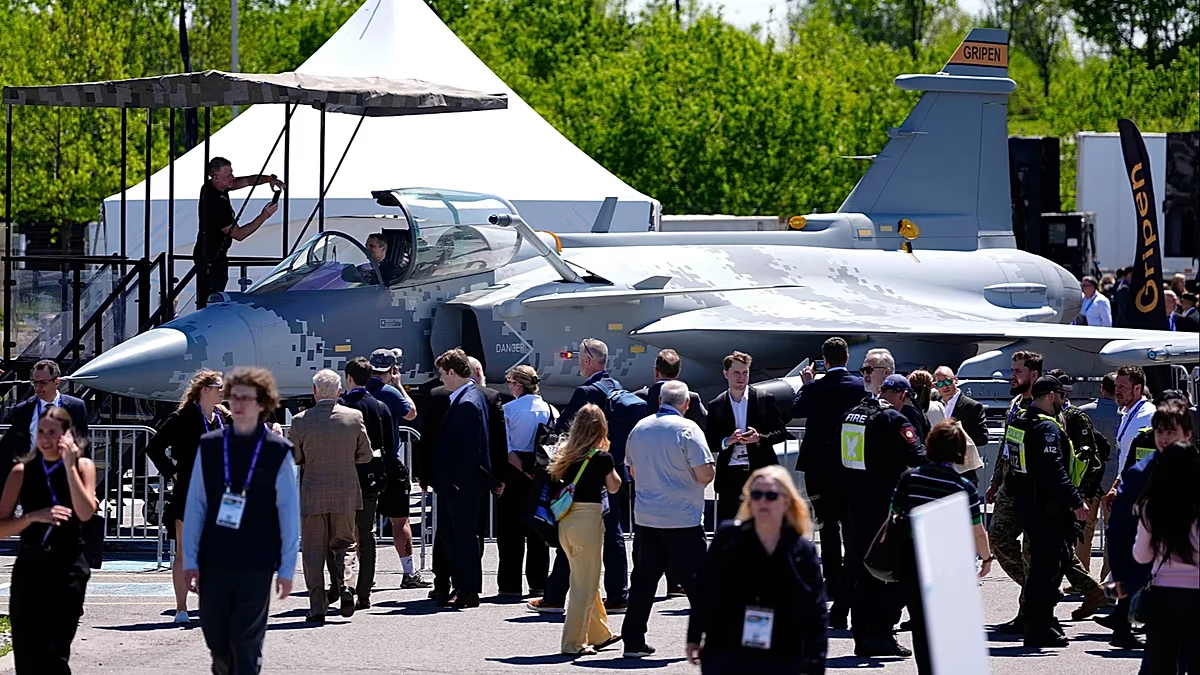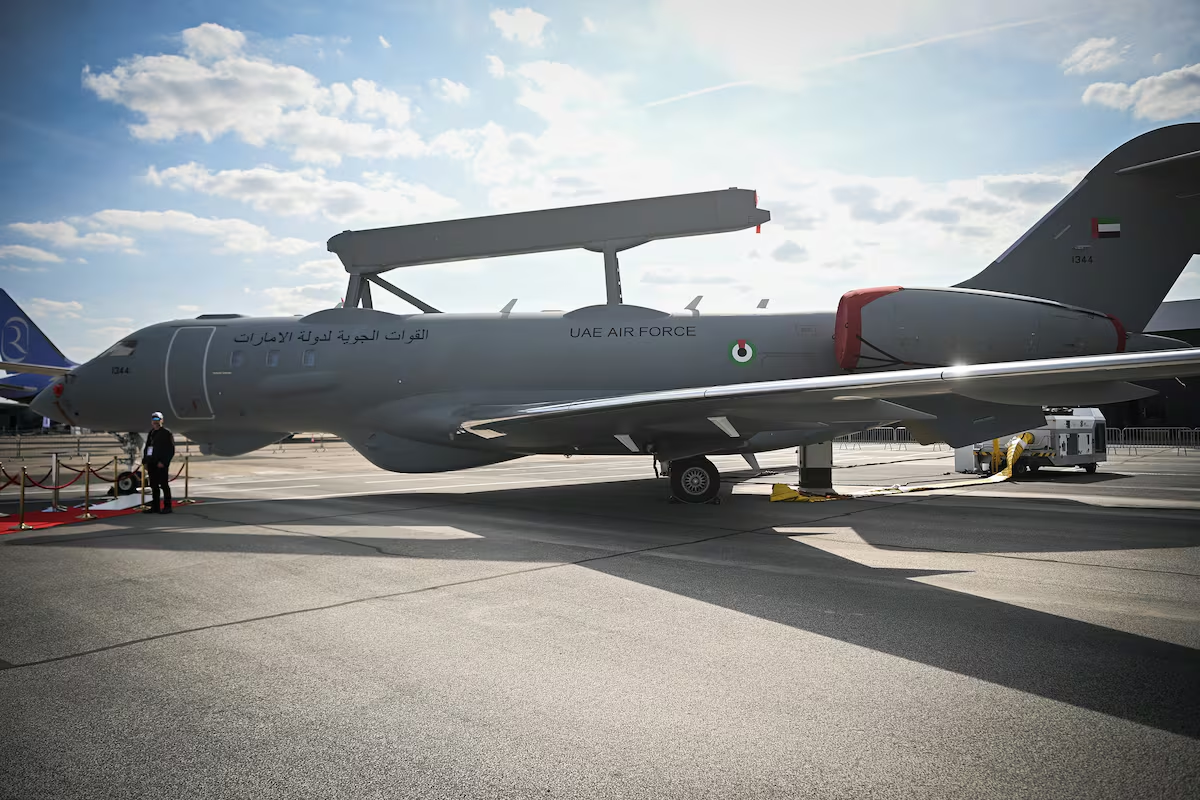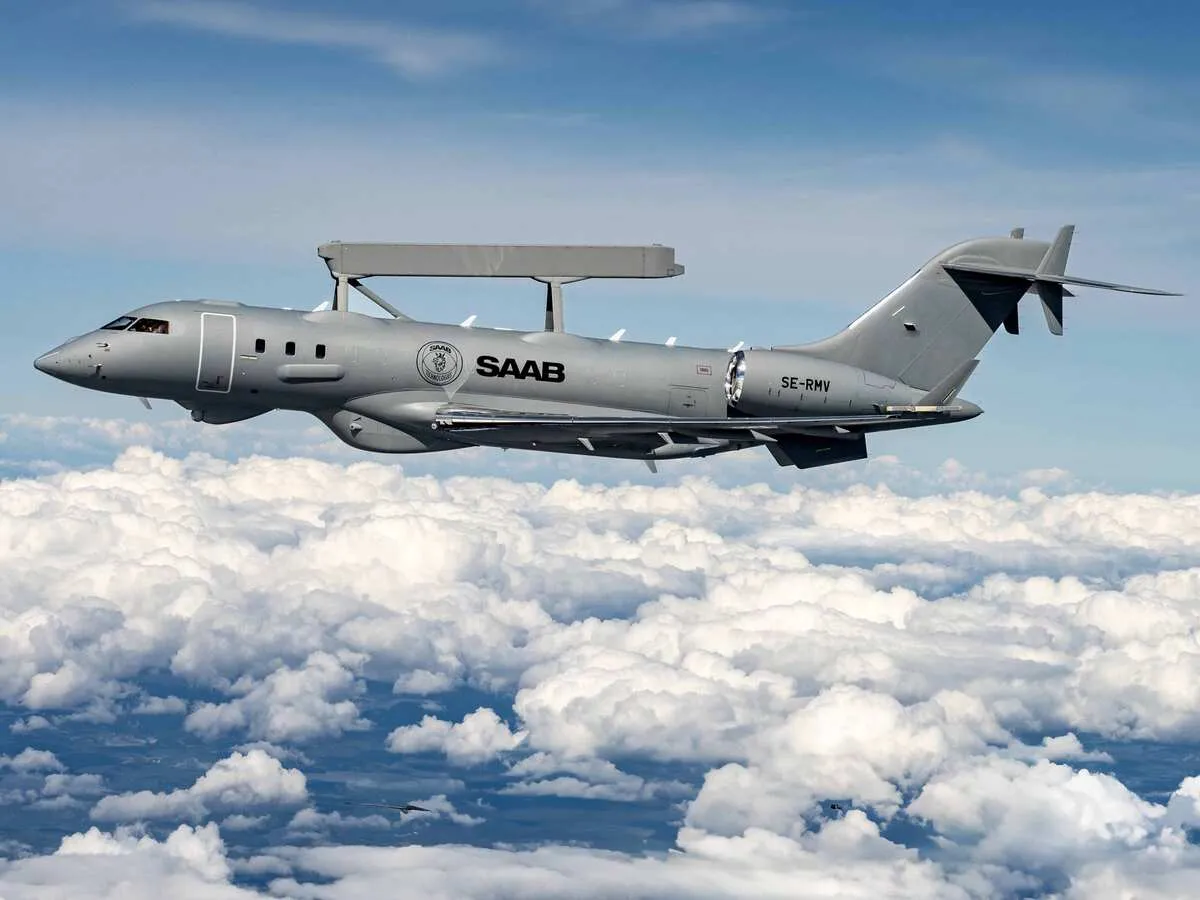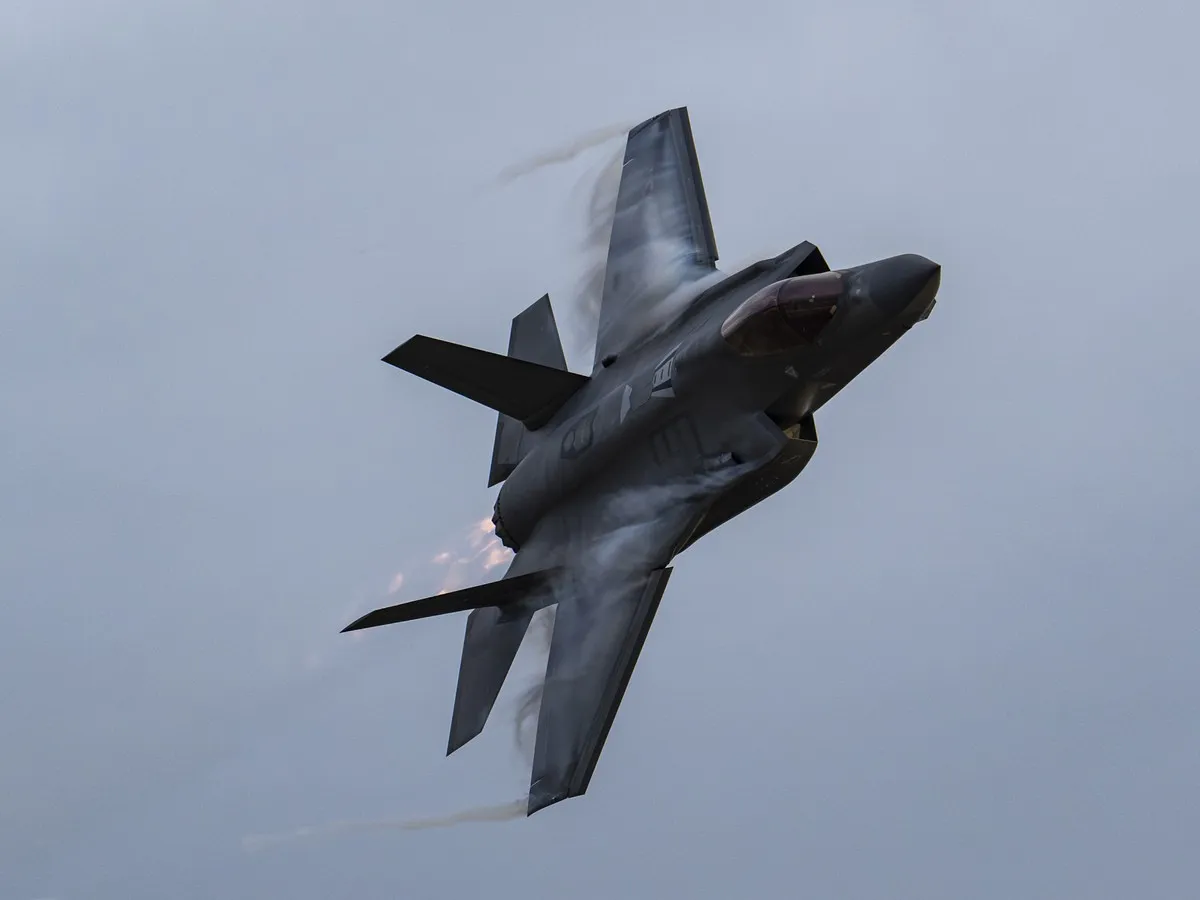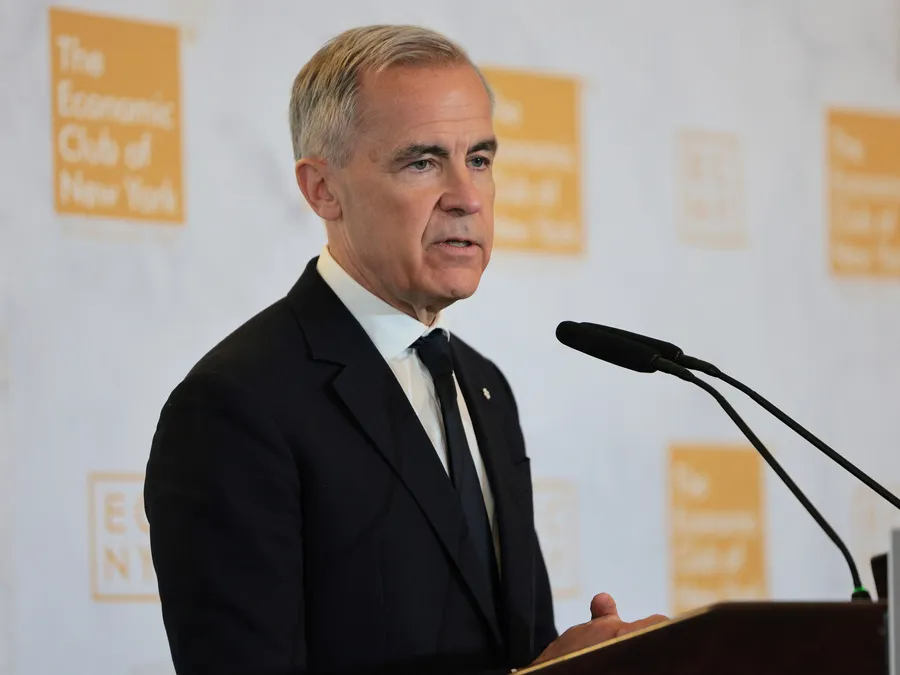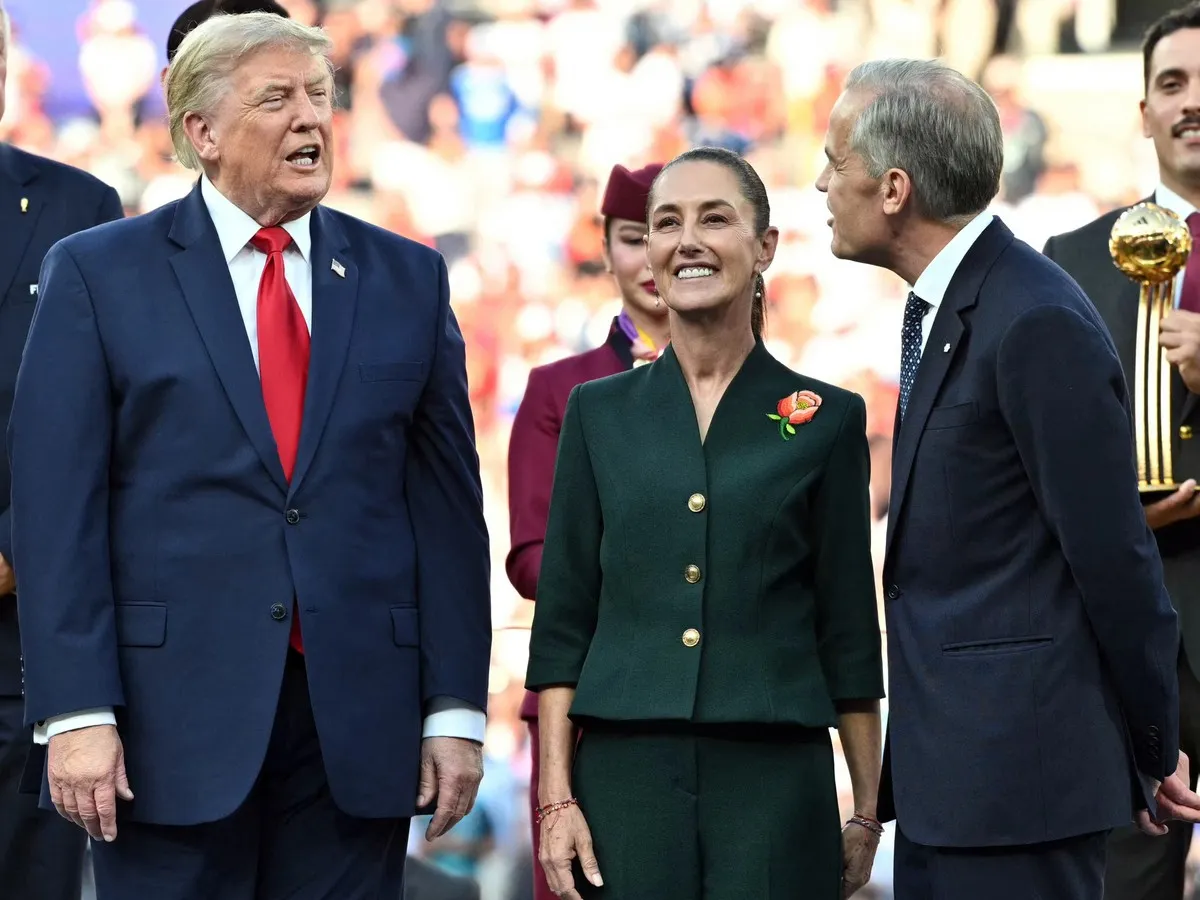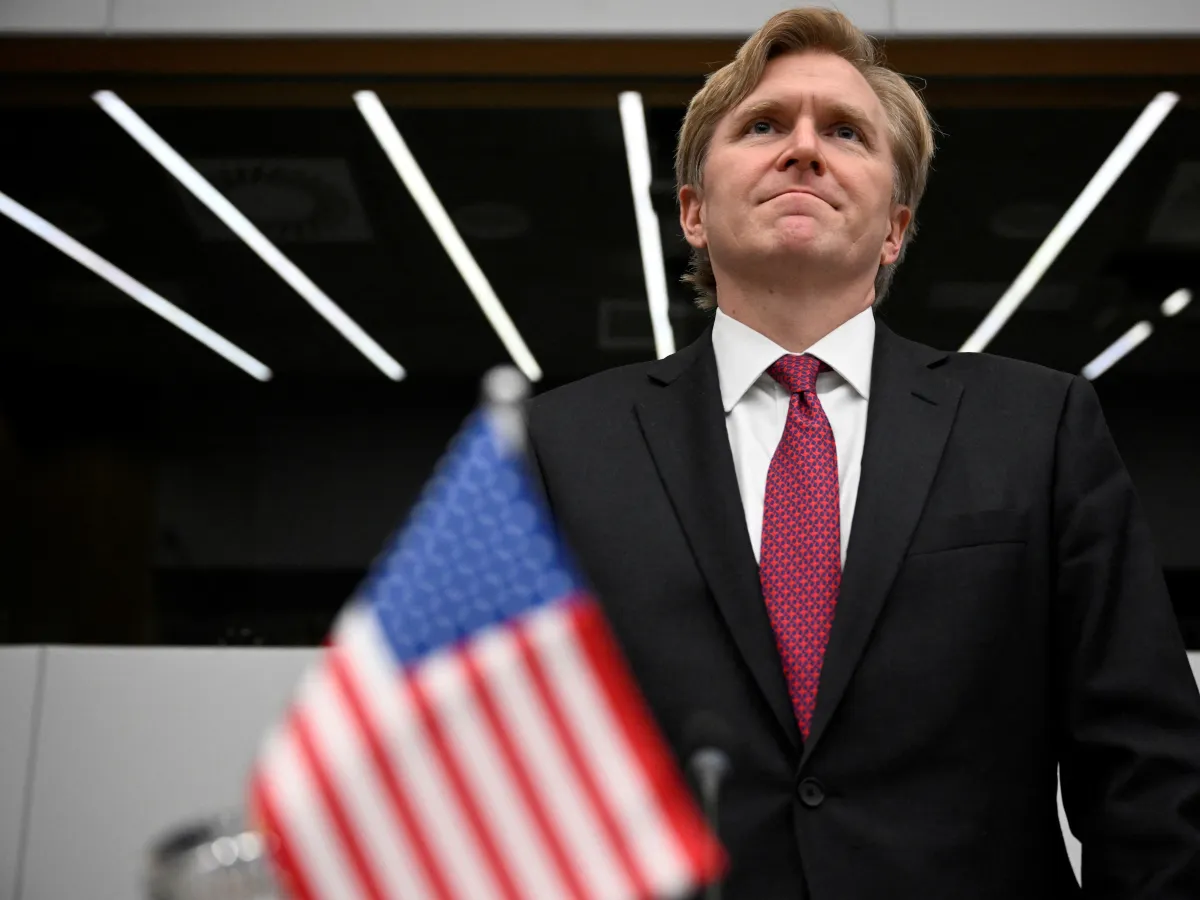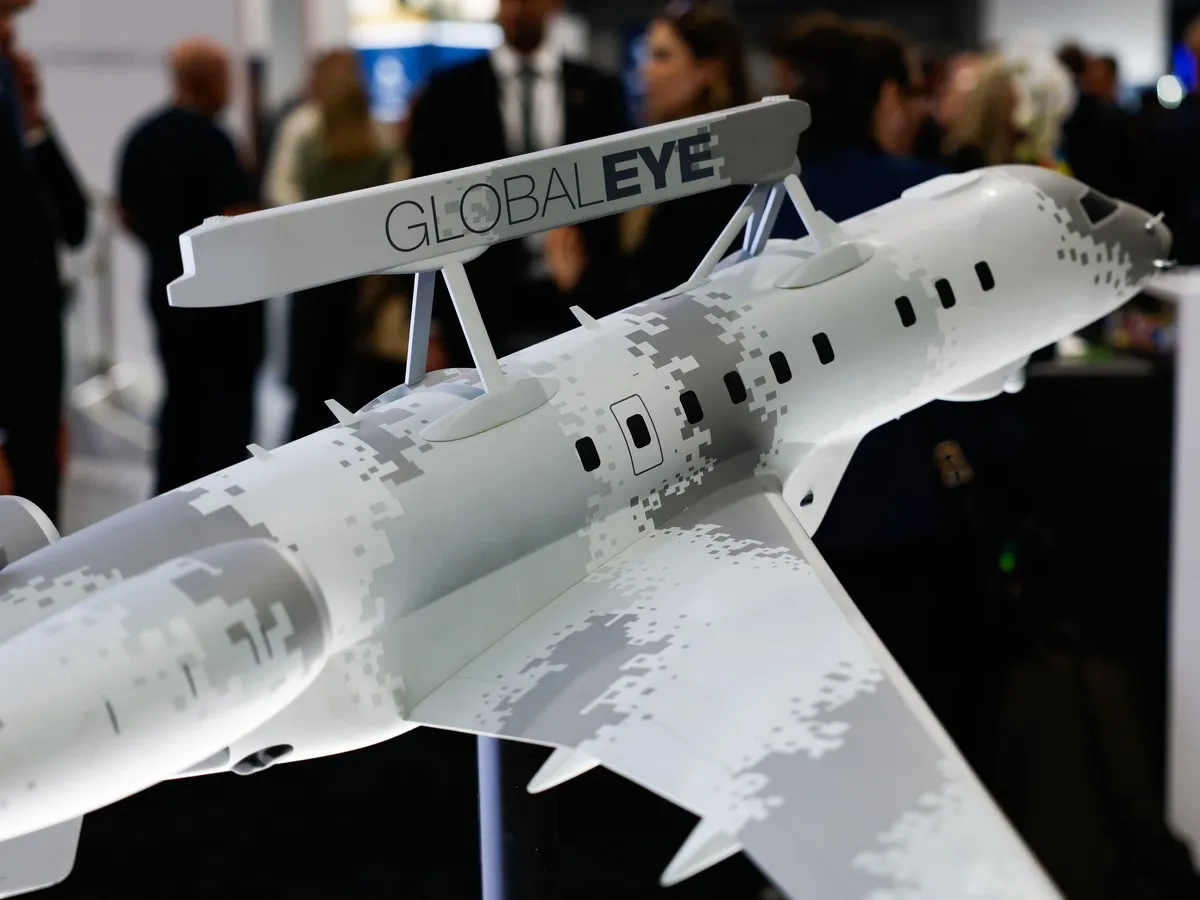
Skip to Content Subscribe Our Offers My Account Manage My Subscriptions FAQ Newsletters Canada Canadian True Crime Canadian Politics Health World Israel & Middle East Financial Post NP Comment Longreads Puzzmo Diversions Comics NP News Quiz New York Times Crossword Horoscopes Life Eating & Drinking Style Sponsored Play for Ontario Travel Travel Canada Travel USA Travel International Cruises Travel Essentials Culture Books Celebrity Movies Music Theatre Television Business Essentials Advice Lives Told Tails Told Shopping Buy Canadian Home Living Outdoor Living Tech Style & Beauty Kitchen & Dining Personal Care Entertainment & Hobbies Gift Guide Travel Guide Deals Savings National Post Store More Sports Hockey Baseball Basketball Football Soccer Golf Tennis Driving Vehicle Research Reviews News Gear Guide Obituaries Place an Obituary Place an In Memoriam Classifieds Place an Ad Celebrations Working Business Ads Archives Healthing Epaper Manage Print Subscription Profile Settings My Subscriptions Saved Articles My Offers Newsletters Customer Service FAQ Newsletters Canada World Financial Post NP Comment Longreads Puzzmo Diversions Life Shopping Epaper Manage Print Subscription HomeNewsCanada is ‘on notice’: Ottawa turns to Saab as U.S. defense pressure buildsPrime Minister Mark Carney urged people not to 'overplay the importance' of the pause You can save this article by registering for free here. Or sign-in if you have an account.Model of GlobalEye, Saab's Airborne Early Warning & Control (AEW&C) aircraft platform is on display at Saab booth at CANSEC defence trade show at Cohere Centre in Ottawa on Wednesday, May 27, 2026. Photo by HYUNGCHEOL PARK /PostmediaWASHINGTON, D.C. — Canada has put more than $65 billion toward defence and security over the past year and reached NATO’s 2 per cent of GDP benchmark — but that is no longer enough for Washington.Enjoy the latest local, national and international news.Exclusive articles by Conrad Black, Barbara Kay and others. Plus, special edition NP Platformed and First Reading newsletters and virtual events.Unlimited online access to National Post.National Post ePaper, an electronic replica of the print edition to view on any device, share and comment on.Daily puzzles including the New York Times Crossword.Support local journalism.Enjoy the latest local, national and international news.Exclusive articles by Conrad Black, Barbara Kay and others. Plus, special edition NP Platformed and First Reading newsletters and virtual events.Unlimited online access to National Post.National Post ePaper, an electronic replica of the print edition to view on any device, share and comment on.Daily puzzles including the New York Times Crossword.Support local journalism.Create an account or sign in to continue with your reading experience.Access articles from across Canada with one account.Share your thoughts and join the conversation in the comments.Enjoy additional articles per month.Get email updates from your favourite authors.Create an account or sign in to continue with your reading experience.Access articles from across Canada with one accountShare your thoughts and join the conversation in the commentsEnjoy additional articles per monthGet email updates from your favourite authorsSign In or Create an AccountorThe United States has paused its participation in the Permanent Joint Board on Defense (PJBD), a World War II–era U.S.-Canada defence board.Under Secretary of War Elbridge Colby announced the pause on May 18, noting that “Canada has failed to make credible progress on its defence commitments” — namely, a plan to reach 5 per cent of GDP by 2035.He also criticized recent Canadian rhetoric, saying Ottawa should prioritize hard power.Get a dash of perspective along with the trending news of the day in a very readable format.By signing up you consent to receive the above newsletter from Postmedia Network Inc.A welcome email is on its way. If you don't see it, please check your junk folder.The next issue of NP Posted will soon be in your inbox.We encountered an issue signing you up. Please try againPrime Minister Mark Carney responded, urging people not to “overplay the importance” of the pause and vowing to diversify defence ties.On Wednesday, Carney announced that Ottawa had entered negotiations to buy the GlobalEye, Saab’s Airborne Early Warning & Control (AEW&C) aircraft platform. If talks lead to a purchase, this would see Ottawa opting for a European product over two American options: Boeing’s E-7A Wedgetail and L3Harris’s Aeris X.So was putting the PJBD on ice a signal of a broader shift in Washington?Jennifer Kavanagh, a senior fellow and director of military analysis at Defense Priorities and an adjunct professor at Georgetown University’s Center for Security Studies, says it was “mainly symbolic.”“The Joint Board has met only seven times in the past decade and not at all since Trump returned to the White House,” she said. “This board was much more important during World War II than it is today,” she said. “Getting rid of it entirely would have no practical effect on Canada’s defence or its cooperation with the United States.”Richard Shimooka, senior fellow at the Macdonald-Laurier Institute, agreed, noting the board has little demonstrable policy or operational impact. “Its effect is more latent,” he said, adding that he couldn’t think of any significant decisions taken by the PJBD.Regardless of the PJBD’s status, experts say that North American defence remains secure.Whether it’s through NATO, NORTHCOM, or NORAD, continental defence occurs at many levels, Kavanagh noted, and that cooperation is “unlikely to be damaged by the pause.” Still, she sees the PJBD’s pause as a way of punishing Canada. “Trump has signalled a willingness to act punitively toward allies he perceives as not doing enough on defence,” she said. Katherine Thompson, senior fellow for defence and foreign policy studies at the CATO Institute, said the pause reflects “America First” prioritization in action.“This is exactly what prioritization is meant to be in practice … if this thing is not working for American interests, we have to reevaluate it.”But it’s also a signal that longstanding arrangements are no longer automatic.“It puts Canada … on notice,” Thompson said, that the U.S. sees Canada benefiting more from the arrangement and not pulling sufficient weight when it comes to ensuring Western Hemisphere defence.So, is this a major policy shift?Shimooka said he doesn’t think this reflects a new Canada strategy. In fact, he suggested that Canada was low on the list of priorities.“Canada-U.S. relations and defence are probably not even among the top 10 issues that are confronting the Department of War,” he said.Rather than being a big policy change, Shimooka suggested that Colby had taken an opportunity to flex some muscle with a board that doesn’t really have a “heavy policy community,” because there would likely be little pushback.“This was a bit of policy entrepreneurship from Colby,” he added.Thompson says there’s more to it than that. She believes it underscores how the U.S. is actively reassessing the balance of allied contributions. Rhetoric matters as much as spending, she said, citing Carney’s Davos speech.“The rhetorical signals are a choice … and those choices … can come with consequences.”Aligning with U.S. strategic priorities — both verbally and with defence spending — matters to the Trump administration, as does improved burden sharing, Thompson explained.Getting to 5 per cent GDP on NATO defence spending needs to happen more quickly than by 2035, according to Thompson.She also noted that the White House is frustrated about Canada being a major contributor to Ukraine because it undermines some of the demands Washington has tried placing on Kyiv — while taking away from what Ottawa could be spending on allied defence.“[The pause is] … a gentle tug — are you more in the European theatre … or in the Western Hemisphere?” Thompson said.Canada’s slow speed in hitting the 2 per cent mark has been an irritant for years. That capability gap, said Shimooka, is a real and longstanding issue, and Washington’s frustration is not just political theatre. There’s a lack of deployable, modern capabilities, he said. Two per cent was merely “the minimum,” he said, not a solution.Shimooka pointed to how Canada’s procurement delays and its mixed signals over whether it will continue buying U.S. F-35s, for example, irritate the White House.Ottawa may see its review of whether to continue purchasing F-35s, as opposed to the Swedish Gripen fighter jet, as a way to gain leverage in trade negotiations, but the U.S. sees things differently, he explained.That political gamesmanship, he said, “does not go over well with the Trump administration.”“It’s not really a bargaining chip.”The F-35 vs. Gripen decision remains up in the air, but Wednesday’s announcement about the talks with Saab suggests that Carney is looking to diversify with European defence products.Shimooka cautioned against jumping to any conclusions, noting that the prime minister’s press release said Ottawa was merely entering negotiations. Should talks lead to purchasing, he said, it would be terrible for U.S.-Canada relations.“It’d be a disaster. It would really wreck relations,” he said, “and it wouldn’t just be with the Trump administration,” noting that Democrats would also oppose such a move.Shimooka also said the U.S. determines whether European purchases can be made interoperable with NORAD systems.Kavanagh applauded the announcement and said this is exactly what Canada should be doing. She said integrating them into NORAD would be doable.“Most allies, including Sweden, build systems that are broadly interoperable with U.S. systems for the purposes of NATO cooperation,” she said.Canada, she cautioned, “should not be focusing only on defence through NORAD but also building its own defence outside this framework.“This purchase is a step in that direction.”While the U.S. can deny permission for making purchases interoperable with NORAD, Kavanagh said Washington “could do the same if Canada bought U.S.-made jets.”National PostOur website is the place for the latest breaking news, exclusive scoops, longreads and provocative commentary. Please bookmark nationalpost.com and sign up for our newsletters here. Join the Conversation This website uses cookies to personalize your content (including ads), and allows us to analyze our traffic. Read more about cookies here. By continuing to use our site, you agree to our Terms of Use and Privacy Policy.
Canada is ‘on notice’: Ottawa turns to Saab as U.S. defense pressure builds
Carney’s defense plans draw sharp U.S. response, as Washington presses for more spending, hard commitments, and more allied burden-sharing.
1,627 words~7 min read