in Architecture, History | May 28th, 2026 Leave a Comment
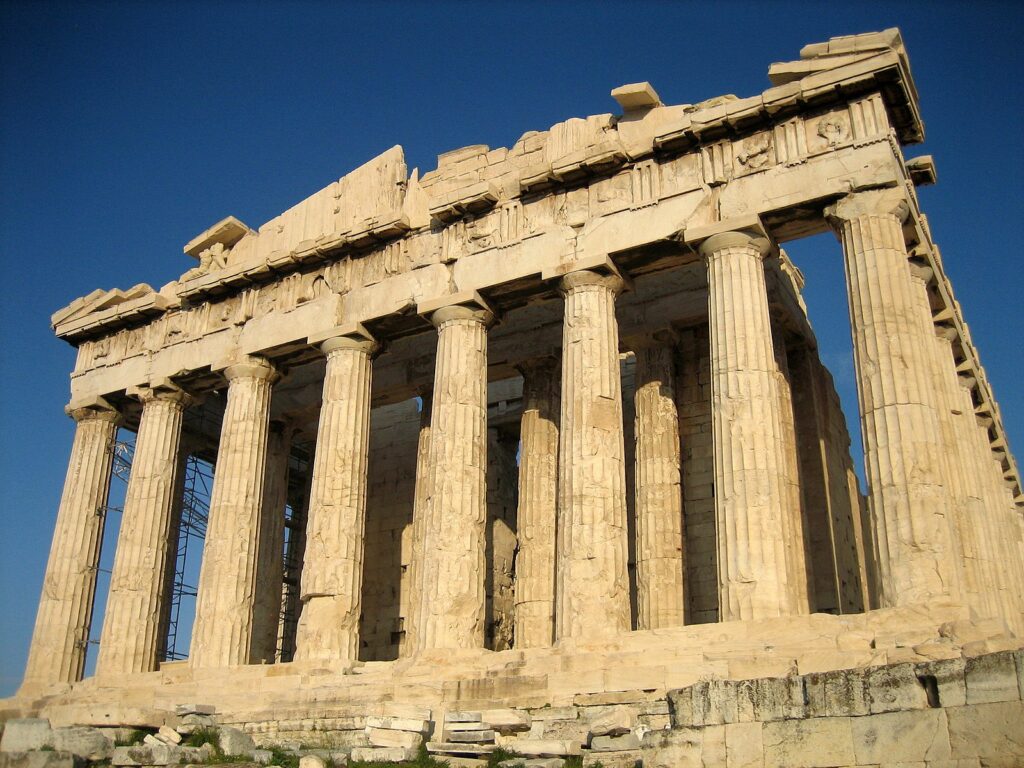
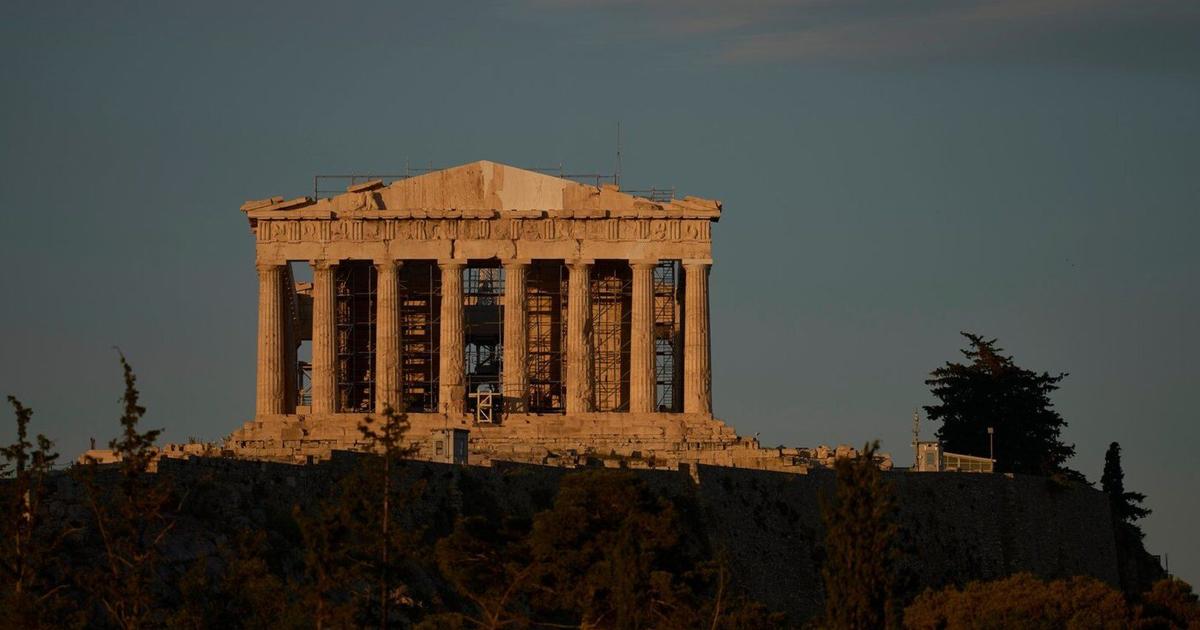
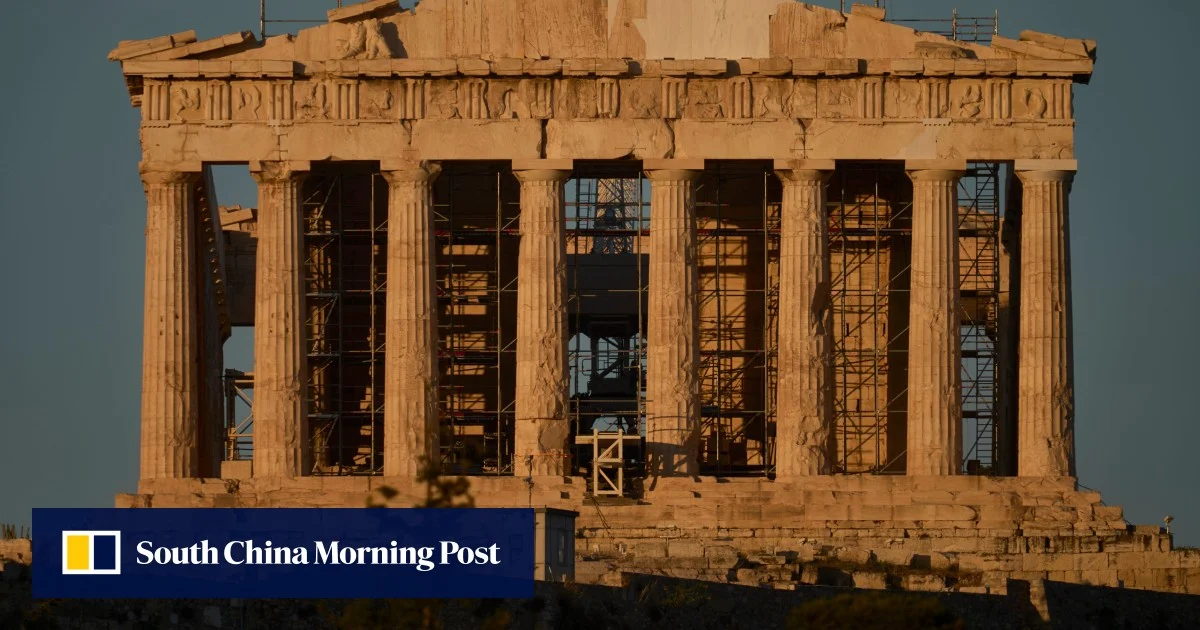
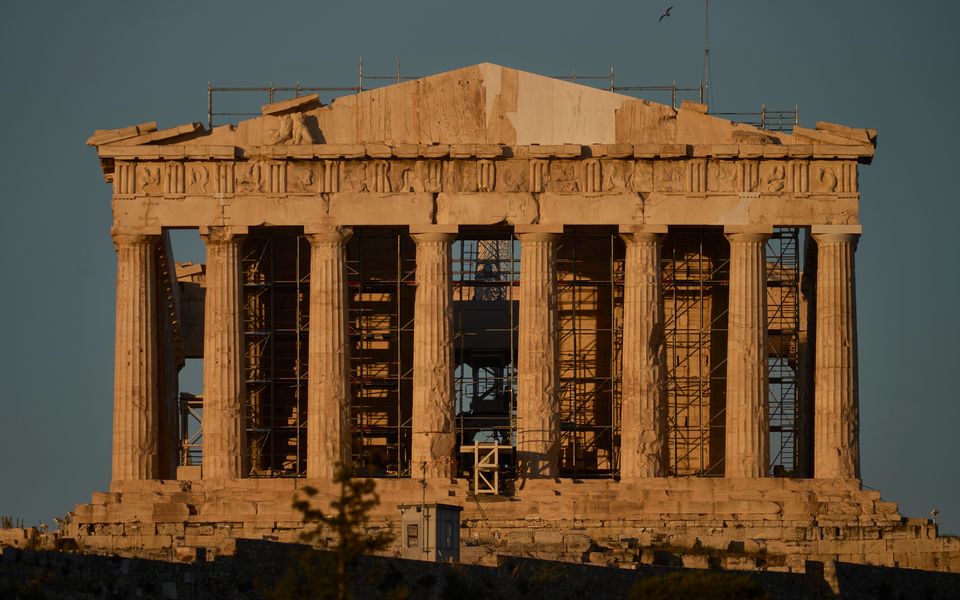
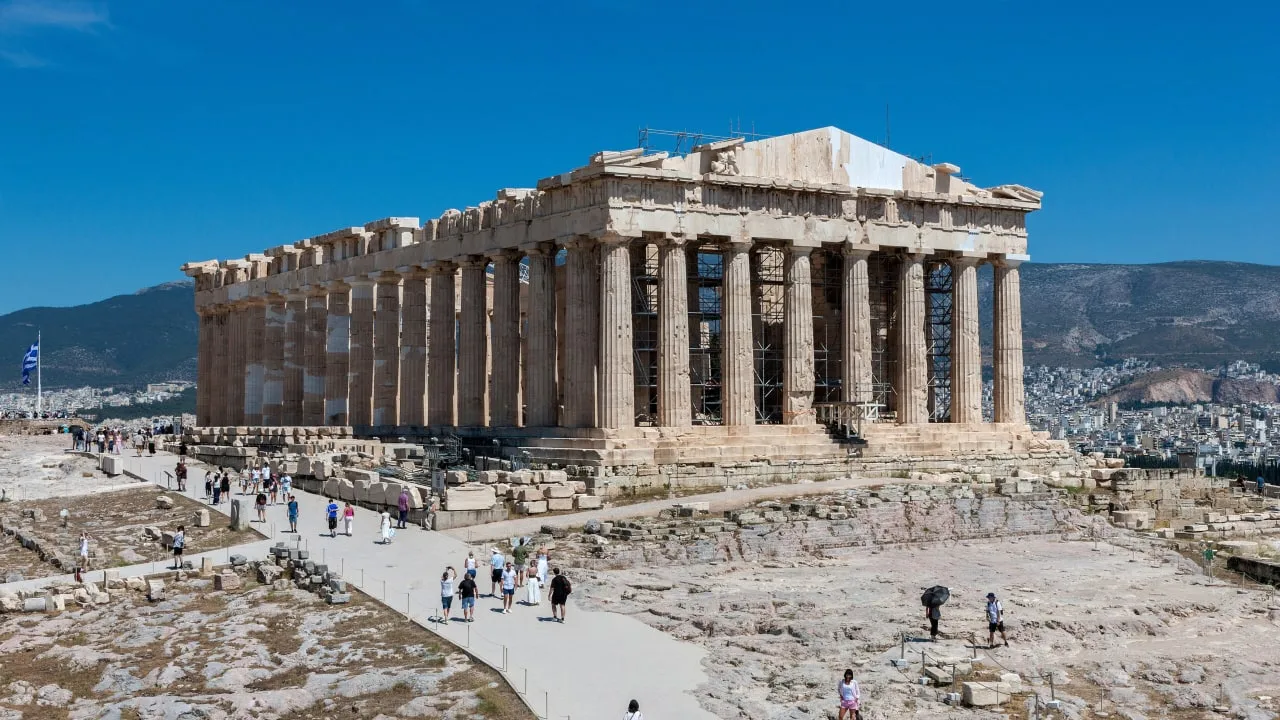
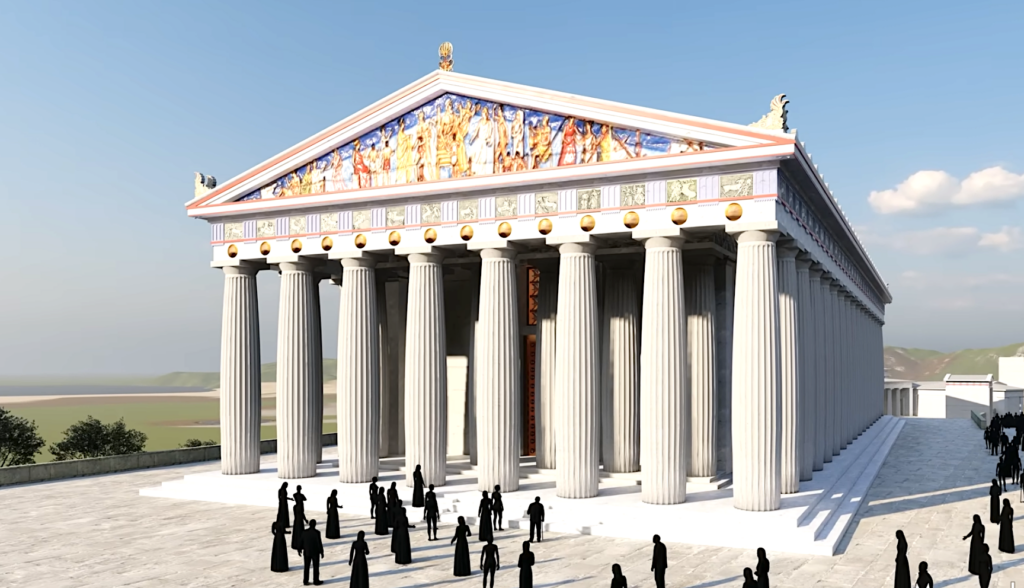
Since it was first built as a Mycenaean fortress in the thirteenth century BC, what we now know as the Acropolis has been used to worship not just Greek gods, but also, in later periods, the Virgin Mary and Allah. Now, of course, with its days of military and religious functions long behind it, it stands as a set of ruins. Still, they’re very popular ruins, as evidenced by the crowds captured in the video above from Manuel Bravo. Though most tourists at the Acropolis come with the idea that its buildings would have looked more glorious in the distant past, few can have much of a sense of how to imagine that with any accuracy. Using 3D models, Bravo integrates views of how the Parthenon, the Temple of Athena Nike, and other structures look now with how they would have looked in Athens’ golden age.
To fully appreciate the Acropolis requires not just an idea of how it was originally intended to look, as Bravo emphasizes, but also the intentions of ancient Greek architecture. The approach up the hill was meant to feel like an ascent from the mundane world into the sacred one.
Entering the central space on top, the visitor was led to viewing points that showed the surrounding collection of buildings at their most dramatic, a design the architects might have described as cinematic, had cinema existed at the time. Even in its ruined state, the Acropolis still transmits a sense of how, where, and to what degree that visitor was meant to be filled with awe, as well as where he was meant to look. And nothing up there — at least in the absence of Phidias’ thirty-foot statue Athena Promachos — draws attention as deliberately as the Parthenon.