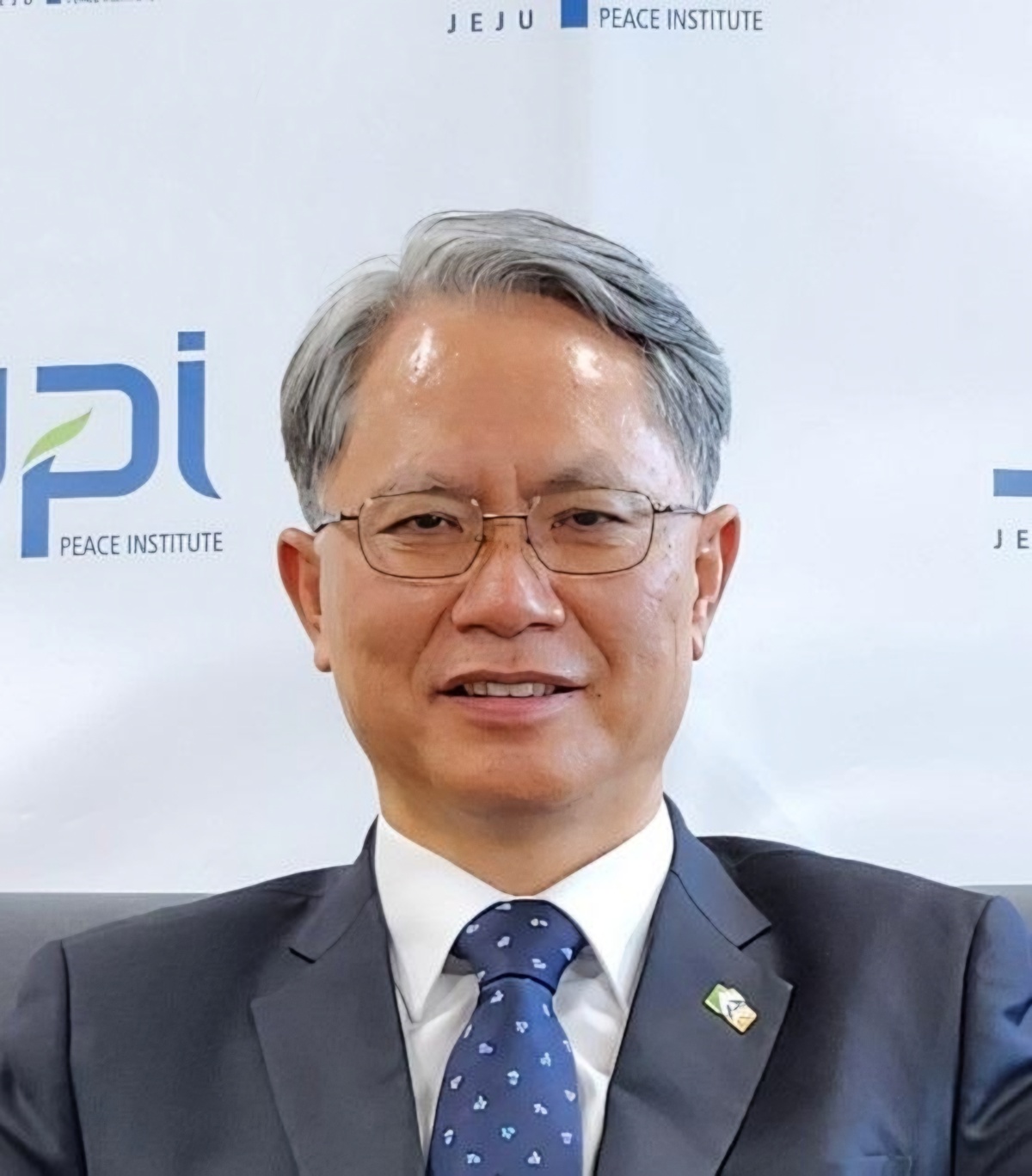
Choi Chang-yong
The author, a professor at Seoul National University's Graduate School of Public Administration, is an advisory board member of the JoongAng Ilbo Reset Korea campaign.
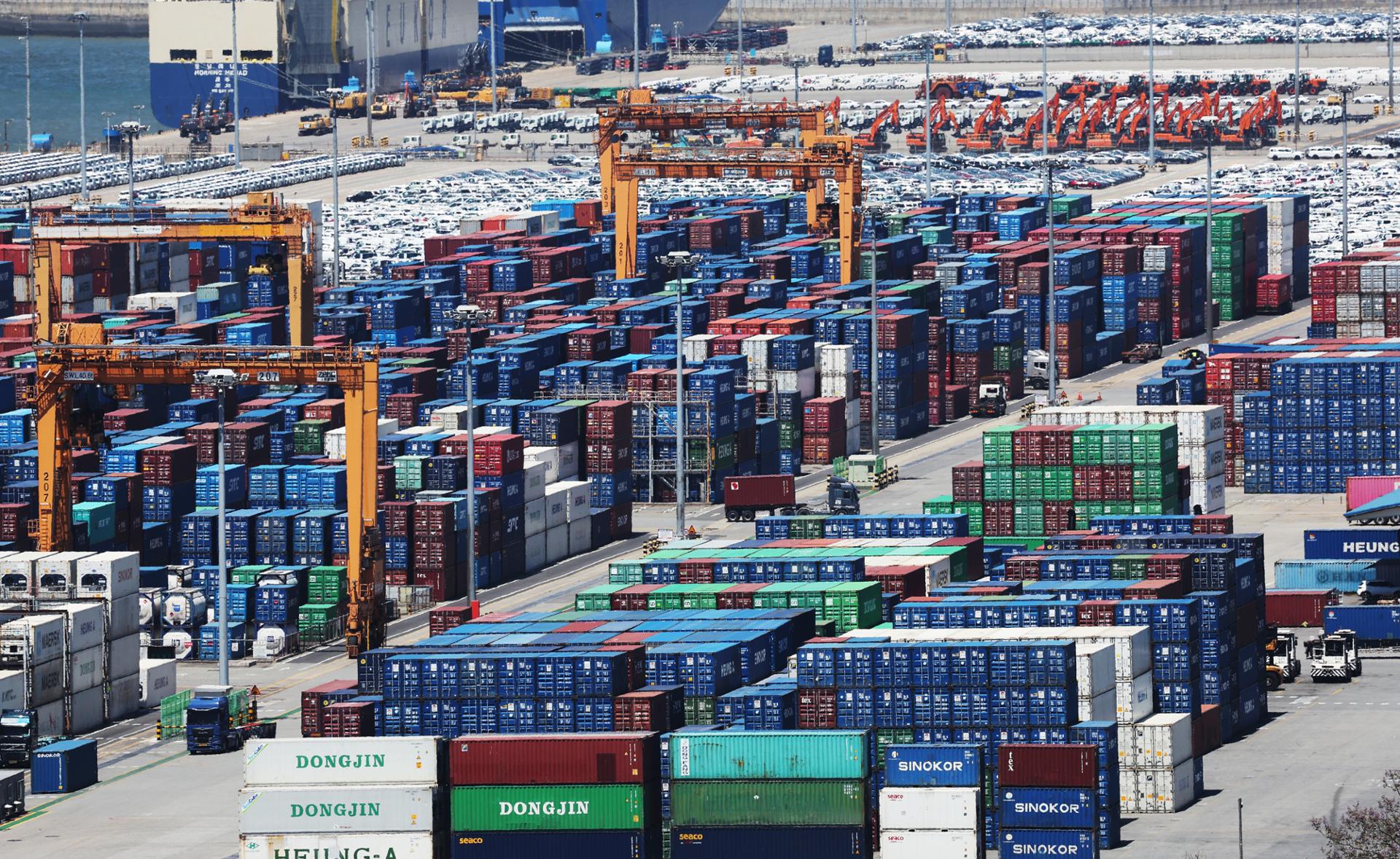
Korea built its national strength through exports, overcoming the limits of a small domestic market, scarce natural resources and the constraints of division. Competing with the world made the country stronger. Semiconductors, automobiles, shipbuilding, batteries, biotechnology and defense industries symbolize that accumulated strength. Even the recent milestone of the domestic stock market surpassing 7 quadrillion won ($4.67 trillion) in market capitalization was made possible by competitiveness rooted in manufacturing and exports. Yet Korea must now go beyond simply reaching outward to the world. It must also develop the depth to allow the world to enter, settle and grow within Korea itself.
Justice Minister Jung Sung-ho announces the “2030 Immigration Policy Future Strategy” at the Justice Ministry briefing room in the Government Complex Gwacheon on March 3. [YONHAP]
At a time of low birthrates, rapid aging, regional decline, labor shortages and intense global competition for talent, Korea’s future will depend on how it can attract people, capital, technology and data, and enable them to remain in the country and generate new value.