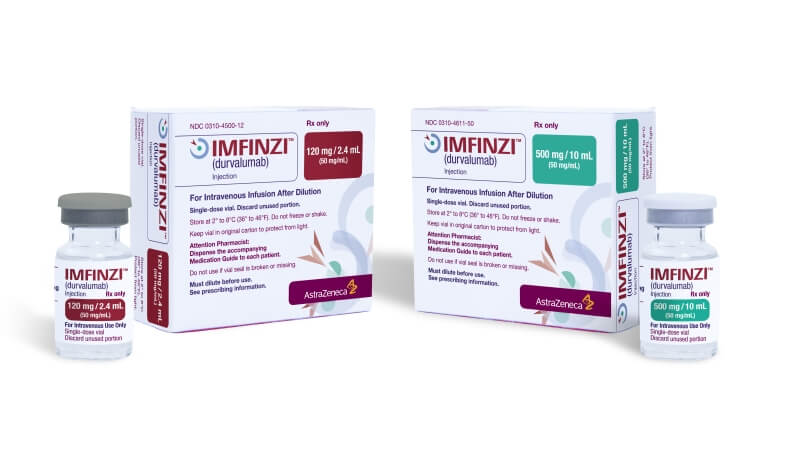
AbbVie’s ADC has secured FDA clearance for an ultra-rare blood cancer while the agency has delayed its decision on AstraZeneca’s oral SERD for breast cancer.
AbbVie has secured an approval for its ADC in a ultra-rare blood cancer, while the FDA has delayed its decision on AstraZeneca’s oral SERD, camizestrant, in a form of frontline breast cancer. Credit: Poetra.RH / Shutterstock.com.
As core operations at the US Food and Drug Administration (FDA) remain stable despite ongoing shifts in senior leadership, the agency has made some notable decisions in the realm of oncology, with AbbVie’s blood cancer therapy securing approval while AstraZeneca’s breast cancer drug faces an extended review.
In a first for blastic plasmacytoid dendritic cell neoplasm (BPDCN), an ultra-rare and highly aggressive blood cancer, patients will now be eligible for treatment with an antibody-drug conjugate (ADC), as AbbVie has obtained the regulatory green light for its CD123-targeting therapy, Decnupaz (pivekimab sunirine). Discover B2B Marketing That Performs
Combine business intelligence and editorial excellence to reach engaged professionals across 36 leading media platforms.