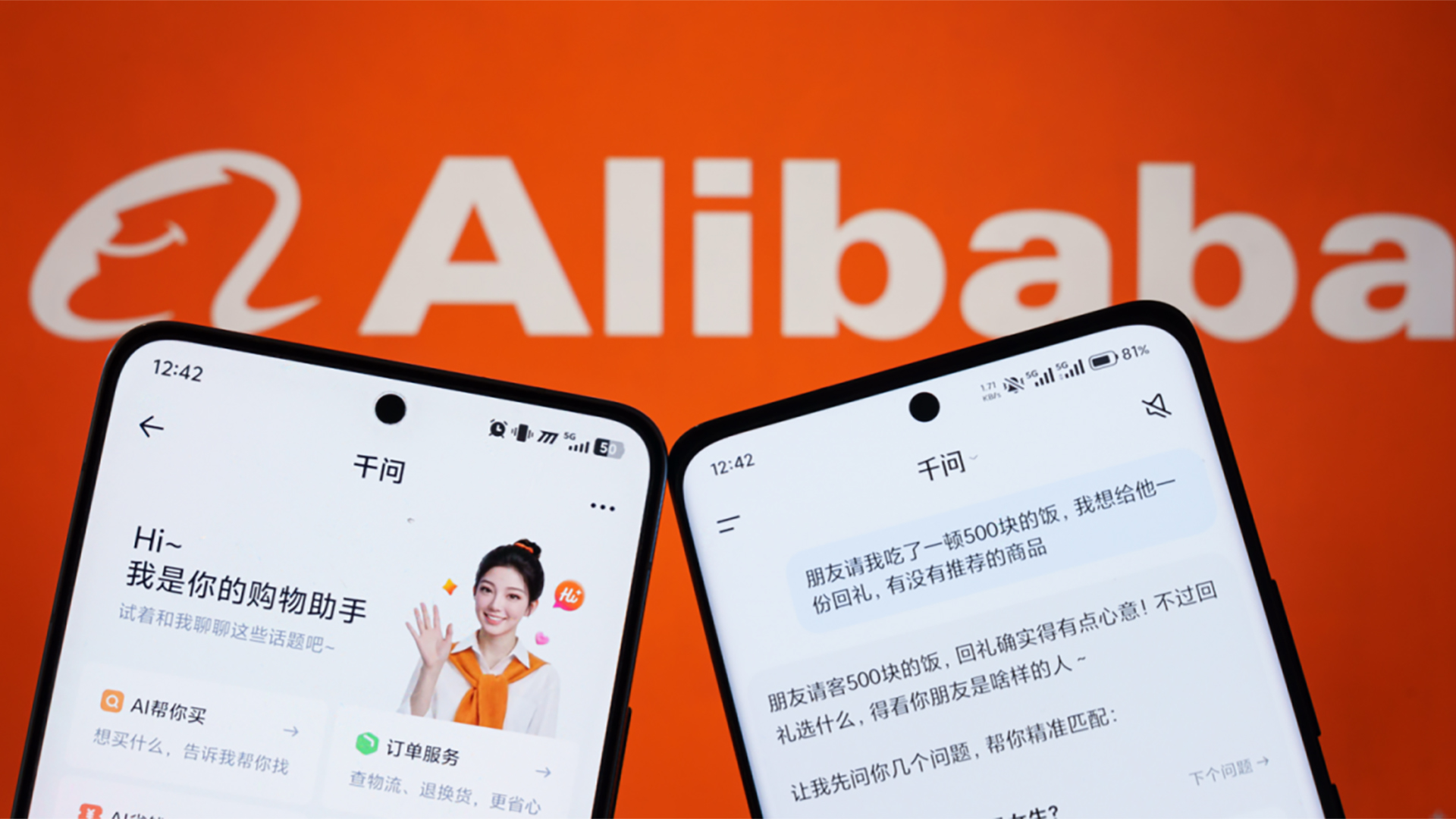
On May 11, Alibaba announced the full integration of Qwen and Taobao. Users can now select products, compare options, and make purchases on Taobao through conversations with the Qwen app. Taobao has also launched a Qwen-powered shopping assistant.
Before this, global tech giants had spent two years testing the integration of artificial intelligence into shopping. Amazon said its shopping assistant Rufus had accumulated more than 250 million users in 2025 and was expected to bring the company USD 10 billion in additional annual sales. In January 2026, Google also announced partnerships with retailers including Walmart and Shopify to launch AI shopping features in Gemini.
OpenAI, meanwhile, launched ChatGPT’s “Instant Checkout” feature last September, only to announce in March this year that it would abandon the effort.
A global race over whether AI can actually buy things for users has begun, even as companies take diverging paths.
The idea of AI buying things for people has appeared in science fiction for at least 30 years. In Iron Man, Jarvis can complete orders with a few spoken words. In the 2013 film Her, an AI assistant handles everyday tasks through conversation. When Amazon released Echo in 2014, Jeff Bezos envisioned users shopping through AI with a single sentence.