TL;DRChina’s tech giants are replacing the traditional e-commerce search bar with AI agents that can find, compare, and purchase products through natural conversation. Alibaba’s Qwen assistant, now integrated with Taobao’s four-billion-item catalogue, has reached 300 million monthly active users, while Alipay processed 120 million AI-agent transactions in a single week in February. Meituan, JD.com, ByteDance, and Tencent are all racing to deploy similar capabilities.
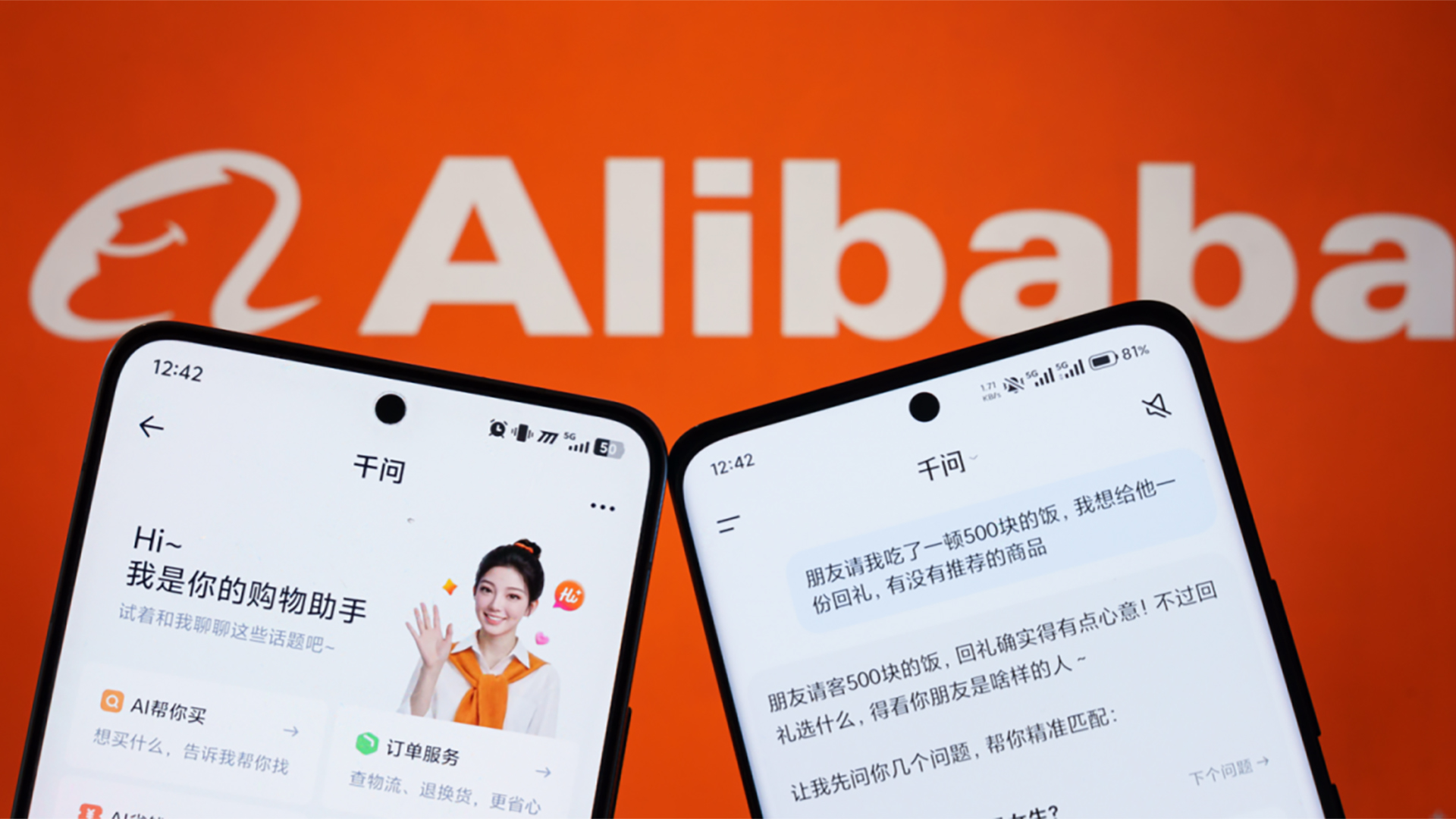
For years, buying something online in China meant typing keywords into a search bar and scrolling through an endless grid of listings. That ritual is being dismantled. On Monday, Alibaba Group integrated its Qwen artificial intelligence assistant with Taobao, its largest marketplace, giving the chatbot access to a catalogue of more than four billion products. A shopper can now describe what they want in plain language, have the AI narrow the options by budget, brand, or occasion, and complete the purchase without leaving the conversation. It is the most ambitious deployment of agentic commerce, the use of AI agents to carry out transactions on a user’s behalf, that any major platform has attempted.
Alibaba is not acting alone. In January, Meituan, China’s dominant on-demand delivery platform, placed a virtual AI companion at the centre of its app’s navigation bar to help users find restaurants and entertainment. JD.com launched its own AI shopping assistant, Jingyan, in 2023 and has since accumulated more than 50 million users. ByteDance upgraded its Doubao AI chatbot in December to autonomously handle tasks such as ticket bookings through Douyin, the Chinese version of TikTok. Tencent is building AI agent capabilities into WeChat, which has 1.3 billion monthly active users. The country’s roughly 975 million online shoppers are being enrolled, whether they realise it or not, in a nationwide experiment to replace the search bar with a conversation.