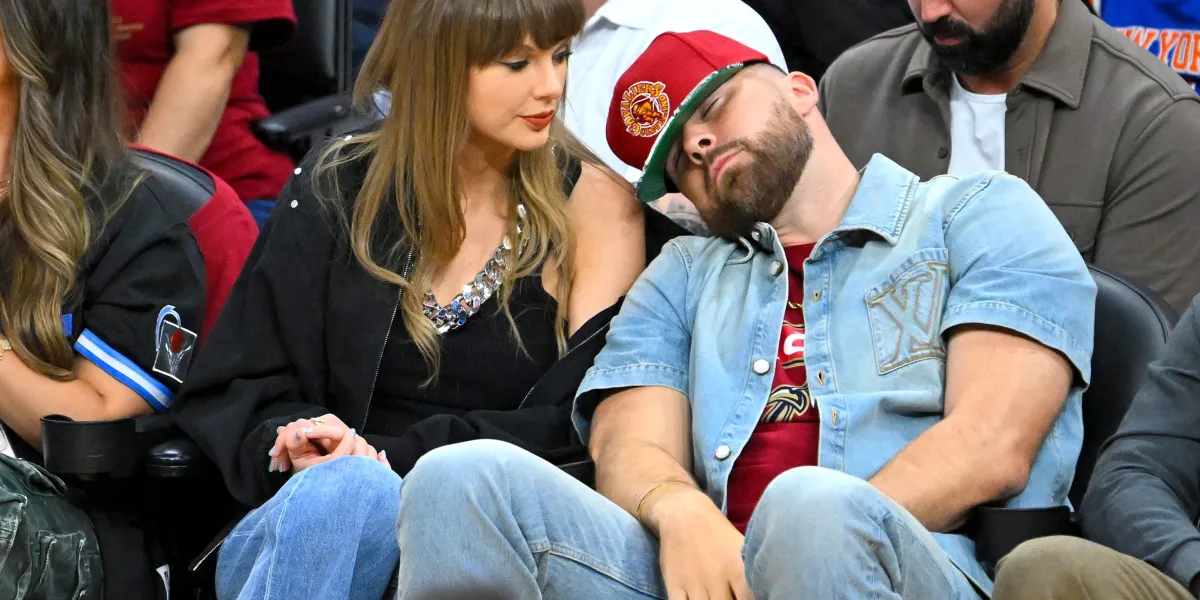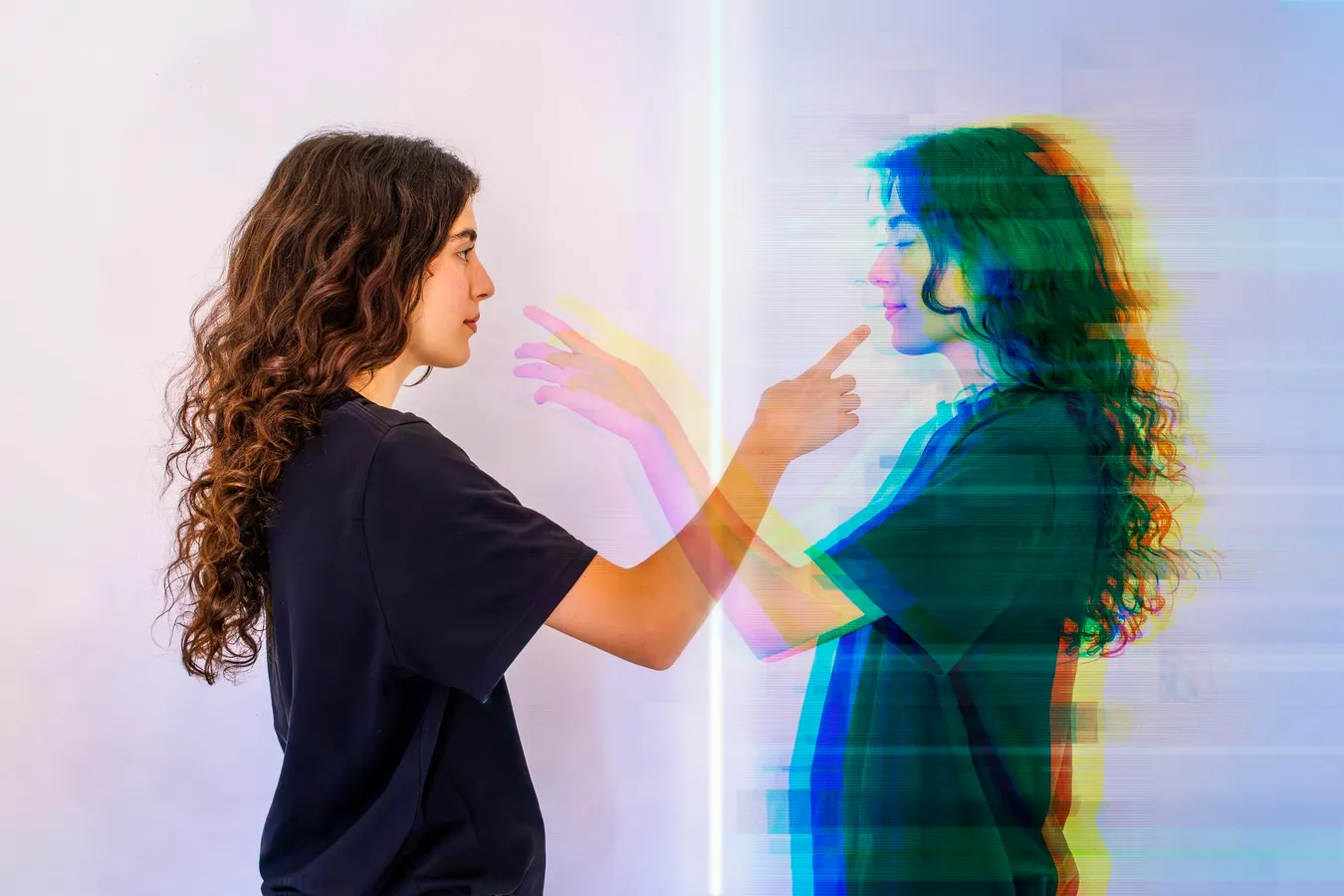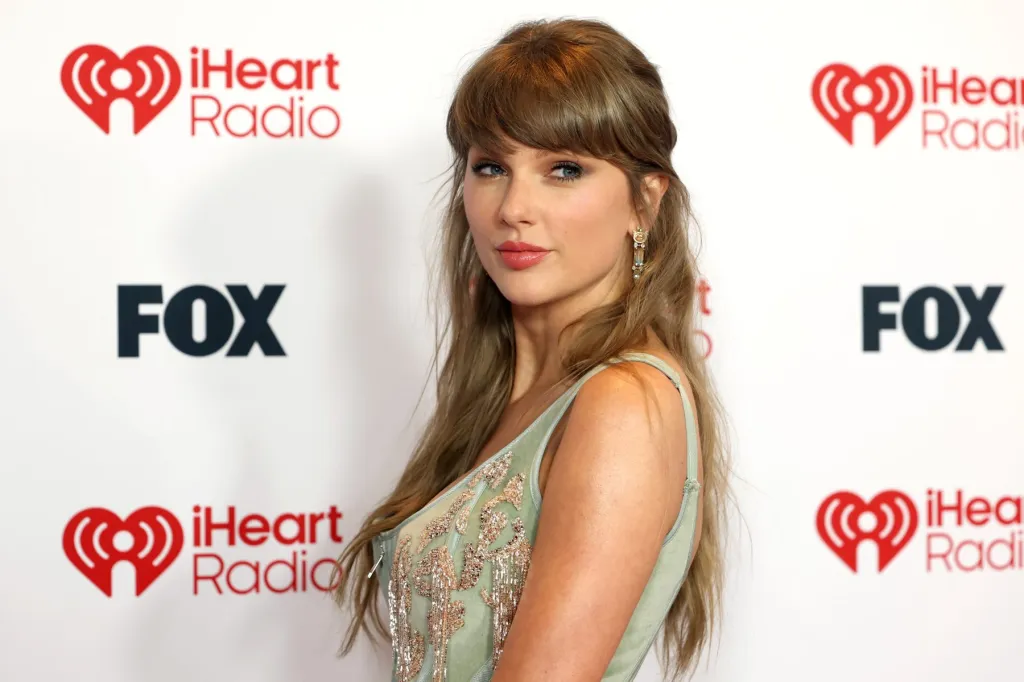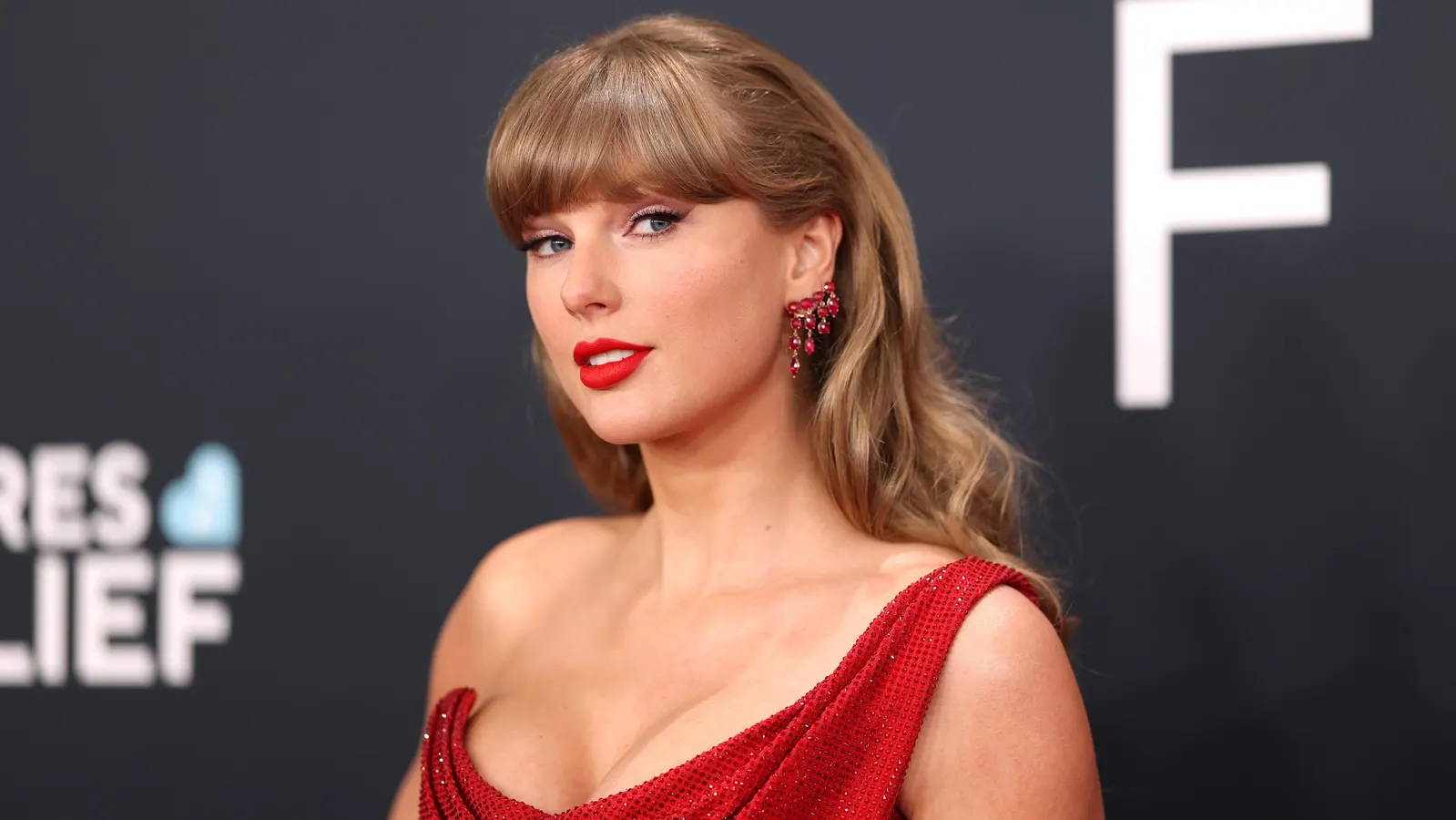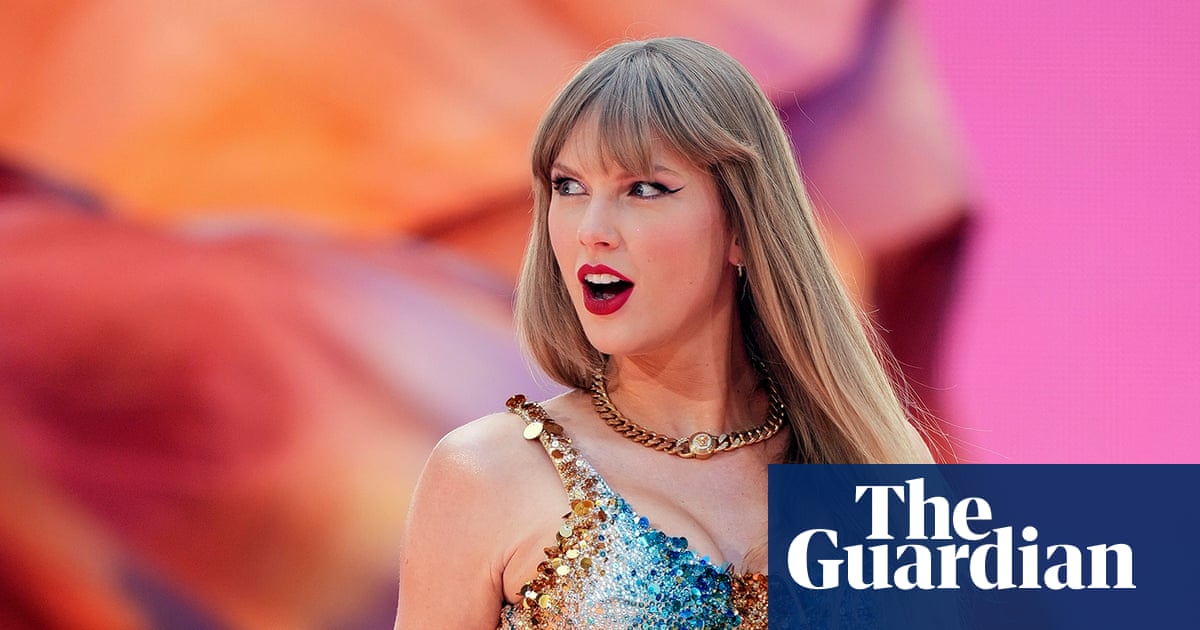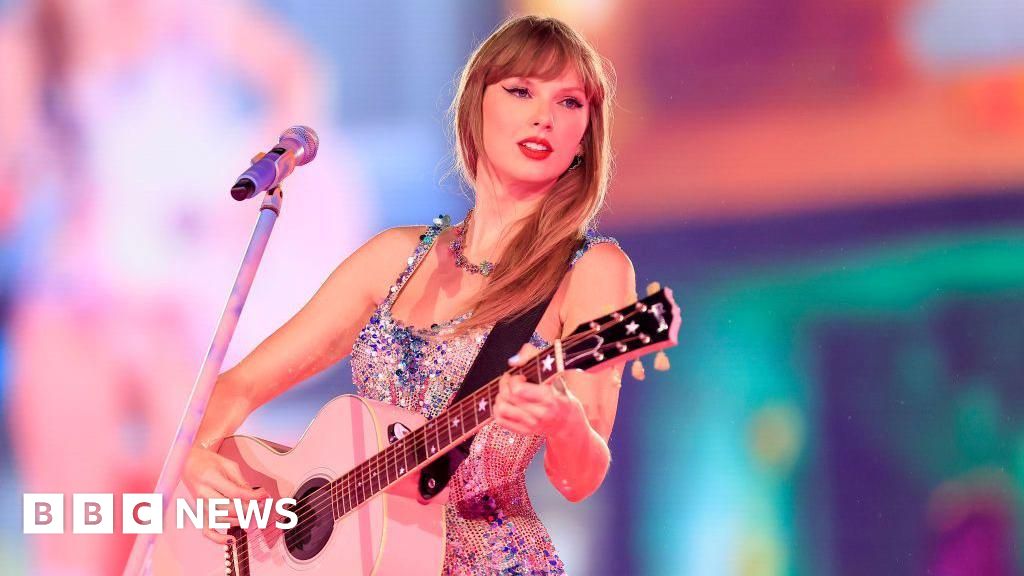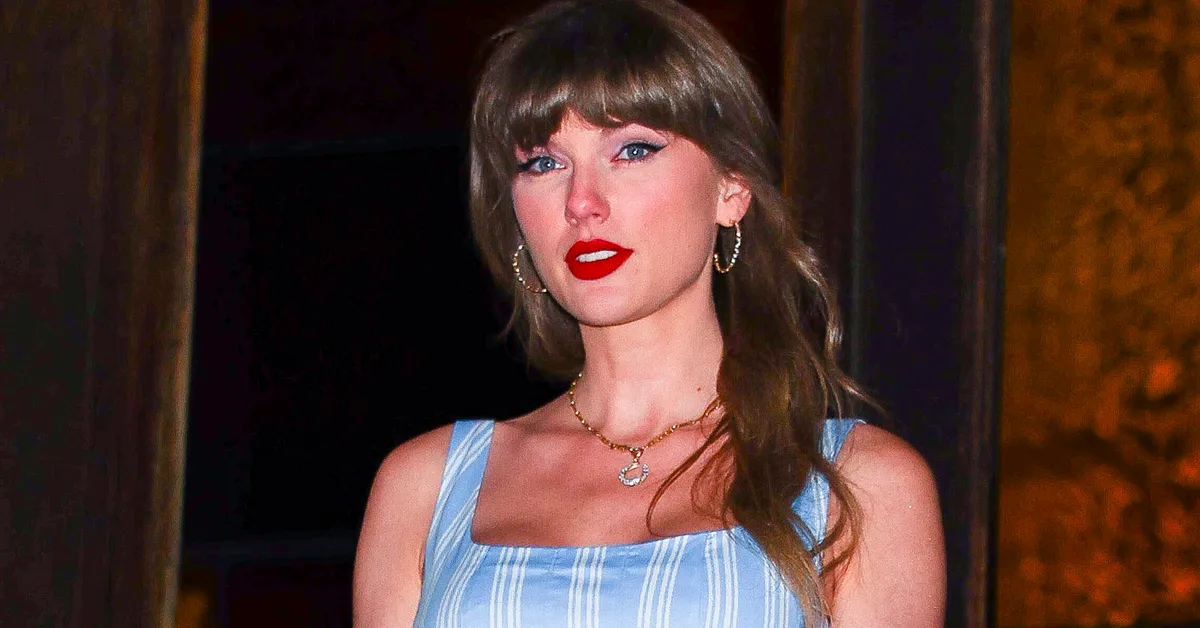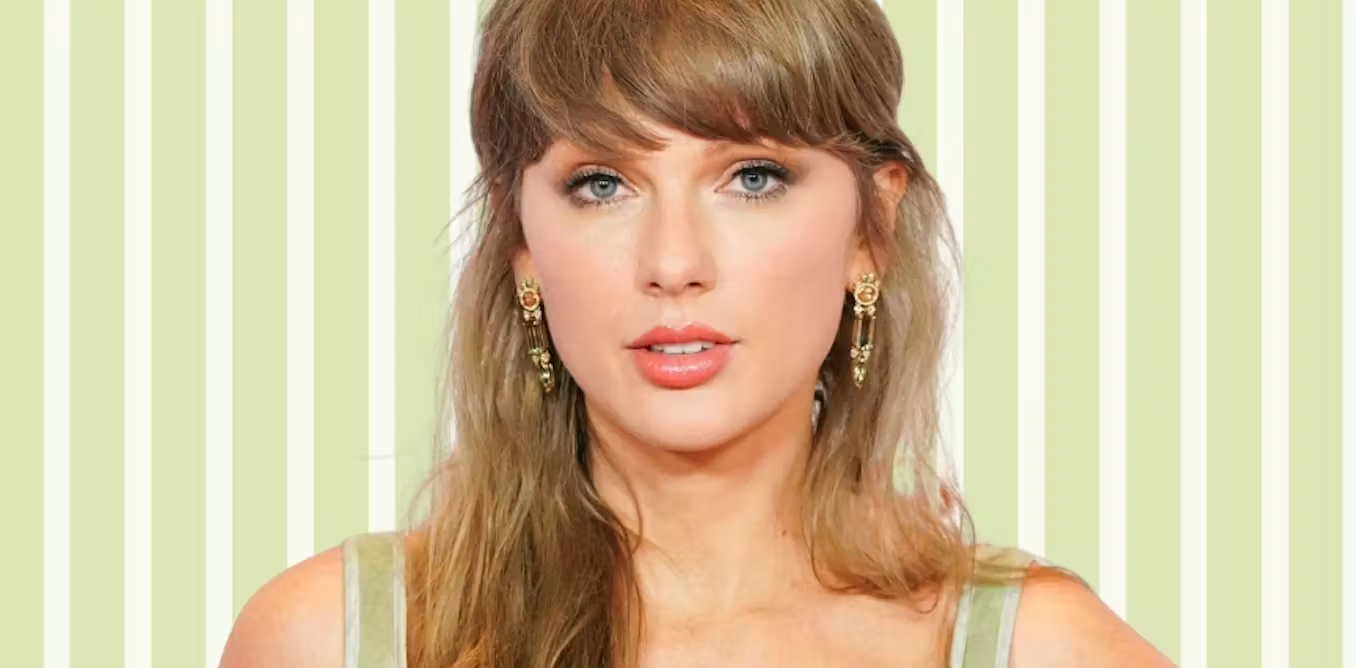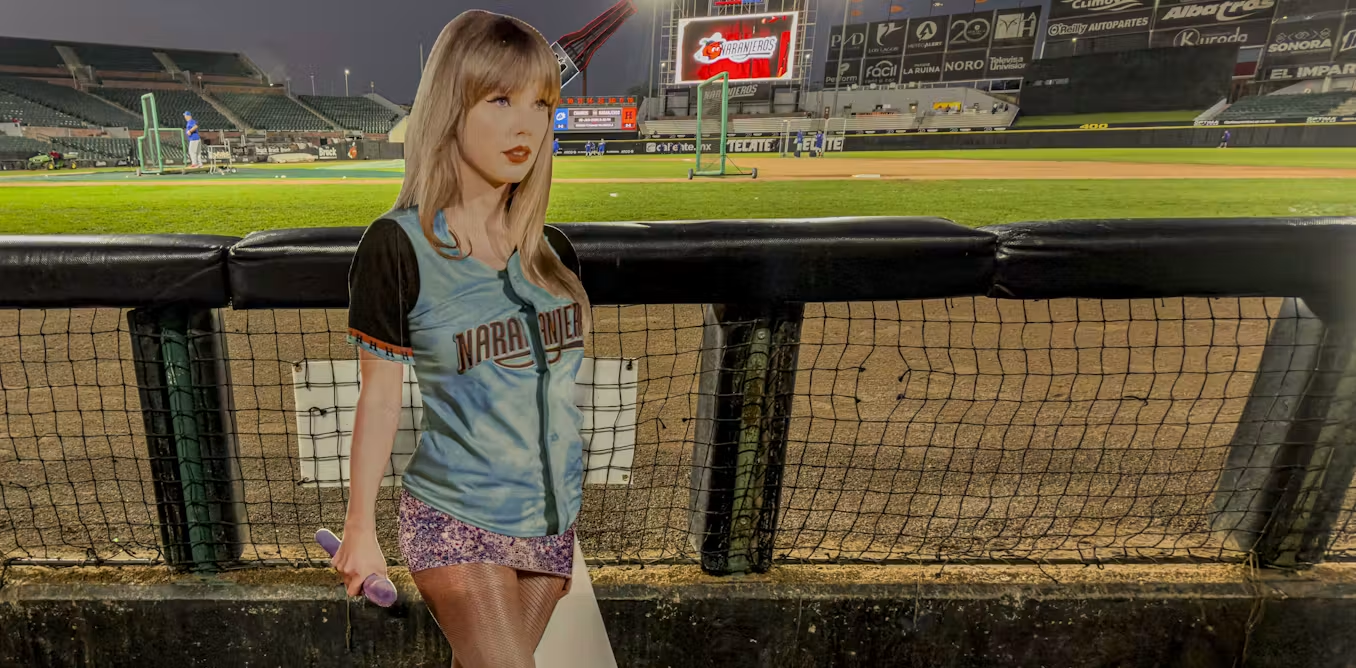
As one of the most popular celebrities in the world, Taylor Swift has already endured her share of AI-related abuse.
Fake nudes of the singer have spread widely online. Her voice and likeness have also been used to create fabricated political messages and bogus product endorsements.
In April 2026, Swift pushed back. Her intellectual property and brand management company, TAS Rights Management, filed trademark applications covering short audio clips of her voice and her visual likeness.
As a law professor, I was struck by Swift’s filings because they highlight a new legal frontier in artificial intelligence.
Most AI-related litigation has centered on copyright law, which protects creative works such as songs, books, photographs and recordings from being copied, distributed, adapted or publicly performed without permission.