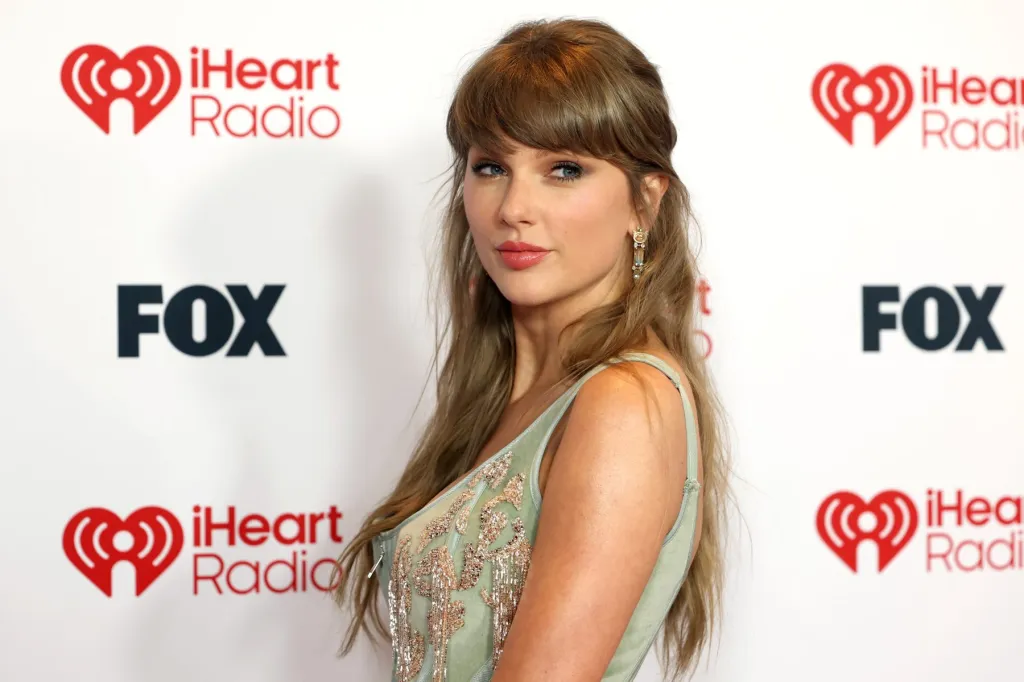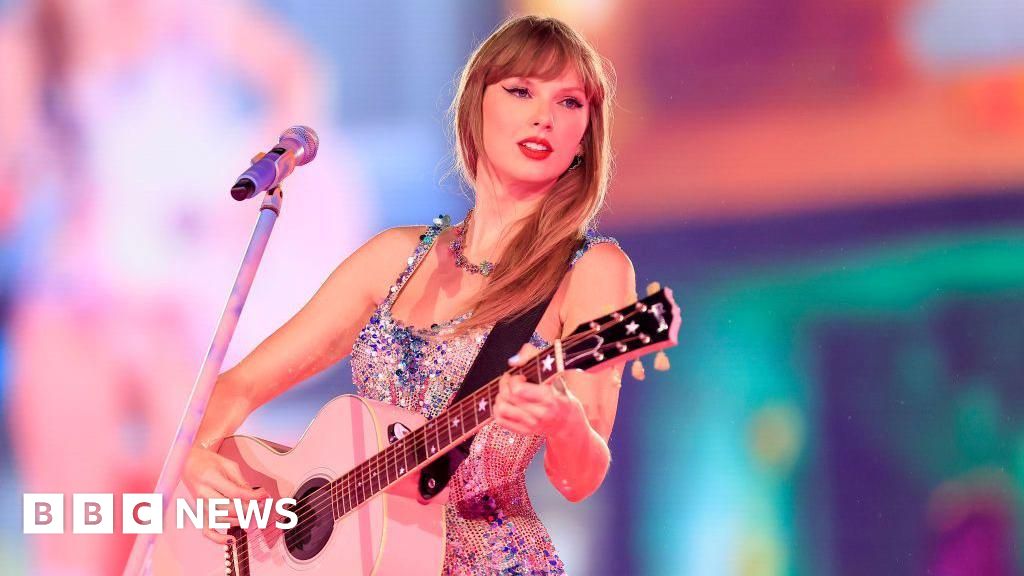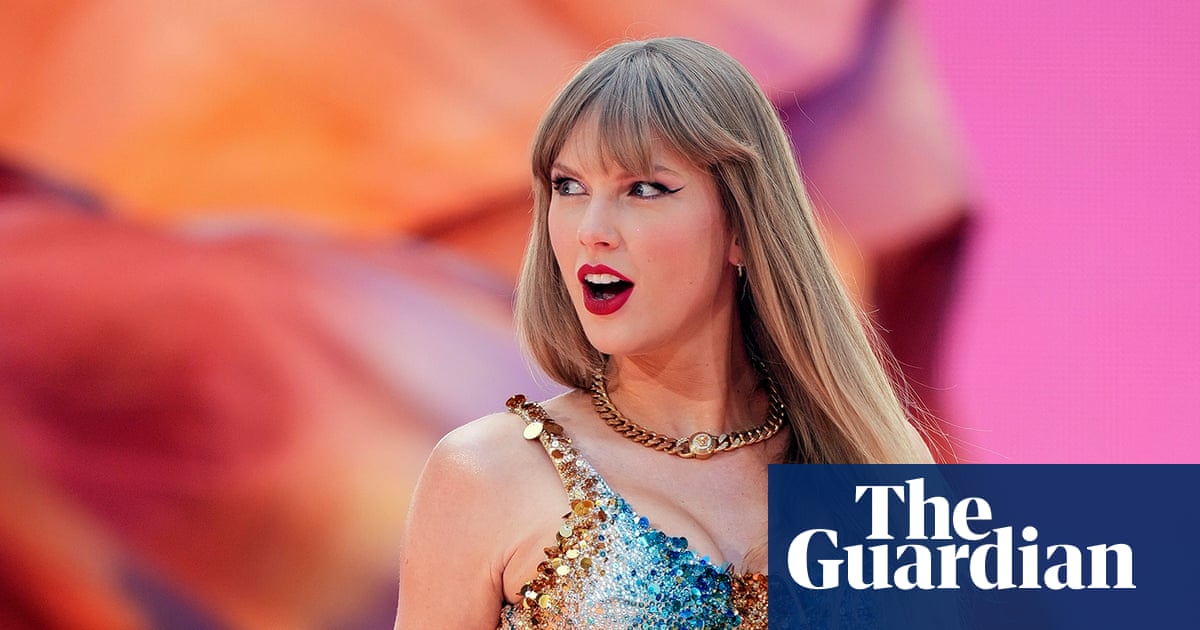
Taylor Swift has filed a trademark application covering her voice and stage image. It includes a photo of her performing in her distinctive bejewelled Eras Tour bodysuit and two voice recordings: “Hey, it’s Taylor” and “Hey, it’s Taylor Swift.”
It’s the latest example of the singer using her status and power to challenge industry norms and assert the rights of artists.
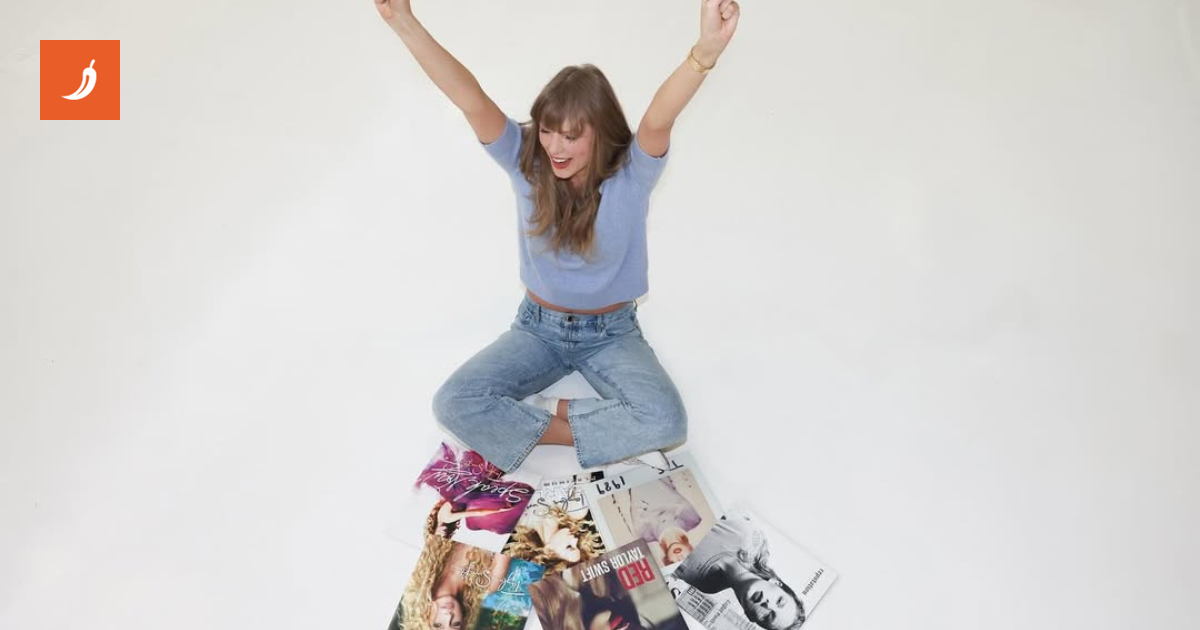
In 2014, Swift removed her entire catalogue from Spotify in protest at the low level of artist remuneration generated by the platform (later relenting in 2017). In 2019, she began rerecording her previous albums in protest at the acquisition of her back catalogue by alleged industry foe Scooter Braun’s Ithaca Holdings, giving her back control over masters of her songs. The new “Taylor’s Versions” outperformed the original versions on streaming services.
Although the actor Matthew McConaughey beat Swift to the punch by successfully trademarking some of his famous spoken lines of movie dialogue earlier this year, she appears to be the first music artist of note to take the step. The move raises some interesting issues in terms of copyright law and the rights of music artists.
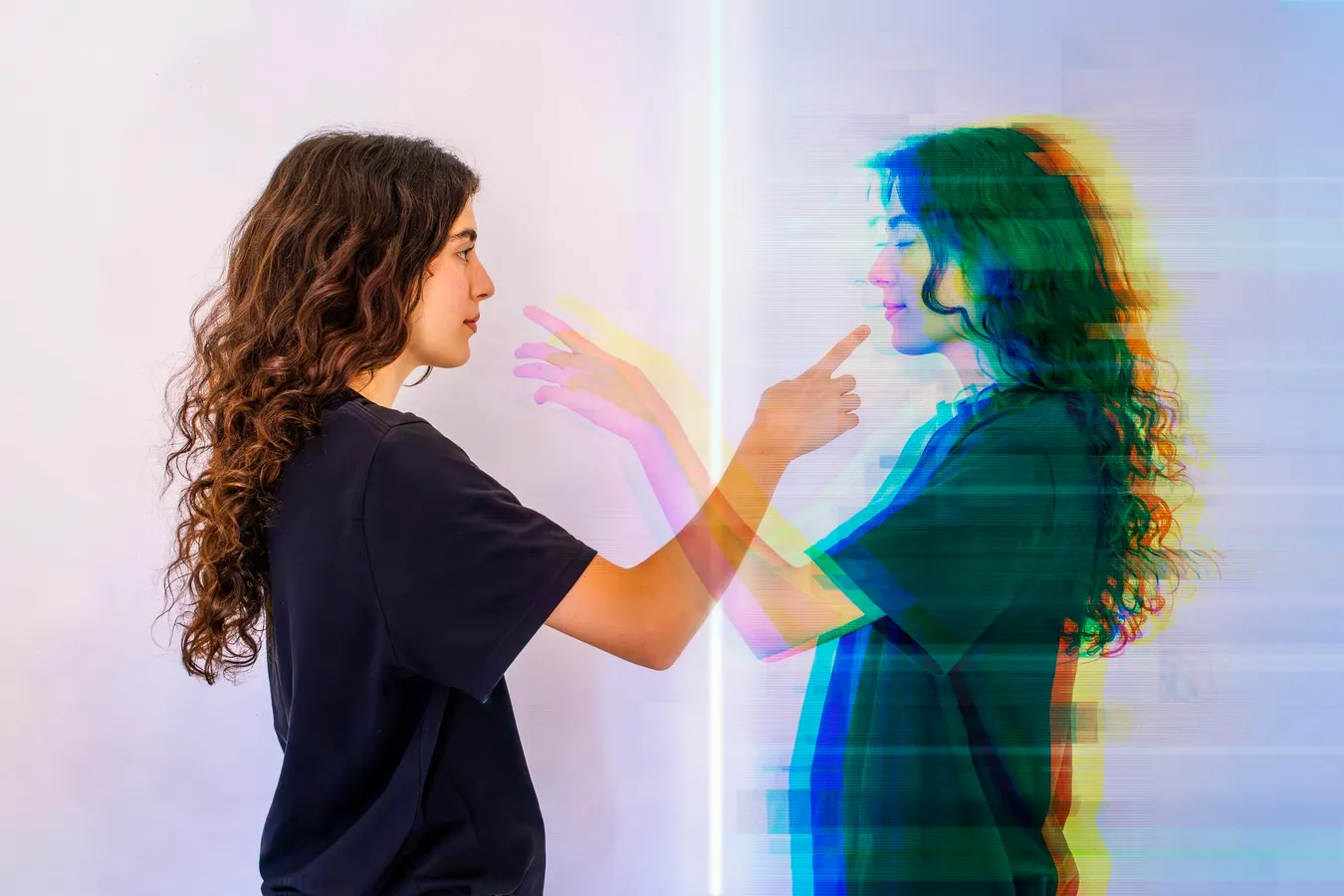
‘Passing off’ and deepfaking