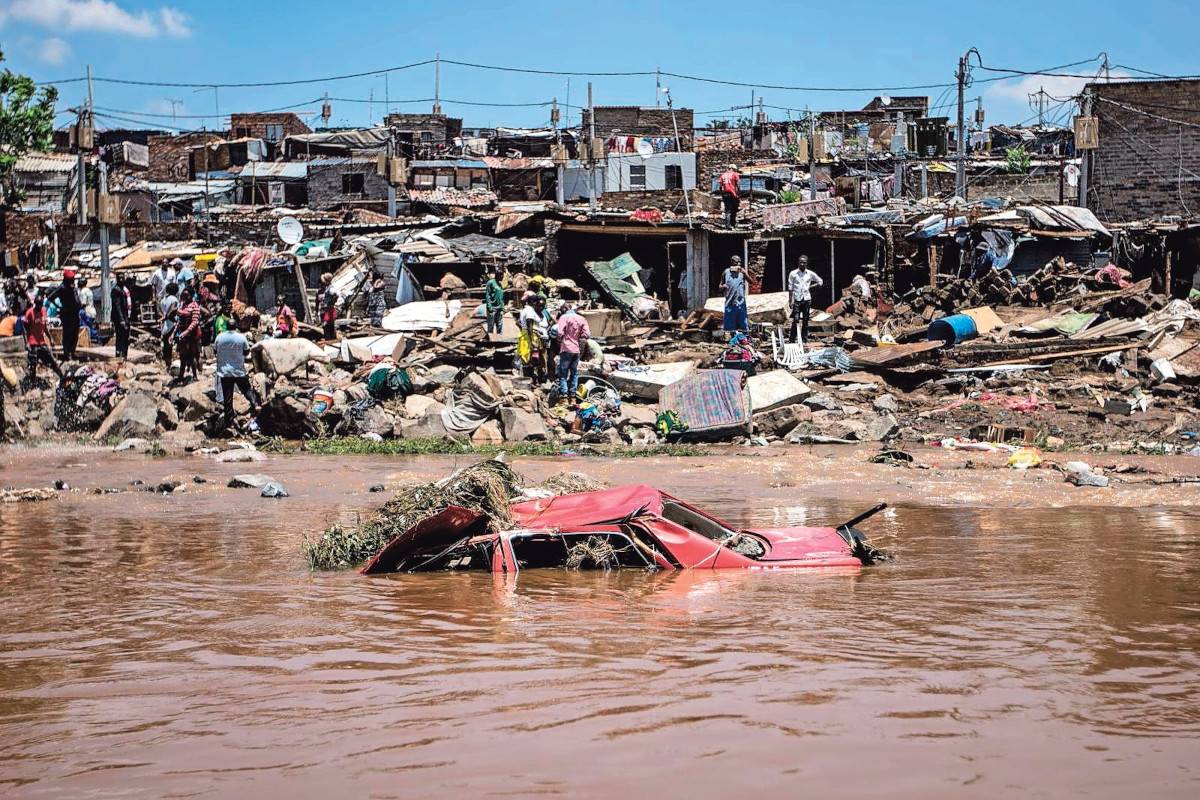
Climate scenarios and models play a major role in shaping international policy.
Scientists are calling for a radical rethink of the climate models used to shape global environmental policy, warning that many of today’s dominant scenarios are too rooted in the very economic and political systems that created the climate crisis.
In a new paper, researchers argue that widely used climate and biodiversity models focus too heavily on technological fixes while paying too little attention to inequality, power and the perspectives of the Global South and Indigenous communities.
The paper, published in the journal One Earth, found that many existing global scenarios are built on assumptions that economies, governance systems and social norms will remain largely unchanged, even as countries attempt to rapidly cut emissions and halt the loss of nature.
“Right now, many of our global scenarios are effectively asking how to fix the future without really changing the present,” said Laura Pereira, the lead author of the study and a commissioner with the Earth Commission. She is one of 23 commissioners on the Earth Commission, four of whom are from Africa.