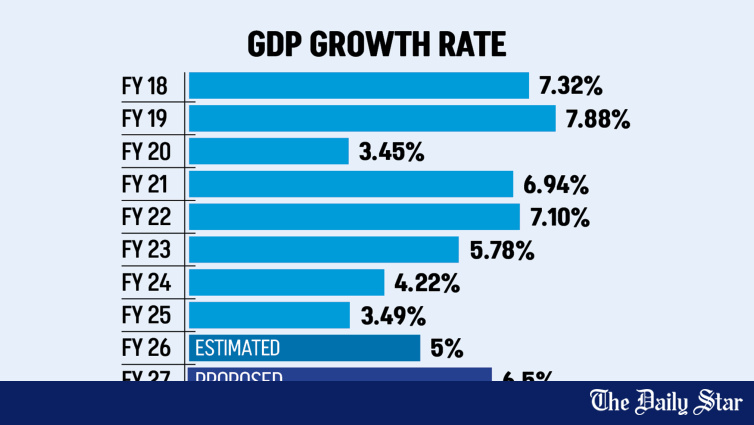
In the first quarter of 2026, Thailand’s economy expanded by 2.8 percent, beating analyst expectations. But the economic outlook for the full year remains modest, with the National Economic and Social Development Council (NESDC) forecasting between 1.5 and 2.5 percent growth. The World Bank is more cautious, forecasting 1.6 percent growth in 2026. Thailand has been stuck in a low-growth equilibrium since the pandemic, as its heavily export-dependent economy has been battered by trade wars, geopolitical turmoil, and unstable domestic politics.
The economy grew 2.9 percent in 2024 and then 2.4 percent in 2025. The NESDC’s midpoint forecast for 2026 is 2 percent, so the economic momentum is not trending in the right direction. Meanwhile, regional peers like Indonesia, Malaysia, the Philippines, and Singapore have seen robust GDP growth rates of between 4 and 5 percent. Vietnam, growing at a blistering 8 percent, recently overtook Thailand as Southeast Asia’s export powerhouse.
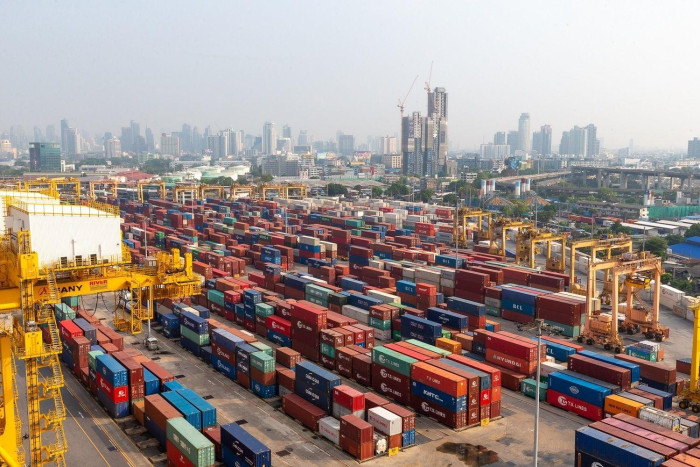
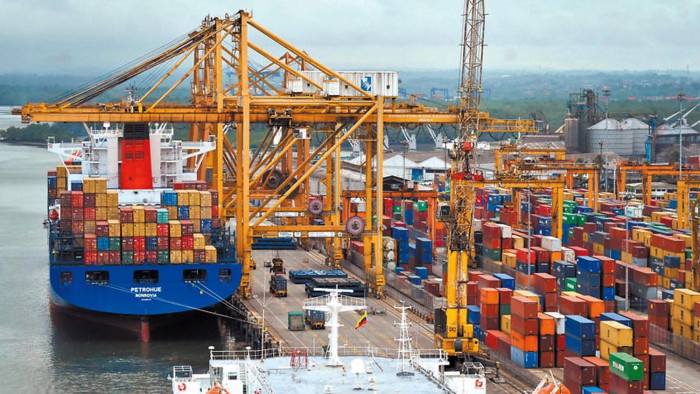
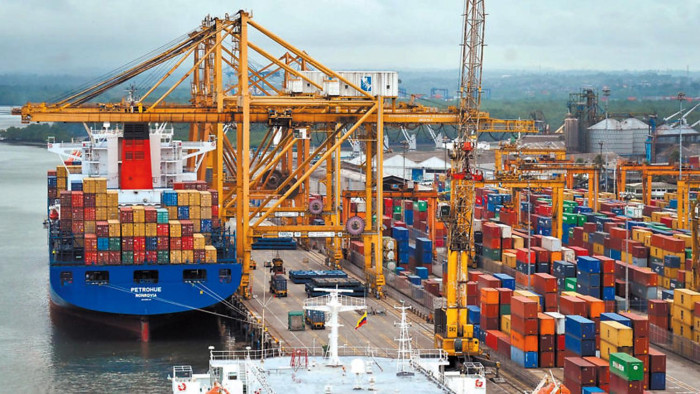
This is important because Thailand’s economy is built around exports. It has historically been a major exporter of agricultural products such as rice, as well as manufactured goods like cars and electronics. It has also consistently been a leading exporter of services anchored by an enormous tourism sector. A decade ago, when Vietnam’s economy was smaller and the global economy was different, that model worked. These days, maybe less so.