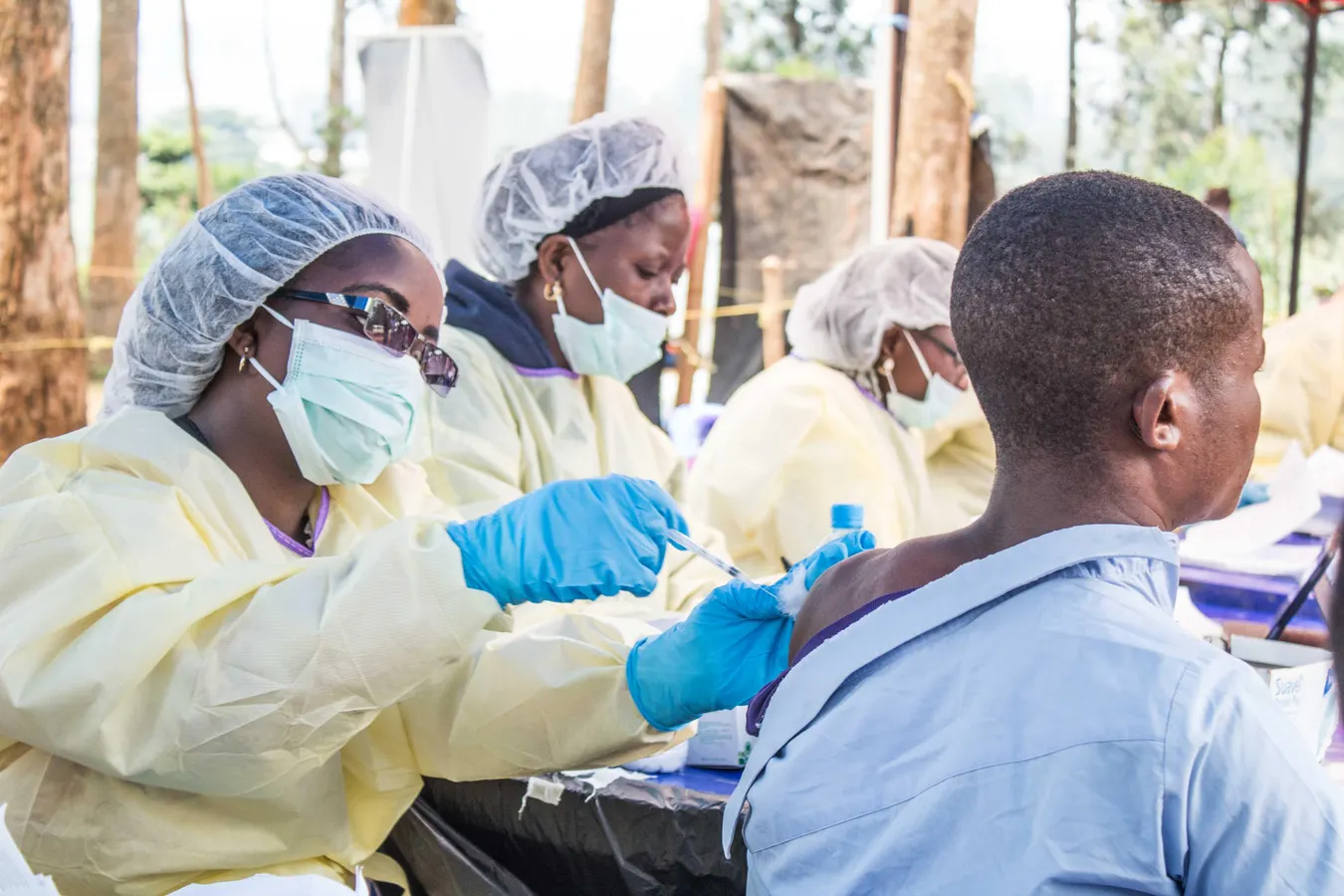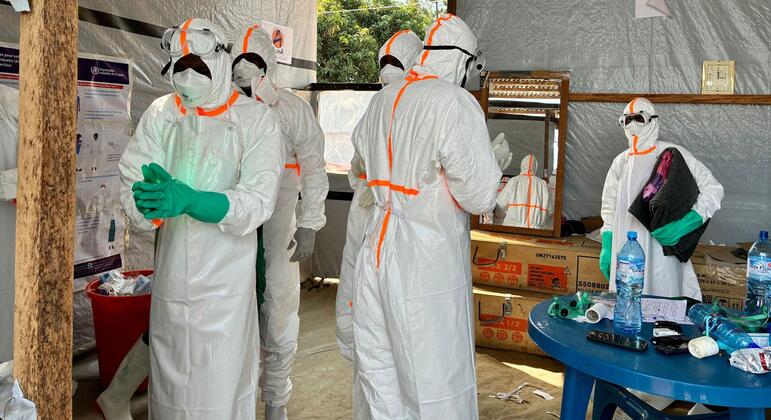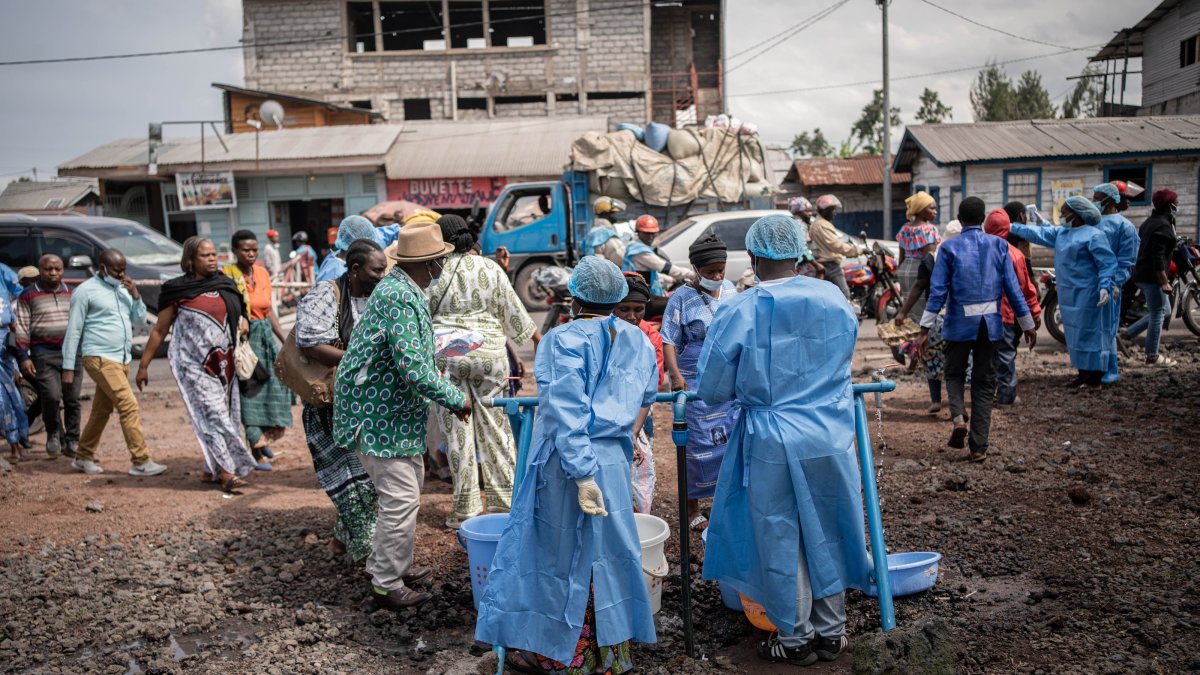
Time is critical in an Ebola outbreak, yet the response to the fast-spreading epidemic in the Democratic Republic of Congo is lagging by weeks, possibly months, with thousands of potentially exposed people still untraced.
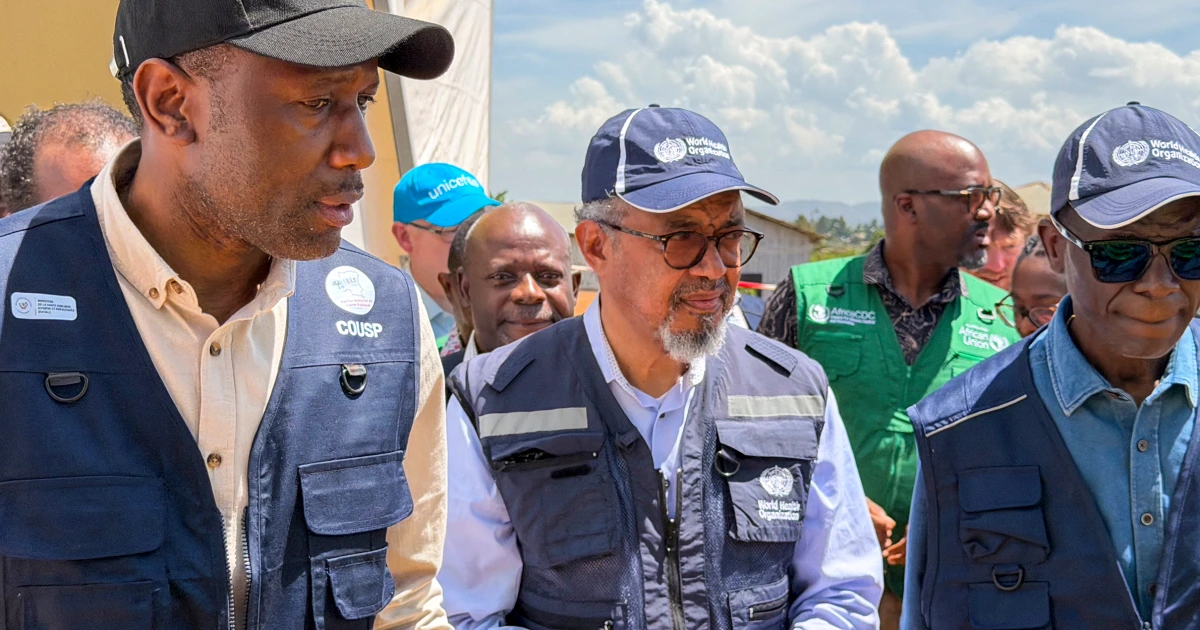
Interviews with global health officials and documents from a meeting led by the World Health Organization and the Africa Centres for Disease Control and Prevention highlight how far behind the response effort has fallen.
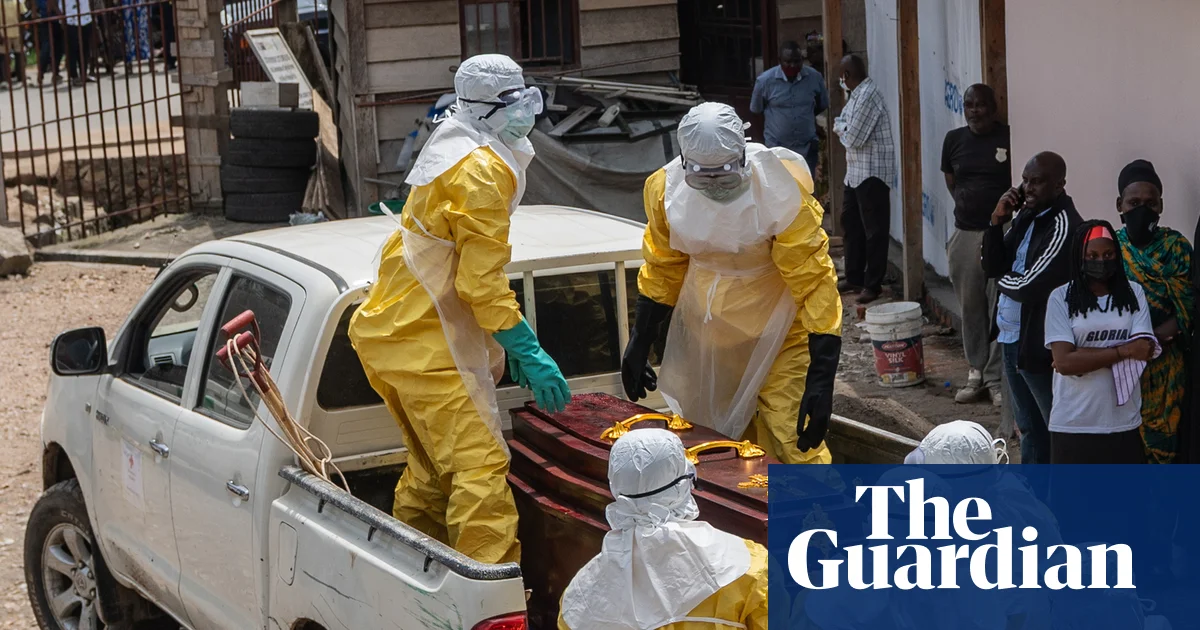
The outbreak, caused by the Bundibugyo strain of the virus for which there is no approved vaccine or treatment, has been linked to an estimated 220 deaths and about 900 cases, according to WHO figures. It has also spread to Uganda, where seven cases have been reported.
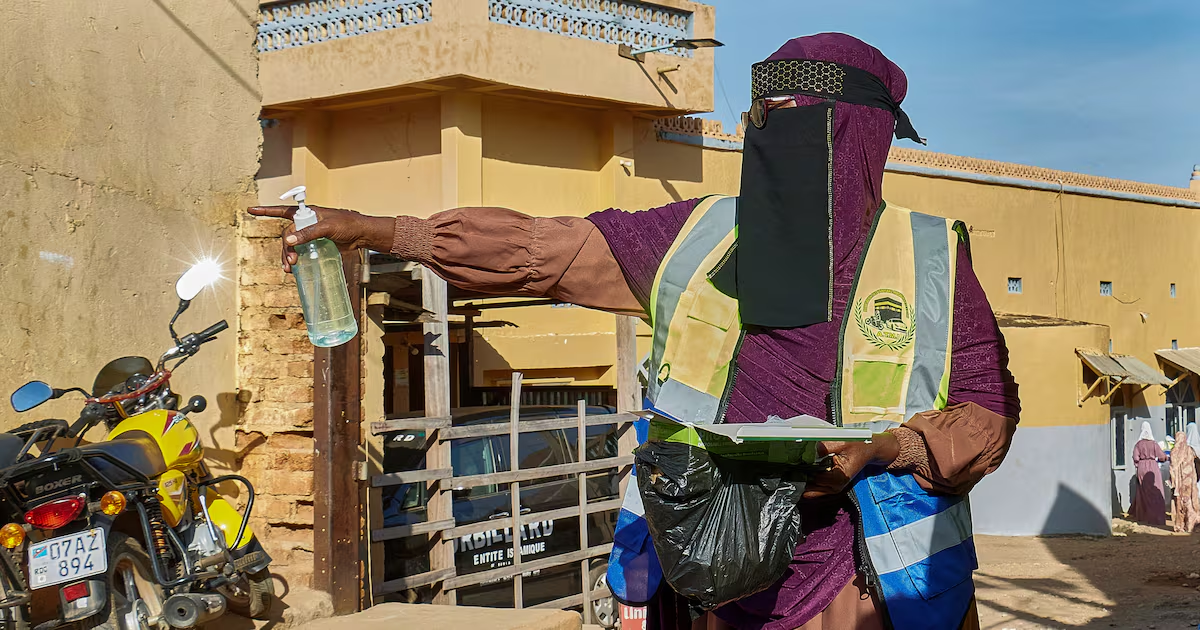
Health teams are working to trace thousands of contacts who may have been exposed while facing persistent obstacles that are slowing containment efforts.
At the local level, shortages of basic medical supplies and deep community mistrust shaped by past outbreaks are complicating the response. At the global level, officials say the effort has been weakened by the U.S. withdrawal from the World Health Organization and broader funding cuts affecting international health programs.