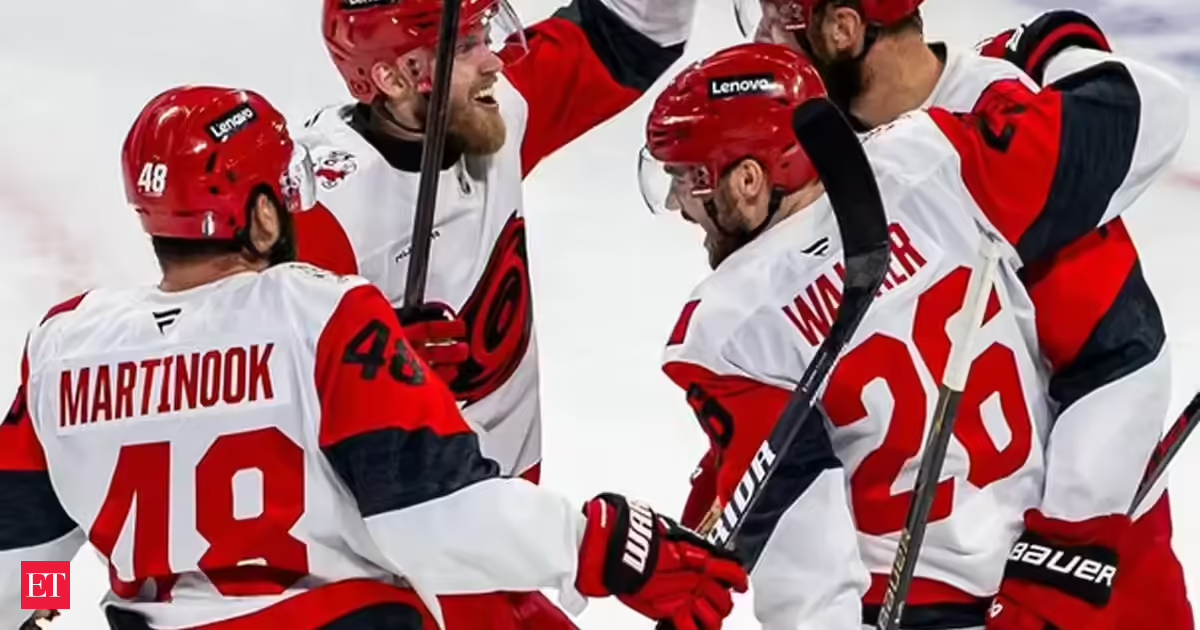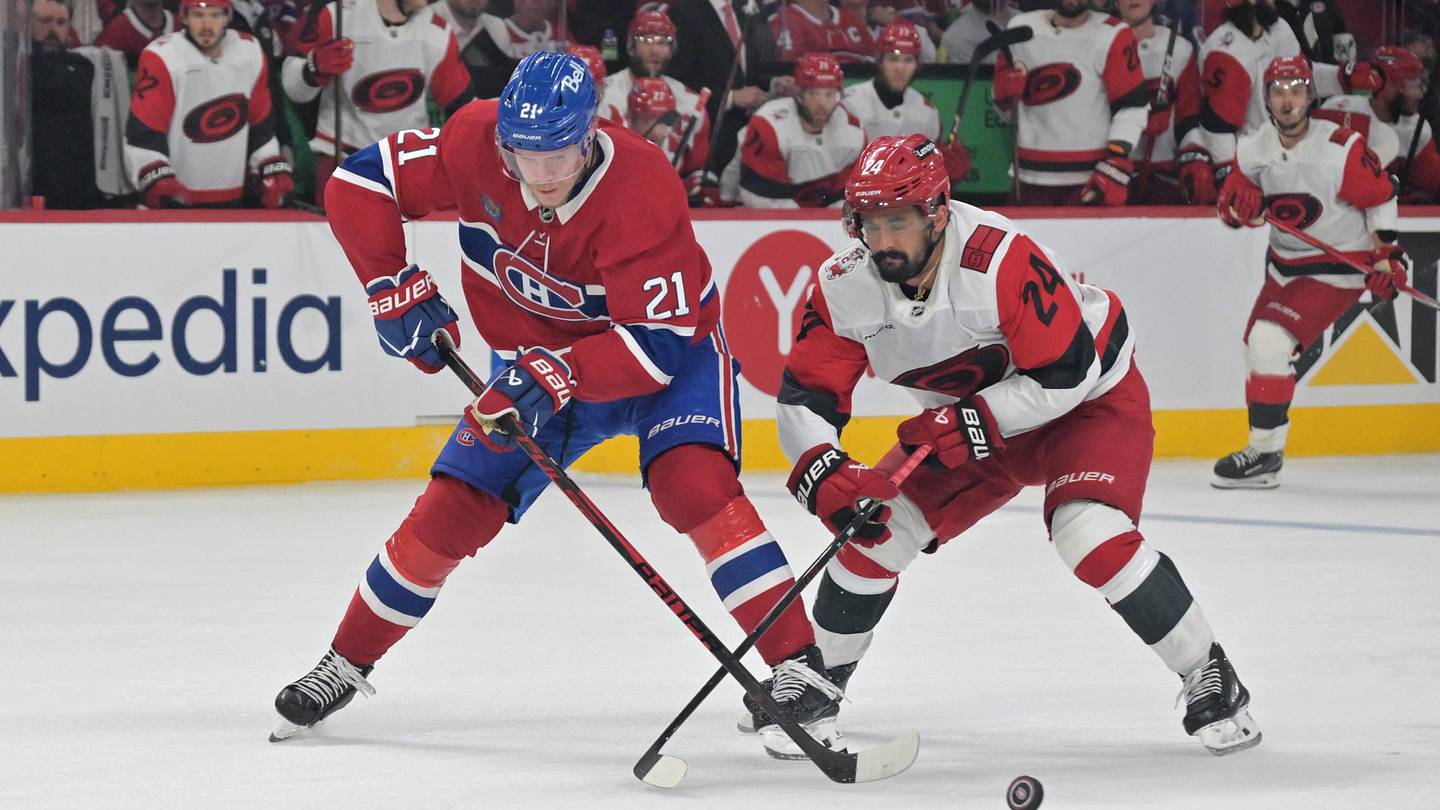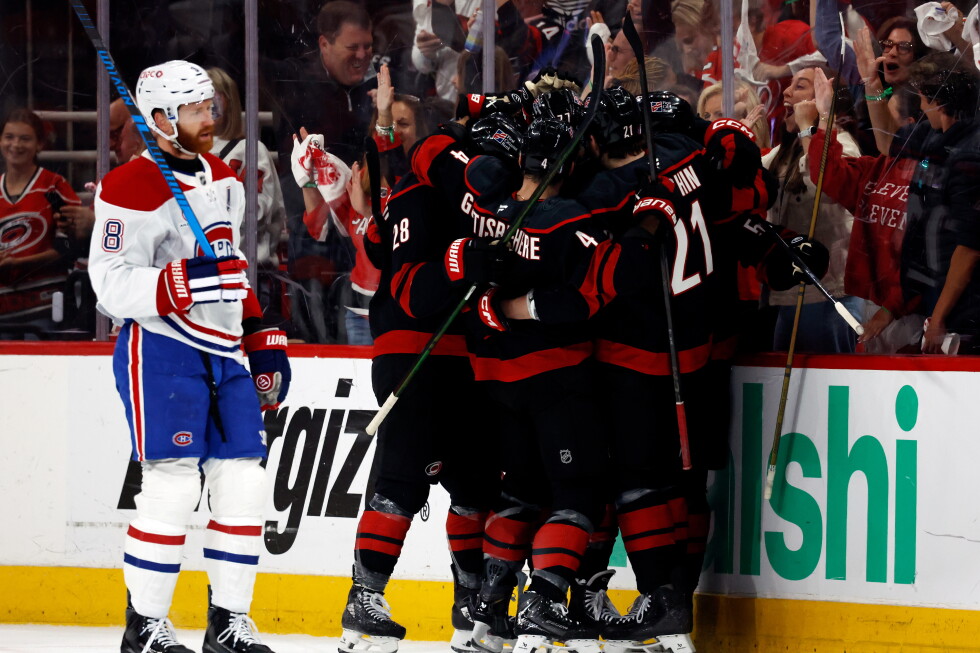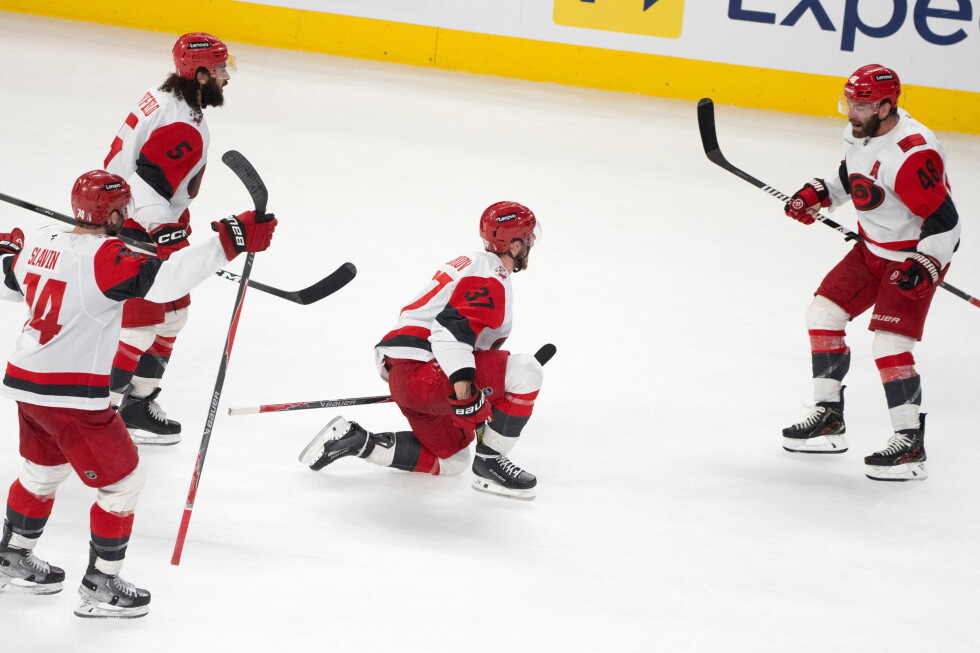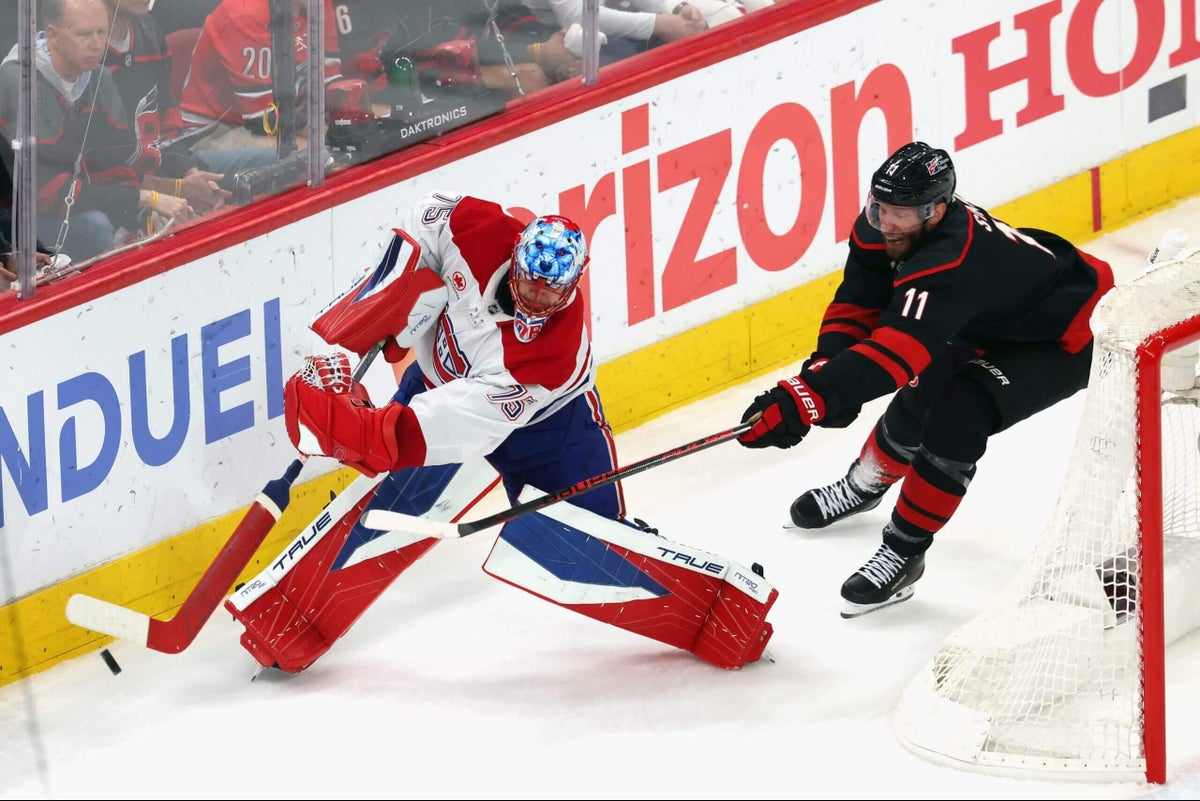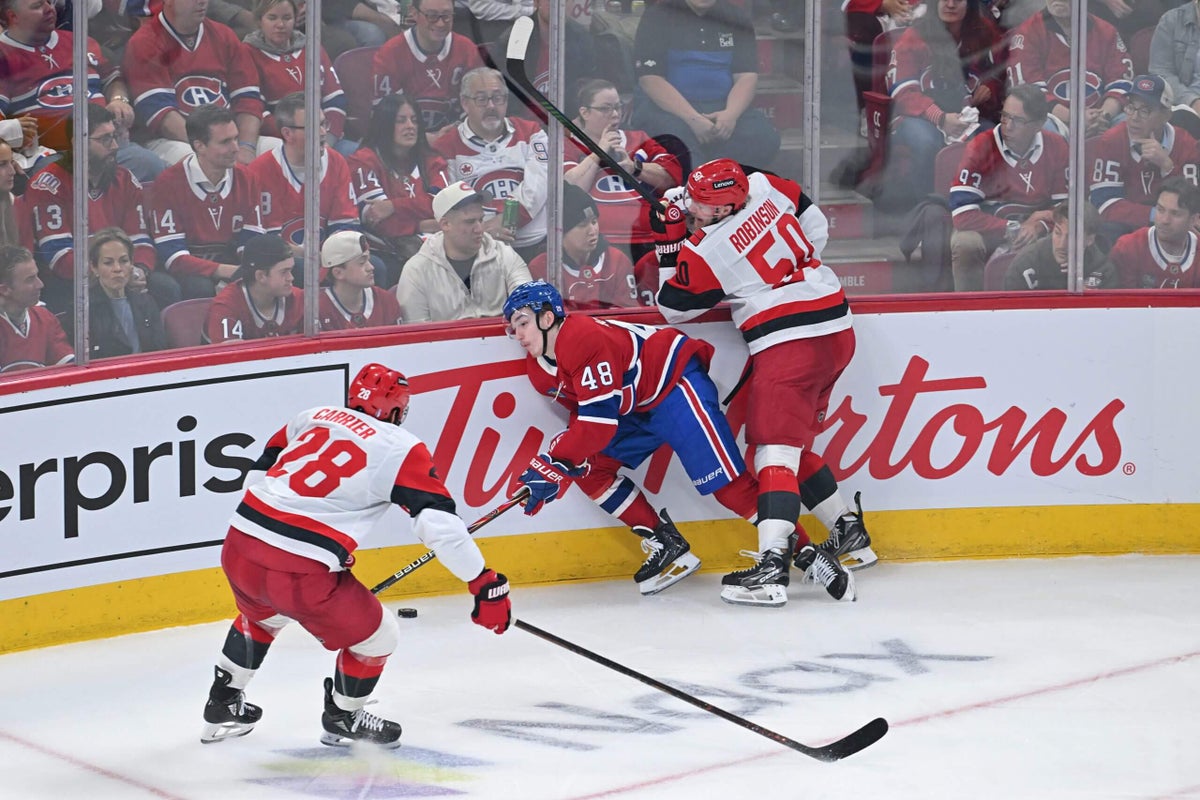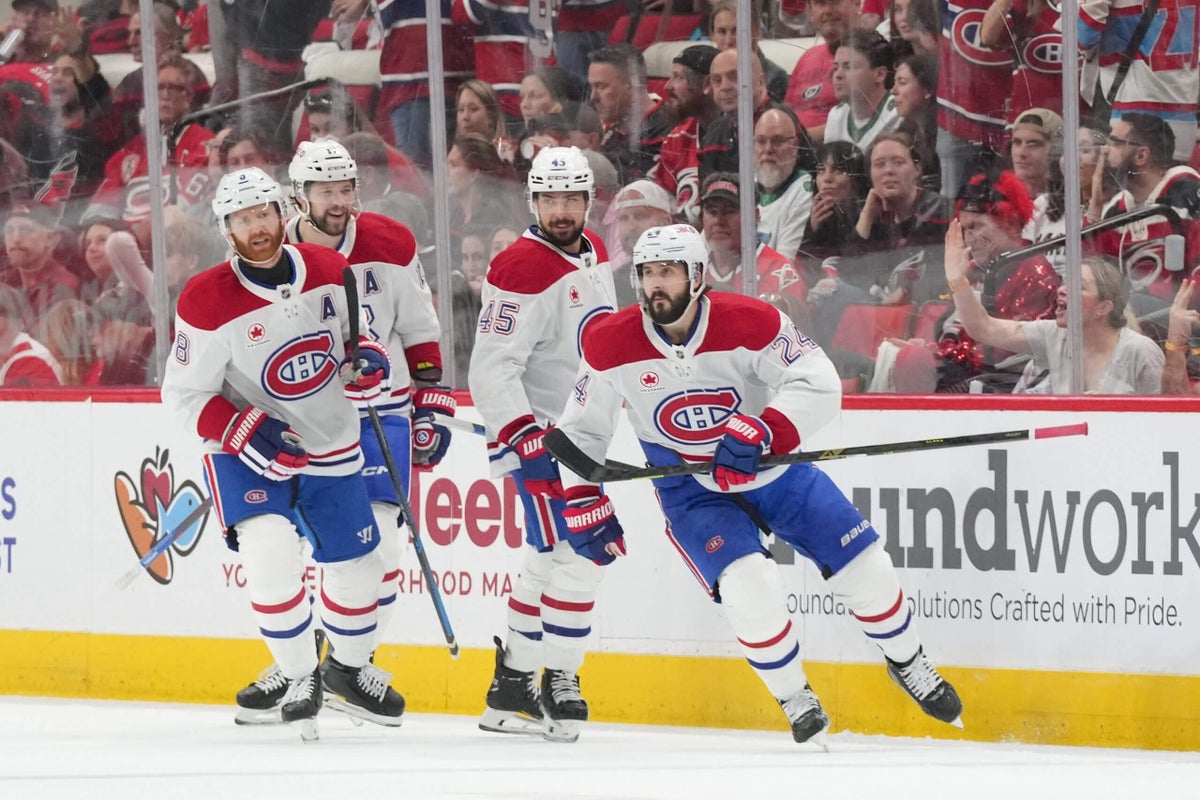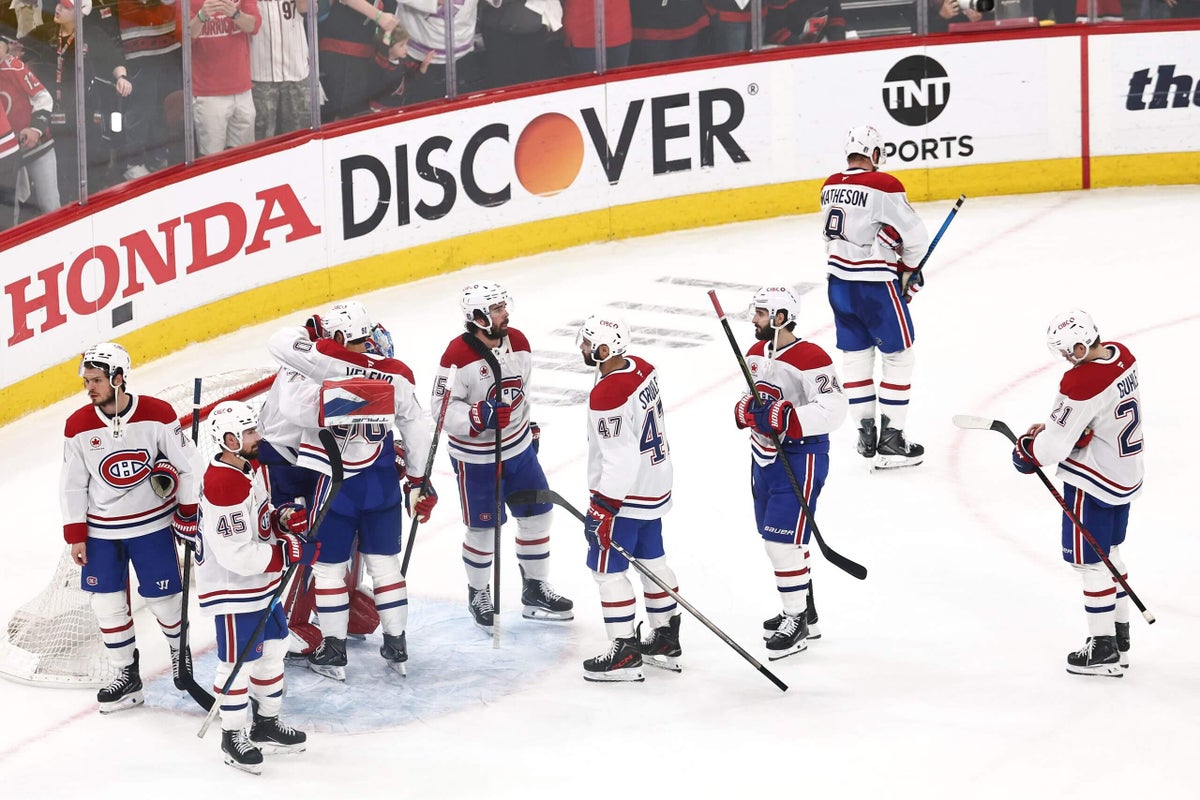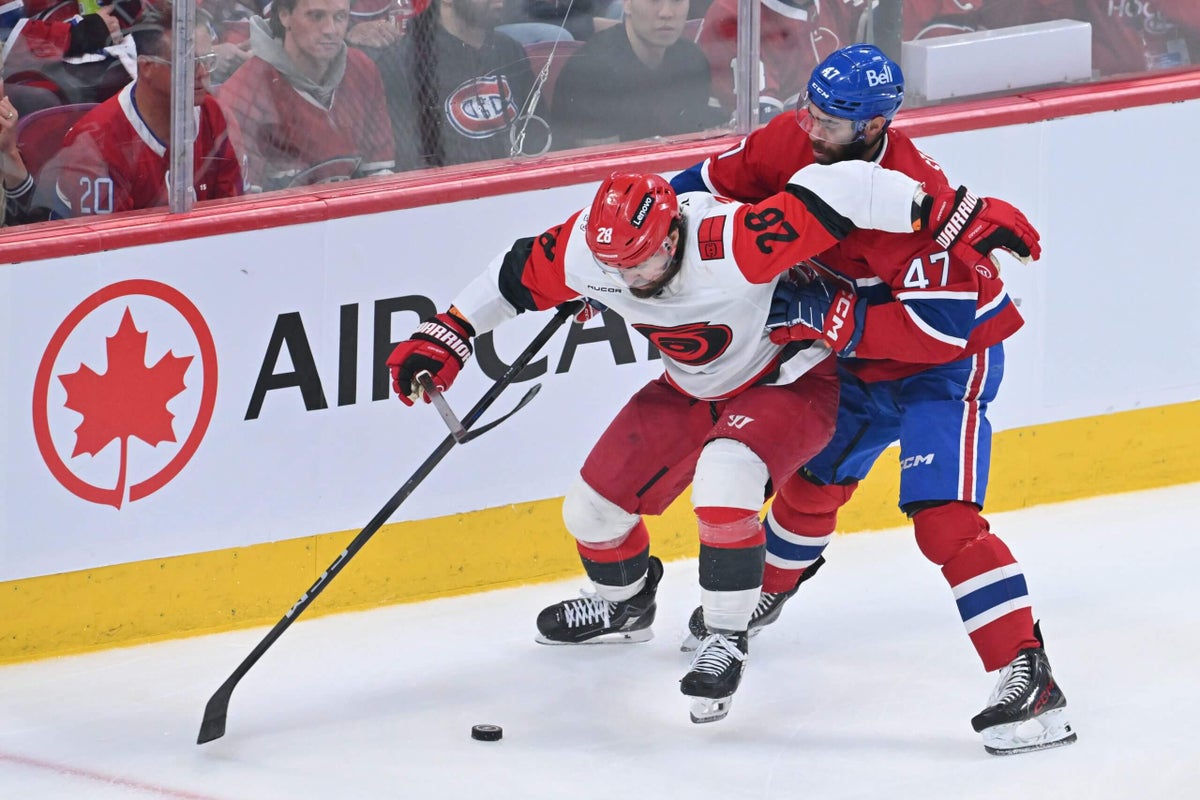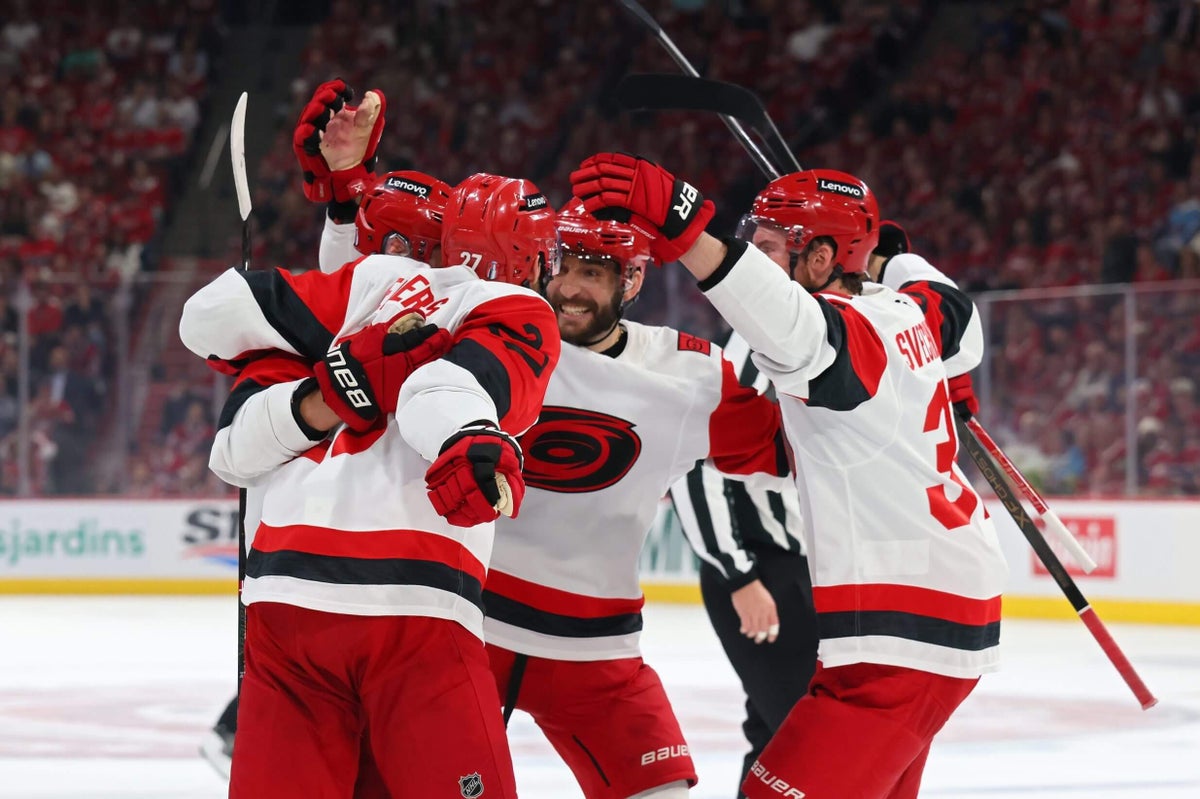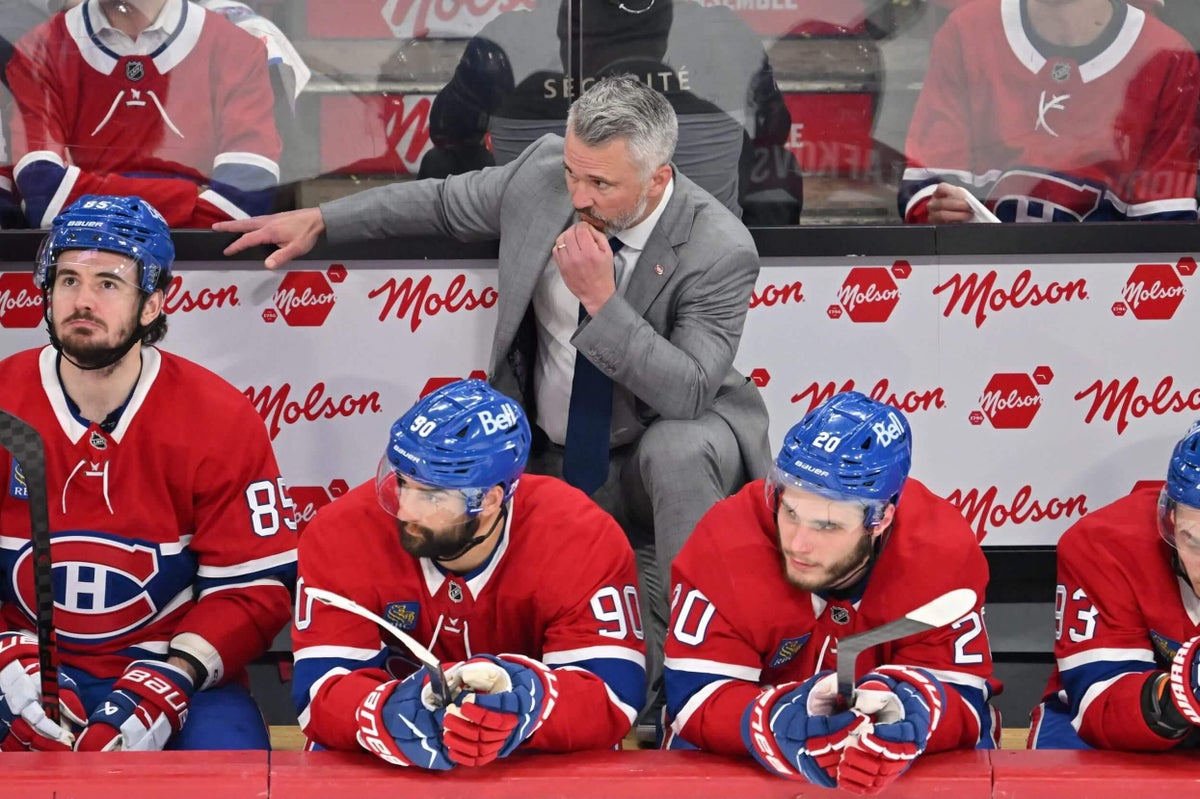
MONTREAL — The first evidence of the mental toll the Carolina Hurricanes’ pressure is putting on the Montreal Canadiens came in overtime of Game 3, and in defenceman Lane Hutson’s explanation of the giveaway that led to the game-winning goal by Andrei Svechnikov.Hutson came out to address the media after the game with the hood of his hoodie pulled over his head, prepared to fully own the loss and wear it like that hood, when he explained his decision-making process for that pass through the middle of the ice to Juraj Slafkovský, only to have Svechnikov appear seemingly out of nowhere and pick it off.Meanwhile, Nick Suzuki was standing at the Hurricanes’ blue line, waiting for a puck that never came.“It just sucks because I’m trying to make a possession play,” Hutson said after Game 3. “I saw Suzy, and I didn’t want to just pass it to a flat-footed Suzy and (have) them tip it in and just get a free breakout again. So I tried to make a possession play, and it sucks because it ended up going in.”The Canadiens had numerous opportunities to not have that giveaway cost them Game 3, but it is more what went behind Hutson’s decision to not pass it to Suzuki at the opposing blue line that is important here, especially after the Canadiens lost Game 4 to the Hurricanes 4-0 on Wednesday to go down 3-1 in the Eastern Conference final.The fact Hutson saw Suzuki and assumed the Hurricanes would get a stick on that pass and tip it back into their zone so they could once again retrieve it and break it out clean says everything about the mental challenge the Canadiens have faced in this series, a mental challenge that does not appear to have a solution through four games.“It’s been pretty common the last, well, all of these games, honestly,” Hutson said after Game 4. “They just try to swarm, they don’t quit on plays, they battle hard. I think it’s more of a mindset than anything.”Everything the Hurricanes are doing to the Canadiens is impacting their mindset, making them assume things that are sometimes not there, as Hutson assumed in overtime of Game 3, and as the Canadiens are assuming all the time.“I think there’s definitely times we can create a little bit more space with our feet and recognize when there is a little bit of space,” Canadiens defenceman Mike Matheson said after Game 4. “Like, it’s not all the time that we’re under total, total pressure.”But when you are constantly feeling total, total pressure, when it seems — as Canadiens forward Joe Veleno said between Games 3 and 4 — that there are six or seven Hurricanes players on the ice at all times, it makes it harder to recognize when there is actually no pressure. That anticipation of pressure impacts everything.“For sure,” Matheson conceded. “That makes it harder.”And that is the primary benefit of constant pressure, the primary benefit of the way the Hurricanes play.
Canadiens must overcome mental toll of Hurricanes’ pressure to have any hope of extending season
The Canadiens' strength as a team is their ability to make decisions, and the Hurricanes' pressure game has turned that into a weakness.
1,394 words~6 min read