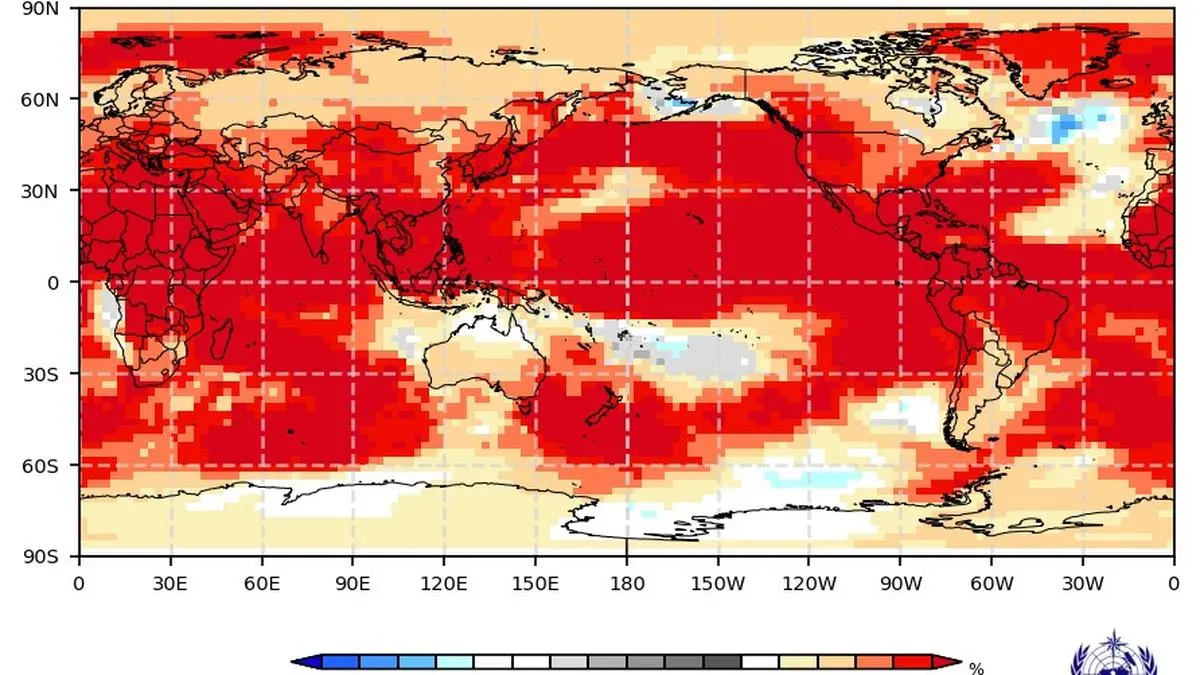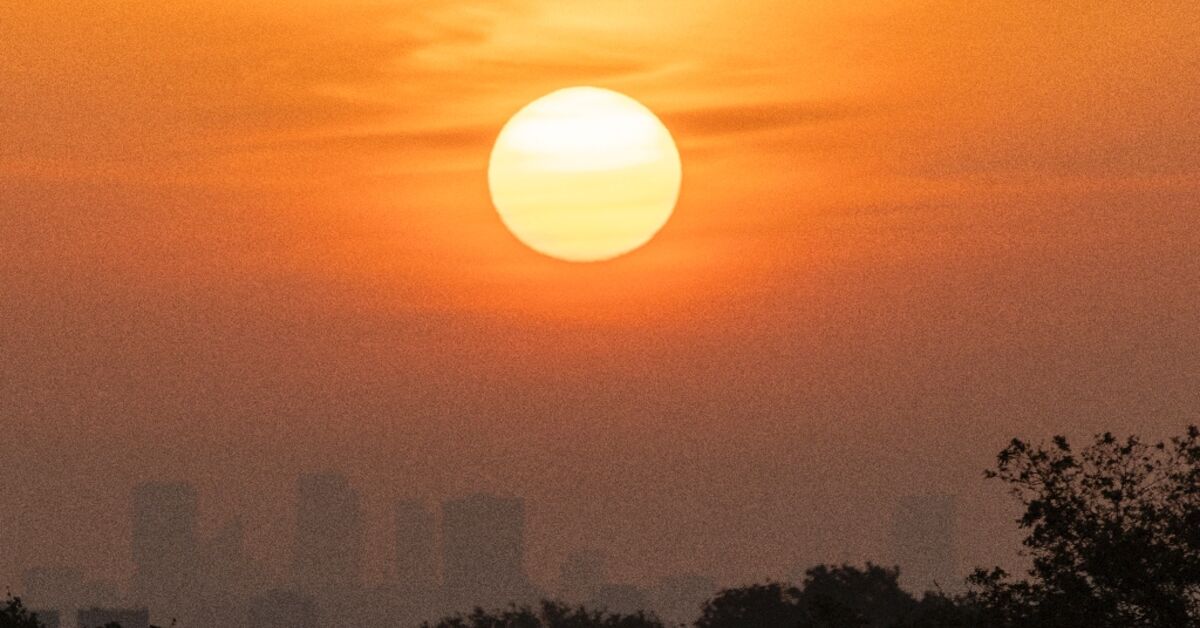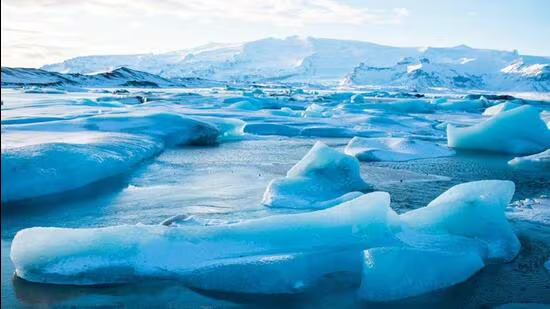
Global average temperatures are likely to continue at or near record levels over the next five years, a new report from the World Meteorological Organization (WMO), produced by the Met Office, has flagged.Arctic temperatures over the next five extended northern hemisphere winters (November-March) are predicted to be 2.8°C above the 1991-2020 average, the report said. (Shutterstock/ Representative photo)Arctic temperatures over the next five extended northern hemisphere winters (November-March) are predicted to be 2.8°C above the 1991-2020 average, the report said.Annual global mean near-surface temperatures during 2026-2030 are predicted to range between 1.3°C and 1.9°C above the 1850-1900 average. It is likely (86% chance) that one year between 2026 and 2030 will surpass 2024 as the warmest year on record, according to the Global Annual-to-Decadal Update.It is likely (75% chance) that the 2026-2030 five-year mean will exceed 1.5°C above the 1850-1900 average. It is also very likely (91% chance) that the global mean near-surface temperature will temporarily exceed 1.5°C above the 1850-1900 average for at least one year between 2026 and 2030. This level was also temporarily exceeded in 2024, when the global average surface temperature was about 1.55°C above the pre-industrial baseline.However, it is considered exceptionally unlikely (less than 1%) that any single year will exceed 2°C above the 1850-1900 average in the next five years, the update projected.The update further projected that the five-year predicted average temperature in the central tropical Pacific (Niño 3.4 region) indicates a tendency towards El Niño conditions, particularly in 2027 and 2028.“There is an El Niño predicted for the end of 2026, which increases the chances of the following year, 2027, being the next record-breaking year,” Leon Hermanson, lead author of the report, said.There is now a more than 90% chance of El Niño conditions developing during the June-August period, according to the latest forecast by the National Oceanic and Atmospheric Administration.In India, an El Niño is associated with a harsher summer and a weaker monsoon.The report clarified that the 1.5°C (and 2.0°C) levels specified in the Paris Agreement refer to long-term warming sustained over an extended period, typically assessed over 20 years.Individual years with annual global mean temperatures exceeding these levels do not mean that the long-term temperature goals of the Paris Agreement are out of reach.Arctic temperatures over the next five extended northern hemisphere winters (November-March) are predicted to be 2.8°C above the 1991-2020 average. Predictions for Arctic sea ice for March 2026-2035 suggest further reductions in sea-ice concentration in the Barents Sea, Bering Sea and Sea of Okhotsk.
Global temperatures may hit record highs over next five years: WMO, UK Met
WMO and UK Met Office warn global temperatures could remain at record levels through 2030, with rising risks of El Niño and Arctic warming. | India News
417 words~2 min read