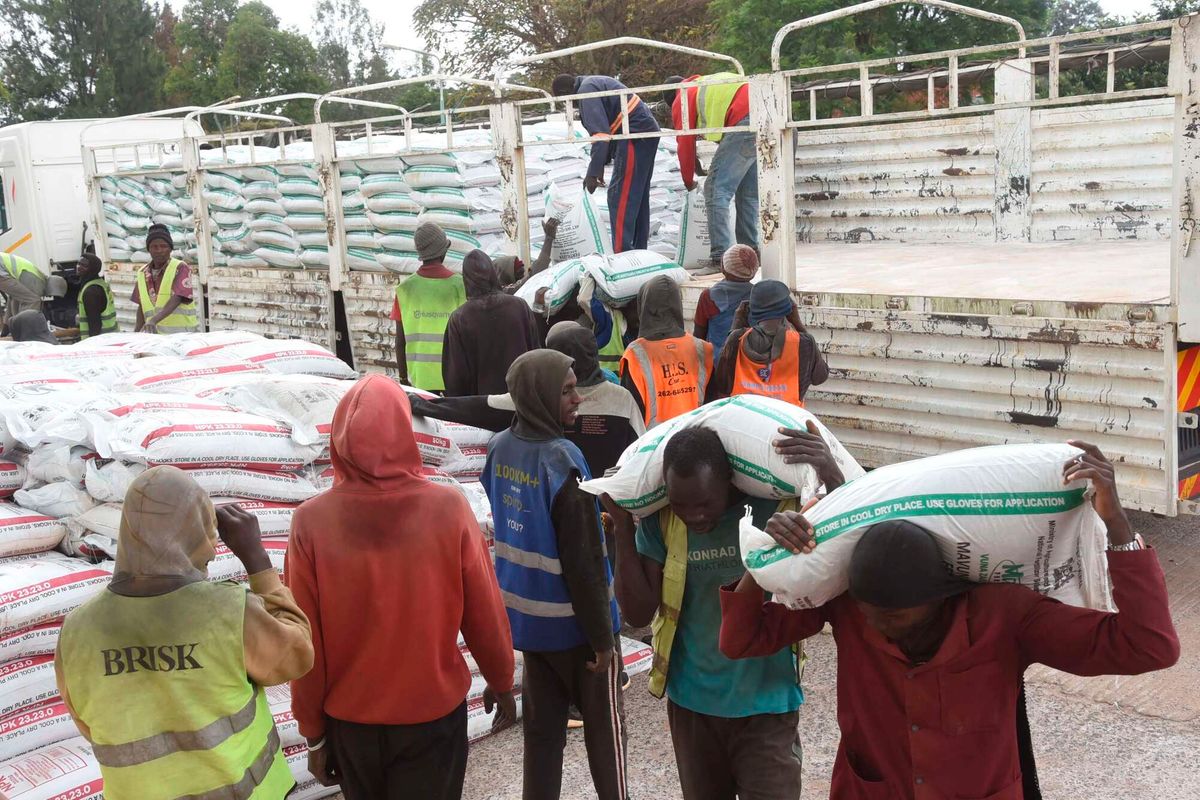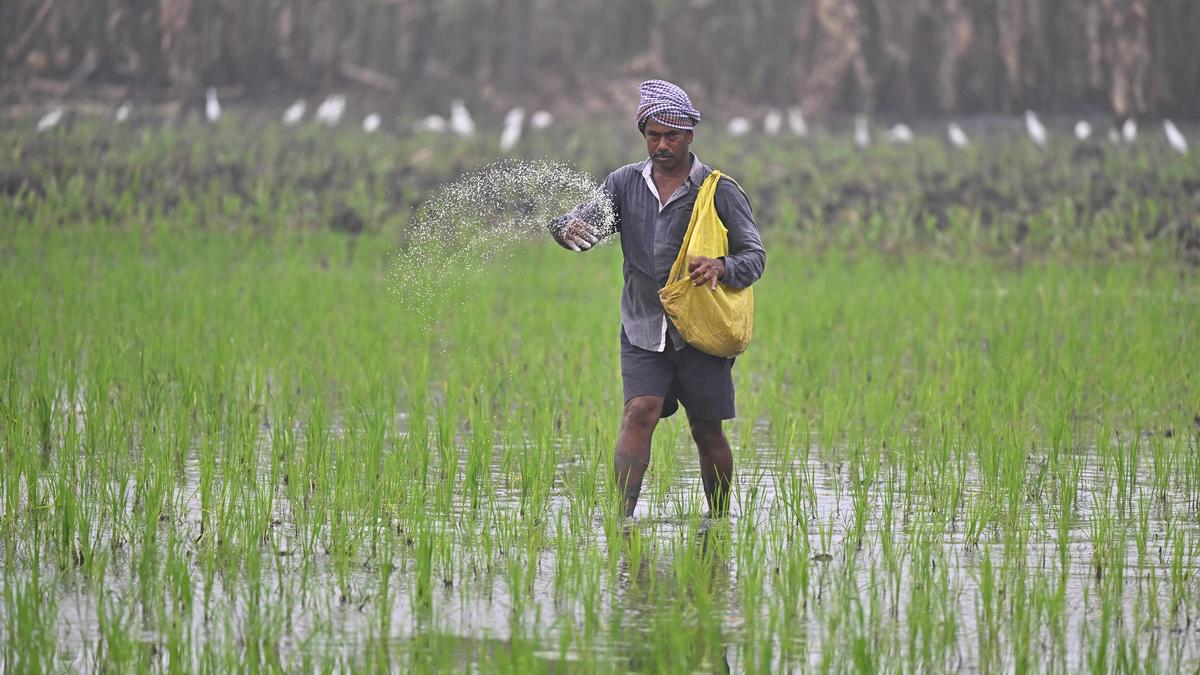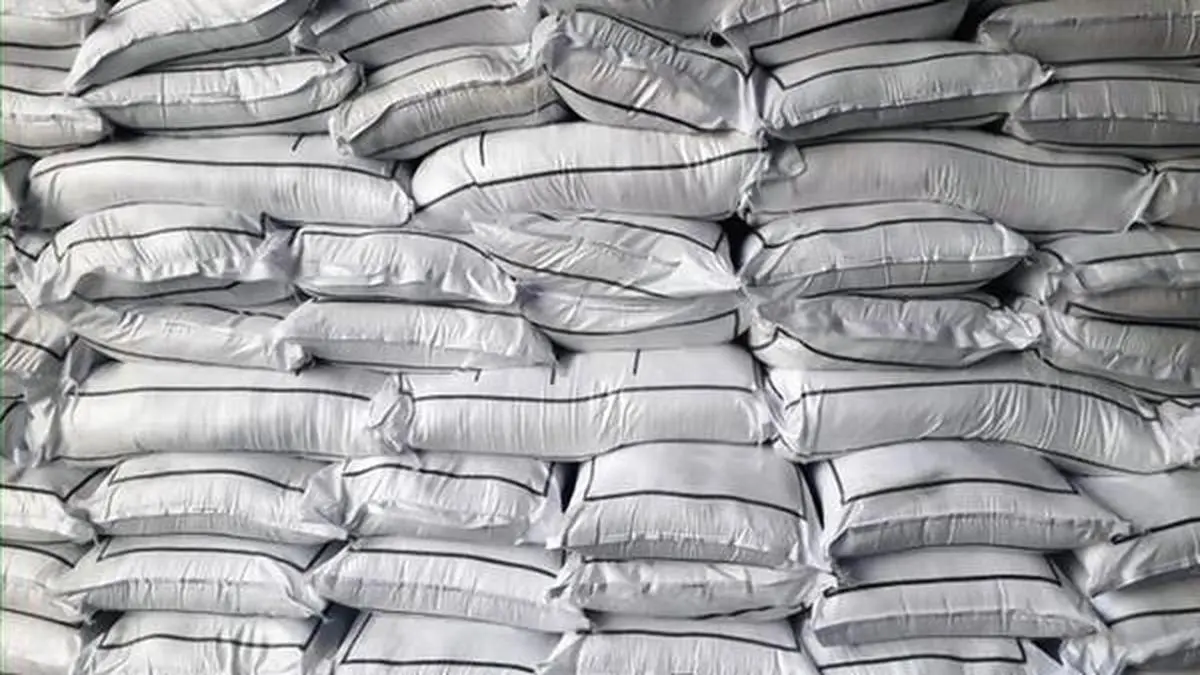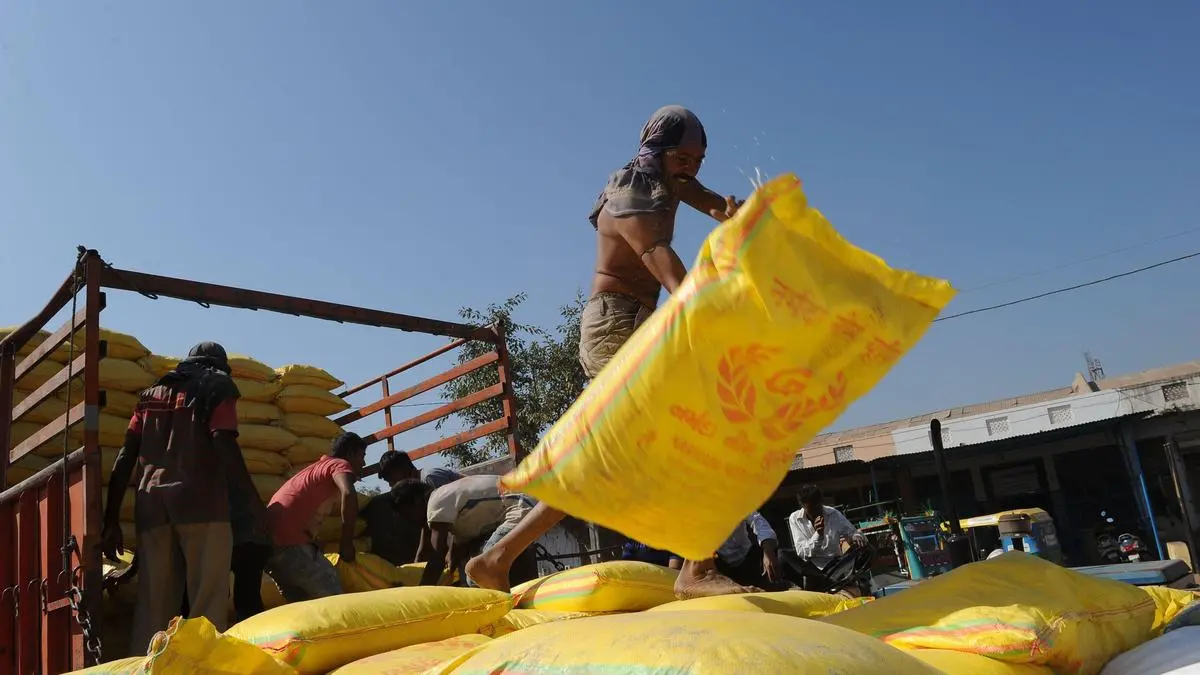
(representative image) The management of GFSC said prices of critical inputs such as ammonia, sulfur and sulfuric acid have increased sharply amid geopolitical disruptions and supply uncertainty.
| Photo Credit:
State-run Gujarat State Fertilizers & Chemicals Ltd (GSFC) said fertilizer raw material prices have surged due to the US-Iran conflict in the West Asian region, but government subsidy support is expected to fully absorb the cost impact and protect margins in key products such as Urea and Diammonium Phosphate or DAP“The fertilizer segment heads into the first quarter of FY27 with raw material markets still unsettled. Geopolitical pressures in the Middle East continue to drive input cost volatility,” SK Bajpai, Chief Financial Officer, GSFC said during the company’s Q4 FY26 earnings conference earlier this week. However, the company maintained that profitability in core fertilizer products remains insulated because of government support measures. “DAP and urea, two of the fertilizer products, there is no margin difference because it is fully protected by the Government of India,” Bajpai said. “Whatever additional cost in the gas or whatever production additional cost we are incurring in the DAP manufacturing, that is reimbursed by the Government of India by way of special package,” he added.The management said prices of critical inputs such as ammonia, sulfur and sulfuric acid have increased sharply amid geopolitical disruptions and supply uncertainty. “It is a difficult situation for the company as well as for the country,” Bajpai said, referring to the spike in prices of “ammonia, sulfur, sulfuric acid and other raw material inputs”. GSFC said it remains relatively insulated from immediate supply disruptions because of captive ammonia and sulfuric acid production facilities at its Fertilizernagar complex. “Fortunately, we are having the ammonia plant and sulfuric acid plant in our Fertilizer Nagar complex,” Bajpai said.“So, we are getting ammonia manufactured through natural gas and there is not much increase in the natural gas prices. It is controlled by the Government of India and they are prioritizing fertilizer and other priority sectors for supply of natural gas and RLNG,” he added. The company also indicated that it currently has sufficient inventory buffers to sustain operations through the current quarter. “We are having around 16,000 tonnes of stock at our Baroda complex,” Bajpai said, referring to ammonia inventory.“For sulfuric acid, we also have the inventory up to the full level of the sulfuric acid tanks,” he added. According to management, sulfur prices in the international market have climbed sharply. “The sulfur prices are presently at $850 in the international market,” Bajpai said. GSFC said it continues to source sulfur through long-term domestic contracts while simultaneously exploring imports to maintain production continuity. “Whatever sulfur we are having as per the long-term contract from Reliance, Nayara, BPCL and IOCL, we are getting the sulfur,” Bajpai said.“However, it is also to say that we are not getting 100% supply and it is a very high rate. So we are also trying to import sulfur from the international market at a competitive rate,” he added. The company said there is “no problem for quarter one” from a production continuity perspective. “Immediately there is no problem for the quarter one that we will be having any short of sulfuric acid,” Bajpai said.On the operational side, GSFC said it is upgrading one of its DAP production trains at the Sikka unit to improve manufacturing flexibility. “We are trying to convert it for the fungible production facilities for other grade of NPKs like ammonium phosphate sulphate,” Bajpai said. “This work is going on nicely as per the scheduled time and we are expecting this to be completed in July or August this year only,” he added. The company said the flexibility will allow it to produce either APS or DAP depending on market conditions and raw material economics.GSFC also sounded optimistic on the outlook for its industrial products segment, which it expects to offset any pressure in fertilizers. “Whatever margin loss we will be having in the fertilizer will be compensated by the IP product segment,” Bajpai said. The company expects stronger performance in chemicals as caprolactam-benzene spreads improve. “If you see the caprolactam-benzene spread, it is running more than $800 per metric ton today, which was around $670 per metric ton in the quarter four,” Bajpai said.“So it has nicely shaped up and industrial product segment will continue to perform in a better way in the coming quarter,” he added. For FY26, GSFC reported a 14% rise in consolidated net profit to ₹673 crore, while revenue increased 15 per cent to ₹10,945 crore. The company also recorded its highest-ever fourth-quarter fertilizer sales at ₹1,985 crore.Published on May 28, 2026