A 2015 report by the Canadian pro-development group Resource Works cynically telegraphed the growing recognition by industry a decade ago that major projects like liquified natural gas (LNG) need First Nations partners to accelerate regulatory approvals in British Columbia.
“The value the band will bring to the table by getting them to support you will save you millions in the regulatory process, both in the beginning and on the ongoing operation, because you’re always needing a permit to do something,” Roger Harris, the former British Columbia Minister of Forests, stated in the report about the advantage to extractive industries to have Indigenous partners to apparently ward off regulatory oversight. “Having these guys as partners makes the government just go away.”
Fast forward 10 years and numerous LNG projects now have prominent Indigenous partners, at least on paper, who are also potentially on the hook for financial losses should those projects fail. A recent report from the Yellowhead Institute highlights the economic risks to First Nations equity investors from cost overruns, limitations of government loan guarantees, and shifting LNG economics.
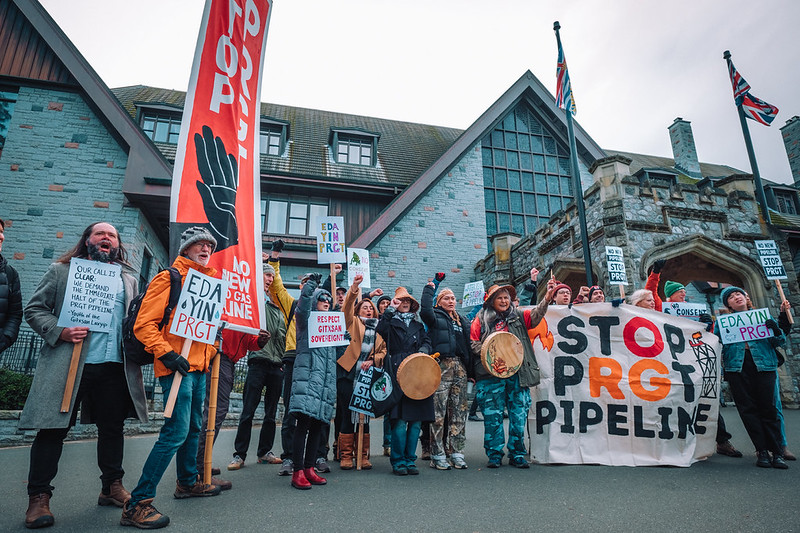
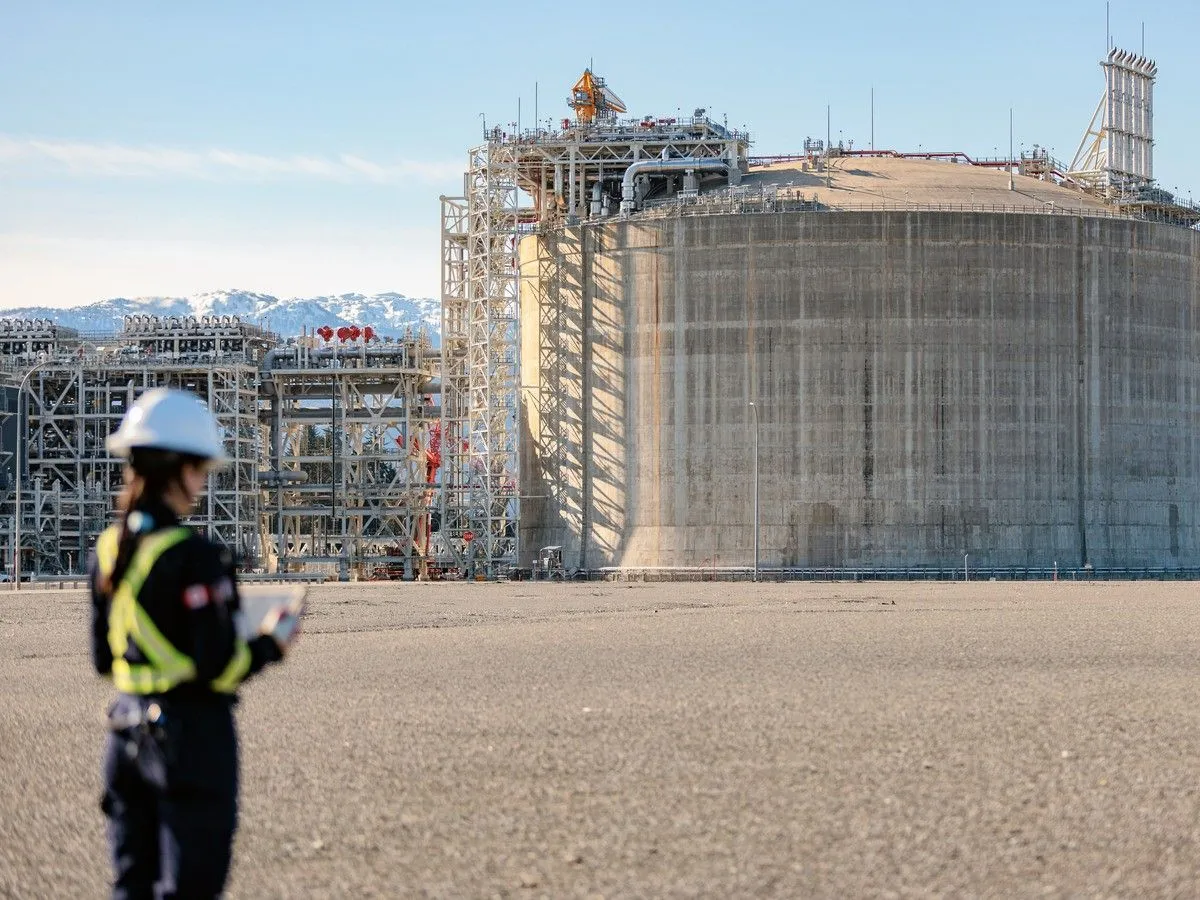
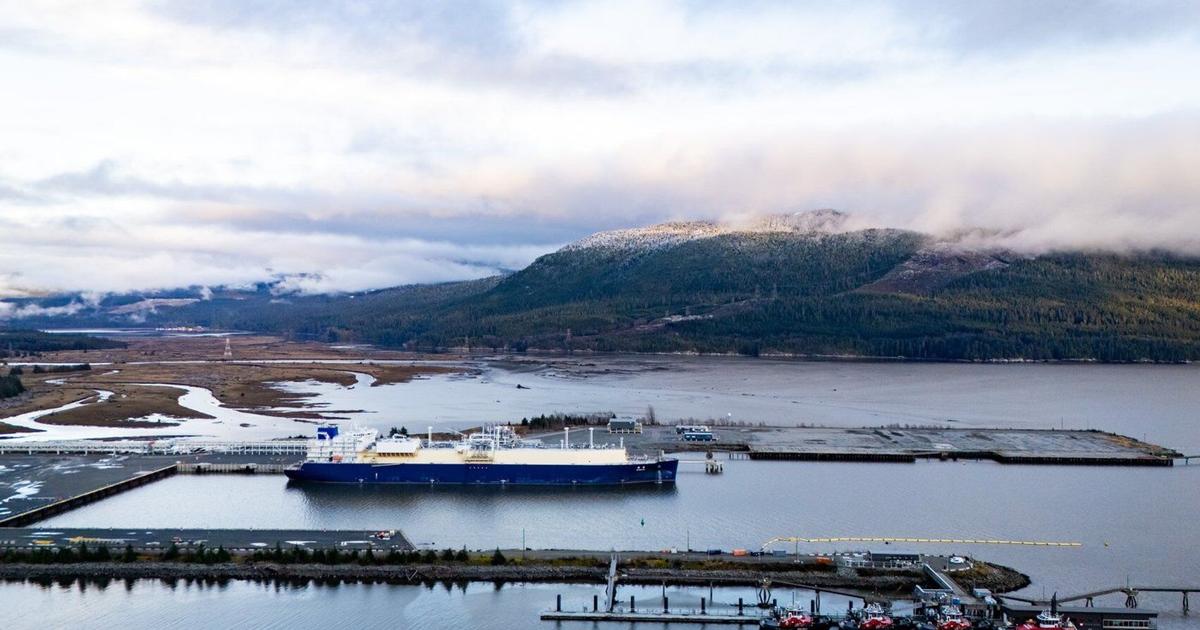
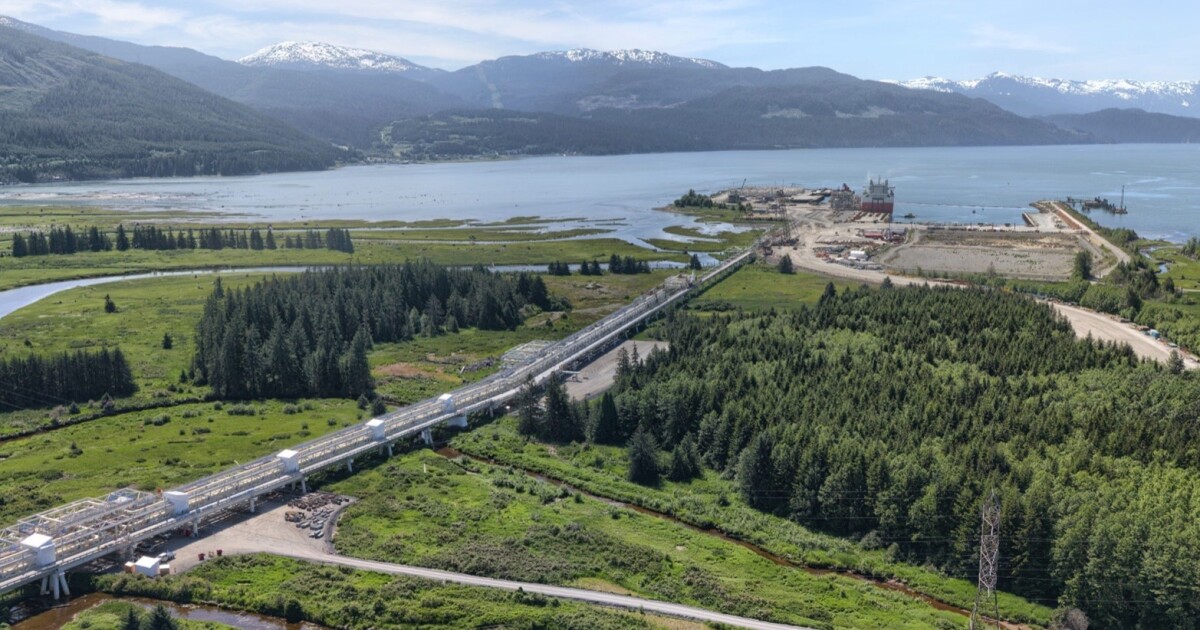
A recent example is the Ksi Lisims LNG terminal and the associated 900 kilometer Prince Rupert Gas Transmission (PRGT) pipeline that will be fast-tracked by Prime Minister Mark Carney’s government, justified in part by the equity participation by the First Nation Nisga’a Lisims Government.