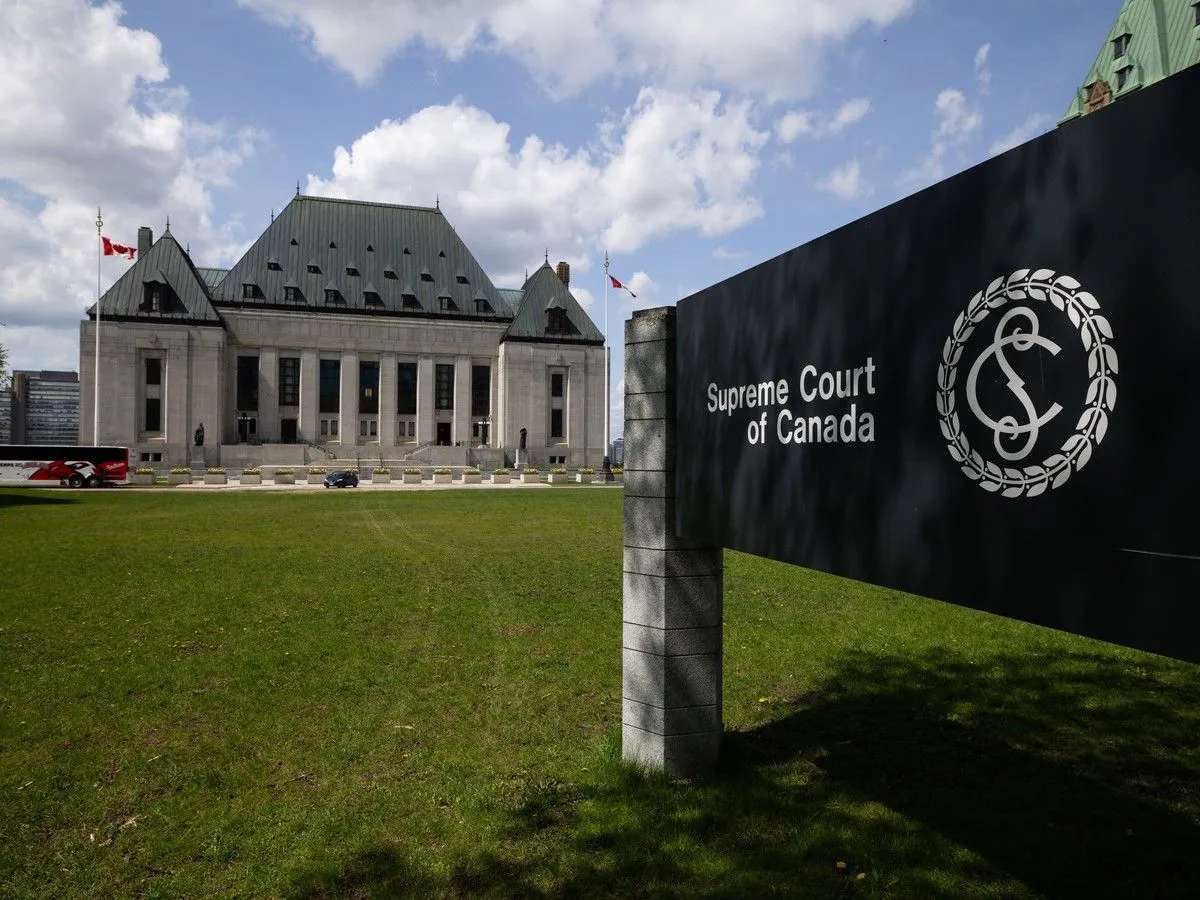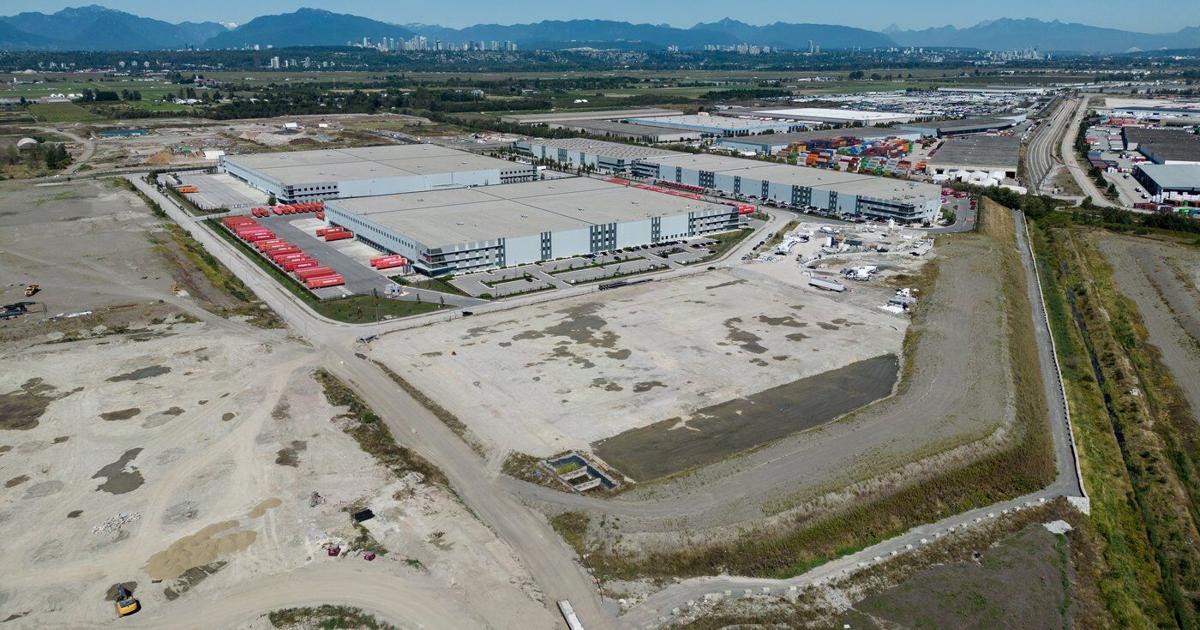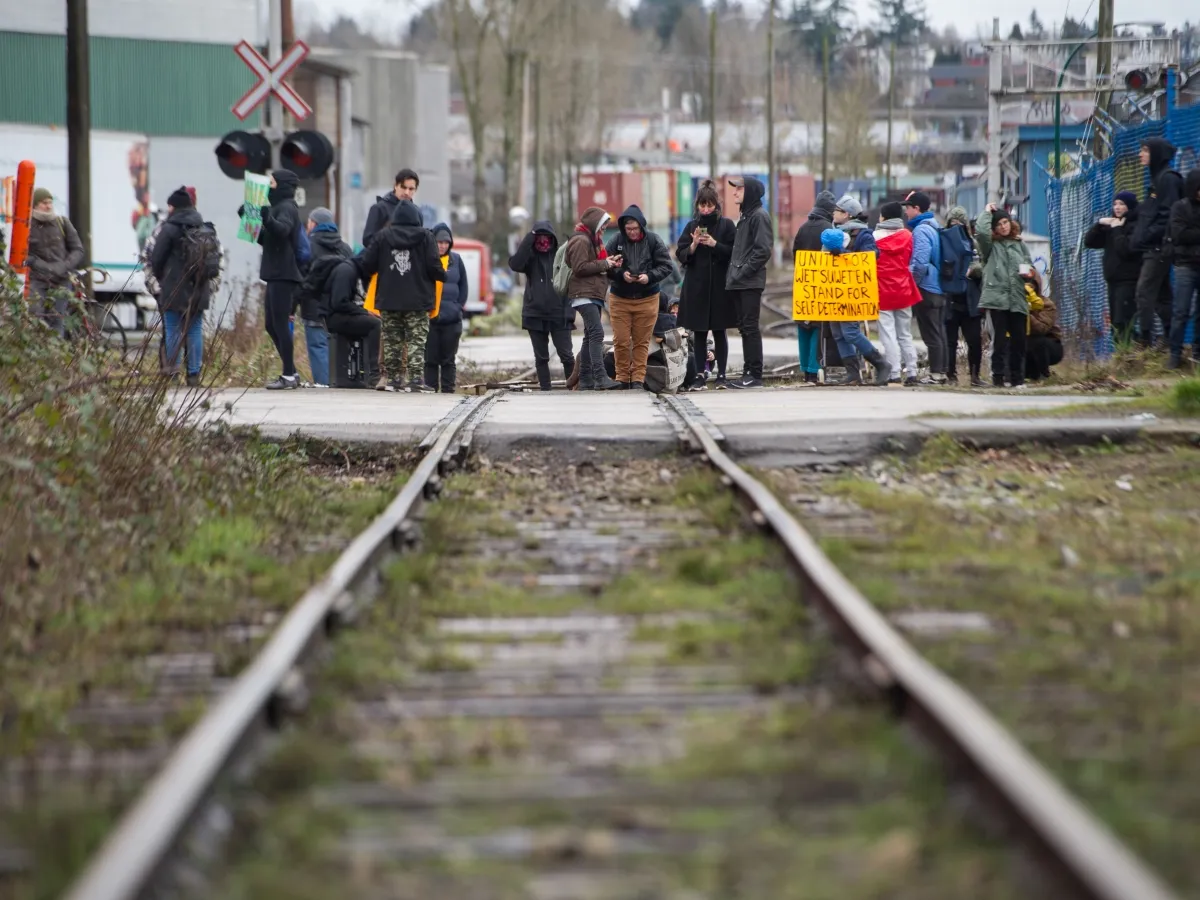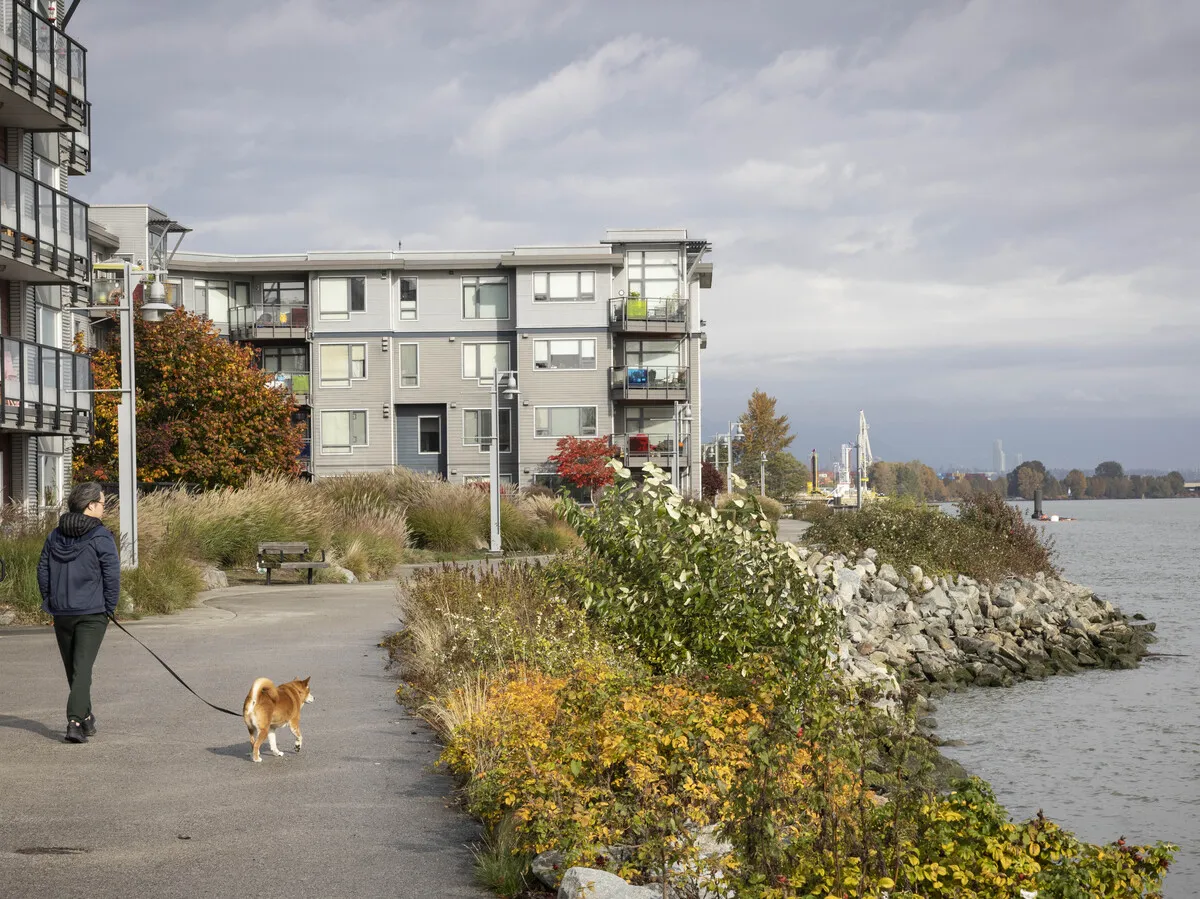
Skip to Content News Archives Economy Energy Oil & Gas Renewables Electric Vehicles Mining Commodities Agriculture Real Estate Mortgages Mortgage Rates Finance Banking Insurance Fintech Cryptocurrency Work Wealth Smart Money Wealth Management Investor Personal Finance Family Finance Retirement Taxes High Net Worth FP Comment Executive Women Puzzmo Newsletters Financial Times Business Essentials More Innovation Information Technology FP500 Podcasts Small Business Lives Told Tails Told Shopping Financial Post Store Obituaries Place a Notice Advertising Advertising With Us Advertising Solutions Postmedia Ad Manager Sponsorship Requests Classifieds Place a Classifieds ad Working Profile Settings My Subscriptions Saved Articles My Offers Newsletters Customer Service FAQ News Economy Energy Mining Real Estate Finance Work Wealth Investor FP Comment Executive Women Puzzmo Newsletters Financial Times Business Essentials HomeNewsEconomyCanada property owners cry foul after $1 billion Indigenous land-rights rulingLandmark court decisions on Indigenous rights have rattled liberal British Columbia — and risk costing the premier his jobAuthor of the article:Last updated 29 minutes ago You can save this article by registering for free here. Or sign-in if you have an account.The question of how best to honour Indigenous land rights has vexed post-colonial societies across much of the globe and continues to defy easy solutions. Photo by Jason Payne/PostmediaNot far from the Vancouver airport lies an industrial zone of plain, gray warehouses bordered by the Fraser River and serviced by a steady procession of trucks.Subscribe now to read the latest news in your city and across Canada.Exclusive articles from Barbara Shecter, Joe O'Connor, Gabriel Friedman, and others.Daily content from Financial Times, the world's leading global business publication.Unlimited online access to read articles from Financial Post, National Post and 15 news sites across Canada with one account.National Post ePaper, an electronic replica of the print edition to view on any device, share and comment on.Daily puzzles, including the New York Times Crossword.Subscribe now to read the latest news in your city and across Canada.Exclusive articles from Barbara Shecter, Joe O'Connor, Gabriel Friedman and others.Daily content from Financial Times, the world's leading global business publication.Unlimited online access to read articles from Financial Post, National Post and 15 news sites across Canada with one account.National Post ePaper, an electronic replica of the print edition to view on any device, share and comment on.Daily puzzles, including the New York Times Crossword.Create an account or sign in to continue with your reading experience.Access articles from across Canada with one account.Share your thoughts and join the conversation in the comments.Enjoy additional articles per month.Get email updates from your favourite authors.Create an account or sign in to continue with your reading experience.Access articles from across Canada with one accountShare your thoughts and join the conversation in the commentsEnjoy additional articles per monthGet email updates from your favourite authorsSign In or Create an AccountorTwo centuries ago, a village of the Cowichan people occupied the site, their presence and name recorded by a ship’s captain surveying the region. Now the neighbourhood is the centre of a fight over Indigenous rights that has property holders across British Columbia wondering if they truly own their land.The province’s Supreme Court in August ruled the Cowichan have title to 3.2 square kilometres of the industrial zone in the city of Richmond — land worth about $1.3 billion. Far from settling the issue, the ruling has triggered a backlash that is reshaping politics in famously liberal B.C., as conservative politicians demand the government uphold property rights. The issue is reverberating nationwide, with Liberal Prime Minister Mark Carney telling the House of Commons in April the government “fundamentally disagrees” with the decision.Get the latest headlines, breaking news and columns.By signing up you consent to receive the above newsletter from Postmedia Network Inc.A welcome email is on its way. If you don't see it, please check your junk folder.The next issue of Top Stories will soon be in your inbox.We encountered an issue signing you up. Please try againThe Cowichan, for their part, say protecting property rights is exactly what the ruling does. And it’s not the only such dispute wending its way through the province’s courts, with Indigenous groups pursuing claims to both public and private lands from Kamloops to Kingcome Inlet.“One good thing about the colonizers is that they were so arrogant that they wrote everything down,” said Chief Shana Thomas of the Lyackson First Nation, part of the Cowichan Nation. “So there’s just this unarguable history, written by the colonial people of the day, that reinforces what our elders have always said.”For years, events in B.C. have begun with “land acknowledgements,” reminding attendees they’re on the unceded territories of people who lived there before Europeans settled. Rapprochement with the province’s First Nations was a source of public pride. That may now be changing. Half of British Columbians in a recent poll by the Angus Reid Institute said the province is giving Indigenous issues “too much” attention, up 14 points since the Cowichan ruling.Although the decision is being appealed, its effects were immediate.Richmond’s mayor wrote to property holders, warning their ownership was in question. The affected zone’s biggest developer, Montrose Property Holdings Ltd., said the judgment prompted a lender to pull out of talks to fund a new warehouse. It has also been blamed for scuttling an offer to buy a nearby hotel. Paul Sullivan, a principal at tax consultant Ryan ULC, called the few homes in the zone “currently unsaleable.”Adding fuel to the controversy, a higher court four months later issued a ruling that means the province must bring all its laws into compliance with a 2007 United Nations declaration on the rights of Indigenous peoples worldwide.Not only does the declaration call for returning land — when possible — to peoples unjustly removed from it. The document also says states must seek “free, prior and informed consent” from Indigenous groups over developments that directly affect them. Some worry it could turn into an “Indigenous veto” at a time when Carney’s government is pushing for new pipelines, mines, smelters and port expansions to survive U.S. President Donald Trump’s trade war.British Columbia in 2019 passed a law to comply with the UN declaration, with officials thinking they would have years or decades to bring provincial laws into alignment. Instead, the province is now exposed to “a tidal wave of litigation” and “unlimited legal liability,” in the words of B.C.’s left-wing premier, David Eby, who was the province’s attorney general when that law — known as DRIPA — was passed.“We know that the vast majority of our laws are not compliant,” he said. The December decision, he said, means that “any law at any time, any statutory decision could be challenged and overturned.”Together, the two rulings have rattled residents and companies, with the Business Council of British Columbia saying DRIPA is chilling investment in the province.The issue has also breathed new life into B.C.’s opposition Conservatives, with a recent poll giving the party its first ever double-digit lead over Eby. They will announce the result of a leadership election on May 30, and every candidate has called for repealing the 2019 declaration law. B.C.’s next general election doesn’t need to happen until 2028, although it could be called earlier.“In every community I’m in, it’s the first or second question: ‘What are you going to do about DRIPA, and how are you going to protect private property rights?’” said Caroline Elliott, a commentator and leadership candidate.The question of how best to honour Indigenous rights has vexed post-colonial societies across much of the globe and continues to defy easy solutions. Although nearly 150 countries supported the 2007 UN resolution when it was approved, almost none incorporated it into their own laws.Fast-changing public opinion in B.C. also represents the latest instance in which a cherished cause of the political left has preceded a backlash. Voters in other left-leaning places, such as Washington State and California, have already reversed or diluted several long-sought liberal policies, such as decriminalizing drug possession and reducing sentences for low-level theft.While the Indigenous land rights issue has touched a raw nerve across Canada, it’s most acute in B.C. — largely due to unfinished business.Unlike in much of Canada, the British Crown never signed treaties with most of B.C.’s 204 First Nations. That means their legal relationship to the modern state is still in flux, and their traditional territories remain unceded. The provincial government says it wants to sign treaties now, rather than fight the nations in court. It’s in talks with 29 groups, according to its treaty commission.For most of B.C.’s history, Indigenous people were often confined to what one chief, Joe Gosnell, called “postage-stamp” reserves a fraction the size of their ancestral lands. Legal and cultural discrimination crippled their opportunities. Indigenous people have an average life expectancy 7.5 years shorter than Canada’s average, according to the 2021 census.The Richmond warehouse district had its own specific historical baggage.Some 199 years ago, the site was surveyed by Captain Aemilius Simpson of the Hudson’s Bay Company, who recorded “Cowitchin Villages” of people living and fishing there. Thirty years later, an “Indian village” was documented again, this time by officials mapping out the new colony of B.C.. Governor James Douglas, relatively accommodating for the times, set the land aside to become an Indigenous reservation.Instead, documents show Douglas’s subordinates and successors parcelled out the land to become private property, with one secretly buying some for himself. The Cowichan were left with reserves 35 miles away. But they didn’t forget, and they eventually brought the force of the English-derived legal system against both the provincial and federal governments.The August ruling, in what has become the longest-running court case in Canadian history, left unresolved the question of how to reconcile Indigenous title with private ownership. Instead, it ordered B.C. to negotiate with the Cowichan.Thomas, the Lyackson chief, said her nation isn’t interested in taking anyone’s house. Instead, the group wants to participate in the Vancouver area’s economic future and is still trying to figure out what to do with the land title. The day after the ruling, which also recognized Cowichan fishing rights, fishers were back out on the water, she said.“Indian reserves are small, opportunities are limited,” she said. “So to have land return to the nation, there’s going to be opportunity.”Eby, who for years led as a First Nations ally, said the decision has created “huge anxiety” in the province. But the premier also insists much of the political rhetoric around it has been overblown. B.C., he said, remains attractive to investment, citing such recent deals as Anglo American PLC’s acquisition of Teck Resources Ltd., which is expected to result in a Vancouver headquarters.“The over-the-top suggestions about the impacts on the province are not only not helpful, they’re just not true,” Eby said. “Money talks and bull***t walks, and there’s a lot of bull***t right now about this.”Property owners in the disputed area aren’t as confident.Rudolf Wall, 89, has lived in a house on the zone’s western edge for 60 years, assessed by tax authorities at $2 million. Although he hasn’t tried to sell his house since the decision, he fears the value has been wiped out.“This is now worth nothing,” he told Bloomberg News, standing in front of his two-story home nestled among tall trees. “I thought this $2 million would be a good sum of money for our children after we pass away. But now it’s gone.”Realtor Donald Mui is selling a waterfront apartment that lies just outside the zone covered by the August decision, although it’s inside a wider area that the Cowichan have claimed in the appeals process. He sounded sanguine about his prospects. “Reduce it enough, then you’ll sell,” he said. “There’s always a market value for it, right? It’s not zero, let’s put it that way.” Join the Conversation This website uses cookies to personalize your content (including ads), and allows us to analyze our traffic. Read more about cookies here. By continuing to use our site, you agree to our Terms of Use and Privacy Policy.
Canada property owners cry foul after $1 billion Indigenous land-rights ruling
Landmark court decisions on Indigenous rights have rattled liberal British Columbia — and risk costing the premier his job. Read here now
1,987 words~9 min read