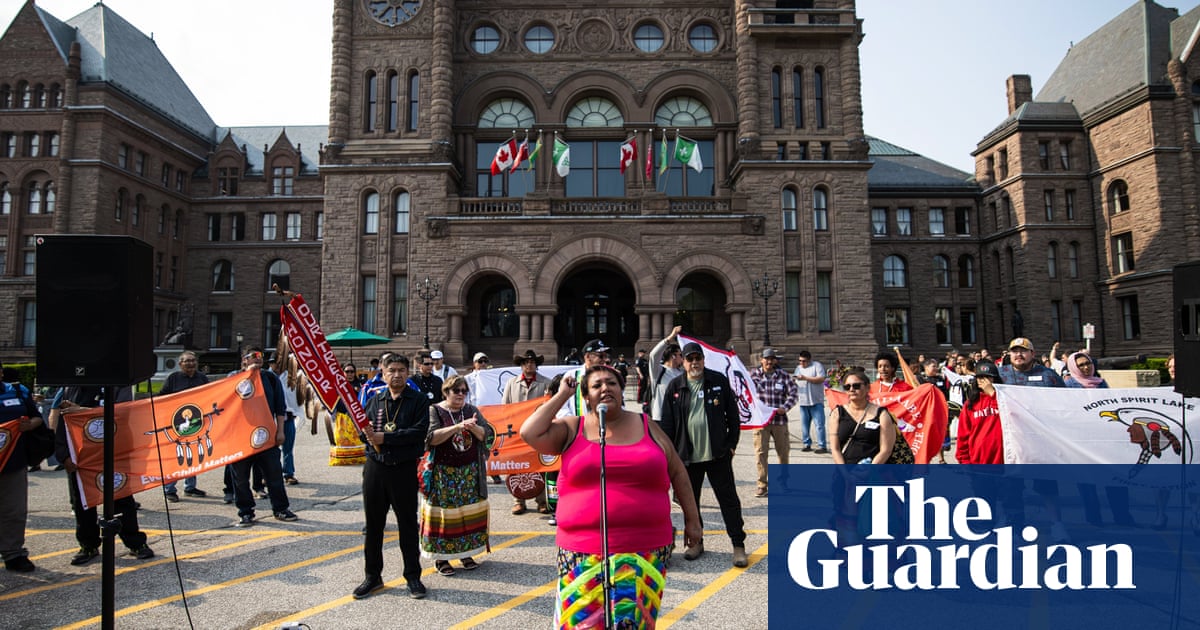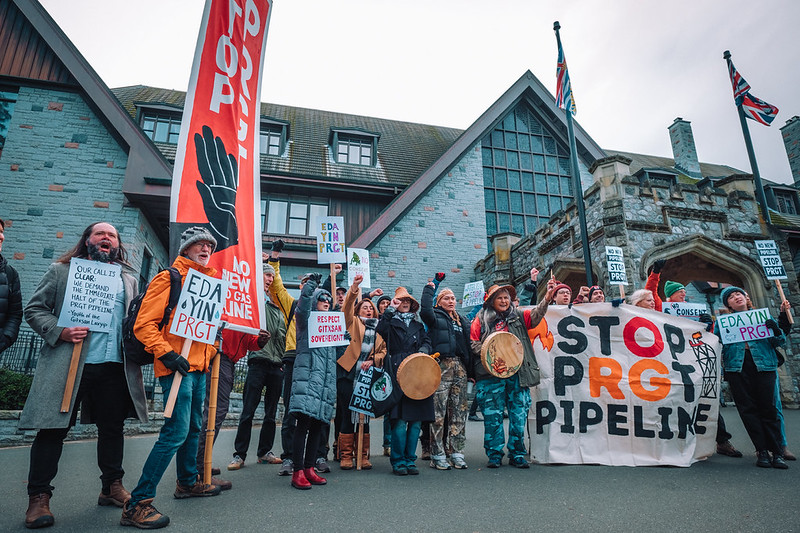
In mid-April, Indigenous leaders from British Columbia traveled to Ottawa to protest against the federal government’s aggressive support for fossil fuel expansion.
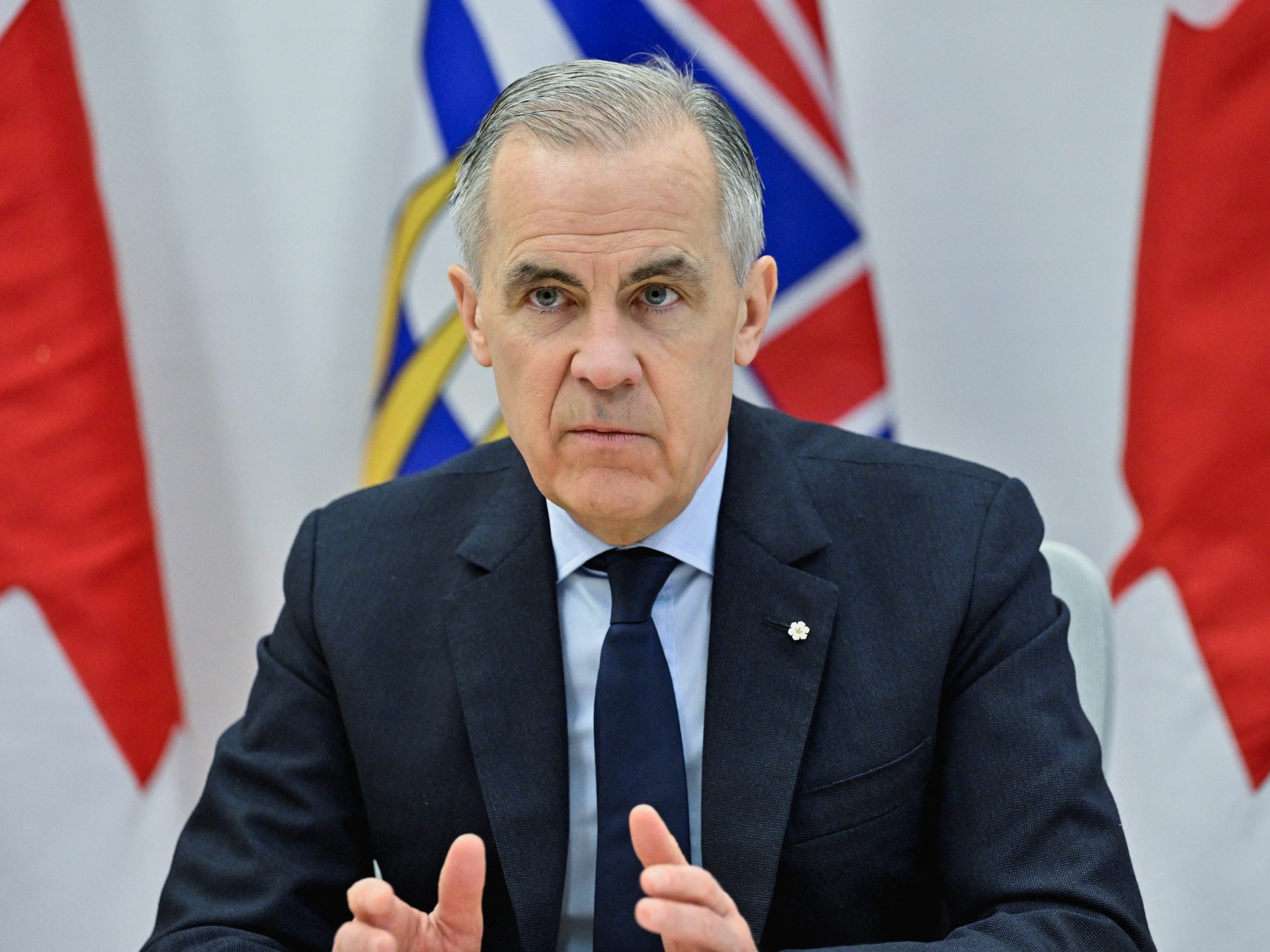
Mark Carney’s Liberal government is fast-tracking multiple LNG projects in British Columbia, including the recent approval of Enbridge’s $4 billion natural gas pipeline expansion.
Securing Indigenous support for fossil fuel projects has been a cornerstone strategy of Canada’s oil and gas sector in recent years, with companies promising considerable benefits on the one hand while highlighting Indigenous involvement as an aspect of corporate responsibility on the other.
Not everyone is on board however, and Indigenous communities have been some of the most vocal opponents of major Canadian energy projects, including Union of BC Indian Chiefs representative Kitisha Paul, who argued at the Ottawa protest that fossil fuel expansion is causing the “deterioration of our land, our water.”
Kai Nagata, an energy campaigner with the B.C.-based environmental non-profit Dogwood, has spent years working with Indigenous communities on the front-lines of opposition to new oil and gas infrastructure, a role that’s included deep research into the benefit agreements offered by industry as well as the foreign investors set to cash-in from new gas pipelines and export terminals. In an extensive Q&A with DeSmog, Nagata illuminates some of the tensions around promises of Indigenous participation in new fossil fuel projects, and the ways in which these supposedly “nation building” projects are tied to the U.S. and the MAGA movement.