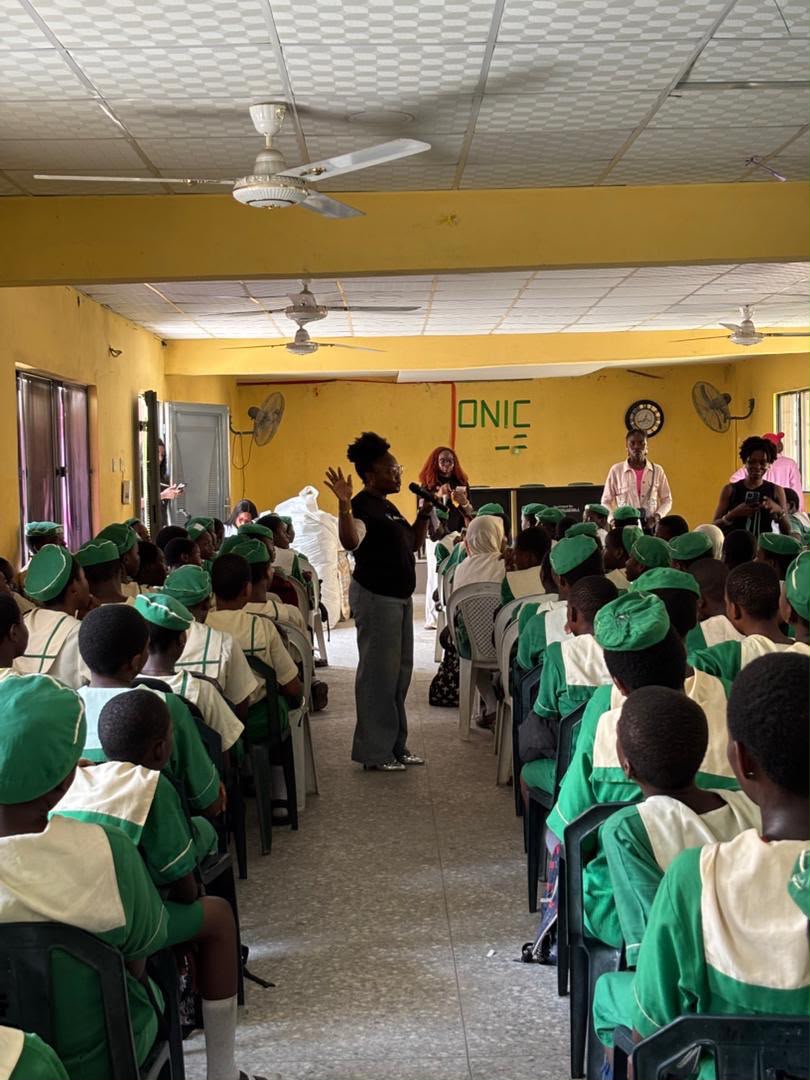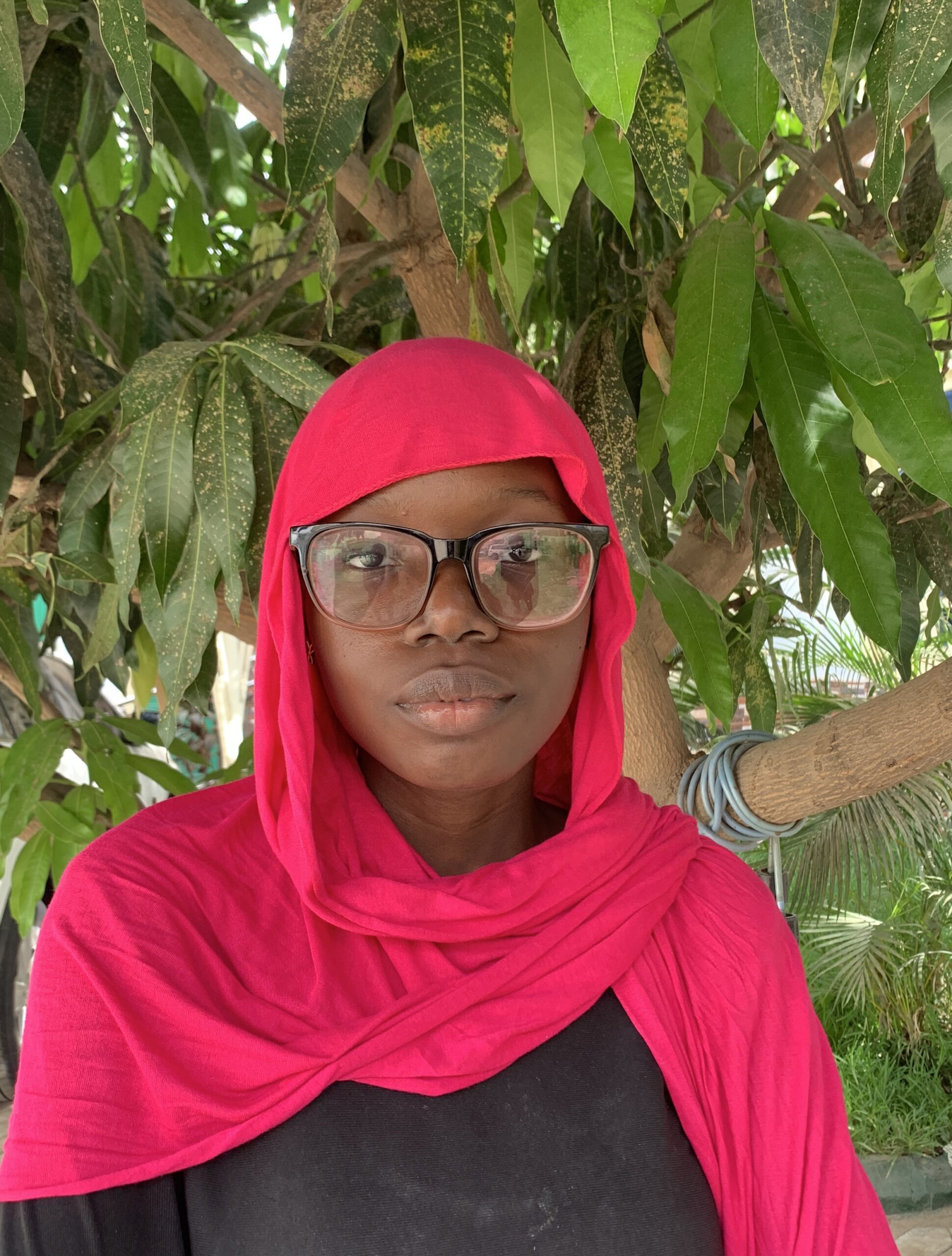
Nigerian teenager Raheema Auwal-Panti founded ‘Pantipads’ to tackle the problem of access to sanitary products and the prevalence of non-eco-friendly sanitary pads.She designed pads that use low-grade agriculture waste that decomposes easily.Auwal-Panti’s project was selected in a shortlist of 35 global teams for the 2026 Earth Prize, instituted by the Earth Foundation, a Switzerland-based non-profit that empowers, educates and inspires young people to tackle environmental challenges.
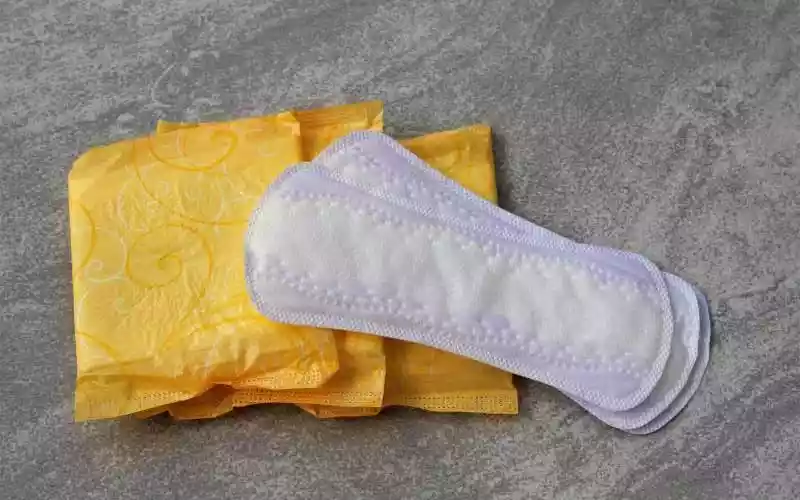
For many Nigerian women, access to sanitary pads remains a challenge. Even those who can obtain them, the prevalence of single-use menstrual products creates problems of its own. They contain plastics and chemicals and are not eco-friendly generating large amounts of waste.
After learning that many traditional sanitary pads used contain up to 90% plastic and can take hundreds of years to decompose, Nigerian teenager Raheema Auwal-Panti saw an opportunity to support women while helping the environment. The 15-year-old decided to use low-grade agricultural waste to make sanitary pads.
She was motivated by a desire “to sweep up plastic pollution” in Nigeria. “[Even] if no one does something about it, I could do something about it,” said Auwal-Panti, who hails from Minna, the capital of Niger state in Nigeria. She founded ‘PantiPads’ in 2025.