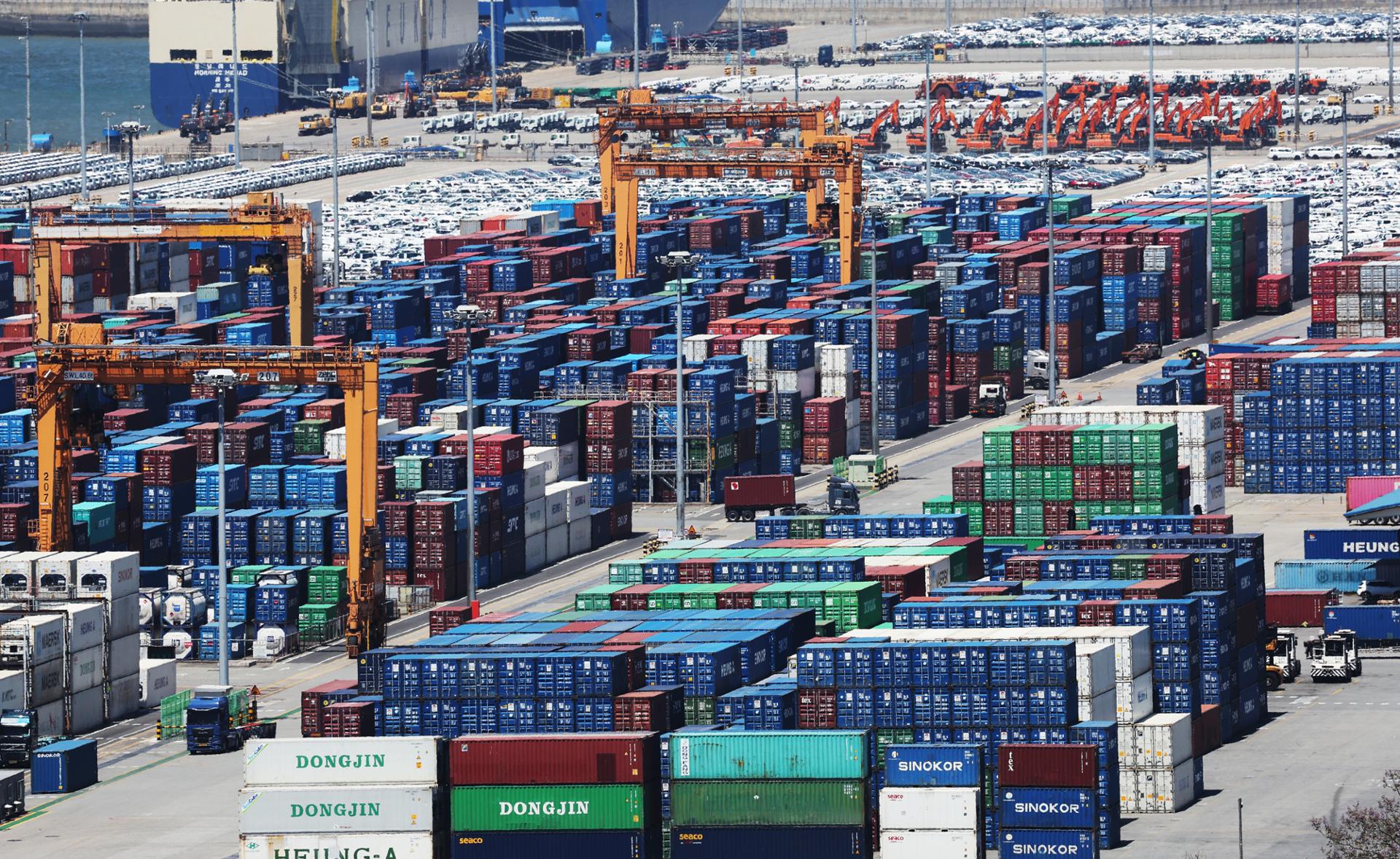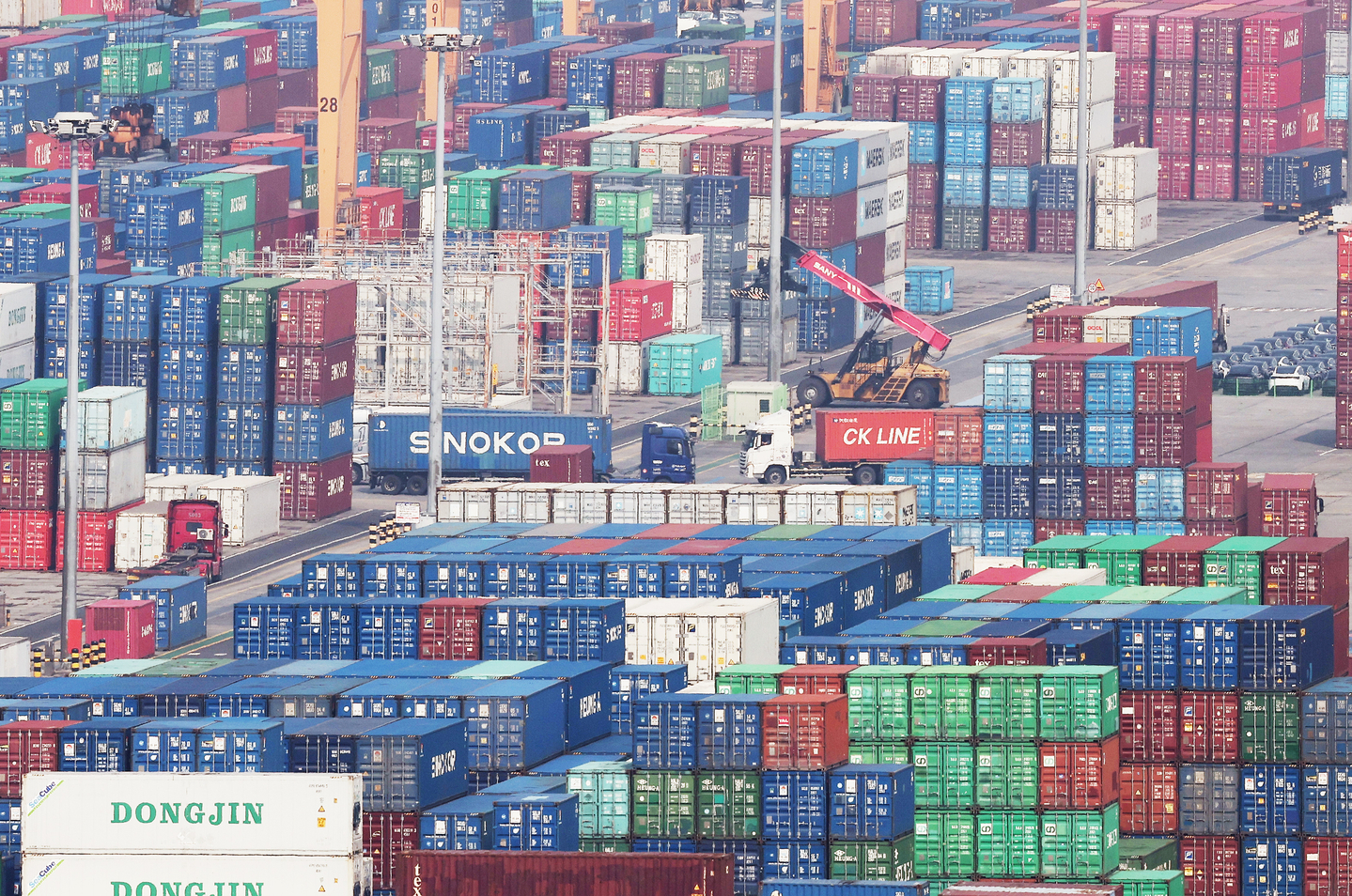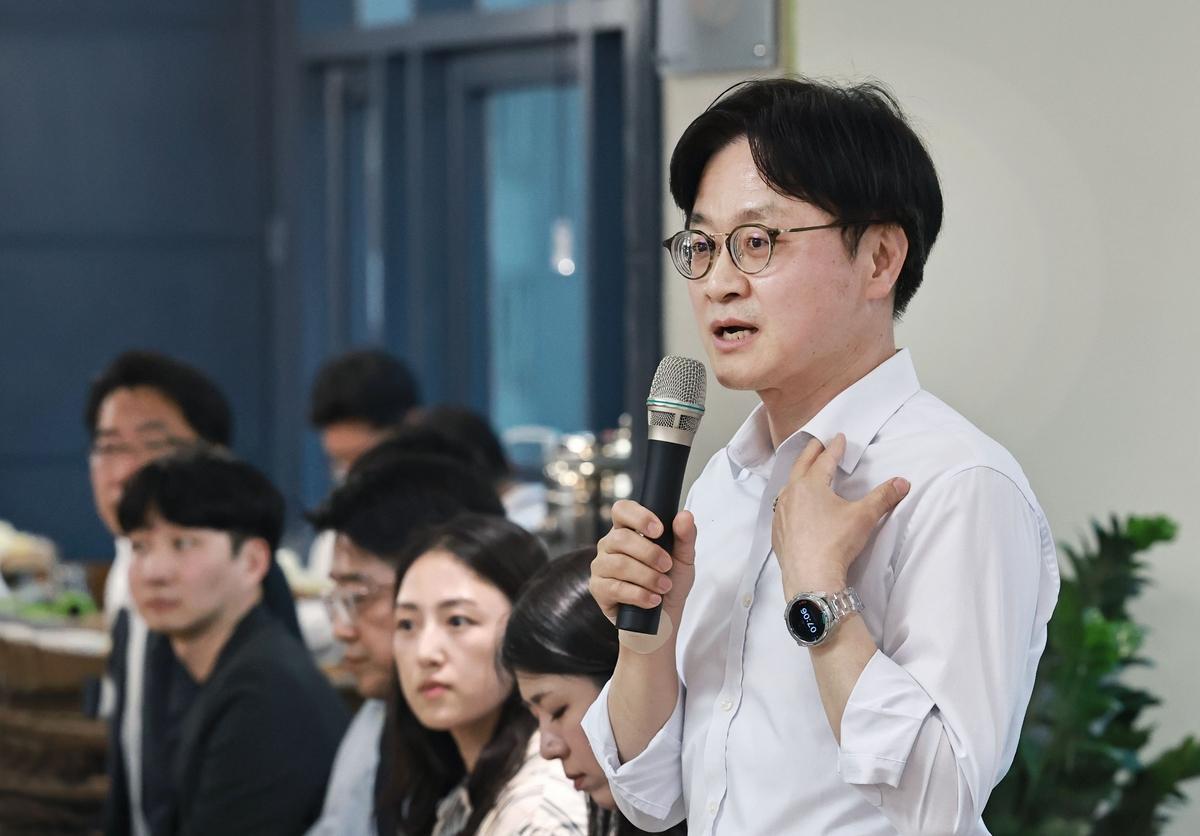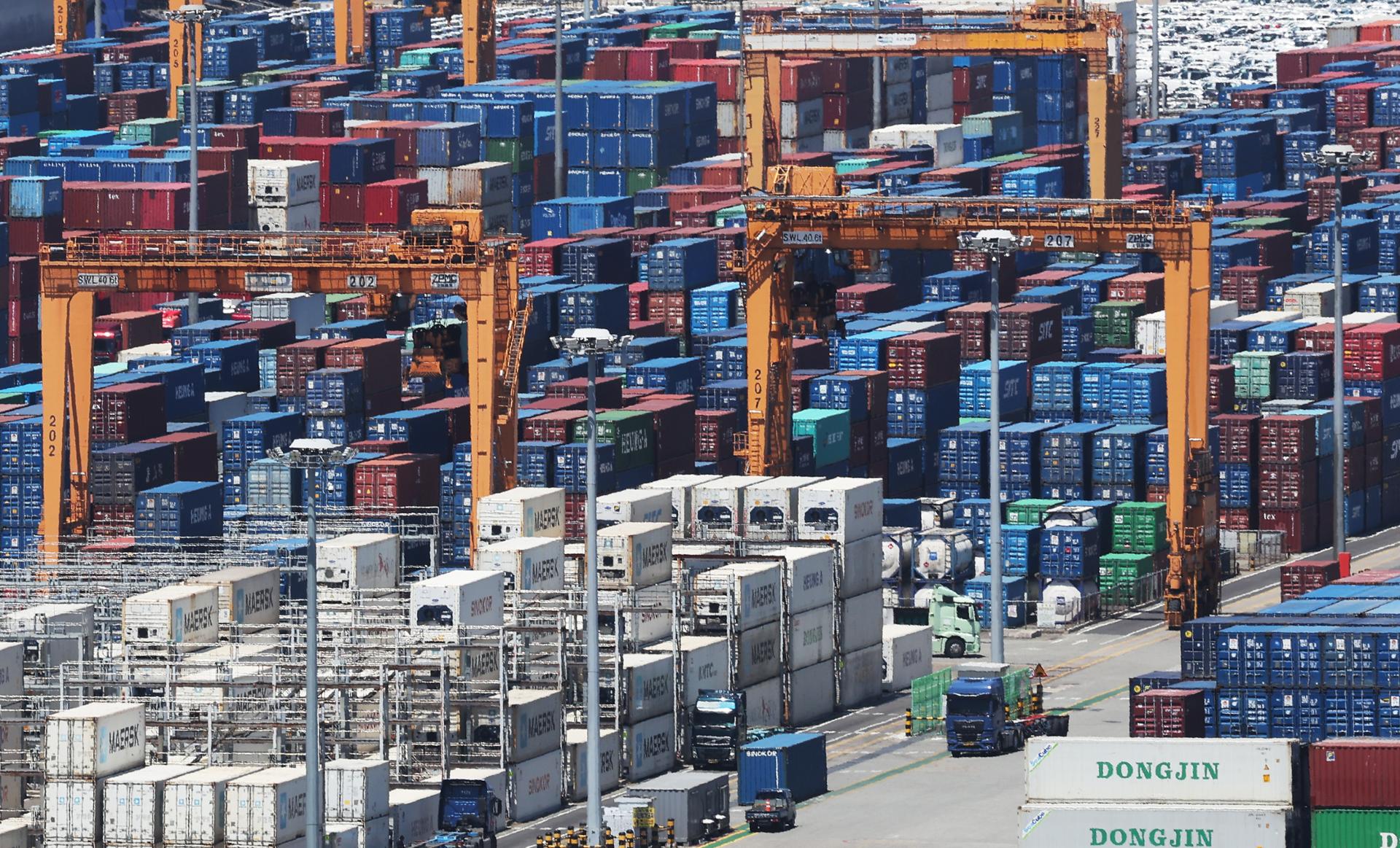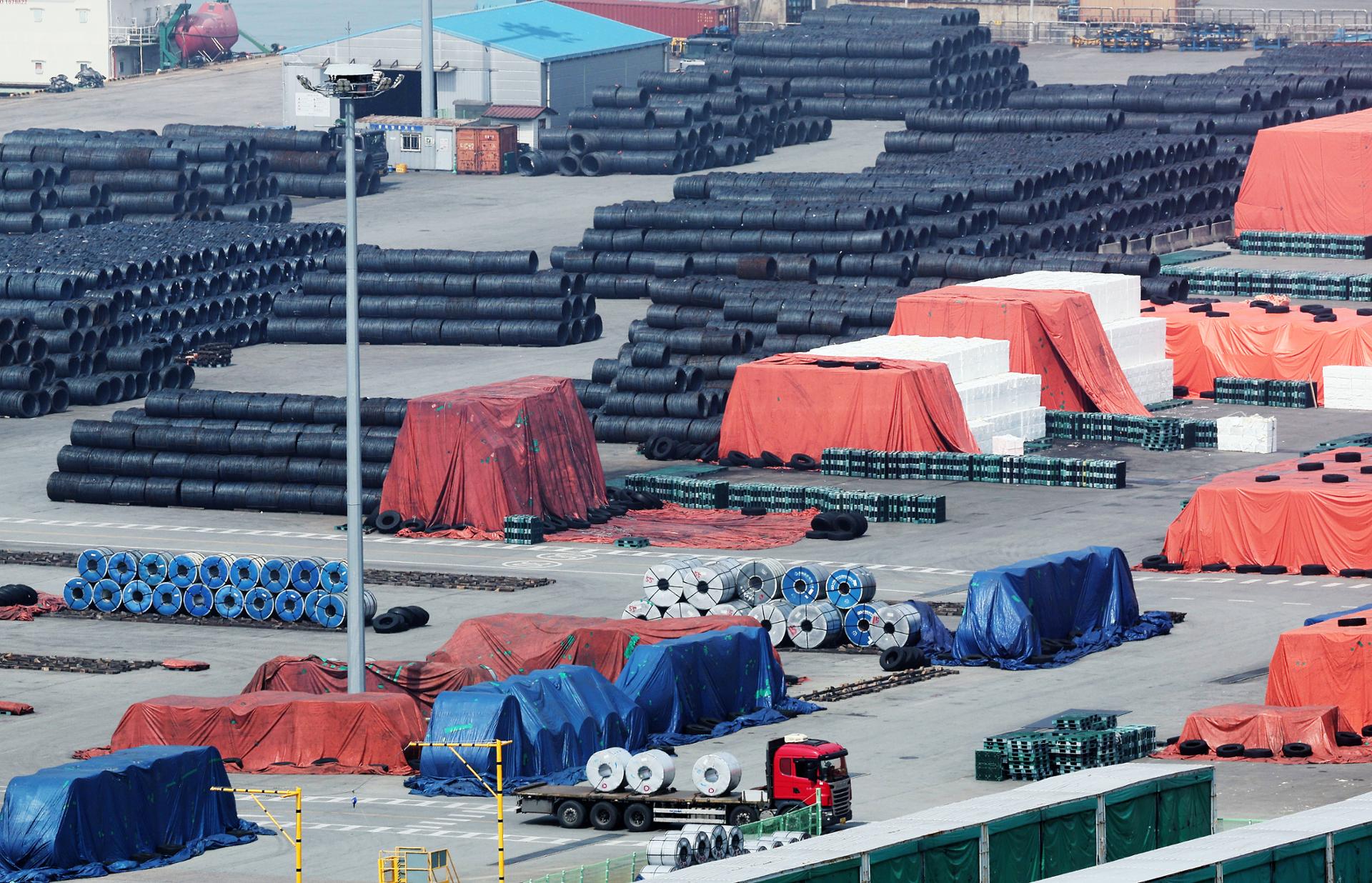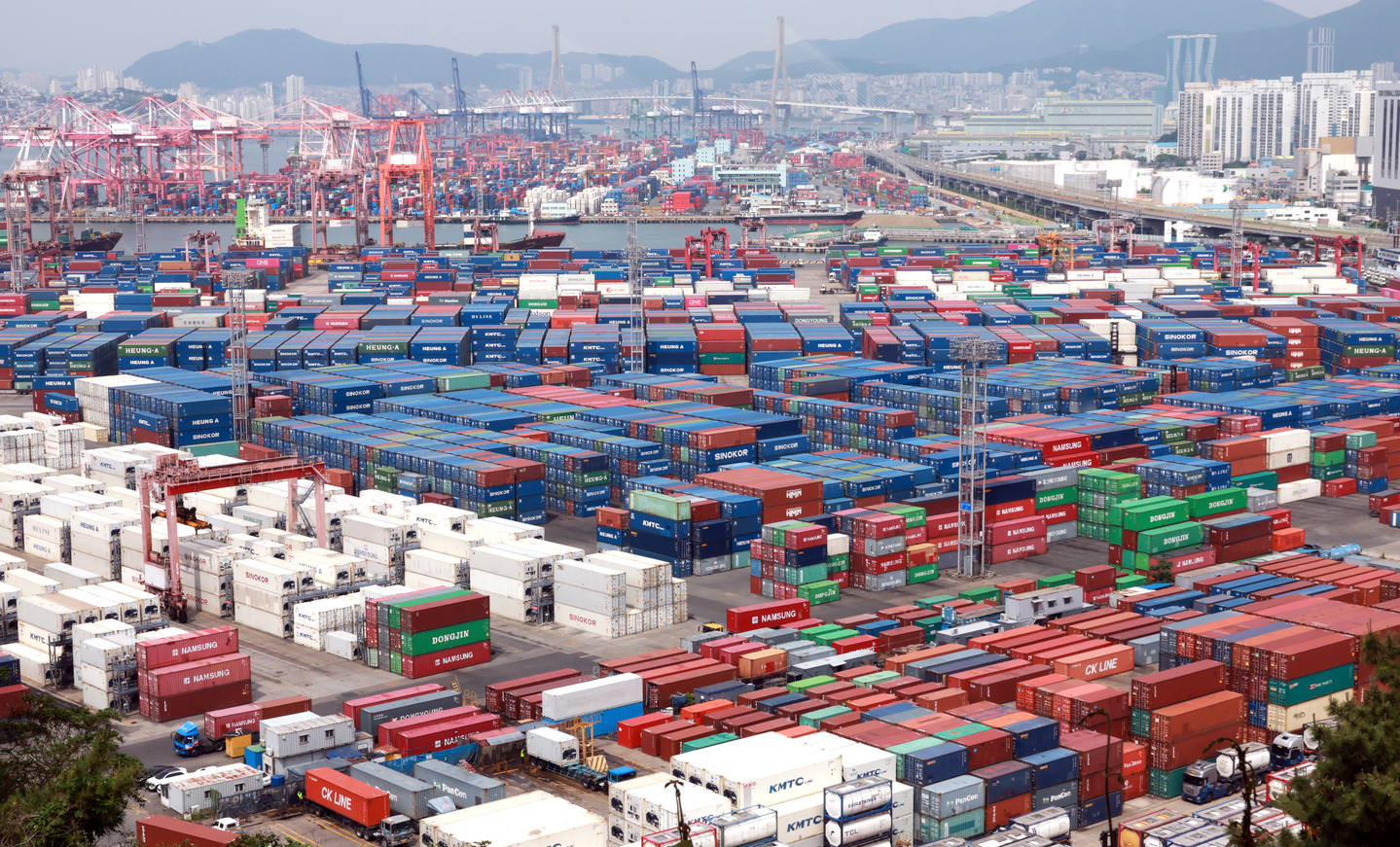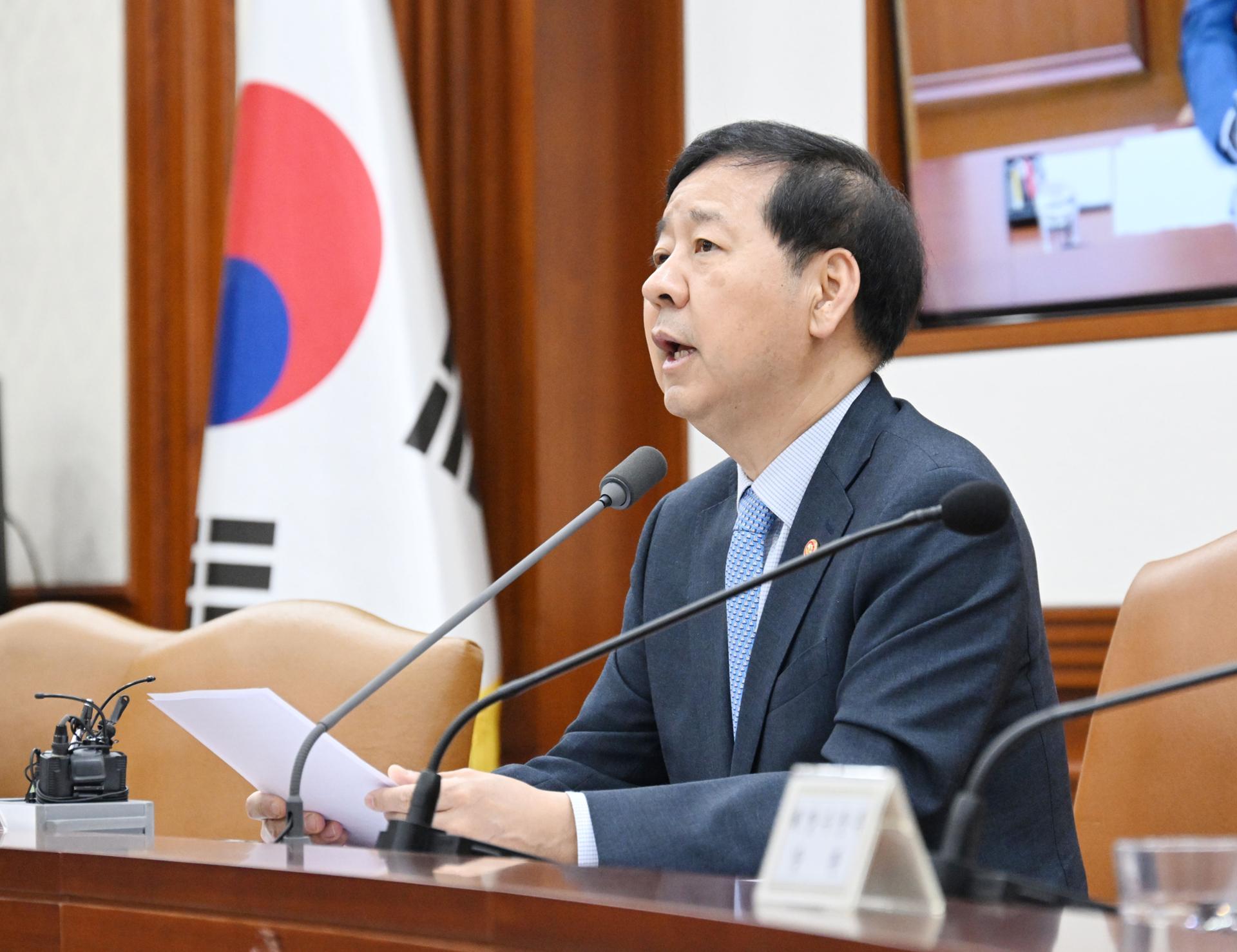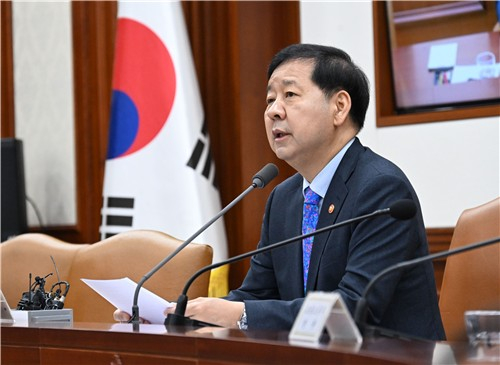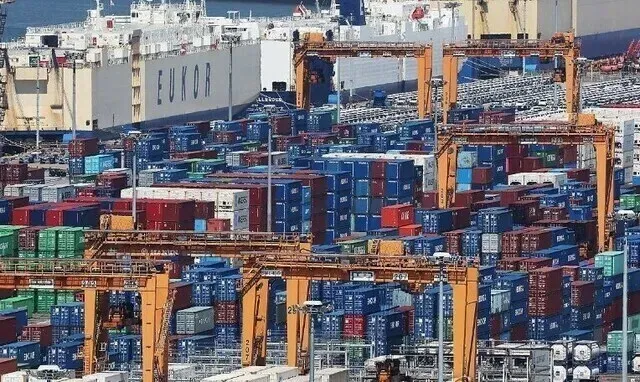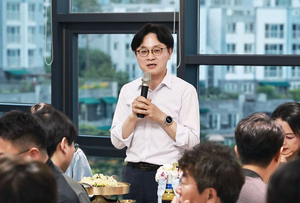
Kim Jung-kwan highlights tariff pact, export surge, industrial restructuring in first-year assessment Industry Minister Kim Jung-kwan speaks during a press meeting in Sejong on Wednesday. (Ministry of Trade, Industry and Resources) South Korea is on track to become one of the world’s top five exporters this year, Industry Minister Kim Jung-kwan said Thursday, as the government touted record exports, a Korea-US tariff deal, and an AI-driven manufacturing push among the administration’s key first-year achievements.Speaking at a press briefing Wednesday, Kim also addressed major industrial issues such as Korea’s bid for Canada’s multibillion dollar submarine project and Samsung Electronics’ recent settlement of a long-running bonus dispute.“Although we need to remain cautious about external variables, exports are expected to exceed $900 billion this year,” Kim said, expressing confidence that Korea can break into the world’s top five exporting nations.Korea’s exports hit a record $709.3 billion last year, making it the sixth country ever to surpass the $700 billion mark. Momentum has accelerated this year, with exports through April surging 40.9 percent on-year to a record $306.5 billion.Kim pushed back against the view that the rally is driven solely by semiconductors.“Chip exports have risen about 140 percent, so many people say it is all because of semiconductors,” he said. “But even excluding chips, other industrial sectors are posting solid growth of 14 to 15 percent.”On Korea’s bid for Canada’s submarine project, estimated at up to 60 trillion won ($40 billion), Kim highlighted Korea’s technological readiness and broader industrial cooperation proposal.“Unlike the competing German model, which is still in the design stage, our KSS-III submarines are already operational,” Kim said. He added that Korea’s proposal also includes cooperation in hydrogen vehicles and defense equipment.Kim said his recent meeting with Canadian Industry Minister Melanie Joly had been encouraging, but cautioned that Canada could ultimately favor Europe because of longstanding ties and NATO alignment.Kim also welcomed Samsung Electronics’ agreement with labor unions that helped avert a planned strike, while warning the outcome could prove either “poison or medicine” depending on how employees judge the deal.“The current semiconductor cycle could become either a stepping stone or a stumbling block for Samsung,” he said. “I hope Samsung uses this settlement as a stepping stone toward becoming a true global leader.”Alongside export growth, the Ministry of Trade, Industry and Energy highlighted four additional policy achievements: the Korea-US tariff agreement, petrochemical industry restructuring, energy security measures tied to the war in the Middle East, and the spread of AI across manufacturing.The Korea-US tariff deal, reached in November after more than 30 rounds of negotiations, helped reduce uncertainty for exporters and expand cooperation in strategic industries, the ministry said. Seoul has also passed a special law to support Korean investment projects in the US and introduced an interim review system ahead of the law’s implementation.Asked about the timing of Korean companies’ US investment announcements, Kim declined to provide specifics, saying the government must carefully evaluate commercial viability.On petrochemicals, the ministry said it is accelerating restructuring efforts in an industry hit by global oversupply. It approved a first restructuring project between HD Hyundai Chemical and Lotte Chemical in Daesan, backed by more than 2.1 trillion won in financial, tax and regulatory support. A second project involving YNCC and Lotte Chemical in Yeosu remains under review.The ministry also cited emergency measures to address Middle East energy risks, saying Korea secured May crude oil and naphtha imports at roughly 90 percent of year-earlier levels while reducing dependence on Middle Eastern crude to around 50 percent from 70 percent.On manufacturing AI, the ministry said its M.AX Alliance — launched last September with more than 1,000 companies, universities and research institutes — is supporting AI factory projects across 12 industries. The government plans to expand the number of AI factories to more than 200 by the end of the year.
Korea races toward top-five exporter club: Industry Minister
South Korea is on track to become one of the world’s top five exporters this year, Industry Minister Kim Jung-kwan said Thursday, as the government touted recor
635 words~3 min read