Every sysadmin eventually learns a painful truth about Linux security: the system is not trying to help you. It is trying to contain you. And nothing embodies this philosophy more than SELinux, file permissions, and vulnerability management all showing up at the same time like an uninvited security audit at 2 AM.
This story begins with a routine deployment. A web service was moved into production, permissions were set (probably too quickly), and everything appeared to work—until SELinux decided it had opinions.
The First Symptom: “Permission Denied” (But Make It Mysterious)
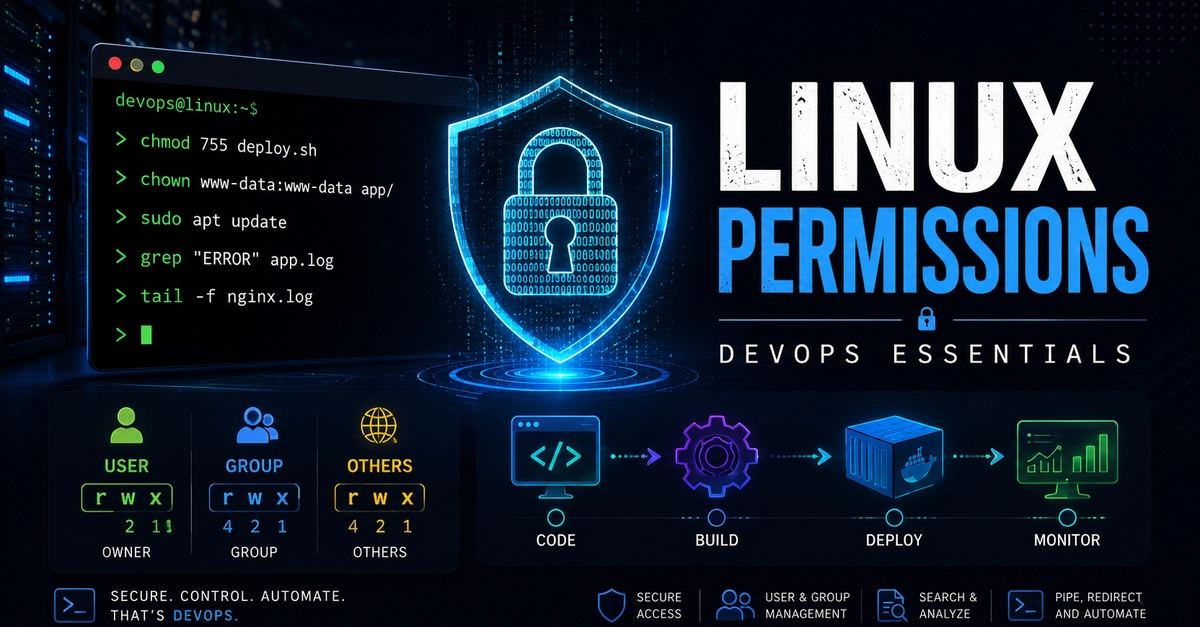
In Linux, file permissions are the first line of defense. Read, write, execute—simple enough. Until you confidently run:
chmod -R 777 /var/www/html