Introduction
Linux is the backbone of modern infrastructure. From cloud servers and firewalls to SIEM platforms and security tools, Linux runs silently behind most enterprise environments. For a Security Operations Center (SOC) analyst, understanding Linux is not optional — it is a core skill.
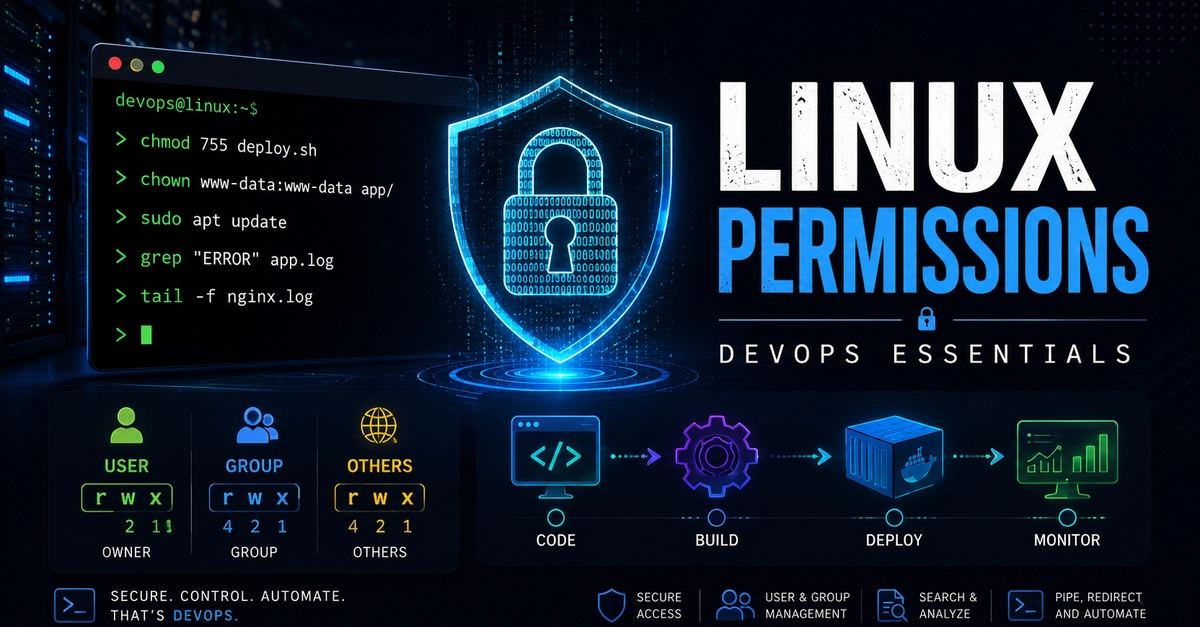
One of the most critical security mechanisms in Linux is its file permission and ownership model. Attackers abuse permissions to execute malware, hide persistence, escalate privileges, and erase evidence. SOC analysts rely on permission analysis to detect anomalies, investigate incidents, and build accurate timelines.
Become a Medium member
This article covers Linux File Permissions and Ownership in deep detail from a SOC analyst’s perspective. It is designed to take you from absolute beginner to security-aware professional, with real-world examples, attack scenarios, and investigation insights.