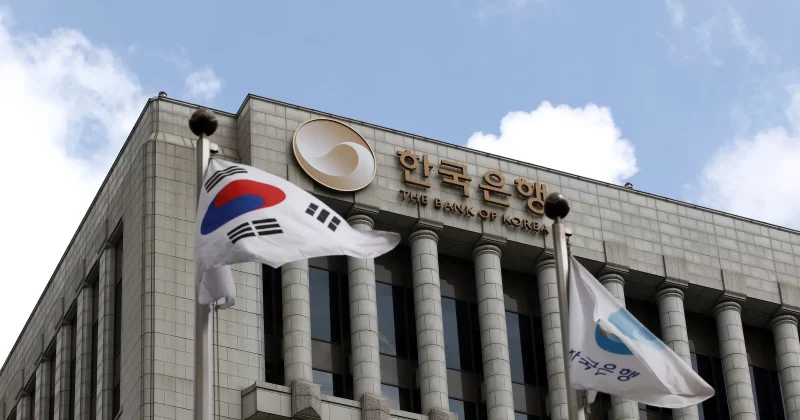
Here’s a sentence you probably didn’t expect to read in 2026: a central bank governor is more worried about keeping up with artificial intelligence than about a war in the Middle East.
The Bank of Korea’s new leadership has made a striking claim. The AI boom coursing through global semiconductor markets is a more powerful economic force for South Korea than the drag created by the ongoing Iran conflict and its ripple effects on energy prices.
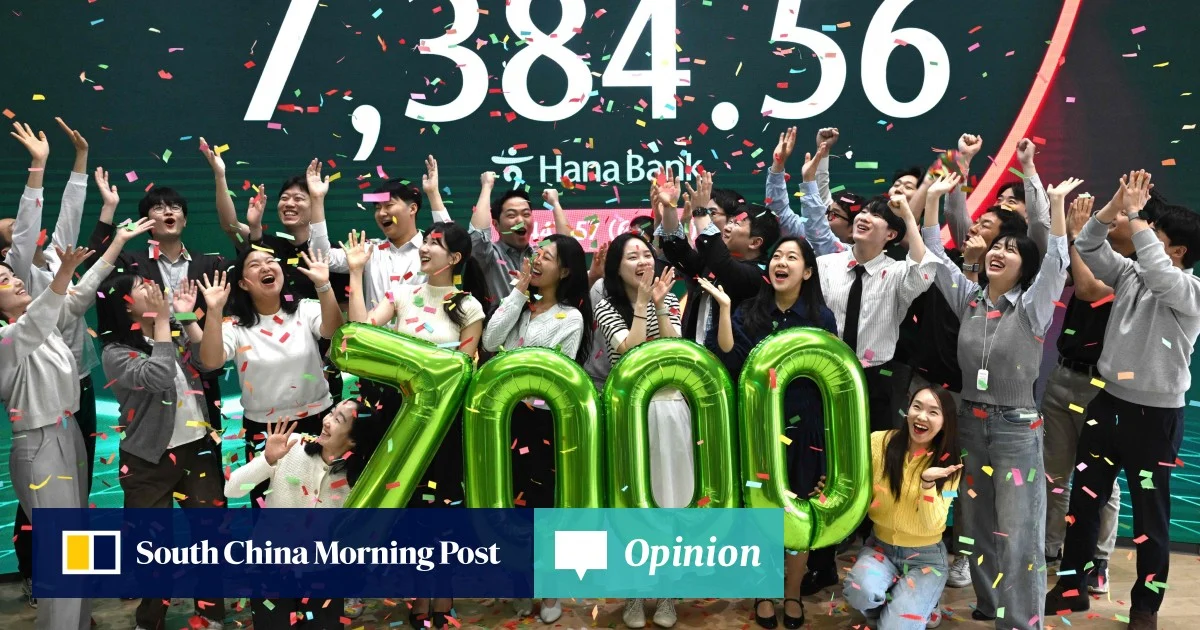
And the numbers, at least for now, back that up. South Korea’s KOSPI index has climbed approximately 4% compared to where it stood before the Iran war began in early 2026. Taiwan’s Taiex, another benchmark heavily weighted toward chipmakers, has done even better, surging nearly 10% over the same period.
HSBC economist Frederic Neumann noted that the AI boom has helped Korea offset the energy shock stemming from the Iran situation. That’s a significant observation from a major global bank, because it suggests this isn’t just central bank optimism. Outside analysts are seeing the same dynamic play out in real economic data.
In March 2026, the BOK itself identified increased inflation risks from two converging sources: rising IT-related prices driven by strong AI demand, and climbing oil costs tied to the Iran conflict.