Yoon Min-sik
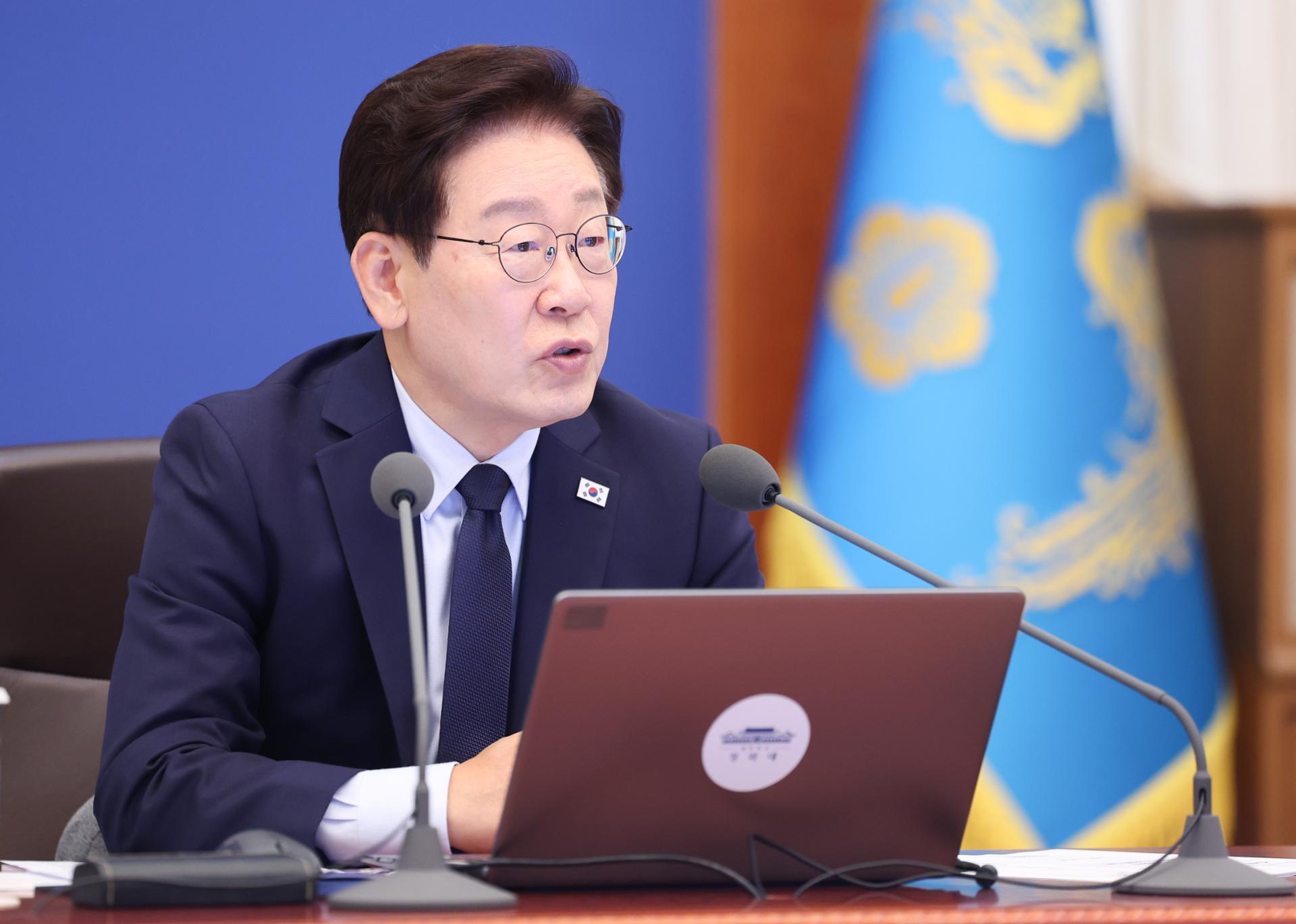
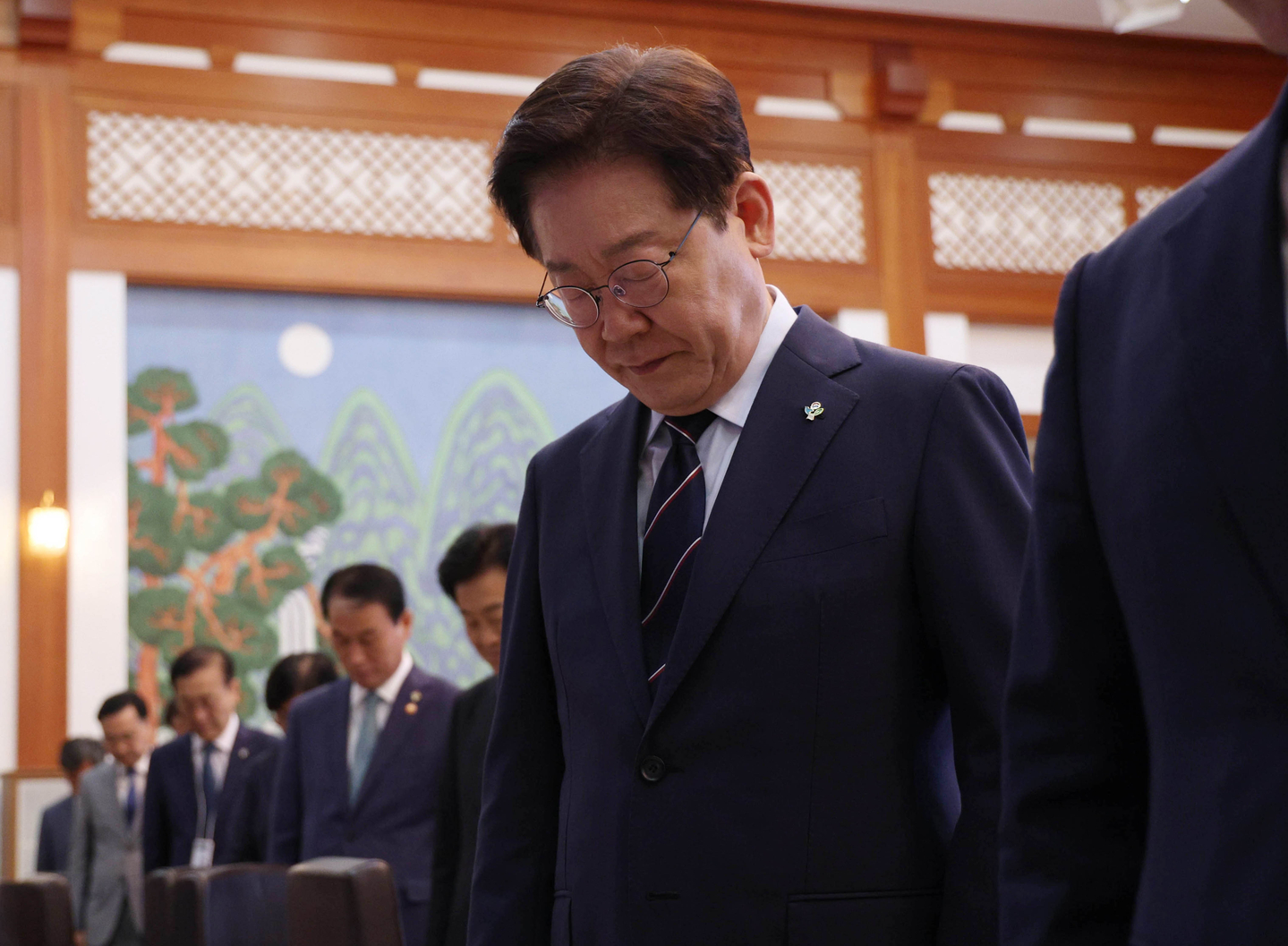
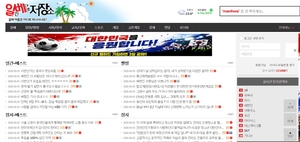
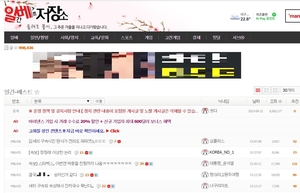
Experts warn shutting down Ilbe could backfire without clear legal grounds A screen capture shows online forum Ilbe. (Ilbe) President Lee Jae Myung’s suggestion that his government could move to abolish Ilbe, one of South Korea’s most notorious online communities, has reopened debate over how far the state can or should go in regulating online hate speech and extremist content.Lee said he would instruct his Cabinet to review “punitive actions” against Ilbe, ranging from compensation orders and fines to blocking access to — or even shutting down — the site. His comment followed reports that some Ilbe users had mocked former President Roh Moo-hyun on the 17th anniversary of his death, in only the latest in a series of incidents in which the community has been accused of organized cruelty toward political opponents and victims of national tragedies.Ilbe, short for “Ilgan Best,” or "Daily Best," started in 2010 as a photo and interest-sharing bulletin board. Over time, it acquired a reputation as a gathering place for users espousing far-right, anti-feminist, illiberal views, as well as being a source of shock-content posts that have repeatedly spilled into the mainstream.In 2014, after the Sewol ferry sinking that left 304 people dead or missing, most of them high school students on a field trip, Ilbe users posted messages deriding the victims and their families. The site drew scrutiny again last year when it emerged that a man convicted of a deadly stabbing at a Seoul supermarket had been an Ilbe member.Ilbe has also surfaced in more recent controversies, including the “Tank Day” criticism surrounding a Starbucks Korea marketing campaign. Phrases associated with the campaign were criticized for echoing far-right slogans that belittle victims of the 1980 Gwangju Democratic Uprising, language that has circulated for years among Ilbe users and others on the far right.For many South Koreans, Ilbe is less a niche message board than a symbol of misogyny, anti-progressive sentiment and historical denialism. But whether and how to dismantle it remains a legal and political gray zone.Legal gray areaUnder the Act on Promotion of Information and Communications Network Utilization and Information Protection, lewd content and “illegal information” can be restricted. The Korea Communications Standards Commission, the country’s main content regulator, has the authority to order platforms to delete or block access to such material after deliberation. A Supreme Court precedent indicates that in extreme cases an entire website can be deemed illegal.Yet no clause in current law clearly spells out when a site as a whole can be abolished, rather than specific posts being removed.The KCSC has reportedly worked with an internal rule of thumb that if at least 70 percent of a site’s content is illegal, it may recommend blocking the entire domain. But that threshold is an internal guideline, not a binding legal standard.When the Moon Jae-in administration faced its own wave of anger over Ilbe, the limits of that framework became clear. In 2018, more than 230,000 people signed a petition on the presidential office website calling for Ilbe’s abolition.The government ordered a legal review. Officials later said Ilbe’s illegal content fell below the 70 percent benchmark and that, given the lack of a clear statutory basis, a full shutdown was not feasible.Legal ambiguity remains.Lee’s administration could ask the KCSC to revisit Ilbe's case under its existing powers, and the commission could, in theory, order severe restrictions. Any move toward outright abolition, however, would almost certainly trigger a constitutional fight and political backlash. In a post on X, President Lee Jae Myung on Sunday suggests discussions to possibly abolish the online community Ilbe. (X) Risk of backlashCritics of a shutdown warn that the costs to due process and social cohesion could outweigh the benefits.“Closing down Ilbe will invite criticism that the government is clamping down on freedom of expression,” said Lee Joon-koo, professor emeritus of economics at Seoul National University, who is generally associated with the progressive camp. “It may end up raising Ilbe’s status to another level,” he wrote on Facebook, arguing that the site could be mythologized as a martyr for free speech and “idolized by the far right.”He also warned that deplatforming one community rarely erases the underlying ideology. “Even if Ilbe is abolished, it would not mean there will be no way for people with far-right ideas to express their feelings,” he wrote. “When Ilbe is shut down, second and third iterations of Ilbe will appear and act as active outlets for far-right ideas.”Targeting conductLegal experts and some civil society groups argue that if the government wants to curb Ilbe’s most harmful effects, it should focus more on conduct than on a single domain name.Existing laws already criminalize certain kinds of speech, including defamation, insults against the deceased, threats and incitement to violence, subject to court approval. Civil lawsuits can also seek damages for clearly identified harm. For many observers, the problem has been inconsistent or cautious enforcement, especially when attacks target public figures or historically sensitive events.Lee Joon-koo argued that “stern legal punishment” for those who defame the dead or engage in unlawful harassment would be a more effective deterrent than trying to erase Ilbe altogether.“Punishing only those who committed crimes is the ideal solution to prevent similar incidents,” he said, warning that extreme measures such as a shutdown would deepen social division.Other proposals include requiring faster takedown of clearly illegal posts once notified, mandating transparency reports on moderation practices and supporting independent monitoring bodies that can bring complaints to the KCSC.