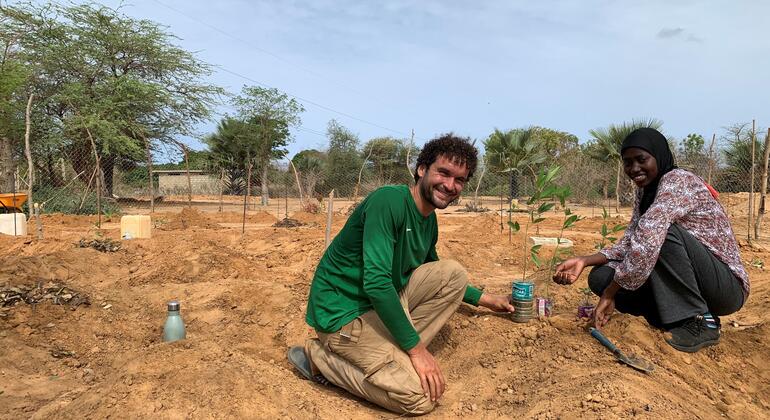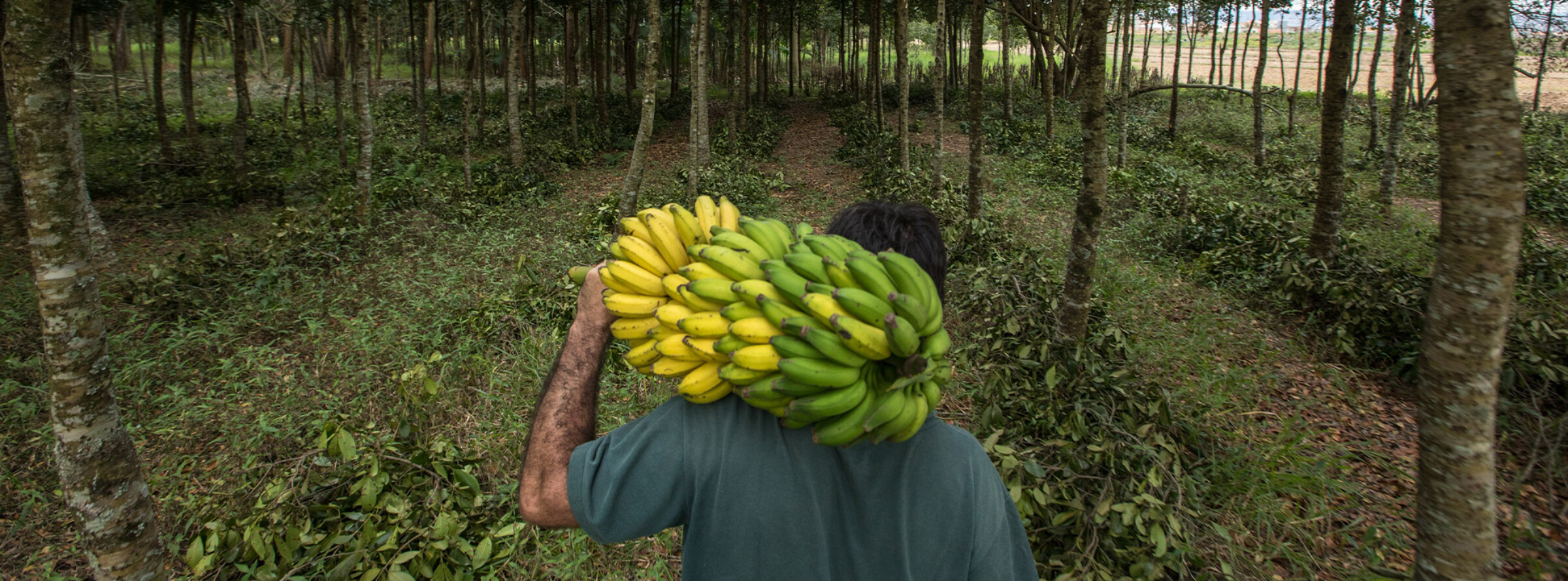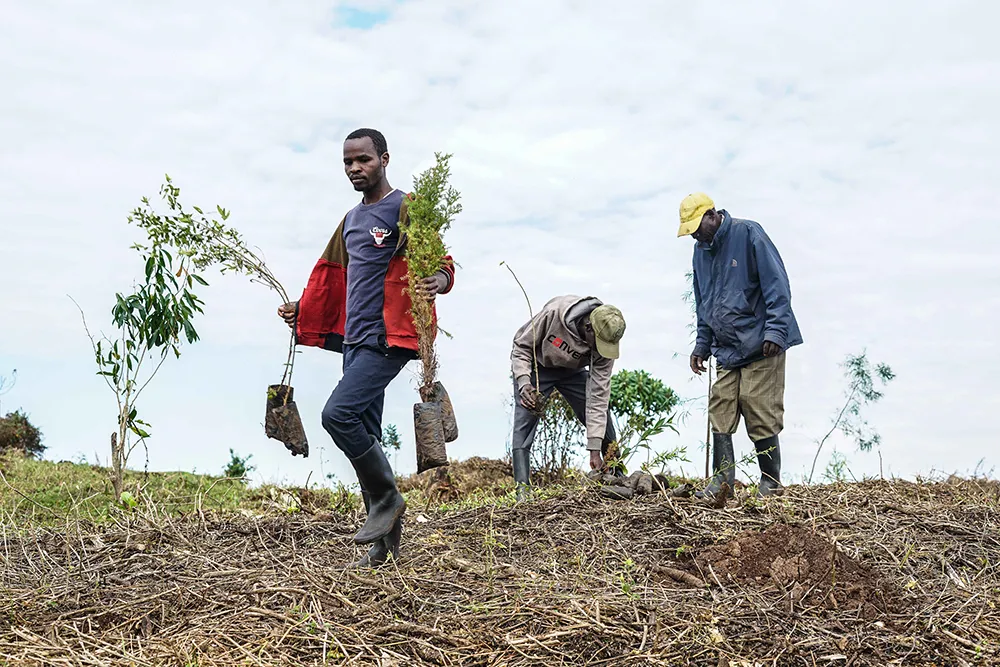
My son came home from a Transition Year careers session and said to me in wonder that there was a living to be made from environmental sciences. He is right: “green” or environmental careers are on the increase. In the United States over the last 30 years, nature restoration has grown into a $10 billion (€8.6 billion) industry, employing thousands of specialists. It is surprising though that this is still not often recognised by educators and career advisers or by students and their parents. How do we get to the point where a career healing the environment has the same recognition and value as being a doctor or physiotherapist?The emergence of a nature restoration economy requires reliable, long-term and substantial commitment. Government regulation provides the framework within which the restoration economy works. The new Nature Restoration Regulation has set legally enforceable and time-bound targets for the extent and quality of restoration to happen across the country over the next years and decades. Governments across Europe, including in Ireland, are developing plans for the achievement of nature restoration targets, and it is up to government departments to put in place policies, funding and actions to bring plans to fruition and seed the restoration economy. Our national restoration plan must provide the direction of travel and timelines that new economic activity needs for the certainty that whatever service or product is being provided will be in demand. It must make clear the roles and responsibilities required. [ The Irish Times view on Ireland’s nature plan: implementation must not failOpens in new window ]Public and private finance and philanthropy fund the development of the restoration economy. Conservationists and environmental scientists prepare, implement and monitor restoration plans. Product developers and entrepreneurs create digital and financial solutions needed to power the restoration economy. Specialist contractors and consultancies implement solutions on the ground. Charities and social enterprises mobilise expertise within communities and provide alternative funding streams. These are tangible, meaningful jobs, working with nature, which provide careers and livelihoods.New companies, like the recently established NatureCo, are emerging to provide restoration project management and implementation. Quality assurance of results requires specialist technology providers such as ODOS to create scalable digital platforms for monitoring and measuring biodiversity and carbon. There is room in the nature restoration economy for AI and engineering, together with nature experts. Some of the entities serving the restoration economy will be based in cities or overseas, but many will be rooted in the communities that they serve, like the restoration charity Hometree in Ennistymon, Co Clare, which has grown to more than 25 employees living and working in their communities.Research and development is at the heart of the restoration economy. It is not just new technology and biophysical solutions that are needed. We need new ways of working with and for communities to maximise the benefits of restoration and ensure that those benefits are shared fairly. For rapid on-ground impact, research should be created with communities, industry and public policy actors. Large dairy and beef processors and co-ops are increasingly using emissions ‘insetting’ programmes to improve nature on the farms that supply them with foodThe results-based payment schemes in the agri-environment ACRES scheme emerged from years of innovative research with farmers and engagement with policymakers, much of it funded by European research programmes. Who are the customers in this nature restoration economy? There is no doubt that public procurement should drive large, ambitious restoration projects. Some of the expertise needed will be within government departments and agencies such as the National Parks and Wildlife Service, but they will also need to procure services and products from the private sector. [ Grief, anger and lack of trust expressed in community meetings on Nature Restoration PlanOpens in new window ]Large companies have to report on their biodiversity impacts and mitigation actions, and they will buy restoration projects and services. Companies that rely on nature-based resources in their value chains need to regenerate the ecosystems they rely on. Food processors, retailers and co-ops all rely on farms and the food they produce, and it is on those farms that they can have the biggest positive biodiversity impacts. Large dairy and beef processors and co-ops are increasingly using emissions “insetting” programmes to improve nature on the farms that supply them with food.Given that the direction of travel for nature restoration is now set for the coming decades, it is the right time to invest in developing the industry and skill-sets that we need to make it truly successful.Yvonne Buckley is professor of zoology at Trinity College Dublin and codirector of the Co-Centre for Climate+Biodiversity+Water
Nature restoration will plant the seed for exciting new careers
Students, parents and educators need to prepare for opportunities ahead in healing the environment
766 words~3 min read