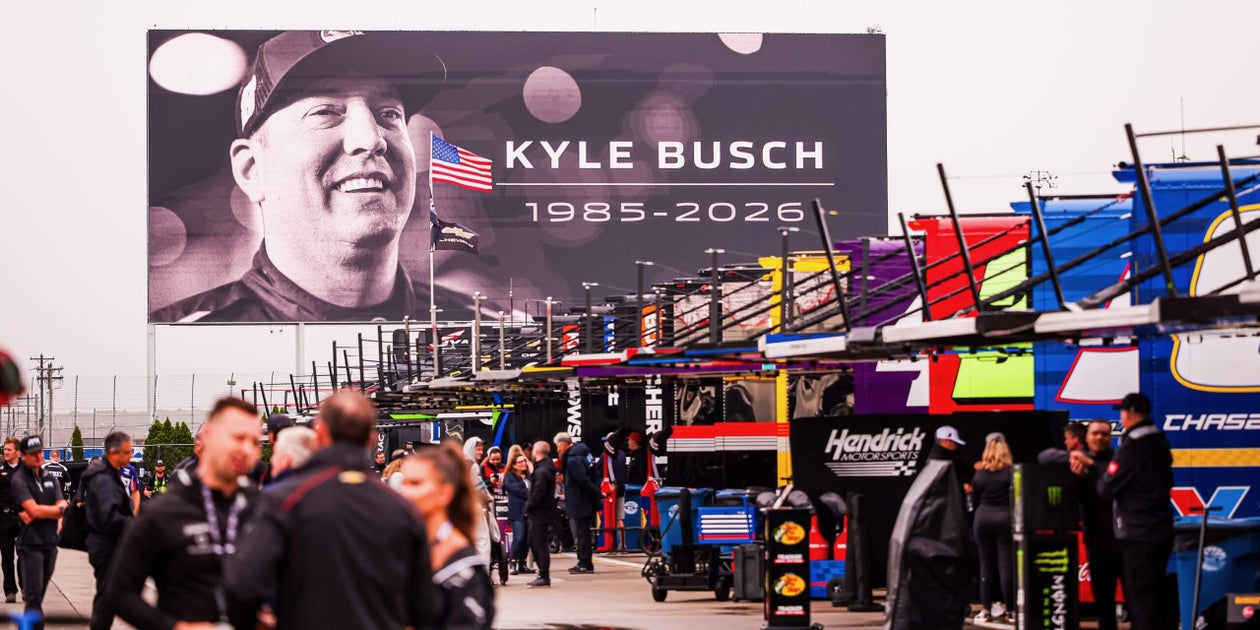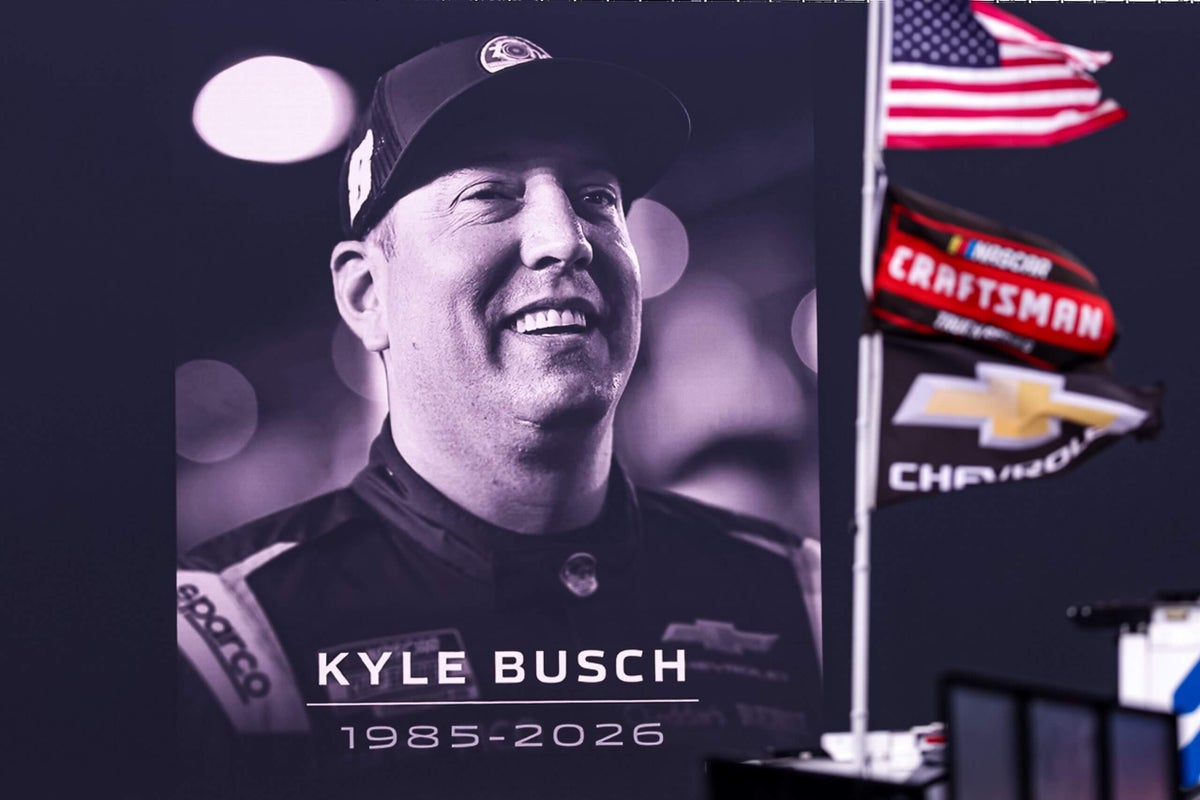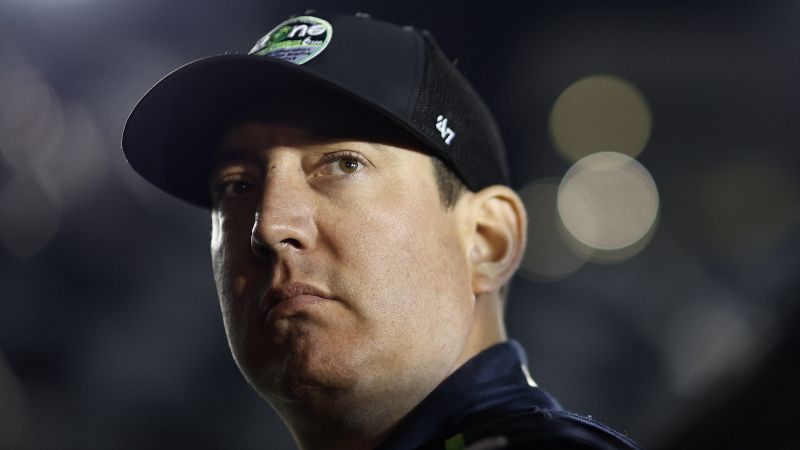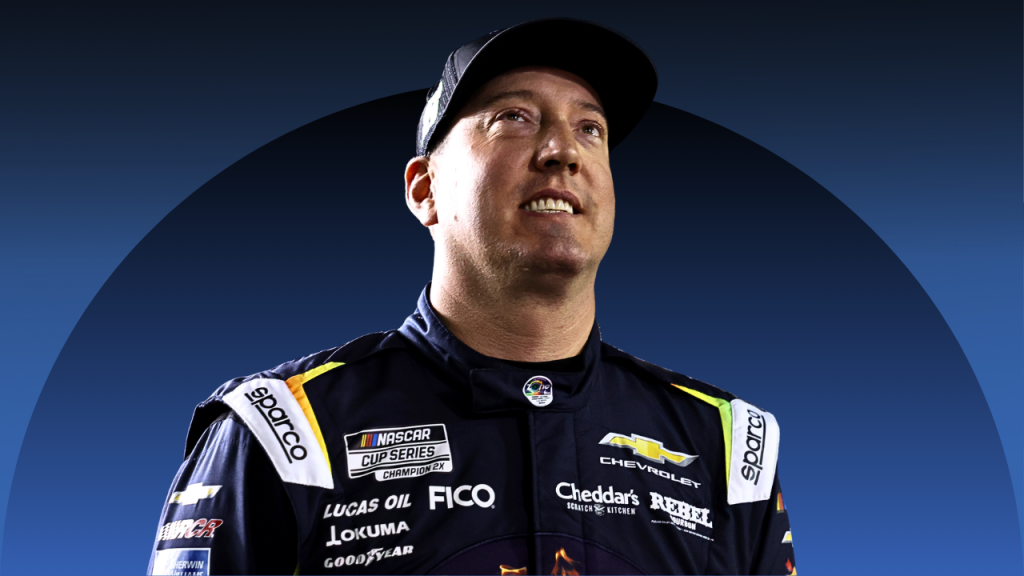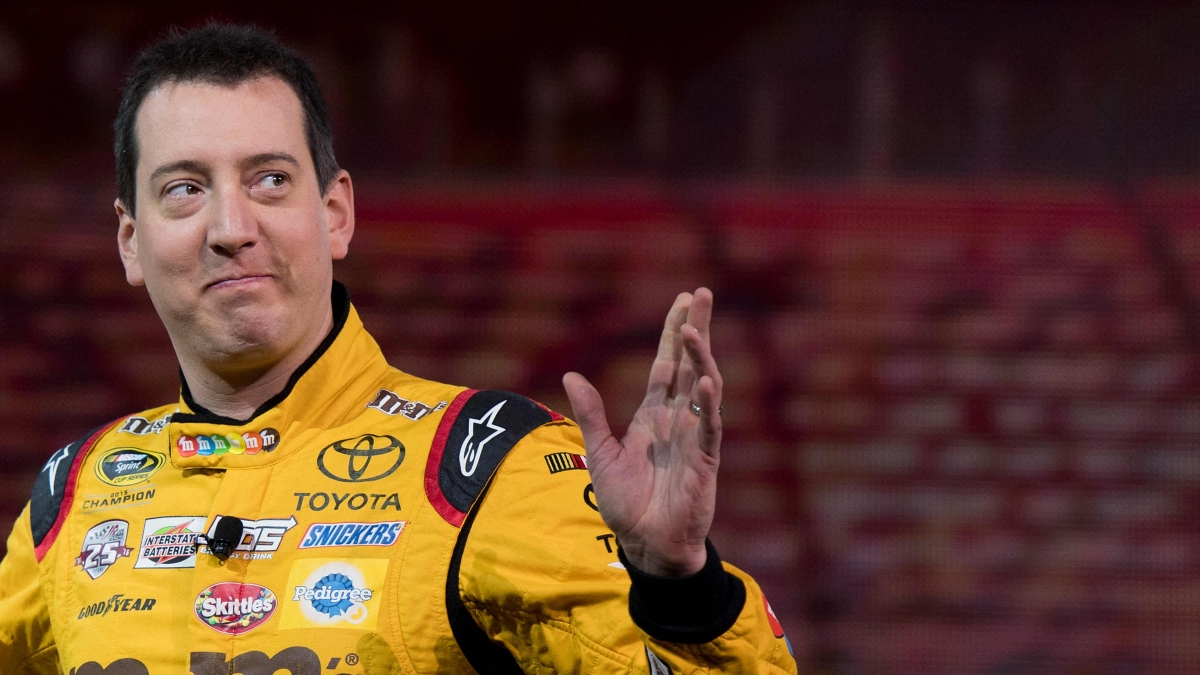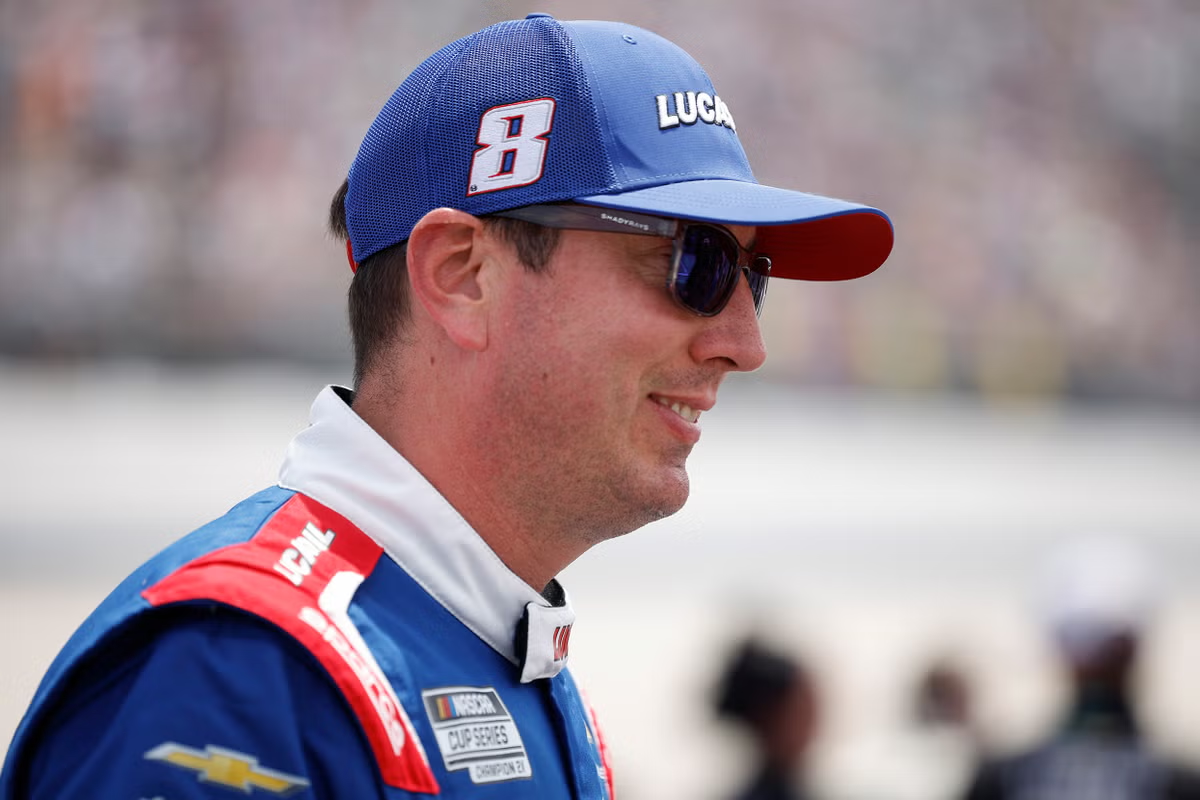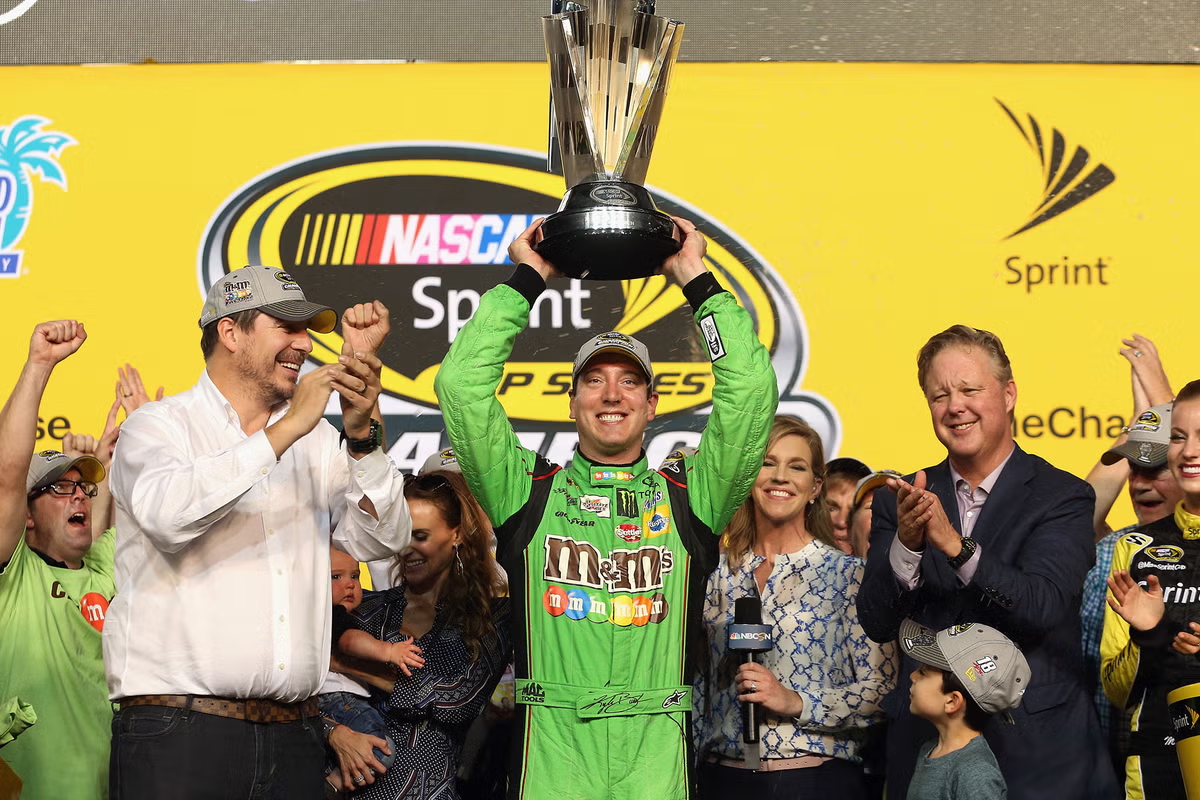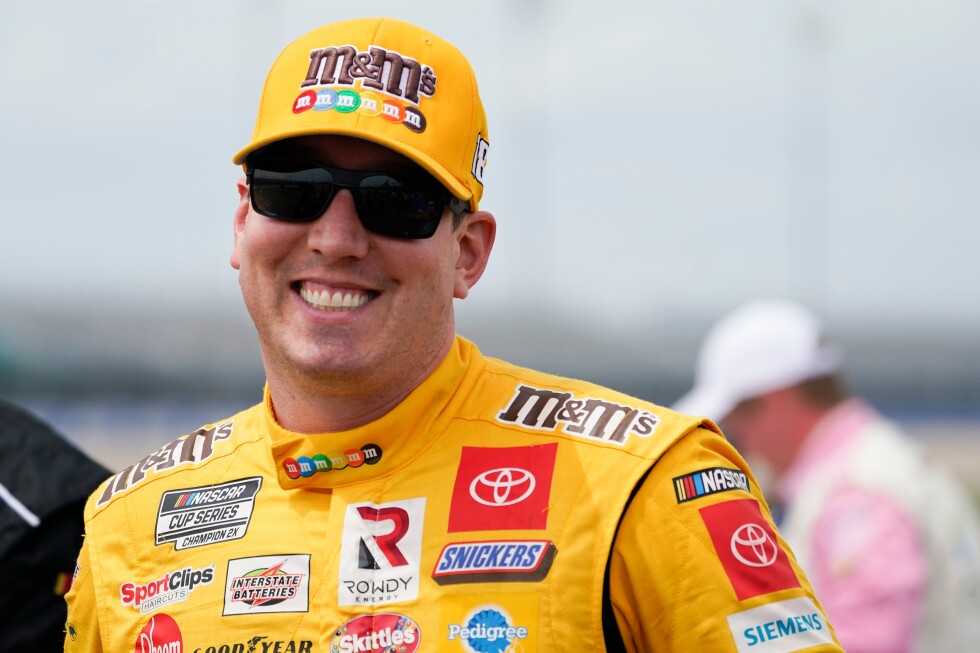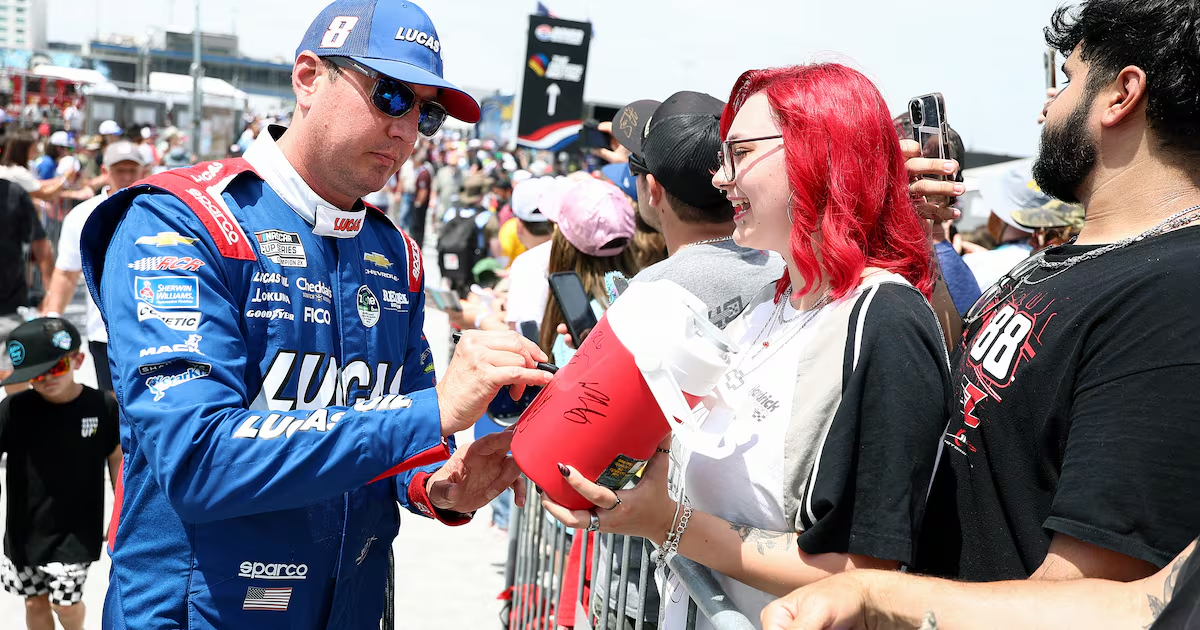
Kyle Busch led an impressive 147 of the 200 laps in the Craftsman Truck Series race at Dover Motor Speedway in Delaware on May 15th. Shortly after taking the chequered flag to record the 69th victory of his career in that iteration of Nascar, the 41-year-old had a microphone from Fox Sports thrust under his chin.“Why do these moments never get old, Kyle?” Amanda Busick asked. “Because you never know when the last one is,” Busch replied. It would prove prophetic.Working in the Chevrolet driving simulator at the GM Technical Center in Concord, North Carolina, five days later, he started having problems breathing, felt like he might pass out and began coughing up blood. Having arrived at the facility to start his preparations for the Coca-Cola 600 a short distance away at Charlotte the following Sunday, he left in an ambulance and was pronounced dead within 24 hours. He is survived by his wife Samantha, son Brexton, daughter Lennix and a hard-won reputation for never suffering fools.“This sport is a badass sport,” Nascar CEO Steve O’Donnell said. “Kyle Busch is an American badass.”Quite the epitaph. Busch’s untimely death robbed the US’s most popular brand of racing of one of its finest drivers and notoriously irascible characters. Having made his debut in the top tier of Nascar at just 18, he won 63 Cup races on his way to two national championships and was nicknamed “Rowdy” after the pugnacious contender who butts heads with Tom Cruise in the car-racing movie Days of Thunder. Also known and loved as “Wild Thing”, Busch revelled in his heel persona, an identity cultivated mostly by removing the filter every time he spoke in public.Kyle Busch looks on during qualifying for the Nascar Cup Series Daytona 500 last February. Photograph: James Gilbert/Getty “I’m not going to say it wasn’t fun being the villain, because I was also winning,” he said once. “I don’t care. I’m going home with the trophy and I’m going home with the cheque.”In a sport that proudly traces its outlaw roots to good ole boys in souped-up jalopies ferrying moonshine across the south during prohibition, he won $200 million (€170 million) in prize money and delivered post-race interviews so inflammatory they often nudged Nascar into the mainstream media conversation. Threatening to “beat the sh*t out of” your fellow drivers will do that. Eschewing the polite cliches and sponsor-pleasing platitudes of his peers, he veered wildly from obnoxious and downright ignorant to hilarious and entertaining. Insulting journalists and calling out the racing authorities, even his radio interactions with his own team in the thick of the action could get salty.“Okay, psych major,” Busch said, arguing with his crew chief during a race at Texas Motor Speedway this month. “That’s not what I’m talking about. Let’s keep it in one piece. That could have f**king ruined our day, okay? It’s other people. I’m fine, all right? Put a bag of ice on your crotch.”Kyle Busch celebrates winning what would be his final victory, the Nascar Craftsman Truck Series on May 15 at Dover Motor Speedway. Photograph: David Hahn/Getty More than once, he ran his mouth way too far and once had to apologise for describing competitors as “retarded” live on television. A careful nurturer of long-running feuds, he was less inclined to deliver mea culpas the multiple times he threw punches in the aftermath of races. For somebody who won a record 234 events across Nascar’s various divisions, there might be as many YouTube compilations of him angrily confronting rivals in the pits as there are clips of his Hall of Fame racing prowess on the track.If all that choleric carry-on made him undeniably box office in the “love him or loathe him you can’t ignore him” way, his public image was contrasted by lesser-spotted stories of his philanthropic largesse. When it emerged in 2008 that Sam Ard, a former driver, had fallen on hard times, Busch donated $100,000. Having battled infertility issues themselves, he and his wife started the Bundle of Joy charity to help other struggling couples pay for ludicrously expensive IVF, something routinely not covered by health insurance companies in the United States.Kyle Busch celebrates with daughter Lennix, wife Samantha and son Brexton after victory at Echo Park Speedway in Hampton, Georgia, last February. Photograph: Sean Gardner/Getty While the postmortem revealed Busch died from severe pneumonia progressing into sepsis, the rapid and peculiar circumstances of his demise have caused soul-searching in the racing community. On the way to finishing eighth at Watkins Glen in upstate New York on May 10th, Busch had complained of sinus pressure and coughing and he could be heard on race radio asking that a doctor meet him once he climbed out of the car to give him “a shot”. Given that he once took only 12 weeks to recover from breaking his right leg and left foot, nobody was too surprised when he won in the Trucks series at Dover just five days after that troubling incident. However, subsequent events have caused one rival to point out that too many drivers regularly competed while feeling unwell for fear of losing their coveted seats to rising stars. Growing up the son of a stock car racer in Nevada, Busch was a child prodigy, judged ready to follow his older brother Kurt into the big leagues at 16. His pro debut had to be delayed two years only because as a teenager he was not legally allowed to participate in races then sponsored by a tobacco company. Amid all the tributes paid this past week, it was announced that his car number, eight, would be retired from the sport until his son Brexton became old enough to inherit it. The grieving boy is only 11 and already anointed as his successor. The Nascar way of life and death.
‘Kyle Busch is an American badass’: The sudden death of a 41-year-old Nascar star
Notoriously unfiltered, the driver nicknamed Wild Thing revelled in his ‘badass’ persona on the racetrack
970 words~4 min read