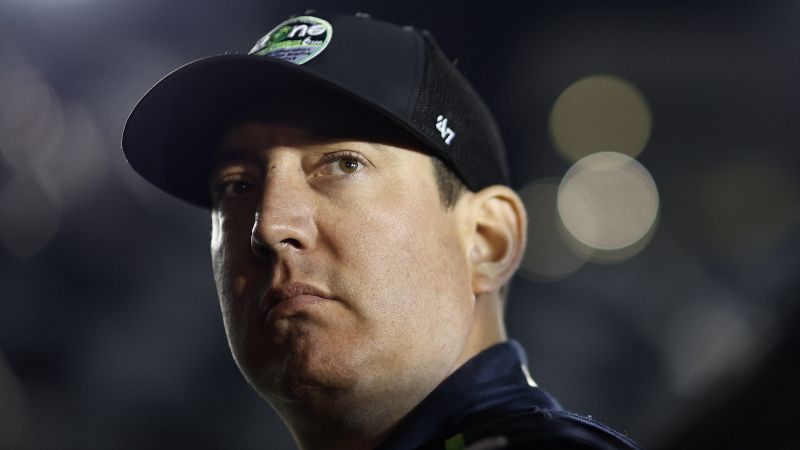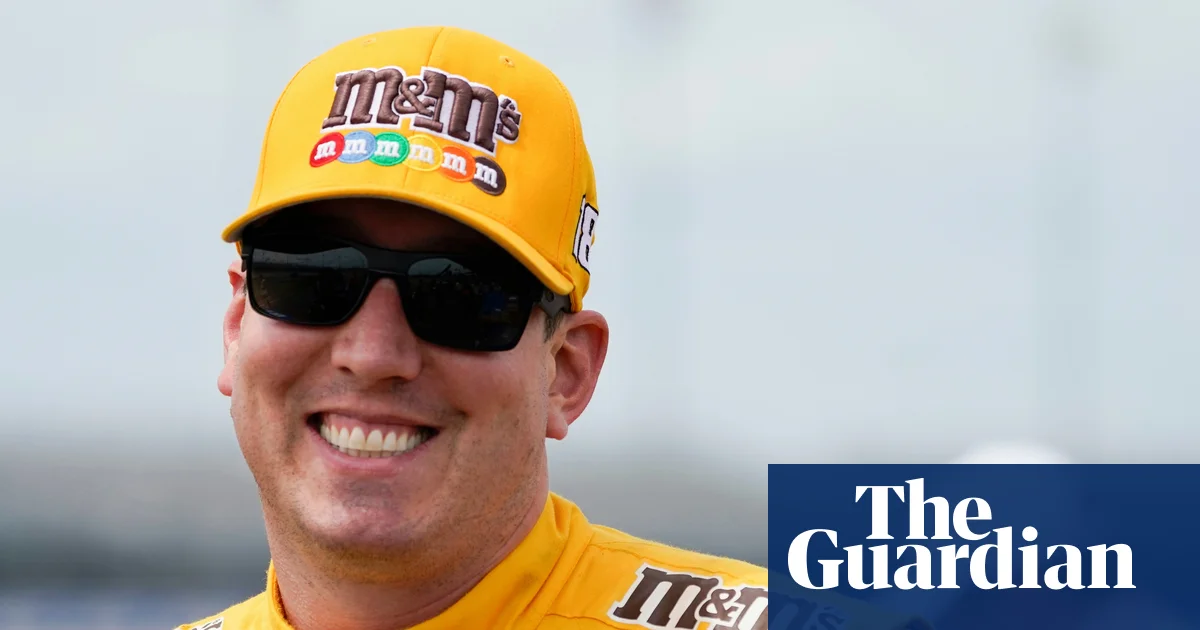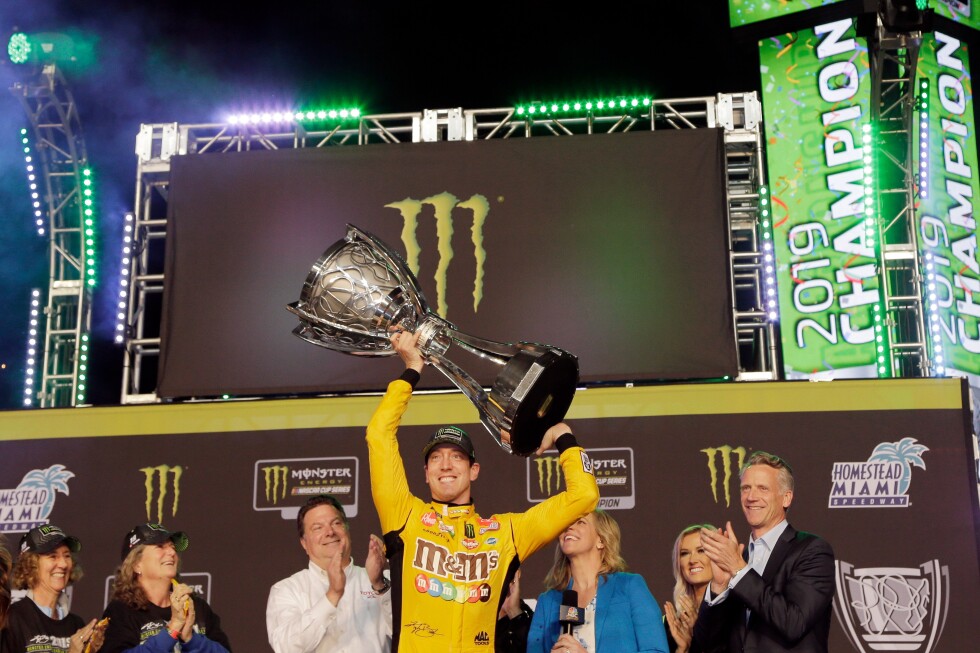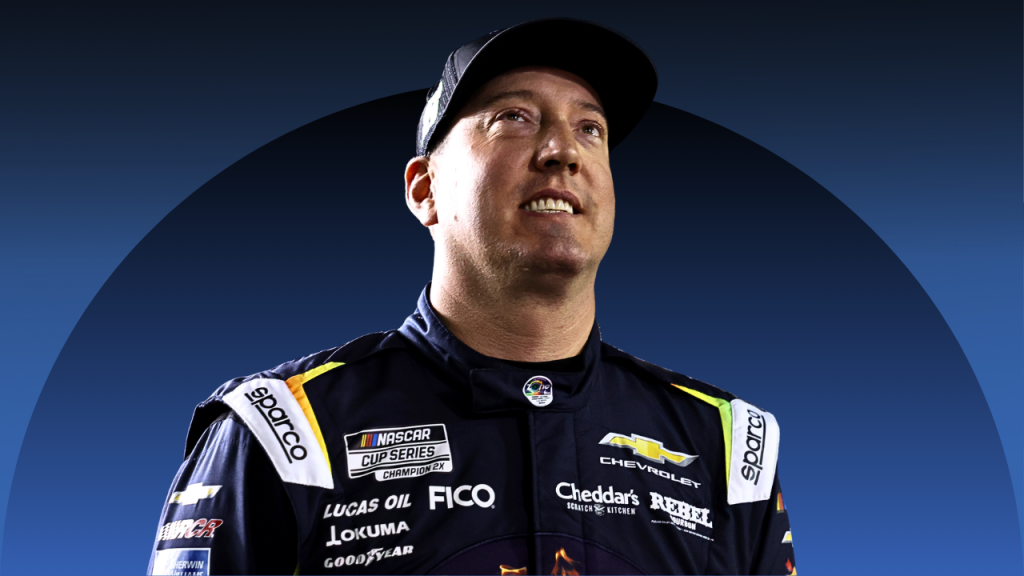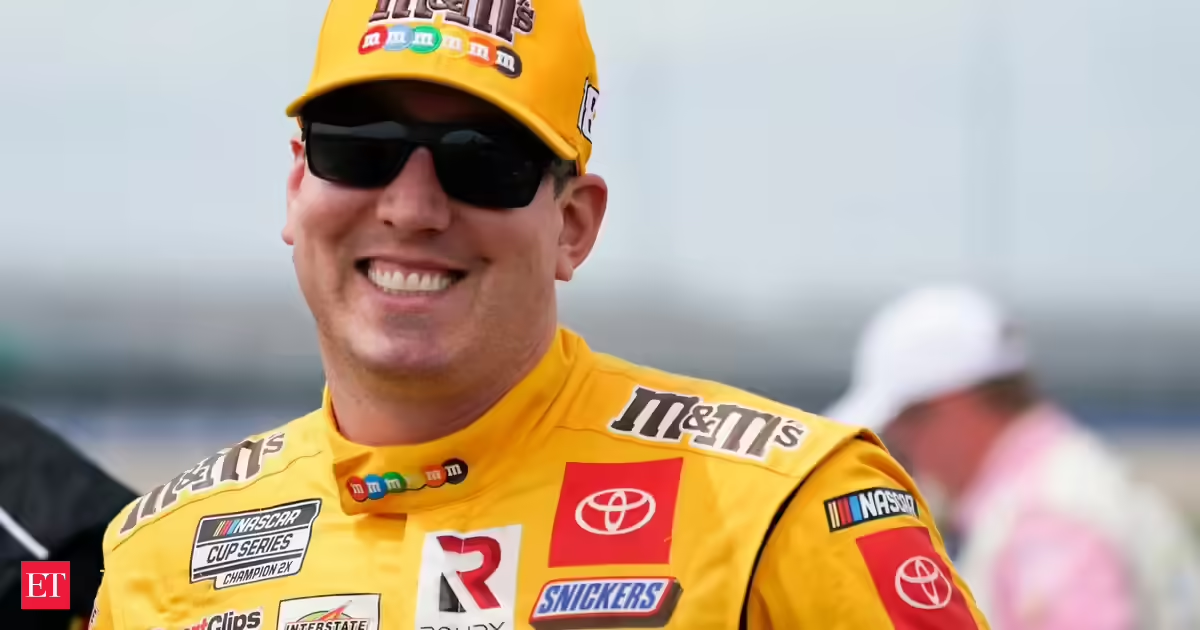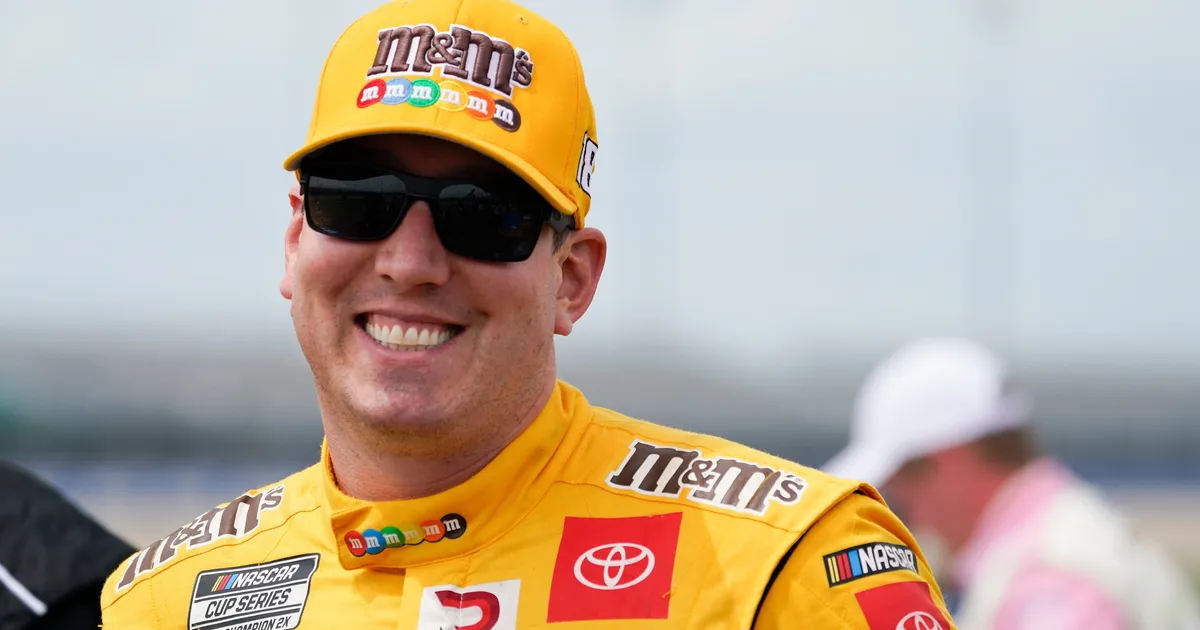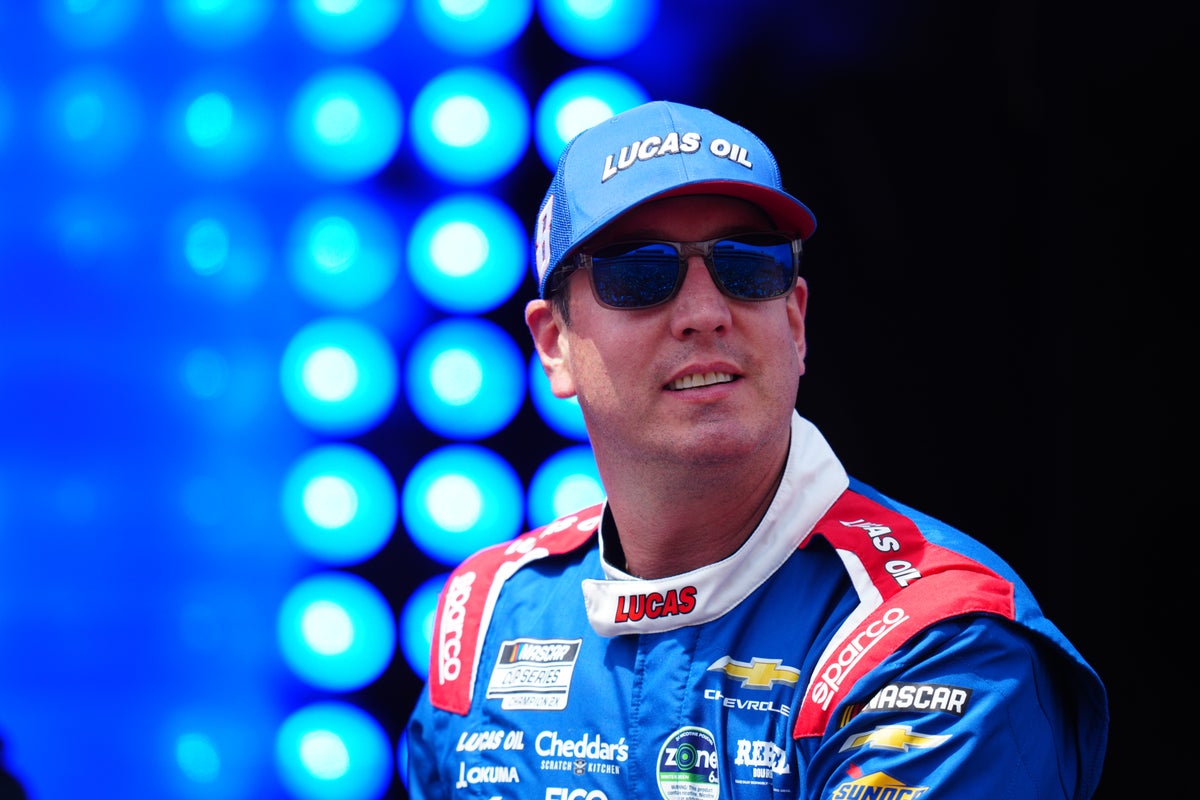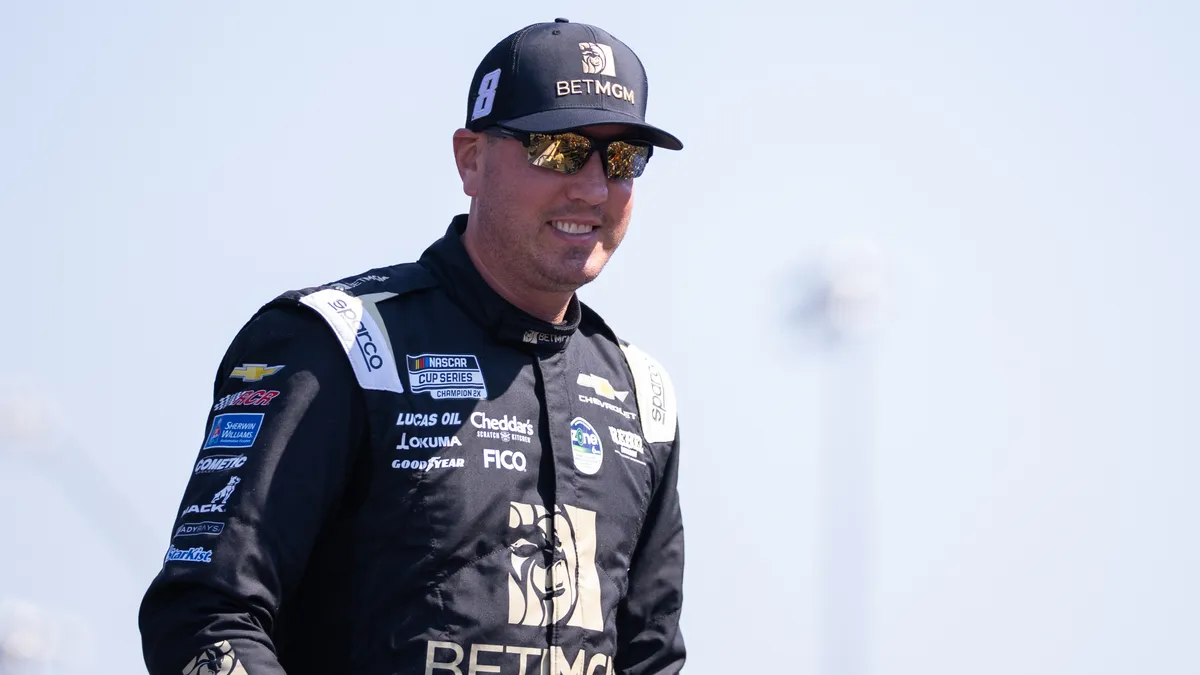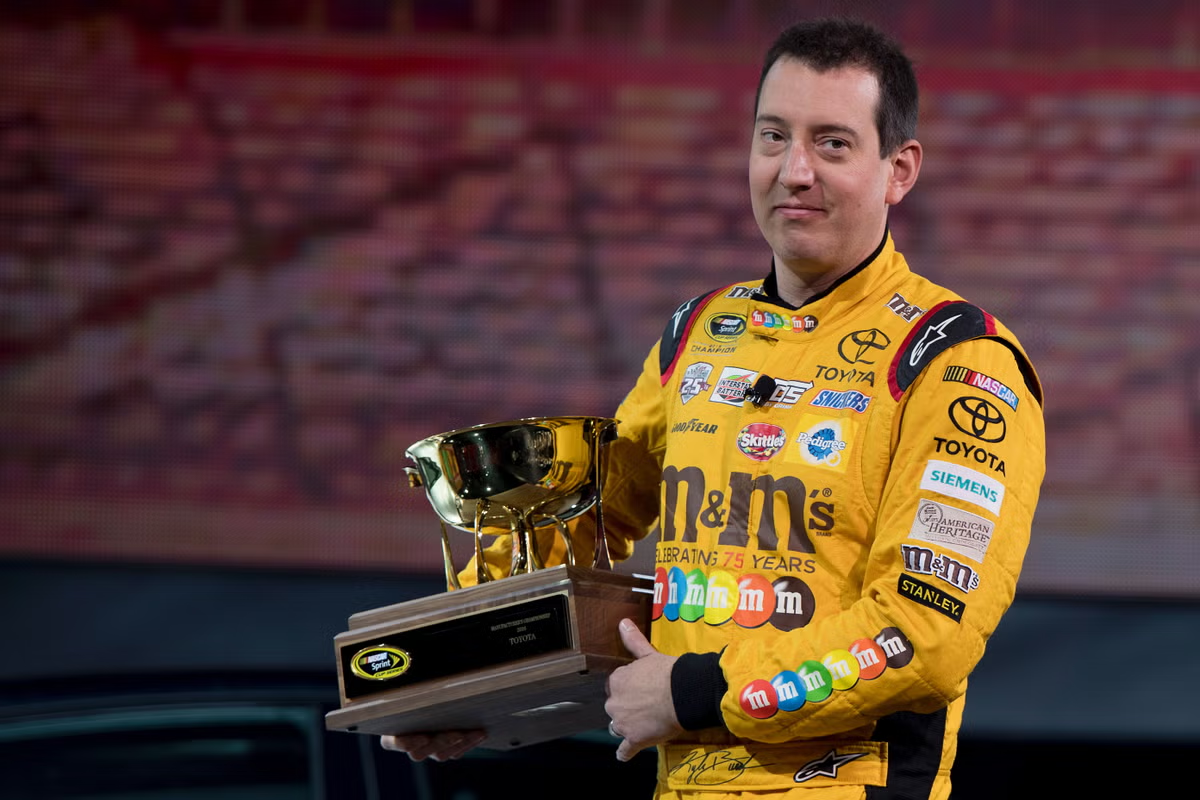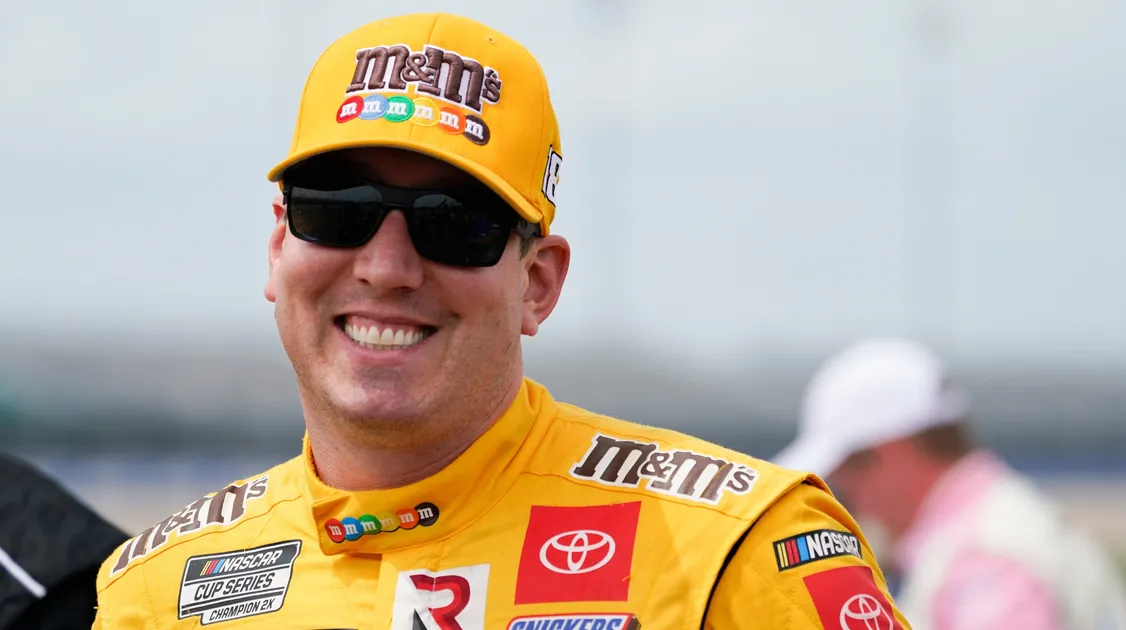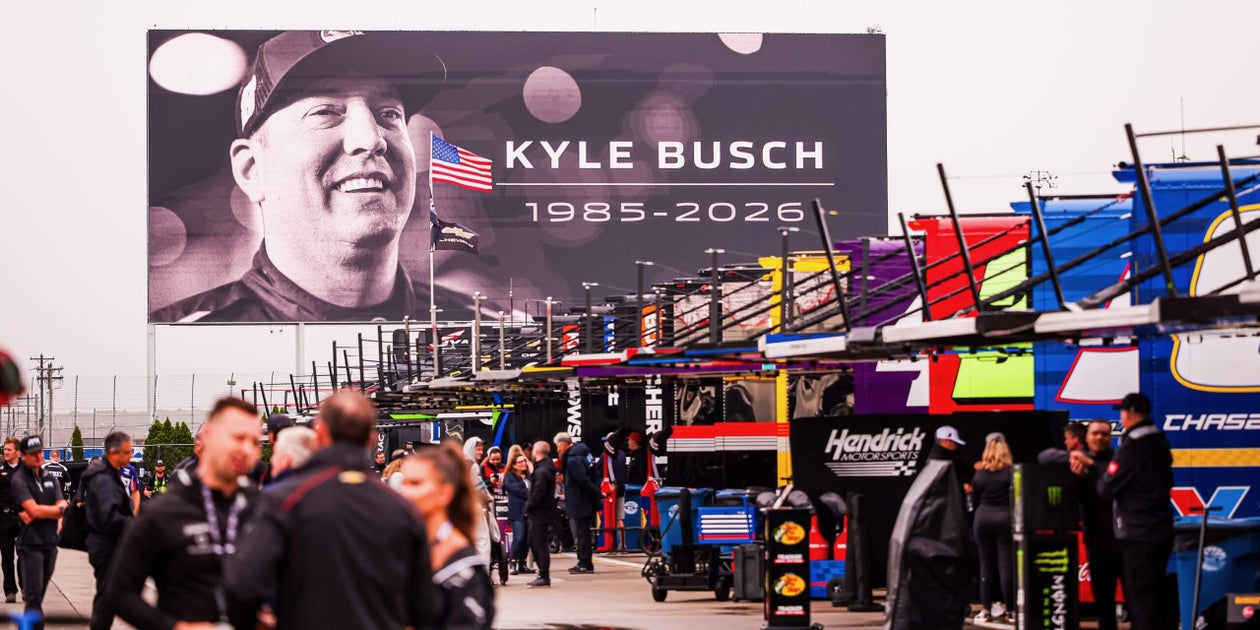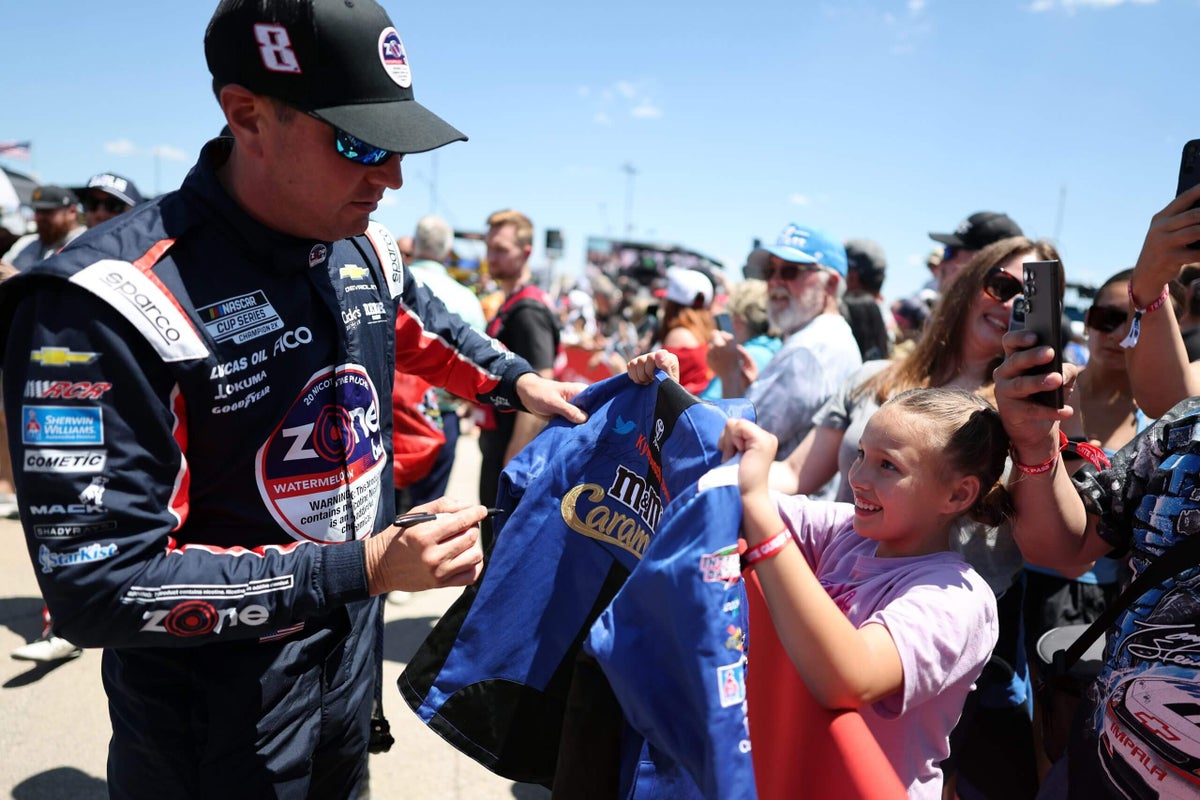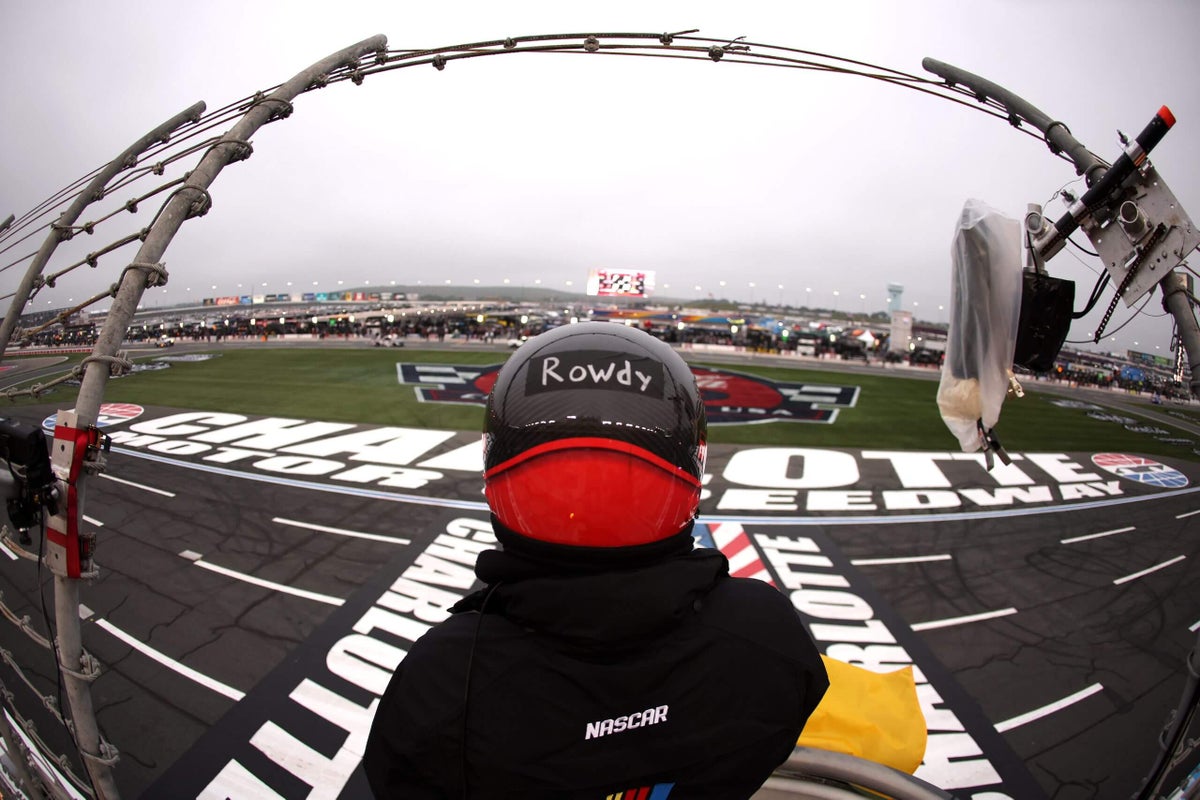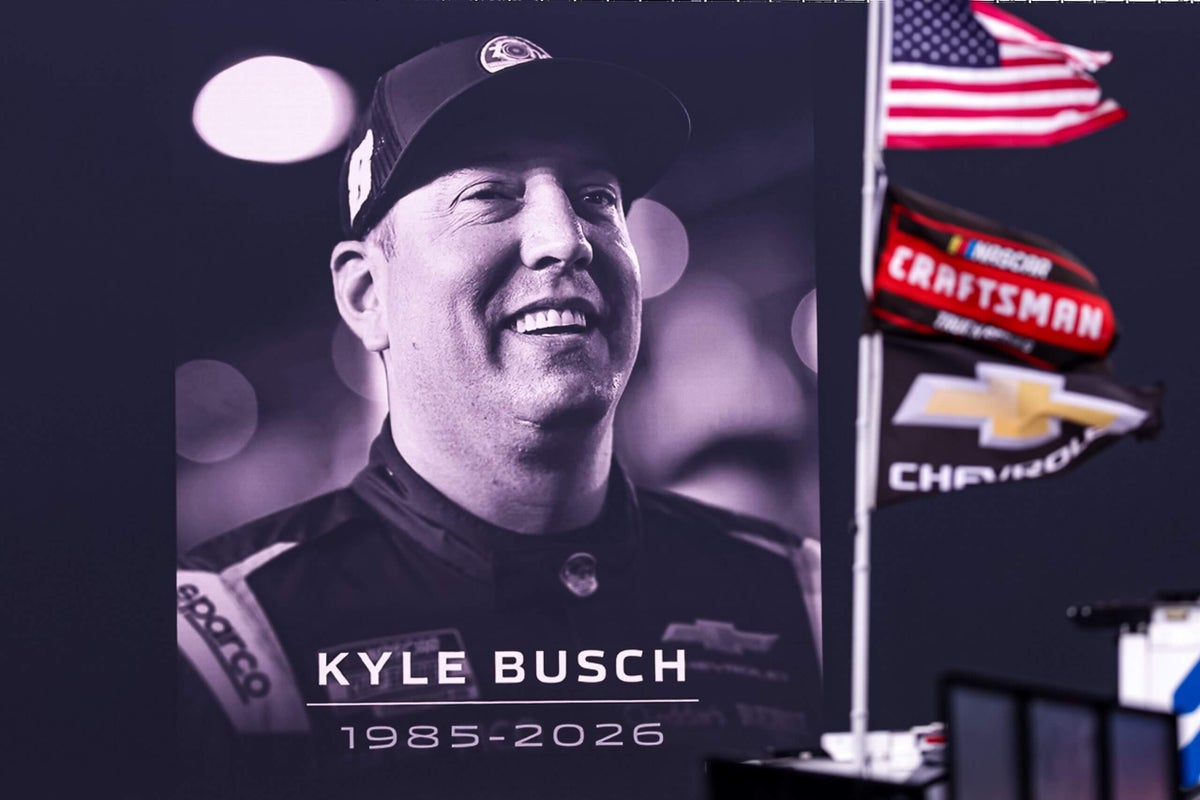
The stunning death of NASCAR great Kyle Busch on Thursday reverberated not just around the racing community but across the sports landscape. Yet, as reactions to the loss poured in, the close-knit motorsports world found itself reconciling with the loss of a legendary driver to circumstances that didn’t involve a fiery crash on banked asphalt.Busch, a two-time Cup champion, died at 41 from an unspecified illness after being hospitalized earlier in the week. The winner of 234 national series races and 63 Cup Series victories, Busch became the second giant of the sport to die away from the track in months, following the death of Greg Biffle, who died in a private plane crash in December.For race fans, the emotions are all too familiar.“NASCAR, a sport that has always danced on the edge of tragedy on the track, has had so many terrible tragedies that have had nothing to do with the races,” Herb Branham, an author and communications director at NASCAR, told The Athletic. “NASCAR has taken a lot of blows throughout the years and this is the latest one. And this is just as bad, if not worse than any of them.”Busch is just the latest loss, but he adds to a chapter of off-track tragedies that dates back to the 1970s. Curtis Turner, one of NASCAR’s earliest stars known for his showmanship and fearless driving style, died in 1970 after a plane he was piloting crashed after takeoff near Punxsutawney, Pa. Alan Kulwicki also died in a plane crash in April 1993. The Cup champion only a year earlier, Kulwicki was an engineering student from Wisconsin with an underdog story for race fans, controlling his operations as both an owner and driver.Just a few months after Kulwicki’s death, Davey Allison, one of the circuit’s brightest stars, died after the helicopter he was piloting crashed on the infield of Talladega Superspeedway.The sport, which has an inherent danger that is an undeniable part of its allure, has long had a complicated relationship with tragedy. Perhaps its most famous loss was that of seven-time Cup champion Dale Earnhardt Sr., who died after crashing on the final lap of the 2001 Daytona 500. The tragedy, which was the fourth death in a nine-month span at NASCAR’s national level, sent shockwaves through the sports world. It also accelerated the sport’s move to enact safety measures, including the use of HANS (Head and Neck Support restraint) devices, which help prevent whiplash, and SAFER barriers, a track wall system designed to absorb and reduce energy during high-impact crashes.“One of the things that has always been uniquely special to me in the sport is the ability and sincere interest in people wrapping their arms around each other and supporting them in times of a tragedy or natural death,” said Winston Kelley, a NASCAR Hall of Fame executive director and former Motor Racing Network pit reporter.“It’s hard to imagine our racing community without Kyle,” Biffle’s family said in a statement. “The impact of this loss will be felt far beyond the racetrack. We love the Busch family and will be here for them in any way they need.”Busch is viewed as a generational talent. He won by breaking down the intricacies of cars, relying on sheer determination and grit. He wasn’t always beloved, but he came to earn respect with each trip to victory lane.“There’s an elevated sense of recognition and appreciation when you lose somebody this early in life and you start reflecting on the fact that he was a generational talent, but everything that he did off the racetrack as well,” Kelley said.On April 26, Branham and Holly Cain appeared with Busch at Talladega for a Q&A to promote Branham and Kane’s new book, “NASCAR Mavericks: The Rebels and Racers Who Revolutionized Stock Car Racing.” Branham recalls how raucous the crowd was and how gracious Busch was interacting with fans.“He wasn’t always like that,” Branham said. “I hope people really take a step back and cherish the legacy of the Busch brothers,” Branham said. “It’s been a good one and it’ll remain a good one. We’re left with not only memories of his championships, but he still had plenty of racing left in him.”
Kyle Busch’s death is latest off-track tragedy to rock NASCAR with grief
Busch became the second giant of the sport to die away from the track in a matter of months, after Greg Biffle's plane crash in 2025.
716 words~3 min read