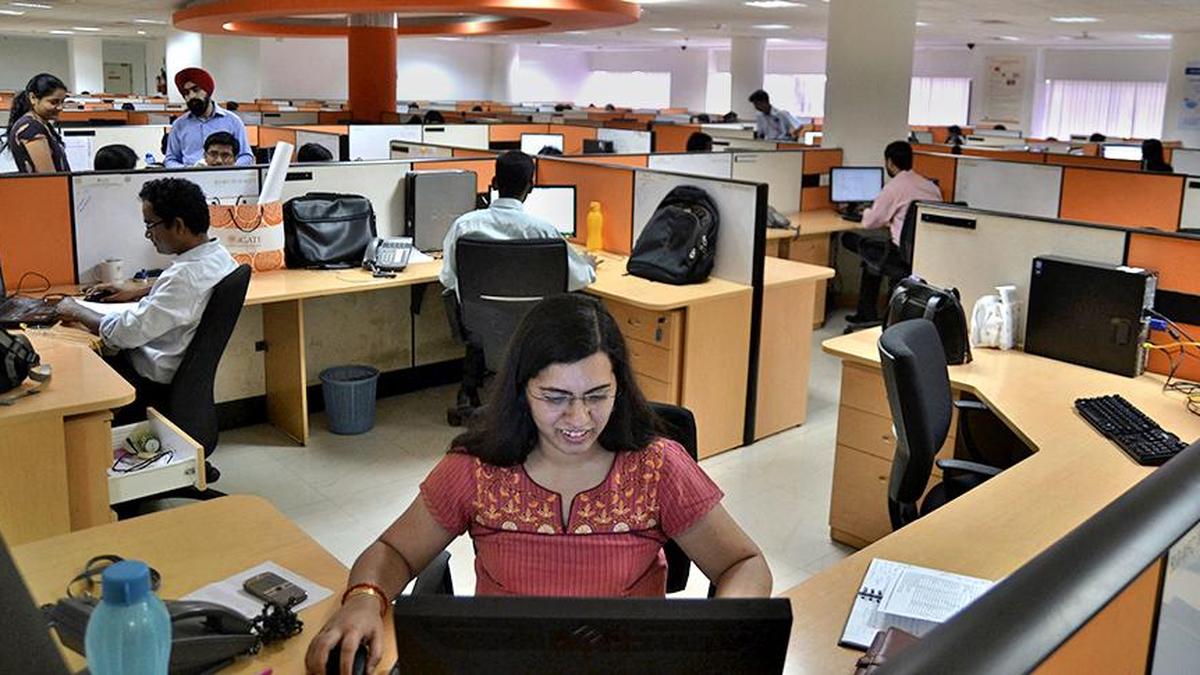
Every time the US and its immigration authorities tighten the visa procedures, and apprehensions set in among the scores of techies on H1-B and other employment visas, there are calls for them to return to India and find opportunities in the growing economy.However, tech executives and HR specialists caution that H1-B returnees face a cautious Indian tech job market amid an AI-led shift.Even as the number of Indian tech professionals returning from the US is rising, India’s current hiring environment may not be ideal for large-scale absorption of H1B talent, especially in traditional IT services and products roles, they say.Kamal Karanth, Co-founder, Xpheno - a specialist staffing firm, says that considering the current dynamics and trends of active demand in the Indian job market, it is definitely not the best of times for US-settled H1B talent to return to India.“After the hiring buoyancy of 2021, the Indian tech sector has not had a period of stability extending beyond a quarter. The sector continues to be periodically hit by global events and occurrences in key client markets, and this is reflected in the trajectory of hiring action in the sector,” he said. Xpheno’s data shows that Indian tech sector’s active talent demand is currently on downward slope, with May month’s talent action being lower compared to previous month.Raja Lahiri, Partner and Technology industry leader, Grant Thornton Bharat, said that there is indeed a challenge in demand in traditional tech services talent given the macroeconomic headwinds as well as Gen AI tools and tech introduced this year. “However, there is massive opportunity for AI skills and the demand is only going to increase, so lots of job opportunities. Therefore, depending on the skills they possess, NRIs may find appropriate job opportunities in India if they wish to return,” he said.Pankaj Bansal, co-founder, PeopleStrong, says that returnees now have front-row seats to India’s growth opportunity and must capitalise on that. He says that GCCs will be the real game changers for the returnees and hold a lot of the jobs that suit their AI skill sets. “We are also the 3rd largest start-up ecosystem today and they can also either start ventures or join them,” he adds. However, he does acknowledge the very small pool of risk capital in India.Xpheno’s data also showed that the scale of tech talent moving between India and the US has been changing over the last 3 years. While two-way movement (both India to US, and US to India) continues, there has been a rise in count of returnees over the years. As per Xpheno’s research, 7,200 tech talent returned from the US to India, 9800 in 2024, 15100 in 2025, and in 2026 (YTD) this is already at 7300. Further, the delta between the scale of tech talent moving out of India and moving back to India, has also been significantly narrowing, data shows.An HR in a mid-sized IT firm said, who wished to not be named, said that they had been receiving resumes of NRIs in the US via referrals of current staff, but like any company, they too have been ROI sensitive on hiring decisions. “The talent with overseas exposure and experience is welcome but as long as they meet the max ceiling of the budget for the role,” the person said. The friction thus seems to also be due to the steep package gaps.Published on May 28, 2026
H1-B returnees face cautious AI-led job market in India, say experts
H1-B returnees face a cautious job market in India, as AI influences hiring dynamics and traditional IT roles decline.
564 words~3 min read