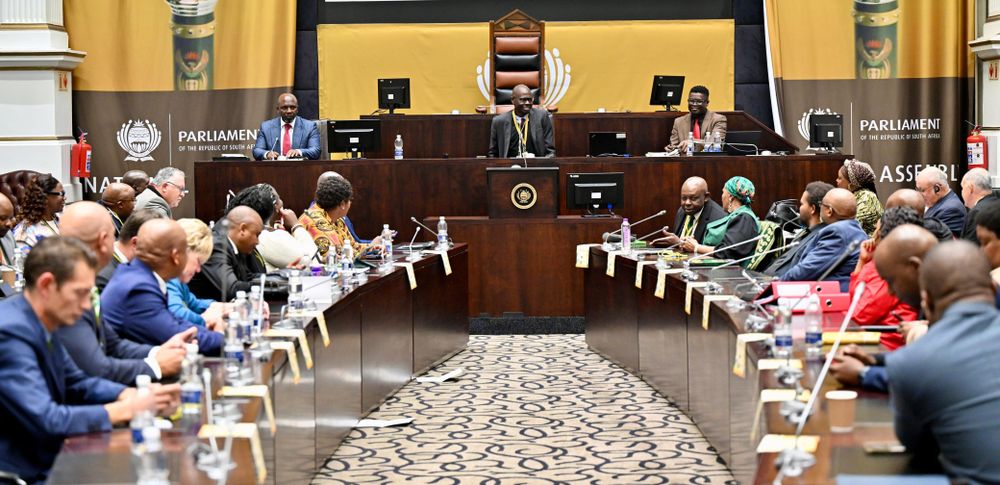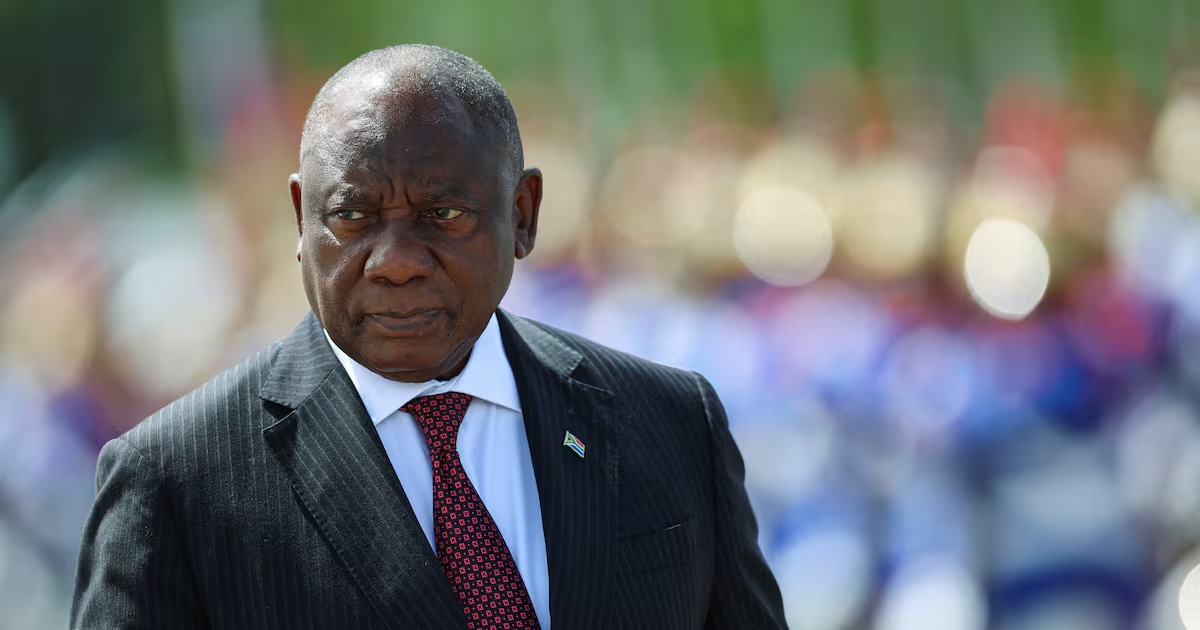
The impeachment of a president and head of state is a sacred duty enshrined in our constitution.It is the primary mechanism to ensure that our elected officials remain faithful to their sworn duty to serve the public with dedication, commitment and, most importantly, integrity.Parliament has already failed once to hold President Cyril Ramaphosa to account or give him the opportunity to answer to the prima facie evidence the panel found he must answer to.This failure has been settled by the majority ruling of the Constitutional Court. Parliament cannot afford to botch the process for a second time by bowing to public pressure.It matters that Ramaphosa has taken the panel’s report on review — the very document that is at the heart of the case he must answer in the mooted impeachment committee.The DA is clear on its position that the parliamentary impeachment process must not stall while Ramaphosa’s review application unfolds before the courts.The same view is held by the other parties. This puts parliament in an interesting position, albeit legally awkward.And parliament cannot afford to act on instinct alone on whether it is within its province to proceed with the impeachment process while Ramaphosa is challenging the report. However, based on its poor history of holding presidents to account, its intention cannot always be trusted.This is why it’s important for the president to follow through on his threat to interdict the process pending his bid to set aside the report.And he must do so on an urgent basis, for several reasons. The ruling of the court on whether the president would have made sound legal reasons to interdict the process or decide to throw out his case will go a long way in balancing his rights and those of parliament to hold him accountable in compliance with the Constitutional Court judgment.If the court throws out his interdict bid, it clothes the parliamentary process with legality. Equally, if the court bars parliament from continuing the impeachment process until the review of the panel is concluded, it helps parliament to continue a process that might lead to a constitutional crisis.Dispensing with the impeachment process without the benefit of legal clarity on the legal status of the impugned independent report will be a dereliction of duty by parliament and, in essence, preempt the courts on the matter.There is no prejudice suffered by anyone to get judicial guidance on a matter as weighty as this. And a ruling on any interdict brought to the fore serves this purpose.The rush to move on instinct and political considerations alone is too risky.A large chunk of society is correctly calling for accountability from the president and a swift conclusion to the matter that has dragged on for more than five years.This is a legitimate call. However, the rule of law and the spirit of the constitution must override any public pressure brought to bear on parliament to dispense justice in a manner intended to satisfy public demands for accountability over the lasting effects of impeaching a president.This president and future presidents must enjoy the presumption of innocence until proven guilty. This is central when embarking on a weighty issue like an impeachment.Parliament and the judiciary must find a fair and lawful way to expedite their processes so there is clarity on the legal authority of the panel report, ensuring the president accounts for his conduct while still in office. It will be a travesty of justice if the president leaves office having not accounted for Phala Phala. This possibility must be avoided.
EDITORIAL | Parliament must not rush Ramaphosa impeachment without legal clarity
President’s rights must be balanced with MPs’ duty to ensure accountability
586 words~3 min read