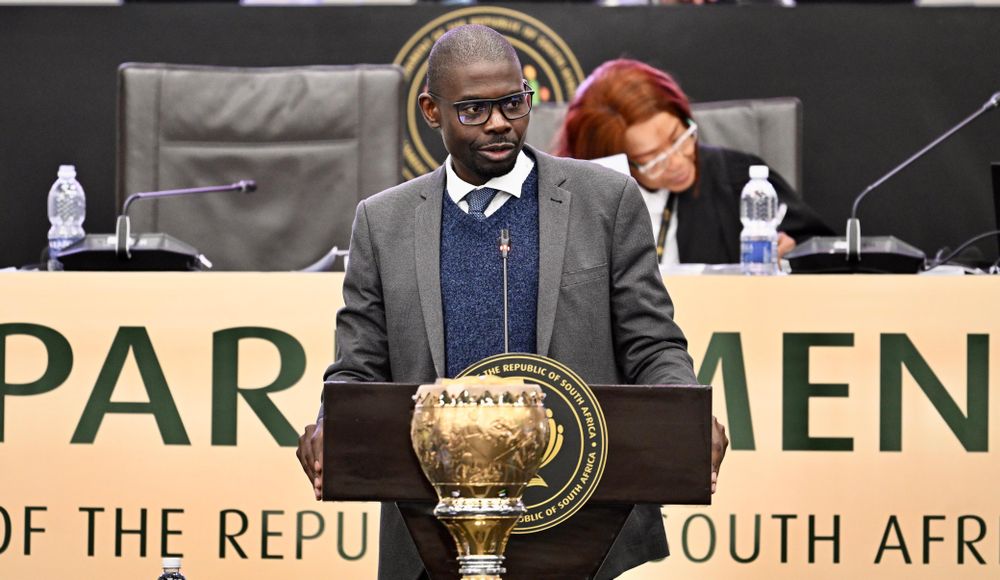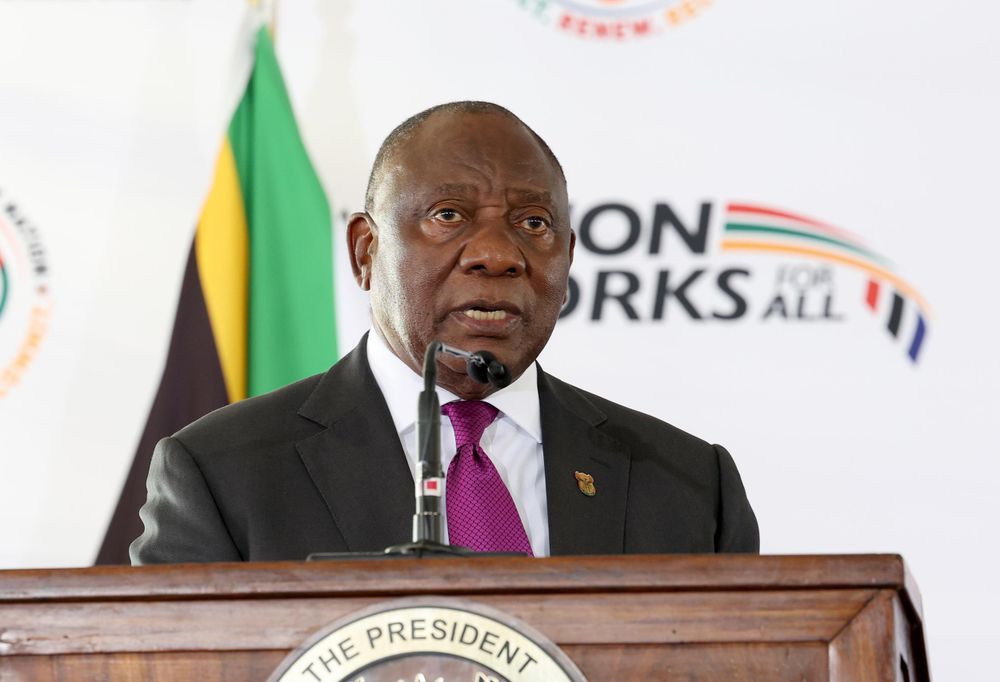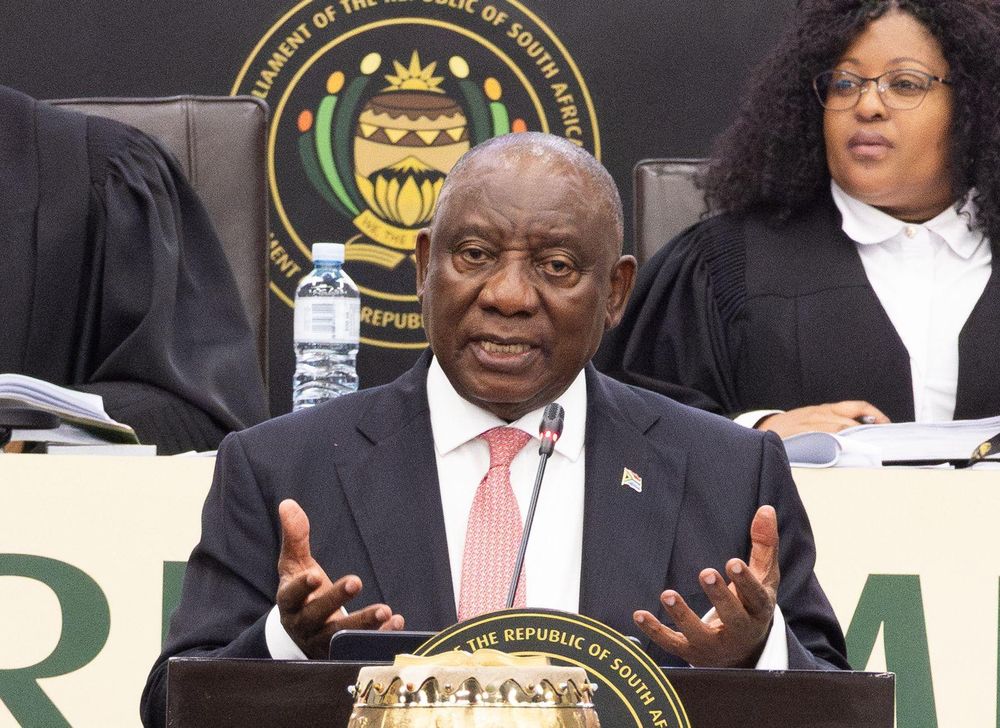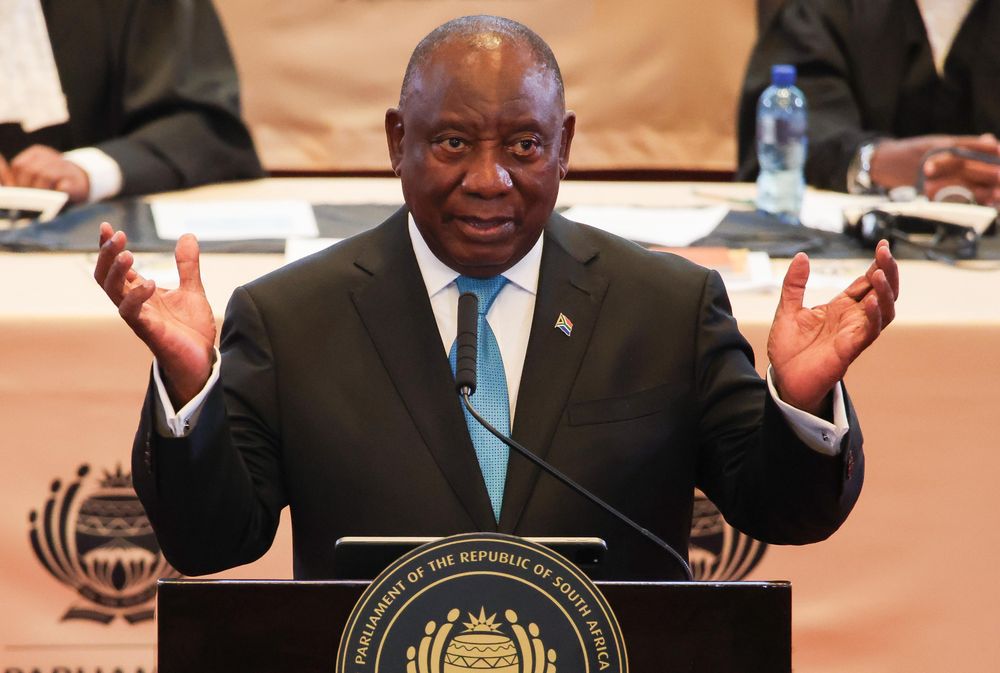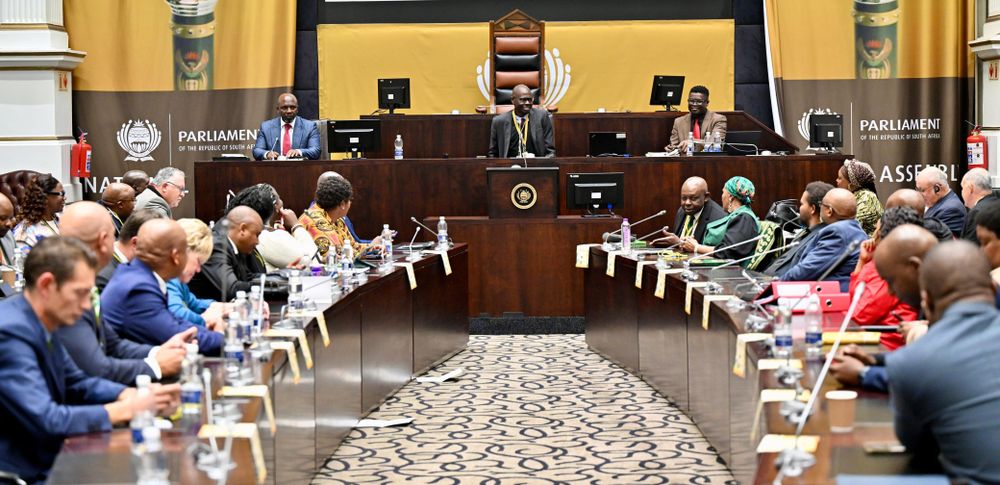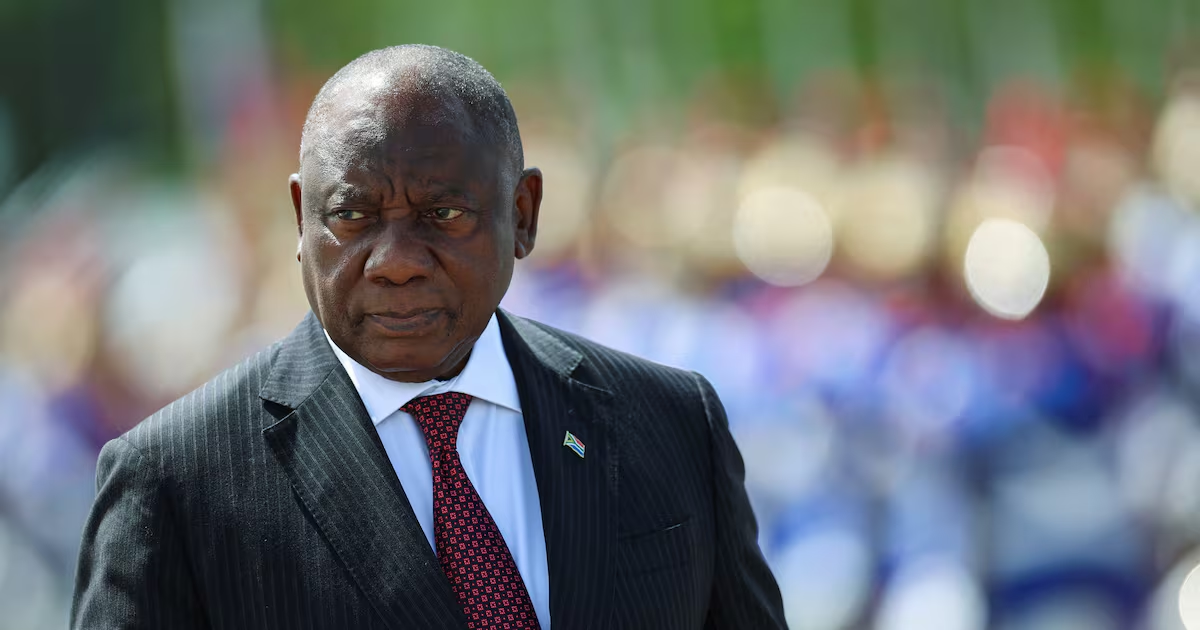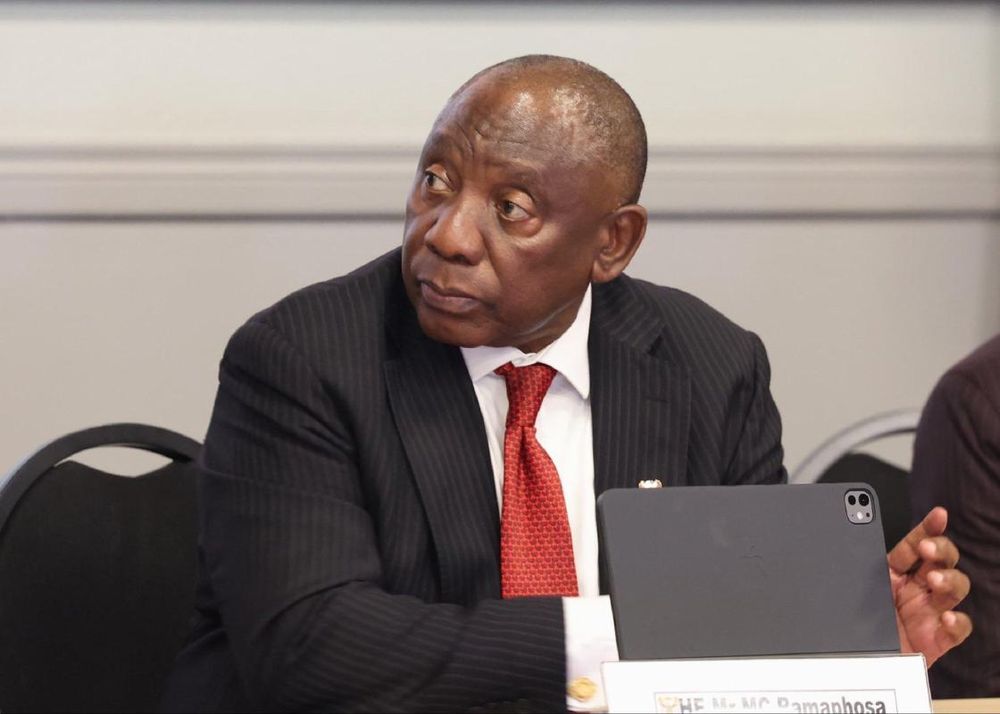
Parliament has been here before, but not quite like this. The temptation to compare President Cyril Ramaphosa’s Phala Phala impeachment process with Jacob Zuma’s Nkandla scandal is obvious. Both involved a sitting president. Both tested parliament’s ability to hold the head of state to account. Both exposed the tension between party loyalty and constitutional duty. But Phala Phala and Nkandla are not the same. They are not legally, factually or procedurally interchangeable.Nkandla involved the unlawful use of public funds for non-security upgrades at Zuma’s private residence and a binding public protector report. The Constitutional Court found in 2016 that Zuma had failed to uphold, defend and respect the constitution, and that the National Assembly had failed in its duty to hold him accountable.Phala Phala is different. It is about the theft of foreign currency from Ramaphosa’s private farm, the handling of that theft, and whether his conduct meets the constitutional threshold for serious misconduct or a serious violation of the constitution or the law. The independent panel did not find Ramaphosa guilty. It found he may have a case to answer. That distinction matters greatly.This is why the work of the impeachment committee is so important. It is not a criminal trial, it is not an opposition rally, nor is it an ANC factional fight. It is a constitutional process through which parliament must determine whether the president’s conduct warrants further action under section 89 of the constitution.The election of Rise Mzansi MP Makashule Gana as chair places him at the centre of one of the most consequential parliamentary processes of the democratic era. Gana’s task is not to satisfy public anger, shield Ramaphosa or give opposition parties a platform for grandstanding. His task is to protect the integrity of the process and restore parliament’s integrity to check the executive’s power. That will require discipline. The committee must test evidence, allow Ramaphosa a fair opportunity to respond, distinguish between political outrage and constitutionally relevant misconduct, and produce a report that can withstand legal and public scrutiny.The process has already become politically muddied. Some MPs want to weaken Ramaphosa and the ANC as the country heads to a local government election, while others may want to protect the president. African Transformation Movement (ATM) leader Vuyolwethu Zungula has argued that National Assembly speaker Thoko Didiza should recuse herself because she voted against adopting the section 89 panel report in 2022. Whether that argument succeeds is a matter for parliament, but the concern reflects a broader truth: in a process of this magnitude, even the perception of bias matters.South Africa learnt this during the Zuma years. Baleka Mbete’s tenure as speaker showed how quickly the office can become constitutionally fraught when presidential accountability is handled through a partisan lens. The lesson from Nkandla is not that Phala Phala must produce the same outcome. The lesson is that parliament must not manipulate the process to protect power.Phala Phala gives parliament a rare chance to do something historic. It can show presidential accountability can be lawful, fair and serious. It can show impeachment is neither a political weapon nor a party shield.Gana and the committee must now be boringly constitutional. They must follow the rules, test the evidence and give reasons. Parliament failed before. It cannot afford to fail again.
EDITORIAL | Parliament has a chance to get Phala Phala right
Impeachment committee’s real test is to resist political theatre over Ramaphosa
545 words~2 min read