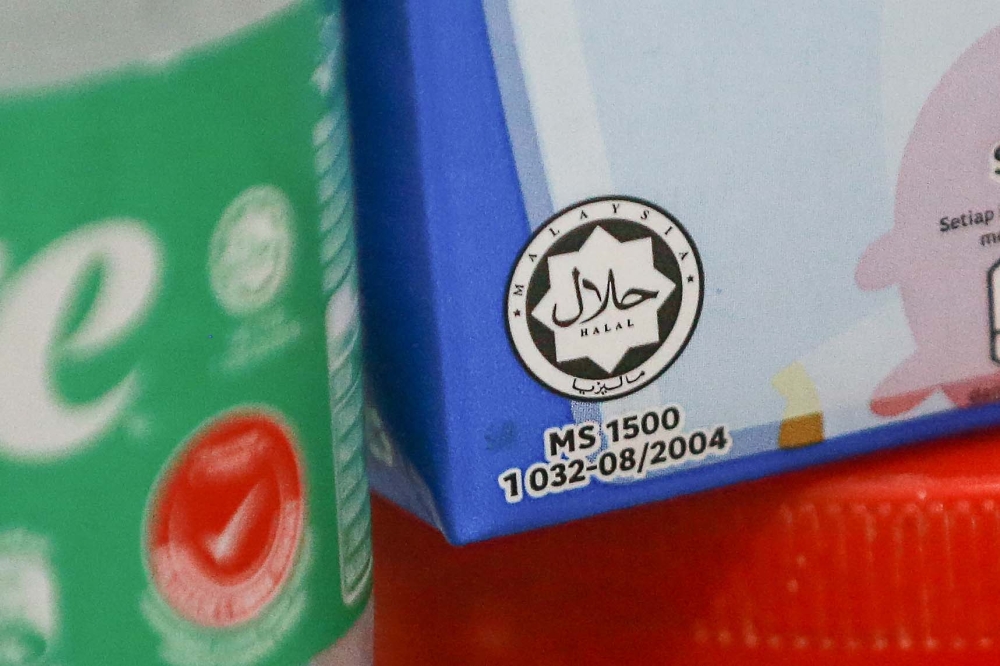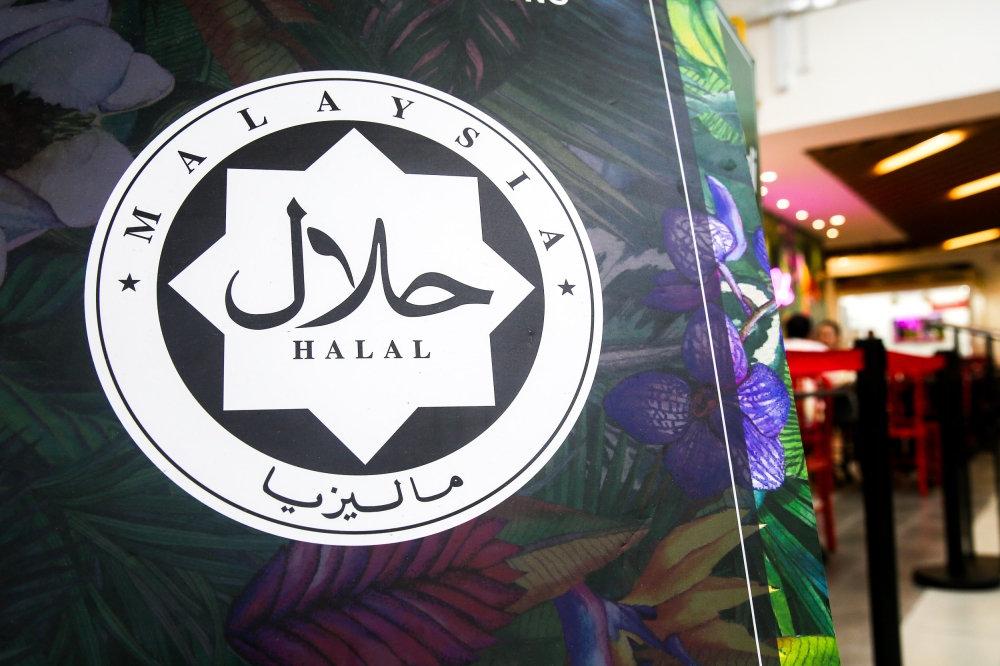
PUNE:Amid row, Gokul clsrifies Halal certification obtained in 2018A fresh political controversy has erupted after it emerged that the Kolhapur District Cooperative Milk Producers’ Union, popularly known as Gokul, obtained Halal certification for some of its dairy products to cater to demand for exports to the Gulf and other Muslim-majority countries.While Gokul clarified that it obtained Halal certification in 2018 purely for export purposes, the issue surfaced ahead of the crucial Gokul Milk Union elections, triggering debate within the cooperative sector and among right-wing organisations whether a dairy cooperative needed Halal certification for its products such as ghee, butter and milk powder. The row only intensified after a Halal certificate issued in March 2022 went viral on social media, prompting some Hindutva organisations to question the need for such certification for dairy products.Halal certification suggests that a product, service or food item is permissible for consumption according to Islamic dietary laws. It verifies that the item was produced, processed and packaged using methods, ingredients and equipment strictly adhering to these laws.Prakash Belwade of Garjana Sanghatana, said, “All Gokul products are already sold widely. Then why did Gokul Milk Union need Halal certification for its products?” Belwade shared copies of the Halal certificate on social media and tagged several right-wing organisations, escalating the controversy.Naved Mushrif, son of Maharashtra medical education minister Hasan Mushrif, recently served as the chairman of the union. According to political observers in Kolhapur, the controversy is being amplified ahead of the cooperative body elections wherein control over the influential milk union remains a major political contest.Responding to the criticism, Hasan Mushrif defended the certification and said it was obtained purely for export purposes. “For several years, we have been exporting products such as ghee and butter to Azerbaijan and other Gulf countries. Such certifications are mandatory for international exports. The Halal certificate was obtained a few years ago, whereas my son Naved was elected chairman only recently,” Hasan Mushrif told reporters.Gokul Milk Union in an official statement clarified that the Halal certification is not linked to any religious ideology or preaching but is a commercial requirement for accessing international markets. “The word ‘Halal’ is used for compliance. The certification ensures that no prohibited or adulterated ingredients are used in the food production process,” according to the press release. The union said that in the dairy industry, ingredients used in products such as butter, cheese, Shrikhand, ghee and milk powder are examined under Halal standards to ensure compliance with import regulations in several countries. It said that the certification functions as a quality and compliance standard similar to FSSAI, ISO 22000 and HACCP. The union further said that the Halal certification system was implemented at Gokul from October 15, 2018, and that the current certification remains valid till March 2028. Gokul officials pointed out that Halal certification is legally mandatory for food imports in many Islamic countries, particularly Gulf nations such as Saudi Arabia, the United Arab Emirates, Oman, Qatar and Kuwait, where customs clearance is often not granted without such certification. According to the statement issued by Gokul Milk Union, it exported around 850 metric tonnes of milk powder to countries such as Turkey, Georgia, Syria, Bangladesh and the UAE in 2018. In 2024, it also exported 462 metric tonnes of butter to Azerbaijan and expanded its presence in international markets. “At present, there is strong demand in middle eastern countries for quality Indian butter, ghee and dairy products, and our marketing department is continuously receiving export enquiries,” the statement read. The cooperative claimed that several major dairy unions across India have adopted Halal certification for exports, making it a standard commercial practice in the export-oriented dairy industry. The cooperative maintained that exports generate higher revenue through foreign exchange earnings, which directly benefits milk producers through better procurement rates, improved services and stronger finances for the cooperative sector. “Against the backdrop of the declining rupee, increasing exports is beneficial for the rural economy,” the statement further read. Gokul Milk Union has appealed to the public not to view the issue through a religious lens while maintaining that obtaining Halal certification is purely an economic and business decision aimed at expanding exports and protecting the interests of milk producers.Gokul remains one of the most influential cooperative institutions in Kolhapur district, with daily milk procurement of nearly 17 lakh litres and an annual turnover running into hundreds of crores. Control over the union has historically been a major political battleground among powerful regional leaders, making the ongoing controversy politically significant ahead of the upcoming elections.
Amid row, Gokul clsrifies Halal certification obtained in 2018
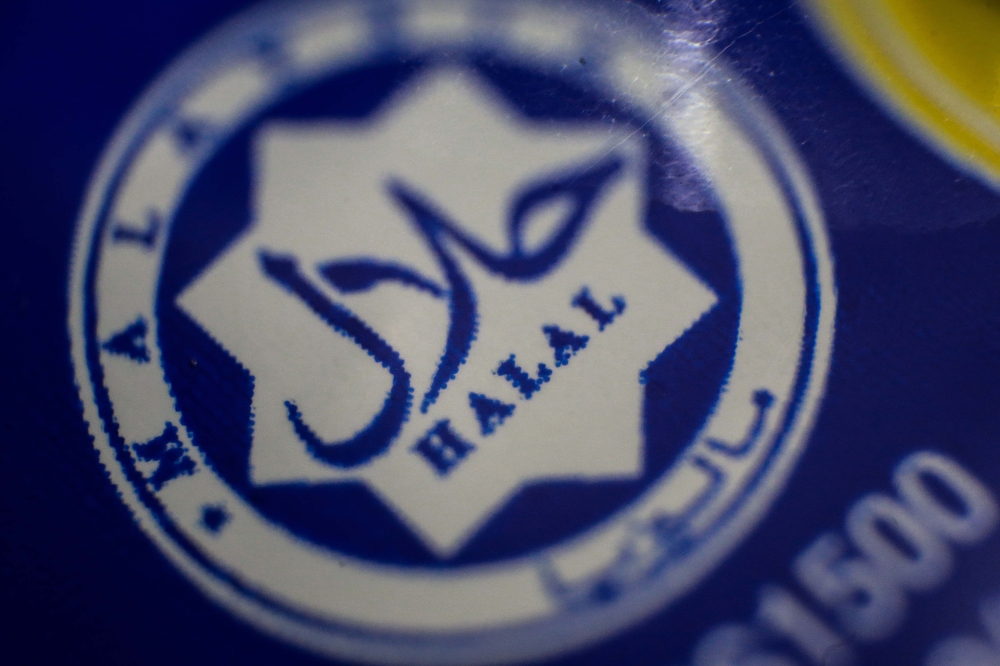
The row only intensified after a Halal certificate issued in March 2022 went viral on social media, prompting some Hindutva organisations to question the need for such certification for dairy products.
756 words~3 min read