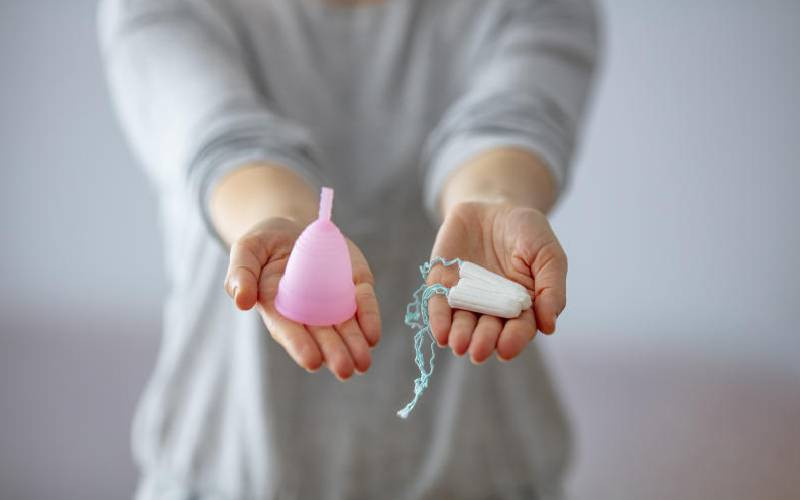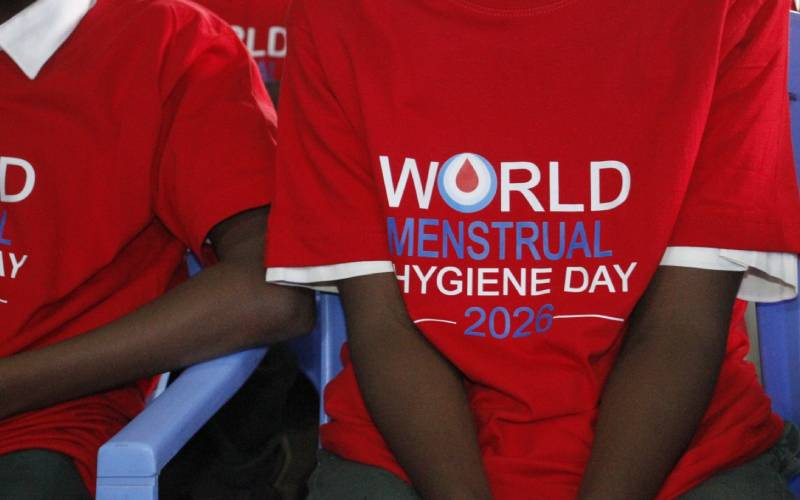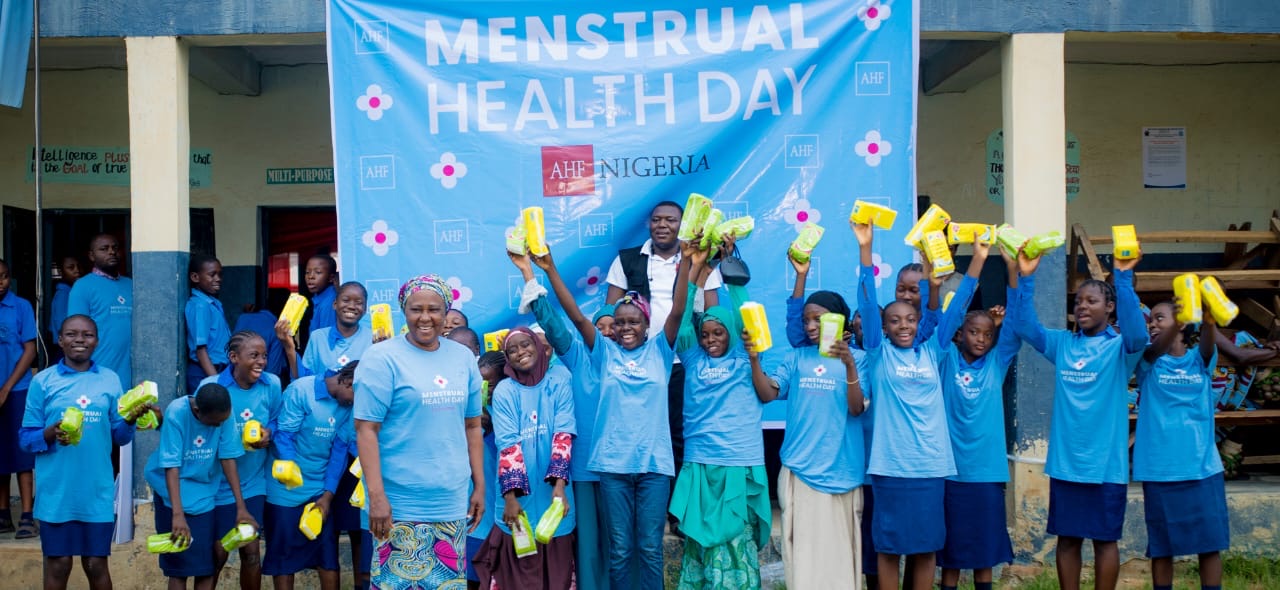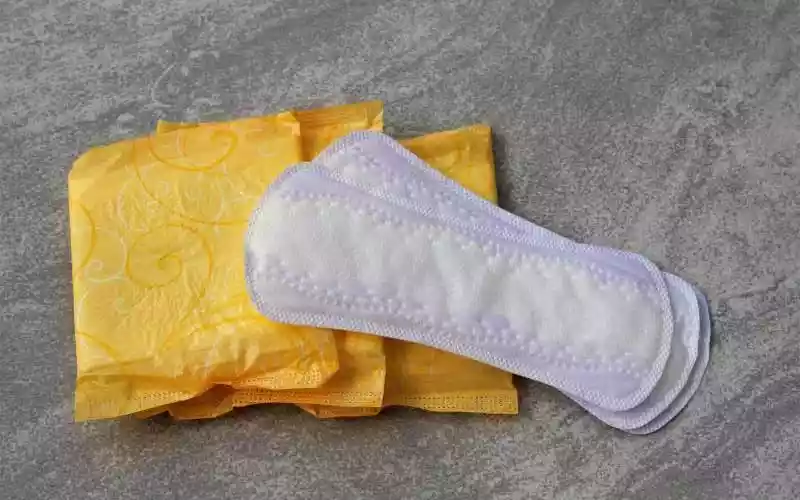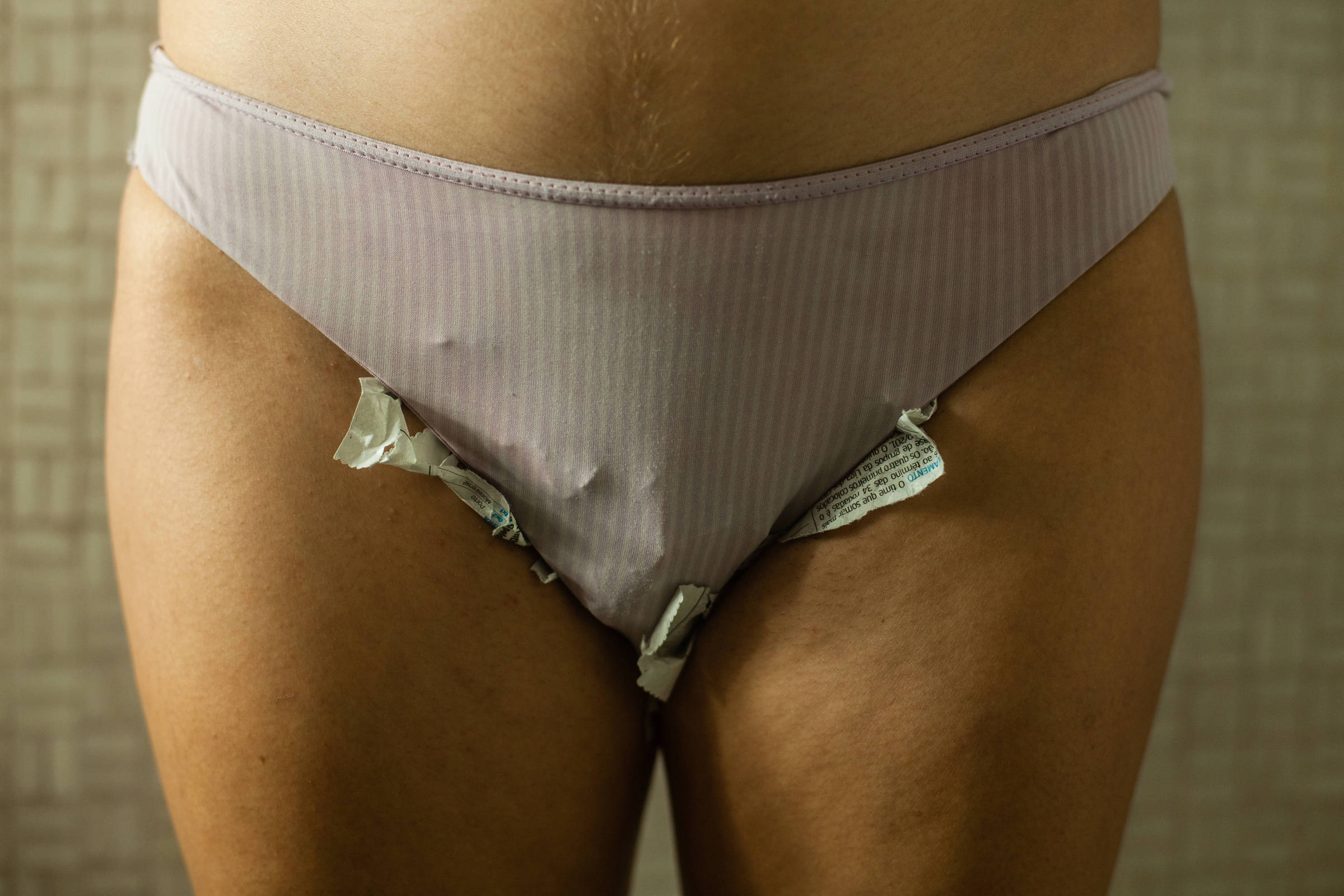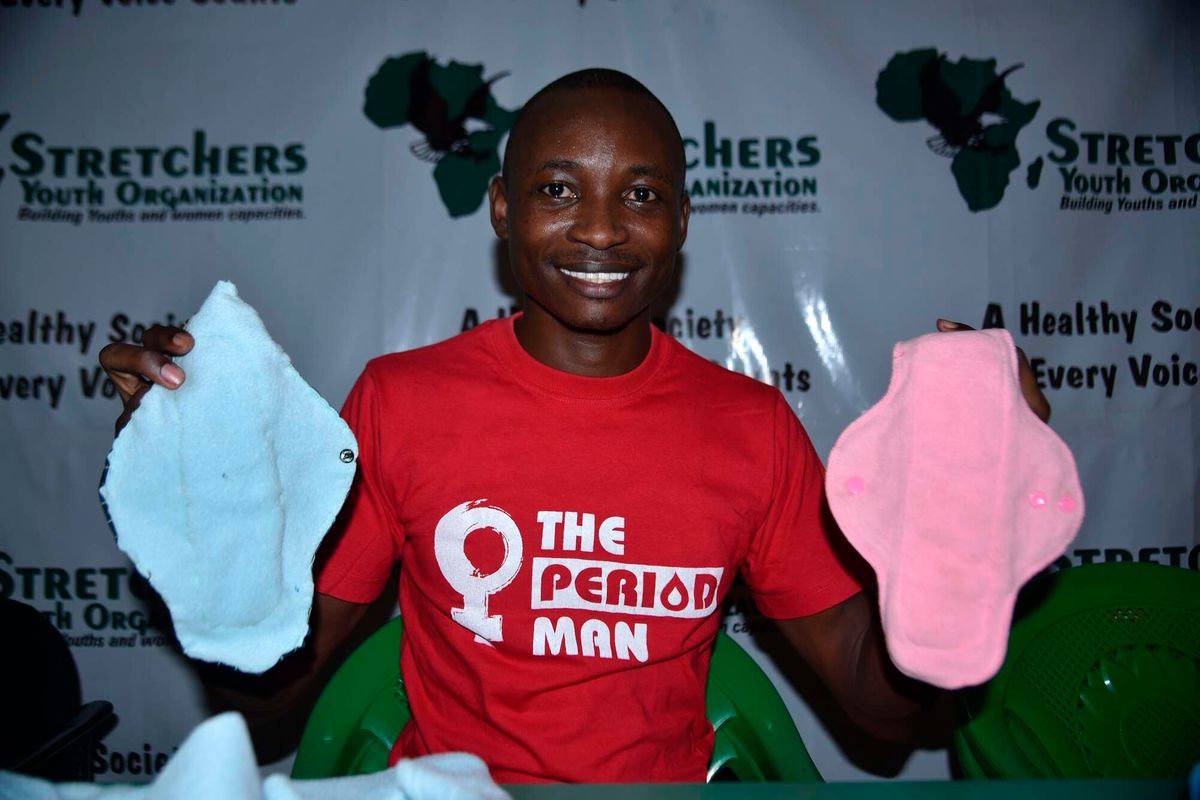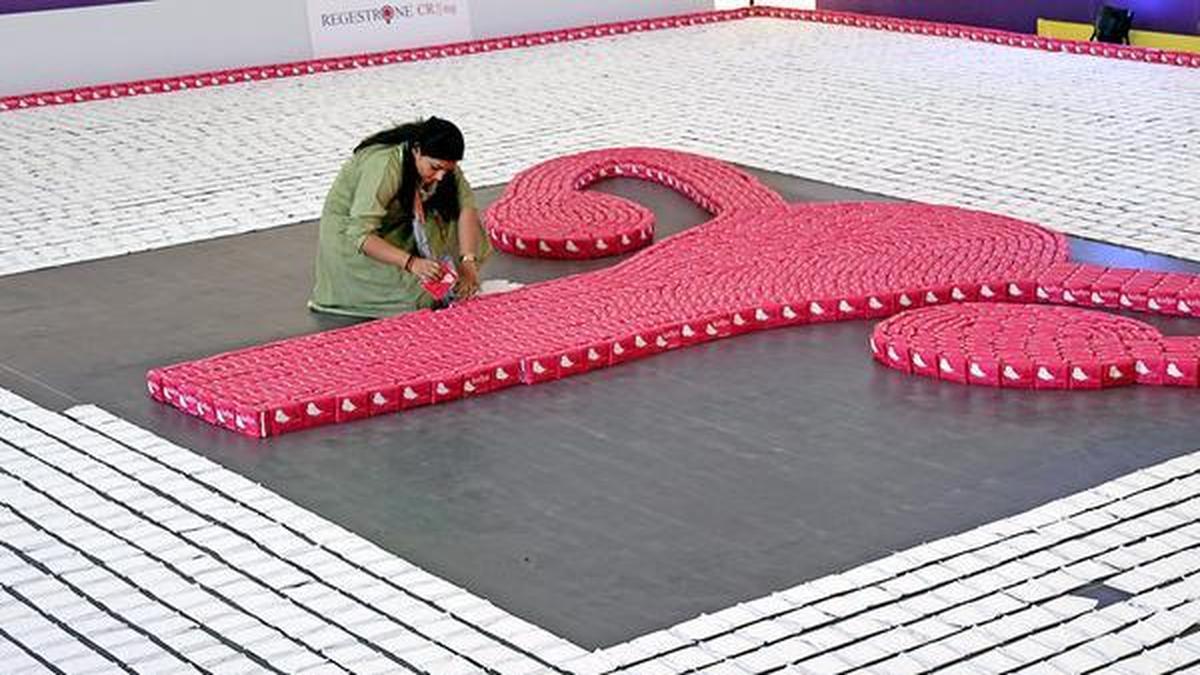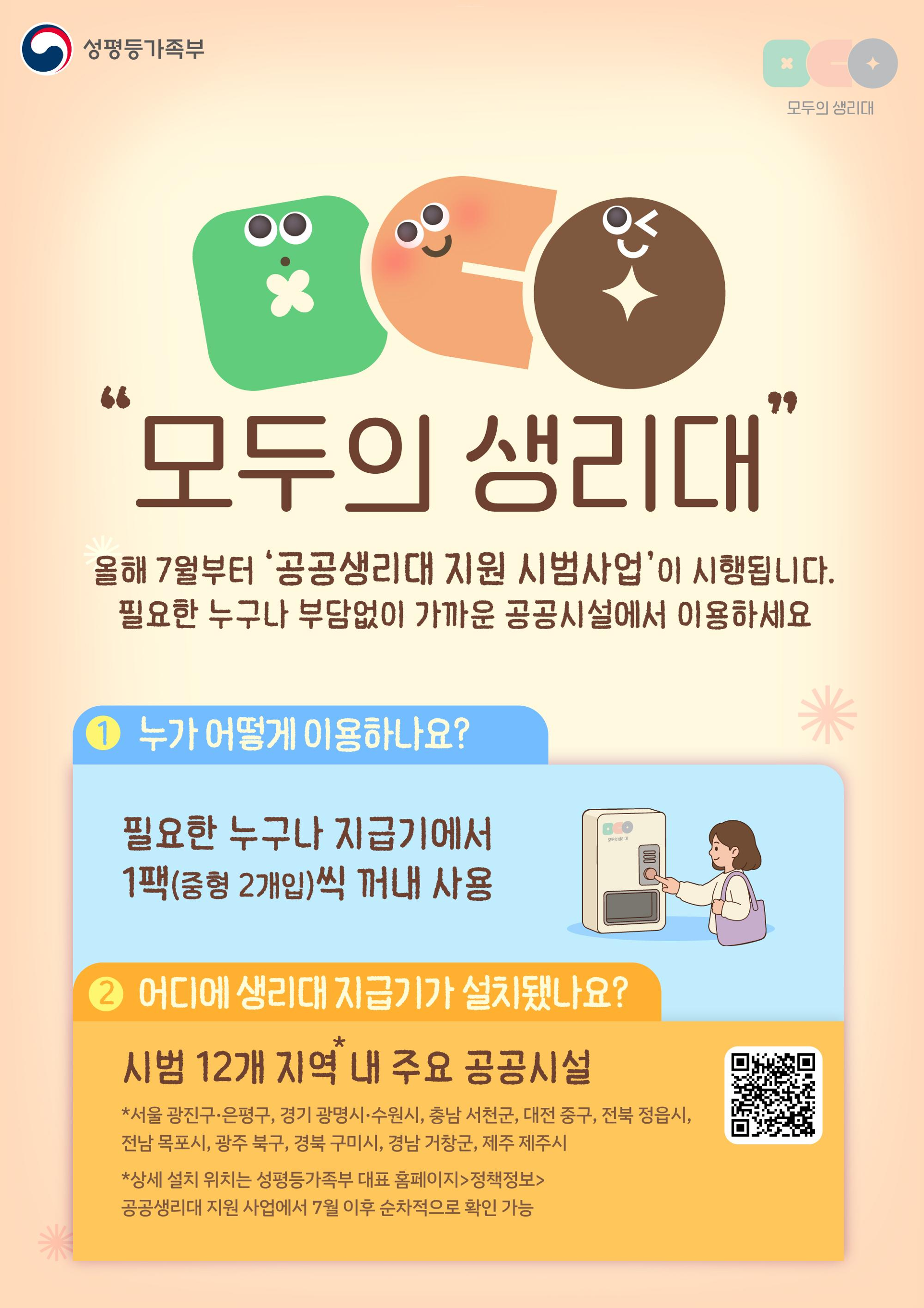
As Korea prepares to expand public menstrual product access, advocates say affordability, safety and stigma issues remain unresolved (Getty Image) Long treated in South Korea as a private discomfort to be managed quietly, menstruation is increasingly being reframed as a matter of public health, dignity and basic rights.The shift has gathered pace in recent years, as reports of menstrual poverty, concerns over product safety and demands for broader public support have pushed the issue beyond personal shame and into the realm of social policy.As the world marks Menstrual Hygiene Day on Thursday, that changing perception is gaining new policy weight in South Korea, where the government is preparing to expand public access to menstrual products.The Ministry of Gender Equality and Family is now preparing a pilot project tentatively called “Public Menstrual Pads Dream,” which would expand support beyond vulnerable groups and treat menstrual products as part of a broader public health system.Experts say the growing discussion reflects a broader understanding of what “menstrual rights” mean.“Menstrual rights refer to the right to menstruate safely and freely regardless of income, age, class, disability, region, religion or gender identity,” said Seong Hee-ryeong, an activist at Gyeonggi Women’s Network.“Once we begin to see menstruation as a right, we realize it is not a private issue but a social and political one.”The debate intensified in 2016, when reports emerged that teenage girls from low-income families were using shoe insoles, tissues and other substitutes because they could not afford sanitary pads. The controversy shocked the country and exposed menstrual poverty in one of Asia’s largest economies.The government has since expanded support programs for low-income female youths aged 9 to 24 through menstrual product vouchers worth 14,000 won ($10) per month. Several local governments have also introduced free sanitary pad dispensers in public facilities.Still, advocates say affordability remains a major issue.According to data cited by the National Assembly Research Service, Korea’s sanitary pad price index reached 120.91 in 2024, based on 2020 prices set at 100, outpacing broader consumer inflation.Korea’s average price per sanitary pad was estimated at $0.113 in a 2024 survey by a London-based research institution, making it the seventh-highest among 30 countries surveyed.“Sanitary pads are not luxury goods but essential products,” the report said, arguing that menstrual product policies should move beyond selective welfare support and toward universal menstrual rights.Activists also point to lingering concerns over product safety. In 2017, public outrage erupted after investigations found potentially harmful substances in some sanitary pads, sparking protests and demands for stronger government oversight and full ingredient disclosure.At the same time, experts say stigma surrounding menstruation remains deeply embedded in schools, workplaces and even healthcare settings.According to domestic studies cited by activists, roughly 80 percent of menstruating people experience menstrual pain, yet it is still widely viewed as something they should simply tolerate. Menstrual leave and rest remain difficult to claim in many workplaces and schools.“Menstruation has long been acknowledged only in relation to childbirth in Korean society,” Seong said. “That reflects a patriarchal view that reduces women’s bodies to reproductive tools.”The government’s new pilot project aims to install free sanitary pad dispensers in public libraries, community centers, youth centers and health clinics across selected municipalities beginning in July.Officials say the goal is to ensure anyone can access menstrual products freely in urgent situations. The pilot program has been allocated 3.2 billion won in state funding this year.Advocates, however, say menstrual rights discussions should go further, encompassing not only product access, but also sex education, reproductive healthcare, menstrual pain research and workplace protections.Lee An-so-young, head of the Korean Women’s Environmental Network, said public menstrual support marks meaningful progress in recognizing menstruation as a universal human right and health issue.“But policies must now expand into comprehensive measures that include stronger product safety regulations, menstrual education, women’s health research and institutional support,” she said.
Korea’s unfinished fight for menstrual rights
Long treated in South Korea as a private discomfort to be managed quietly, menstruation is increasingly being reframed as a matter of public health, dignity and
636 words~3 min read