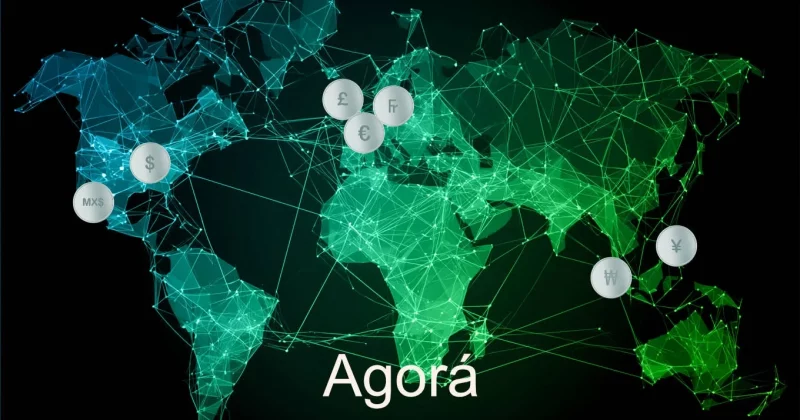
The Bank for International Settlements just showed that the plumbing of global finance can actually work the way everyone wishes it did. On May 27, the BIS released findings from Project Agorá confirming that tokenizing central bank reserves alongside commercial bank deposits can enable atomic, round-the-clock multi-currency settlement for wholesale cross-border payments.
What Project Agorá actually proved
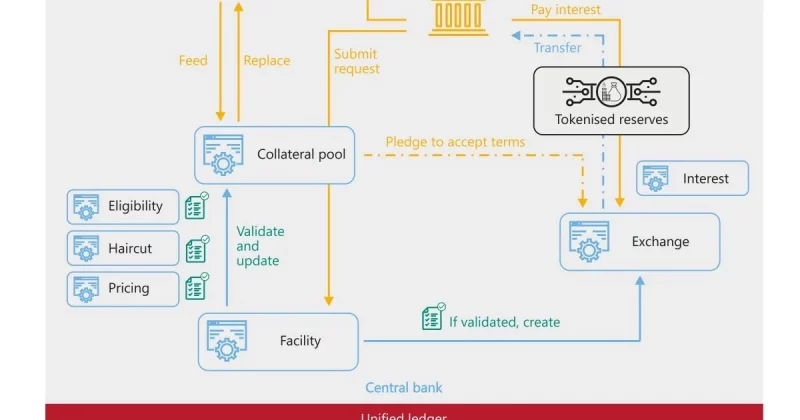
The prototype built under Project Agorá runs on a unified ledger that bundles messaging, reconciliation, compliance checks, and final settlement into a single seamless operation. That’s a sharp departure from the current correspondent banking model, where each of those steps happens separately, often across different time zones, different systems, and different business hours.
Eight central banks participated, including the Federal Reserve Bank of New York and the Bank of England. More than 40 private financial institutions also joined the effort.
The BIS confirmed that the prototype handled essential requirements like anti-money laundering compliance and data privacy, all while maintaining settlement in central bank money rather than some novel token. The entire system is built on tokenized central bank reserves and commercial bank deposits. No private tokens. No stablecoins.