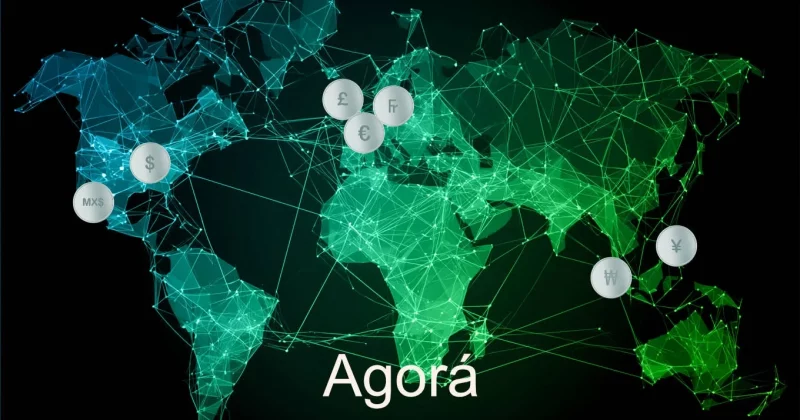
The Bank for International Settlements has moved from theory to practice. Its most ambitious payments experiment ever, Project Agorá, is now running real-value tests of a tokenized, multi-currency wholesale payments system designed to fix one of finance’s most stubborn problems: sending money across borders without it taking days and costing a fortune.
Seven central banks and more than 40 private-sector financial institutions are participating in the prototype, which entered active testing in January 2026. A final report is expected in the first half of this year.
What Project Agorá actually does
The project integrates tokenized commercial bank deposits with tokenized central bank reserves on a unified ledger. That means instead of bouncing messages and settlement instructions between dozens of intermediaries across time zones, transactions could settle in something closer to real time, with programmable conditions baked in.
A tokenized payment can carry instructions: release funds when goods clear customs, for instance, or execute a currency conversion at an agreed rate at a specific time.