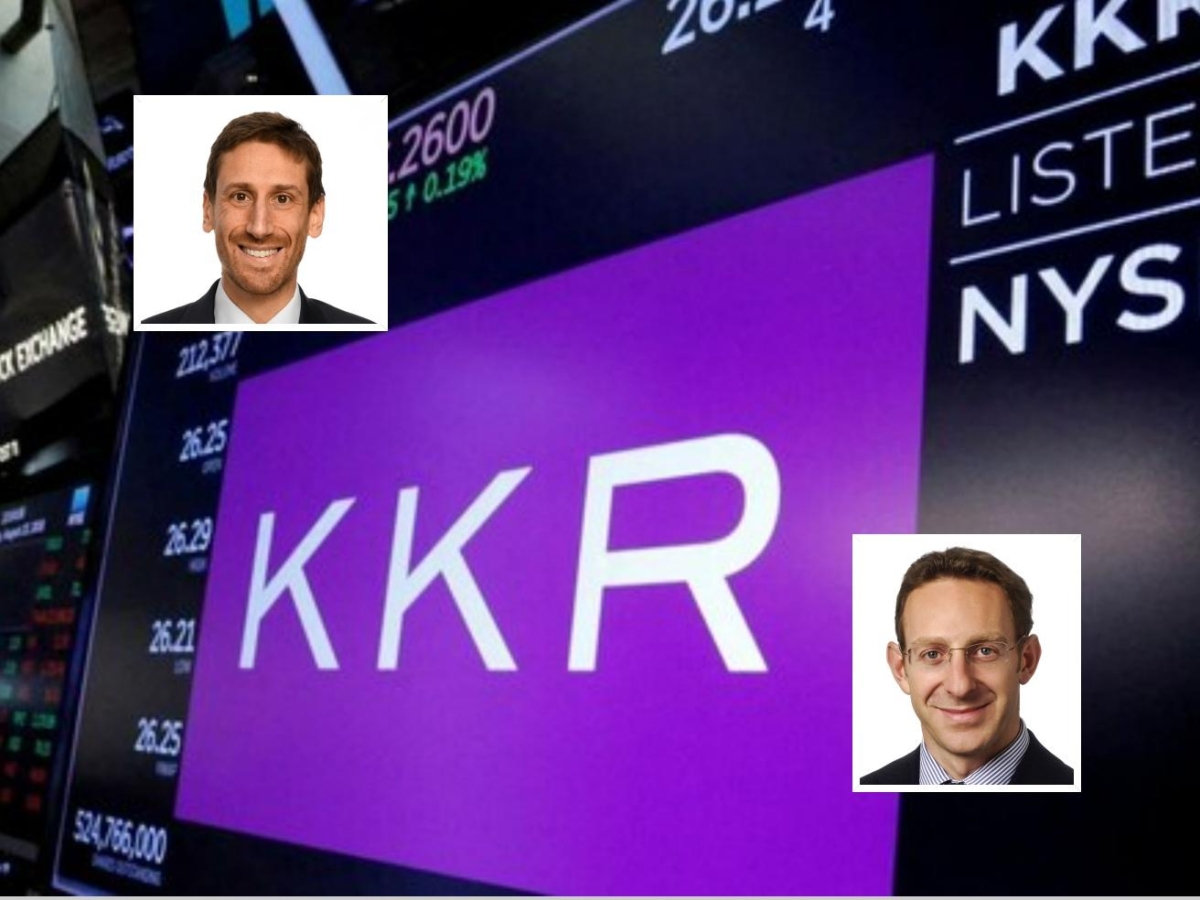
KKR, one of the world’s largest alternative asset managers, is preparing to add private credit trading to its toolkit. Co-CEO Scott Nuttall indicated the firm is likely to begin trading private credit soon, a move that would expand KKR’s already substantial footprint in the space.
The firm manages approximately $638 billion in assets as of early 2026 and already runs a private credit platform covering more than 250 sponsors. Adding a trading function to that infrastructure would be less of a pivot and more of a logical next step.
What private credit trading actually means
Private credit is essentially lending done outside of traditional banks. Think direct loans to mid-sized companies, often with higher yields than you’d find in public bond markets.
Trading private credit means creating liquidity where there previously wasn’t much, allowing investors to buy and sell existing private credit positions rather than waiting years for loans to mature. This is also about making the entire private credit asset class more attractive to institutional investors who have historically been wary of locking up capital for extended periods.