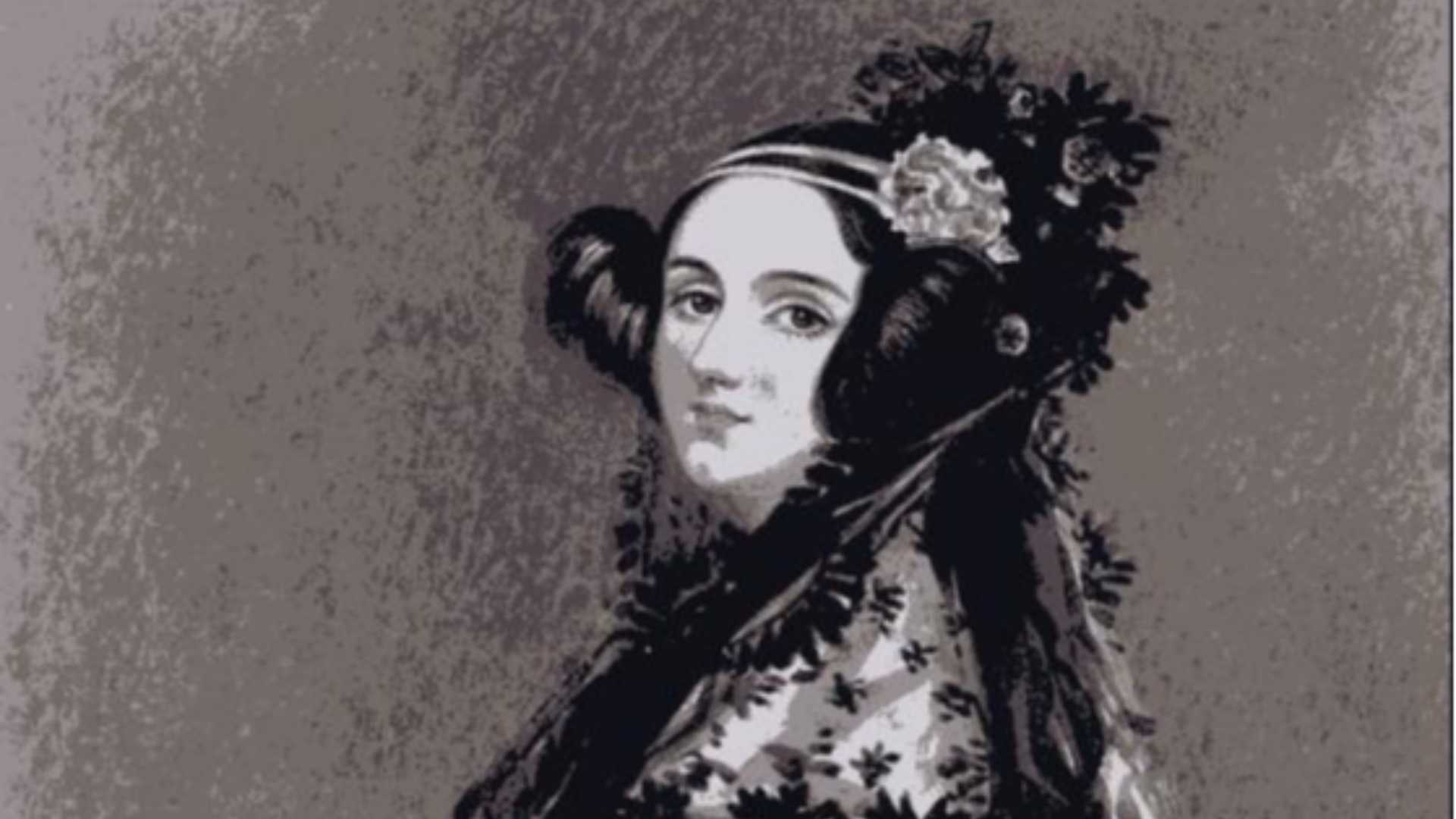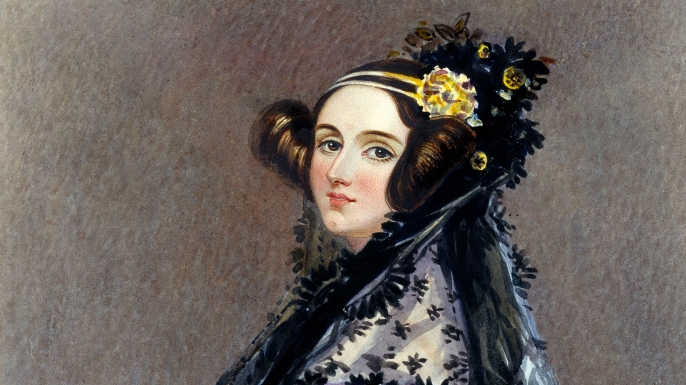
In the early 1830s, London was a city defined by the clatter of industrial machinery and the soot of rapid modernization. Yet, within its drawing rooms and cramped workshops, a quieter, more profound revolution was taking shape. It was during this pivotal period, between 1833 and 1834, that a young Ada Lovelace underwent a conceptual shift—one that would transition her from a student of mathematics to a visionary of the computing age.
To understand Lovelace’s contribution, one must look past the popular mythos of the "first programmer" and examine the rigorous, often exhausting intellectual labor of these two formative years. It was during this window that her encounters with Charles Babbage’s early prototypes collided with a deep immersion in analytical calculus, forever altering how she viewed the relationship between machinery, logic, and the infinite.
(This article is an editorial adaptation of the eBook The Ada Lovelace Chronicles)
The Percussive Logic of the Difference Engine
In 1833, Ada stood in Charles Babbage’s workshop, observing the interlocking brass wheels of the Difference Engine prototype. For many observers, the machine was a marvel of high-end toy-making—a curiosity that could automate the tedious calculation of mathematical tables.